Are you curious about how light-gauge metal components come together so securely? Whether you’re working on a DIY project or managing a construction job, knowing what fasteners hold these metal pieces can save you time and headaches.
You’ll discover the most common types of fasteners used to join light-gauge metal parts. Understanding these will help you choose the right tools and materials, ensuring your work is strong and reliable. Keep reading to unlock the secrets behind these essential connections!
Common Fastening Methods
Light-gauge metal components require strong and reliable joining methods. Fastening techniques must hold pieces tightly and resist stress. Builders choose methods based on project needs and metal types. Common fastening methods include mechanical fasteners, welding, adhesives, and riveting. Each has unique benefits and uses in construction.
Mechanical Fasteners
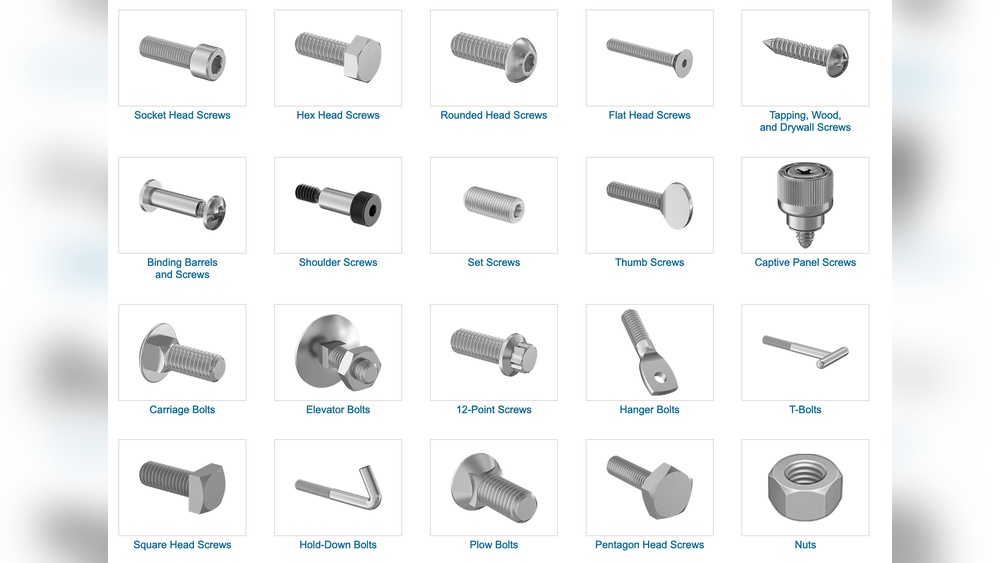
Mechanical fasteners include screws, bolts, and nuts. They provide easy assembly and disassembly. These fasteners work well for thin metal sheets. Installers use hand tools or power tools to fix parts. Mechanical fasteners allow adjustments and repairs on site.
Welding Techniques
Welding fuses metal parts together by heat. It creates a strong, permanent bond. Common welding types are MIG, TIG, and spot welding. Welding suits structural connections in light-gauge metal frames. It requires skilled operators and safety measures.
Adhesive Bonding
Adhesives join metals without drilling or heat. They spread evenly and resist vibrations. Epoxy and polyurethane adhesives are popular choices. Adhesive bonding works well with painted or coated metals. This method provides smooth, clean surfaces without fastener marks.
Riveting Applications
Rivets hold metal parts by deforming a metal pin. They create a permanent, strong joint. Riveting is common in roofing and metal decking. Rivets resist loosening from vibrations better than screws. Installers use manual or pneumatic tools for fastening.

Credit: www.tomanthermosonics.com
Mechanical Fasteners Explained
Mechanical fasteners hold light-gauge metal components tightly together. They provide strong joints and allow easy assembly and disassembly. These fasteners come in different types, each designed for specific uses. Understanding their roles helps in choosing the right fastener for metal construction.
Screws And Bolts
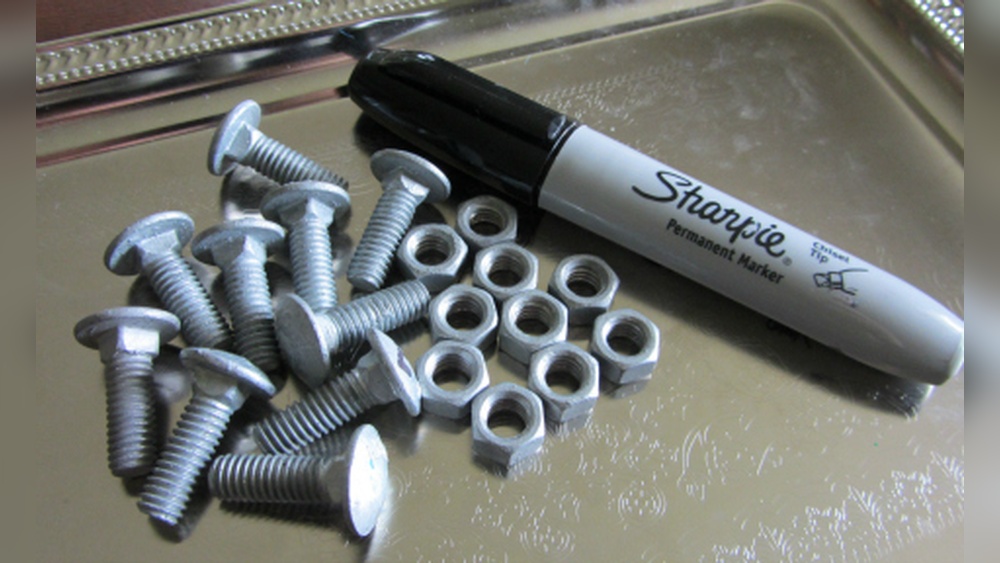
Screws and bolts are the most common fasteners for metal parts. Screws have sharp threads that bite into metal. Bolts need nuts to hold parts firmly. Both provide strong, secure connections. They resist vibrations and keep metal sheets from moving.
Nuts And Washers
Nuts and washers work with bolts to secure metal parts. Nuts twist onto bolts to lock pieces in place. Washers sit between nuts and metal to spread pressure. They prevent damage to metal surfaces. Washers also stop nuts from loosening over time.
Self-drilling Fasteners
Self-drilling fasteners drill their own holes as they go in. They save time by removing the need for pre-drilling. These fasteners are ideal for thin metal sheets. They create tight, clean joints with less effort. Self-drilling fasteners are popular in metal framing and roofing.
Welding For Light-gauge Metals
Welding is a common method to join light-gauge metal parts. It uses heat to melt metals and fuse them together. This creates strong and lasting connections. Different welding techniques suit various metal types and thicknesses. These methods work well for thin sheets and small components.
Spot Welding
Spot welding joins two metal sheets at small points. It uses electric current and pressure to melt metal locally. The process is fast and ideal for thin metals. Common in car manufacturing and appliance assembly. It creates small, round welds that hold parts firmly.
Tig And Mig Welding
TIG welding uses a tungsten electrode to create precise welds. It works well on thin metals and provides clean results. MIG welding feeds wire continuously to melt and join metals. MIG is faster and easier to learn than TIG. Both methods offer strong, smooth welds for light-gauge metals.
Benefits And Limitations
Welding gives strong joints without extra parts like screws. It keeps the metal surface smooth and clean. Some welding methods need special equipment and skills. Thin metals may warp or burn if heat is too high. Proper control and technique are important for good welds.
Adhesives In Metal Assembly
Adhesives play a key role in fastening light-gauge metal components. They join parts without drilling or welding. This method keeps the metal surface smooth and strong. Adhesives spread the load evenly across the joint. This reduces stress and prevents metal fatigue. Many industries trust adhesives for metal assembly. They offer a clean and quiet alternative to mechanical fasteners.
Types Of Adhesives Used
Epoxy adhesives are common in metal assembly. They bond well and resist heat and chemicals. Acrylic adhesives dry fast and have strong holding power. Polyurethane adhesives offer flexibility and impact resistance. Some adhesives cure with heat or UV light. Each type fits specific metal and project needs.
Surface Preparation
Clean metal surfaces help adhesives stick better. Remove dirt, grease, and rust before applying glue. Light sanding creates a rough texture for a stronger bond. Use solvents to wipe the surface clean. Proper surface prep ensures the adhesive works well and lasts longer.
Strength And Durability
Adhesive joints can match or exceed mechanical fasteners. They resist vibration and shock without loosening. Some adhesives resist water, oils, and temperature changes. The right adhesive keeps metal parts secure for years. Regular testing helps ensure joint strength over time.
Riveting Techniques
Riveting techniques are common in fastening light-gauge metal components. They create strong, durable joints without welding or screws. Rivets work by joining metal pieces with a permanent mechanical fastener. Different types of rivets suit various applications and materials.
Pop Rivets
Pop rivets, also called blind rivets, fasten metals from one side. They are easy to install with a special tool. The tool pulls a mandrel through the rivet body, expanding it inside the hole. Pop rivets are quick and great for thin metals. They resist vibration and hold parts tightly together.
Solid Rivets
Solid rivets need access to both sides of the metal parts. One side is the rivet head, and the other side is deformed to hold the pieces. This method creates very strong joints. Solid rivets are common in heavy-duty applications. They require hammering or a press for installation.
Applications In Construction
Riveting is popular in steel framing and metal roofing. It joins studs, tracks, and panels securely. Rivets handle stress and movement well. They are used in HVAC ducts and metal furniture too. Riveting speeds up assembly on construction sites. It ensures long-lasting, stable structures.

Credit: en.wikipedia.org
Factors Influencing Fastener Choice
Choosing the right fastener for light-gauge metal components depends on several key factors. These factors ensure the joint holds well and lasts long. Fastener selection affects strength, durability, and resistance to wear.
Understanding these factors helps in picking the best fastener for each project. Let’s explore the main elements that influence fastener choice.
Material Thickness
The thickness of metal sheets plays a big role in fastener choice. Thin metals need fasteners that do not damage or deform them. Thick metals require stronger fasteners that can hold heavy loads. The fastener’s length and type must suit the metal thickness to ensure a tight fit.
Load Requirements
How much weight or force the joint must bear guides fastener selection. High load demands need heavy-duty fasteners like bolts or structural screws. Light loads may only require simple self-drilling screws or rivets. The right fastener prevents loosening and failure under stress.
Environmental Conditions
Fasteners face different weather and environmental challenges. Outdoor or humid environments need corrosion-resistant fasteners. Stainless steel or coated fasteners work best to avoid rust. Indoor or dry conditions allow for standard fasteners. Choosing the correct material extends the joint’s lifespan.
Tools And Equipment
Light-gauge metal components require specific tools and equipment for proper fastening. These tools ensure strong, durable connections. Using the right equipment saves time and improves safety. The choice depends on the type of metal and the job’s demands.
Fastening Tools
Fastening tools include screws, bolts, and rivets. Power drills and screw guns are common for driving screws. Rivet guns help join thin metal sheets quickly. These tools offer precise control and reduce manual effort. They are essential for framing and panel installation.
Welding Machines
Welding machines join metal parts by melting and fusing them. MIG and TIG welders are popular choices. Welding creates strong, permanent bonds. It works well for structural components that need high strength. Proper safety gear is a must when welding metal.
Adhesive Applicators
Adhesive applicators spread glue on metal surfaces. Structural adhesives bond metals without heat or fasteners. They reduce vibration and noise in assemblies. Applicators help apply adhesives evenly and quickly. This method suits lightweight or thin metal parts.
Common Challenges And Solutions
Fastening light-gauge metal components presents some common challenges. These issues affect the strength and longevity of the structure. Knowing the problems helps find the right solutions. This section explains key challenges and how to solve them.
Corrosion Prevention
Metal parts can rust when exposed to moisture and air. Rust weakens the connections and damages the metal. Use coatings like galvanizing or paint to stop rust. Stainless steel fasteners resist corrosion better than regular steel. Keep the metal dry and clean for longer life.
Thermal Expansion Issues
Metals expand and shrink with temperature changes. This movement can loosen fasteners over time. Use fasteners that allow slight movement without breaking. Leave small gaps between parts to handle expansion. Flexible seals help keep joints tight despite temperature shifts.
Ensuring Structural Integrity
Fasteners must hold parts firmly under stress and load. Choose the right type and size for each connection. Tighten fasteners to the correct torque to avoid loosening. Regular inspections find any weak or damaged spots early. Replace worn fasteners to maintain strong joints.

Credit: en.wikipedia.org
Frequently Asked Questions
What Fasteners Are Used For Light-gauge Metal Components?
Light-gauge metal components are typically fastened using self-tapping screws, bolts, and rivets. These fasteners ensure strong connections and ease of installation. Self-tapping screws are popular for their ability to create threads in metal without pre-drilling. Rivets provide permanent, vibration-resistant joints.
Why Choose Self-tapping Screws For Metal Framing?
Self-tapping screws are ideal for metal framing because they cut threads into thin metal sheets. This eliminates the need for pre-drilling, speeding up assembly. They also offer strong, reliable holds and resist loosening, making them perfect for light-gauge steel components.
Are Rivets Effective For Fastening Light-gauge Metals?
Yes, rivets are effective for fastening light-gauge metals. They provide durable, vibration-resistant joints that maintain structural integrity. Rivets are often used in situations where welding isn’t feasible or where a permanent connection is needed without the risk of metal distortion.
Can Bolts Be Used For Light-gauge Metal Assembly?
Bolts can be used for light-gauge metal assembly, especially where disassembly may be required. They offer strong, adjustable fastening and work well with nuts and washers. However, bolts are less common than screws due to the thinness of light-gauge metals.
Conclusion
Light-gauge metal components connect using screws, bolts, and rivets. Each fastener type offers strength and ease for specific jobs. Choosing the right fastener keeps structures safe and stable. Proper fastening also speeds up building and repairs. Understanding these basics helps in many metal projects.
Simple tools and fasteners make work clear and quick. This knowledge supports better construction and long-lasting results.