Have you ever wondered what holds machines and structures firmly together? Fasteners play a crucial role in making sure everything stays in place, from the smallest gadgets to massive industrial equipment.
Understanding what fasteners are and how they work can help you appreciate the strength behind everyday objects and even improve your own projects. You’ll discover the basics of fasteners in mechanical systems and why they matter to you. Keep reading to unlock the secrets behind these tiny yet powerful components!
Fasteners Basics
Fasteners are small devices that hold parts together in machines and structures. They play a key role in building and repairing. Knowing the basics helps understand their use and types.
Fasteners come in many forms and materials. Each type has a specific job in keeping parts connected safely.
Types Of Fasteners
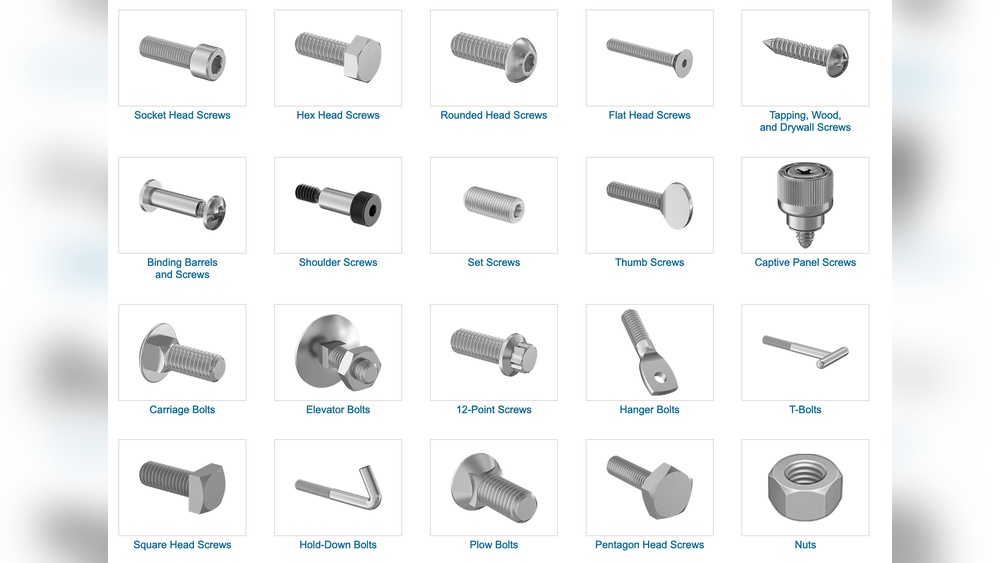
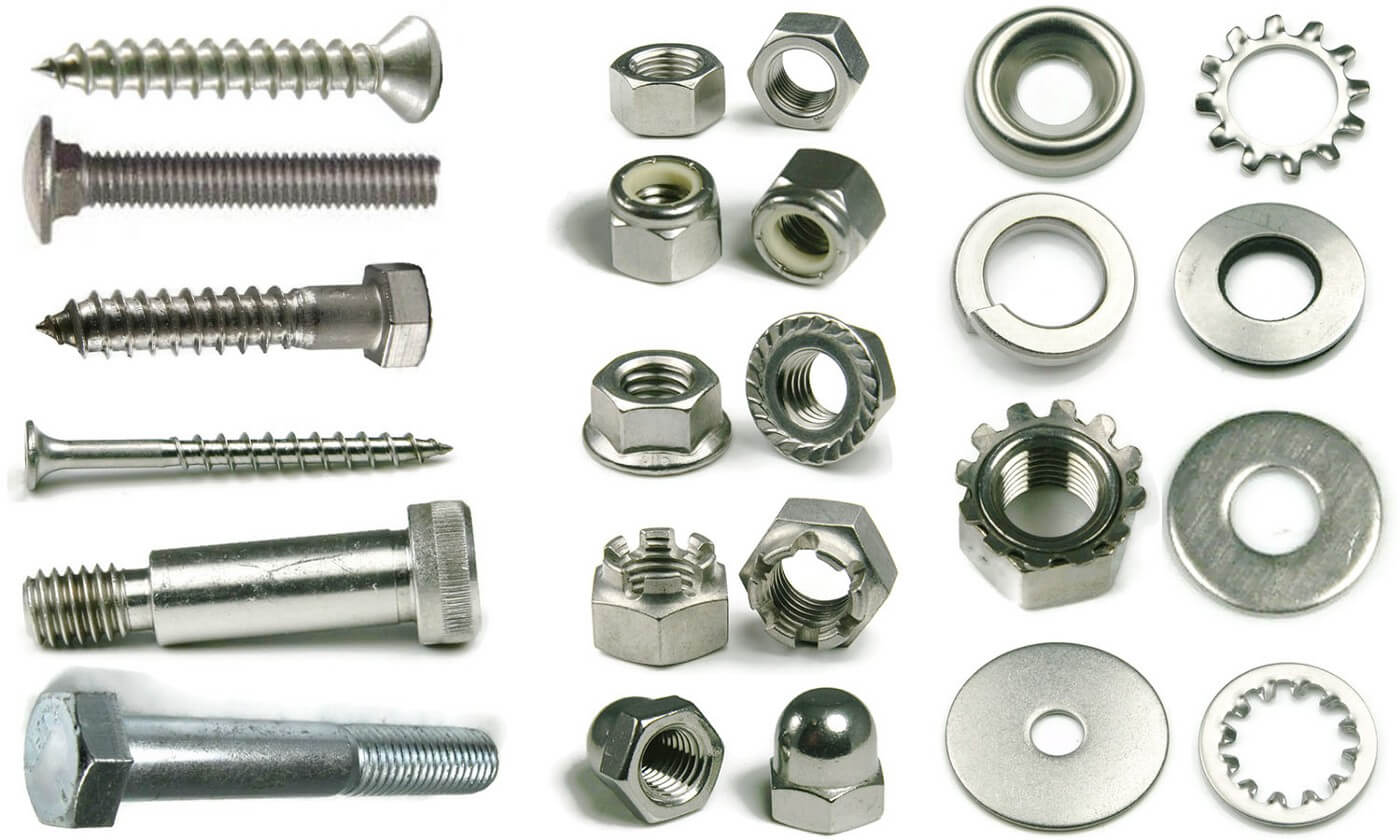
Common fasteners include bolts, screws, nuts, and washers. Bolts join parts with nuts by threading. Screws fix parts by cutting their own thread. Nuts fasten bolts tightly. Washers spread the load and protect surfaces.
Common Materials Used
Steel is the most used material for fasteners. It is strong and durable. Stainless steel resists rust and corrosion. Brass and aluminum are lighter but less strong. Plastic fasteners are used in light or non-metal parts.
Basic Functions
Fasteners hold parts firmly in place. They allow easy assembly and disassembly. Some fasteners also seal joints to prevent leaks. They provide strength and stability to machines and structures.
Credit: www.3erp.com
Types Of Mechanical Fasteners
Mechanical fasteners join parts securely. They hold components in place. Different types suit different jobs. Each type has unique features. Understanding these types helps in choosing the right fastener.
Bolts And Screws
Bolts and screws are common fasteners. Both have threads that grip materials tightly. Bolts usually need nuts for fastening. Screws can hold directly into materials. They come in many sizes and shapes.
Nuts And Washers
Nuts pair with bolts to secure parts. They twist onto bolt threads for tight fits. Washers sit between nuts and surfaces. They spread pressure and prevent damage. Washers also stop loosening from vibration.
Rivets And Pins
Rivets join materials by permanent fastening. They are strong and reliable. Pins hold parts together temporarily or allow movement. Common pins include cotter pins and clevis pins. Both types are simple but effective.
Clips And Clamps
Clips and clamps hold parts without threads. Clips snap into place quickly. Clamps apply pressure to keep parts tight. They work well for flexible or soft materials. Both types allow easy assembly and removal.
Selection Criteria
Selecting the right fastener is key for any mechanical project. The choice depends on many factors. Each factor helps decide which fastener will hold parts together safely and last longer. This section explains the main criteria to consider.
Load And Strength Requirements
Fasteners must handle the forces in the machine or structure. Check the weight and pressure the fastener needs to support. Choose fasteners with strength that matches or exceeds these loads. Using weak fasteners can cause failure or damage. Different jobs need different strength levels.
Environmental Factors
Fasteners face many environments. Some may be wet, hot, or exposed to chemicals. Choose fasteners that resist rust and corrosion in these conditions. Outdoor and marine uses need special coatings or materials. The environment affects fastener life and safety.
Material Compatibility
Fasteners must match the materials they join. Metals can react and cause corrosion if not compatible. Use fasteners made from similar or compatible metals. Consider expansion rates too, to avoid loosening or damage. Proper compatibility ensures a strong, lasting connection.

Credit: allpointsfasteners.com
Installation Techniques
Installing fasteners correctly is essential for strong mechanical joints. Proper techniques ensure safety and durability. This section explains key methods and tools for fastener installation.
Tools And Equipment
Choosing the right tools is the first step in fastener installation. Common tools include wrenches, screwdrivers, and torque drivers. Power tools can speed up the process but require careful handling. Using the correct size and type of tool prevents damage to fasteners.
Torque And Tightening Methods
Tightening fasteners to the right torque is crucial. Too loose, and the joint may fail. Too tight, and the fastener can break or strip. Torque wrenches help achieve the exact tightness needed. Some methods use a specific angle turn after initial tightening. Following torque specifications ensures the joint holds securely.
Common Installation Mistakes
Over-tightening fasteners can cause thread damage or breakage. Under-tightening leads to loose joints and leaks. Using wrong tools can strip fastener heads or threads. Not cleaning threads before installation affects grip. Skipping torque checks risks joint failure. Awareness of these mistakes helps avoid problems.
Maintenance And Inspection
Maintenance and inspection are crucial for fasteners in mechanical systems. They ensure safety and keep machines working well. Regular checks help spot problems early. This prevents breakdowns and costly repairs. Proper care extends fastener life and improves machine performance.
Signs Of Wear And Damage
Look for cracks, rust, or corrosion on fasteners. Check if threads are stripped or worn out. Loose or missing fasteners also indicate problems. Bent or deformed fasteners need attention. These signs show fasteners may fail soon.
Replacement Guidelines
Replace fasteners showing visible damage immediately. Use the same size and type as the original. Follow the machine manufacturer’s recommendations. Avoid reusing fasteners that have been stressed. Keep spare fasteners ready for quick replacement.
Preventive Measures
Apply anti-corrosion coatings to fasteners regularly. Tighten fasteners to the correct torque settings. Use locking devices to prevent loosening. Clean fasteners before installation. Schedule routine inspections to catch issues early.

Credit: www.theprocesspiping.com
Applications In Mechanical Engineering
Fasteners play a vital role in mechanical engineering. They join parts together securely. Fasteners make machines and structures strong and stable. Their use spans many industries and applications. Understanding these applications helps appreciate their importance.
Automotive Industry
Fasteners hold car parts together. They connect engines, wheels, and body panels. Strong fasteners ensure vehicle safety and performance. They resist vibrations and extreme conditions. Different fasteners suit various materials in cars. This variety helps build reliable vehicles.
Construction And Infrastructure
Fasteners are key in building construction. They join steel beams, concrete forms, and panels. Fasteners keep buildings safe and durable. They allow easy assembly and maintenance. Builders use bolts, screws, and anchors often. These fasteners support heavy loads and weather effects.
Machinery And Equipment
Fasteners assemble many machines and tools. They connect parts that move or stay fixed. Fasteners withstand pressure, heat, and wear. They enable quick repairs and part replacements. Using the right fastener boosts machine life. Industries rely on them for smooth operations.
Frequently Asked Questions
What Are Fasteners In Mechanical Engineering?
Fasteners are hardware devices used to join two or more objects securely. They provide mechanical strength and stability in assemblies. Common types include bolts, screws, nuts, and washers. Fasteners enable easy assembly and disassembly of mechanical parts without damaging components.
Why Are Fasteners Important In Mechanical Systems?
Fasteners ensure the structural integrity of mechanical systems. They hold parts together under stress and vibration. Proper fasteners prevent loosening and failure. They allow maintenance and repairs by enabling easy part removal. Choosing the right fastener improves safety and performance.
What Types Of Fasteners Are Commonly Used?
Common fasteners include bolts, screws, nuts, washers, rivets, and pins. Each serves a specific purpose based on load type and material. Bolts and screws provide threaded fastening, while rivets create permanent joints. Washers distribute load and prevent damage. Selection depends on application needs.
How To Choose The Right Fastener?
Select fasteners based on load, material, and environment. Consider strength requirements, corrosion resistance, and size. Match fastener type to joint design and accessibility. Use appropriate torque for installation. Proper selection ensures durability and safety in mechanical assemblies.
Conclusion
Fasteners hold parts firmly in machines and structures. They come in many types, like bolts, screws, and nuts. Each fastener serves a specific purpose. Choosing the right fastener ensures safety and strength. Proper use prevents damage and saves time. Understanding fasteners helps in daily mechanical work.
Small parts, big impact. Keep them tight and secure. This knowledge supports better repairs and builds. Simple yet essential.


