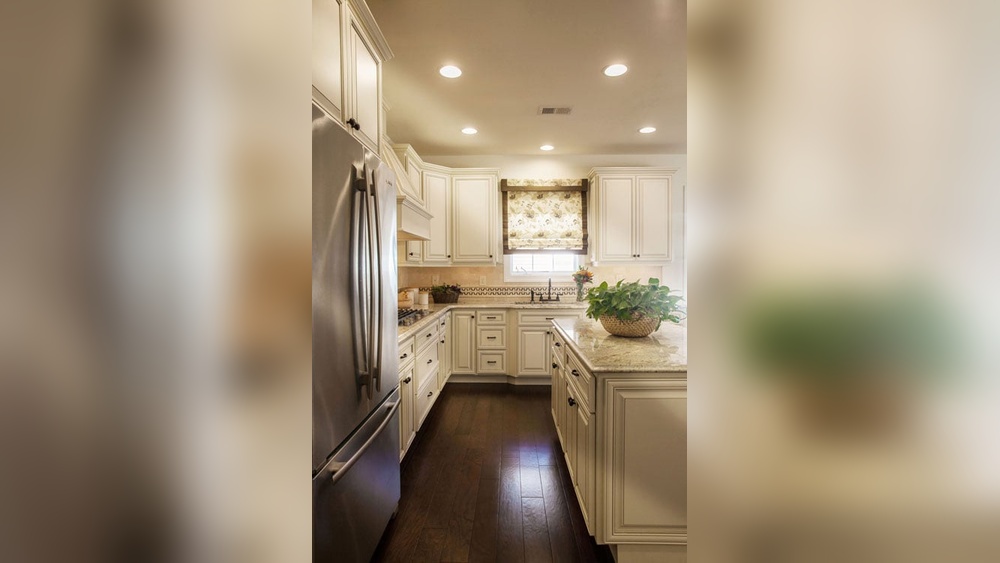
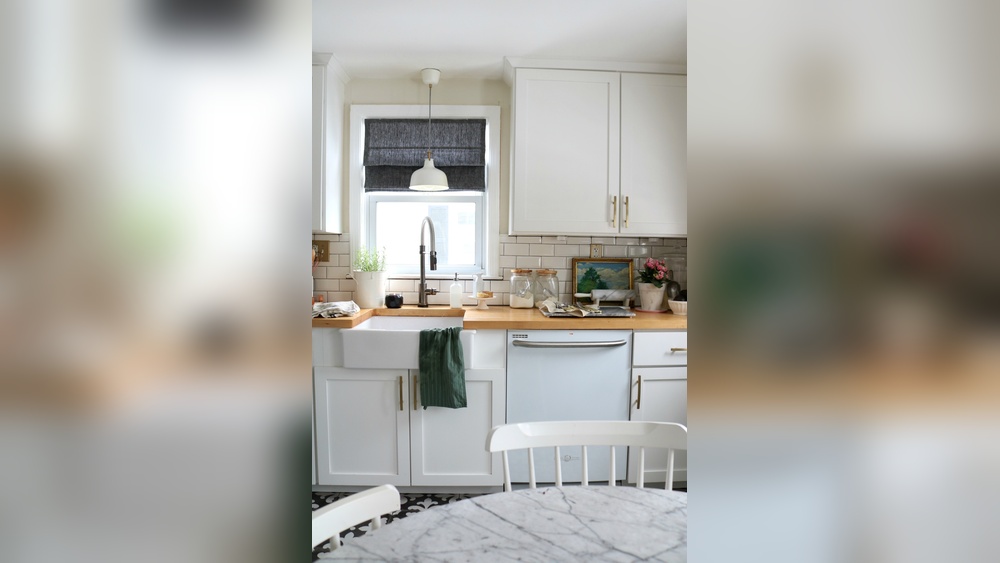
Choosing new cabinet hardware might seem like a small detail, but it can completely change the look and feel of your space. You want your cabinets to not only function well but also reflect your style.
But with so many options out there, how do you pick the perfect handles or knobs? You’ll discover simple tips that make the decision easy and enjoyable. By the end, you’ll feel confident selecting hardware that fits your taste and transforms your cabinets effortlessly.
Keep reading—your dream kitchen or bathroom makeover starts here.
Types Of Cabinet Hardware
Choosing the right cabinet hardware is key to updating your kitchen or bathroom look. Hardware not only adds style but also improves function. There are many types of cabinet hardware to consider. Each type has its own look and feel. Knowing the differences helps you pick the best one for your space.
Below are common types of cabinet hardware. They vary in shape, size, and how you use them. This guide will help you understand the options.
Knobs Vs. Pulls
Knobs are small and round or square. You grab them with one finger or your whole hand. They are easy to install and fit most cabinet styles. Pulls are longer and need two hands to use. They provide better grip and work well on large drawers. Knobs offer a simple look, while pulls add more presence.
Handles And Bar Pulls
Handles and bar pulls are straight and sleek. They often have a modern style. Handles can be thin or thick, depending on design. Bar pulls give a clean, linear look. These types are great for contemporary kitchens. They are easy to clean and very sturdy.
Cup Pulls And Bail Handles
Cup pulls have a half-moon shape. You insert your fingers under the cup to pull open drawers. They add a vintage or rustic touch. Bail handles have a handle that swings on two posts. They are common in traditional or farmhouse styles. Both types add character and charm to cabinets.
Materials And Finishes
Choosing the right materials and finishes for cabinet hardware shapes the look and feel of your space. Each material offers a unique style and durability level. It also affects how easy the hardware is to clean and maintain. Think about the room’s style and how often you use the cabinets. This helps pick hardware that fits well and lasts long.
Metal Options
Metal is the most popular choice for cabinet hardware. It offers strength and a sleek look. Common metals include stainless steel, brass, and nickel. Stainless steel resists rust and fits modern kitchens. Brass adds warmth and a classic touch. Nickel provides a soft shine and works in many styles. Metal hardware often comes in different finishes like matte, polished, or brushed.
Ceramic And Glass
Ceramic and glass knobs bring color and charm to cabinets. Ceramic pieces often feature hand-painted designs. They suit vintage or cottage-style kitchens. Glass knobs add elegance and reflect light beautifully. Both materials need gentle care to avoid chips or cracks. They work well on cabinets used less often or in decorative spaces.
Wood And Mixed Materials
Wood hardware gives a natural, warm feel to cabinets. It blends well with rustic or farmhouse decor. Wood pieces can be carved or smooth. Mixed materials combine wood with metal or ceramic. These blends offer unique, eye-catching details. Choose wood hardware sealed with a finish for protection. Mixed materials add texture and interest to plain cabinet doors.
Size And Scale Matters
Choosing the right size and scale of cabinet hardware is key to a balanced look. Hardware that is too large can overwhelm small cabinets. Too small hardware can look lost on big doors. The right fit improves both function and style. It helps the cabinets feel complete and well-designed.
Measuring For Fit
Start by measuring the cabinet doors and drawers. Note their width and height. Check the space where hardware will go. Measure the distance between holes if replacing old hardware. This helps avoid drilling new holes. Use a tape measure for accuracy. The hardware size should match these measurements. Avoid hardware that sticks out too far or feels too small to hold.
Proportions With Cabinet Size
Large cabinets need larger knobs or pulls. Small cabinets look better with smaller pieces. Keep hardware proportional to door size. For wide drawers, longer pulls work well. Small doors do best with small knobs. Balance helps cabinets look neat and stylish. This also makes opening doors easier. Proper scale keeps your kitchen or bathroom looking polished.
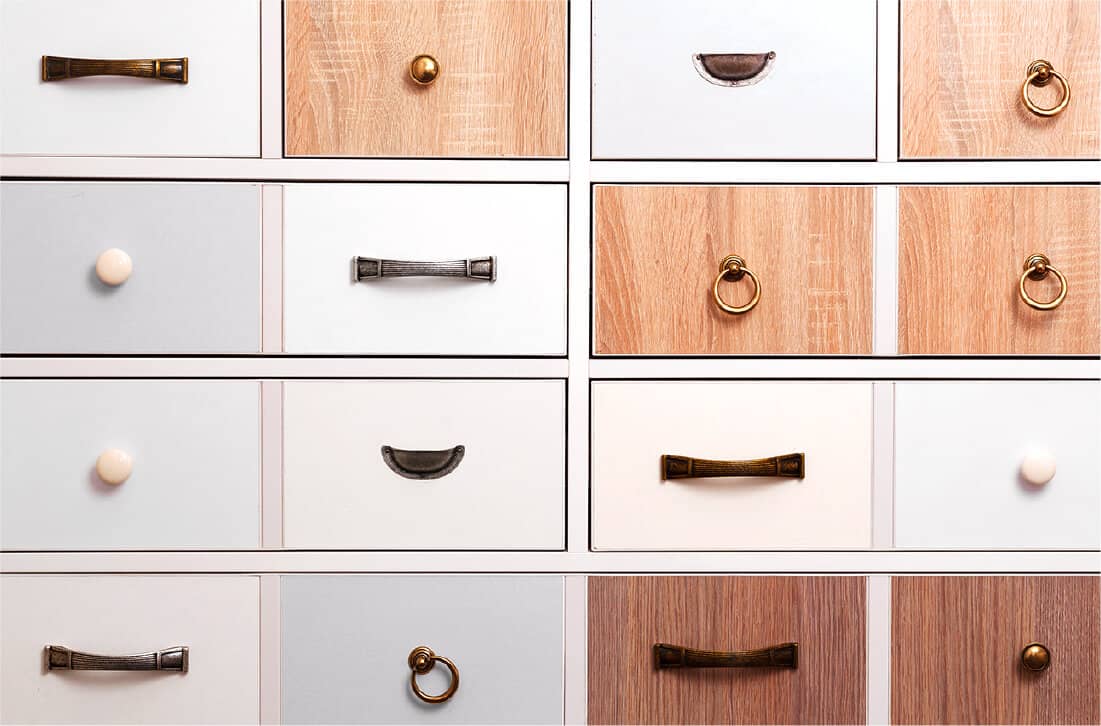
Credit: kitchencabinetkings.com
Style Matching Tips
Choosing new cabinet hardware shapes the entire look of your kitchen or bathroom. Matching the style of your hardware with your cabinets creates harmony in the space. Hardware should blend well with the room’s overall design and feel. Here are style matching tips for different design themes.
Modern And Minimalist
Opt for sleek, simple hardware with clean lines. Matte black, brushed nickel, or chrome finishes work best. Choose handles with geometric shapes like bars or flat pulls. Avoid ornate or detailed designs that clash with minimalism. Keep hardware sizes uniform for a balanced look.
Traditional And Classic
Go for elegant and timeless hardware styles. Bronze, brass, or antique gold finishes fit well here. Look for knobs and handles with curved or decorative details. Classic shapes such as round knobs or cup pulls add charm. Hardware with a soft sheen enhances a warm, inviting feel.
Rustic And Vintage
Pick hardware that feels aged and natural. Oil-rubbed bronze, black iron, or distressed finishes suit rustic themes. Choose handles with rugged textures or vintage-inspired designs. Simple, sturdy shapes like bin pulls or farmhouse-style knobs work well. This hardware adds character and warmth to rustic spaces.
Installation Basics
Installing new cabinet hardware can change the look of your kitchen or bathroom quickly. Understanding the basics of installation helps avoid mistakes and saves time. This section covers the tools needed, step-by-step installation, and the difference between replacing hardware and drilling new holes.
Tools Needed
Gather all tools before starting. You will need a screwdriver, drill, tape measure, and pencil. A level helps keep handles straight. A drill bit matching your screws is important. Having these ready makes the process smooth.
Step-by-step Installation
First, remove old hardware carefully. Use a screwdriver to unscrew knobs or pulls. Next, clean the surface to remove dust or grease. Mark new hole positions with a pencil. Drill holes if needed, then attach the new hardware with screws. Check alignment and tighten screws firmly.
Replacing Vs. New Drilling
Replacing hardware with the same size holes is easier. You only need to unscrew and screw in the new piece. New drilling is needed when the new hardware size or style differs. Measure carefully to avoid mistakes. Drill slowly to prevent damage. Filling old holes may be necessary for a clean finish.
Budgeting For Hardware
Setting a budget for new cabinet hardware helps manage costs and expectations. It guides choices and keeps the project on track. Budgeting also ensures you get the best value without overspending.
Cost Ranges
Cabinet hardware prices vary widely. Basic knobs and pulls may cost as little as $1 to $5 each. Mid-range options often range from $6 to $15 each. High-end hardware can cost $20 or more per piece. Prices depend on material, design, and brand.
Balancing Quality And Price
Choosing hardware means finding a balance between cost and durability. Cheap hardware might wear out quickly or look less attractive. More expensive options usually offer better materials and finishes. Aim for hardware that feels sturdy and matches your style within your budget.
Maintenance And Durability
Choosing cabinet hardware is not only about style. Maintenance and durability play a big role. Hardware should last long and stay easy to clean. This saves time and money over the years. Good maintenance keeps the hardware looking new. Durable materials resist scratches and rust. Think about how often you will touch and clean them. The right choice makes your kitchen or bathroom better every day.
Cleaning Tips
Use a soft cloth for daily cleaning. Avoid harsh chemicals that can damage finishes. Warm water with mild soap works well. Dry hardware after cleaning to stop water spots. Polish metal parts with a gentle cleaner. Clean regularly to prevent dirt buildup. Small effort keeps hardware shiny and fresh.
Preventing Wear And Tear
Choose hardware made from strong materials like stainless steel or brass. These resist rust and scratches better. Tighten loose screws to avoid damage. Avoid using sharp tools on handles or knobs. Use cabinet hardware gently to extend life. Protect hardware from moisture in kitchens and bathrooms. Simple care stops early wear and keeps hardware sturdy.
Credit: schoolhouse.com
Trends To Watch
Choosing new cabinet hardware can change the whole look of your kitchen or bathroom. Trends in 2024 bring fresh ideas that blend style and function. Paying attention to these trends helps you pick hardware that feels modern and fits your space well.
Explore popular styles and new materials to find pieces that stand out. This guide highlights what is hot in cabinet hardware this year.
Popular Styles In 2024
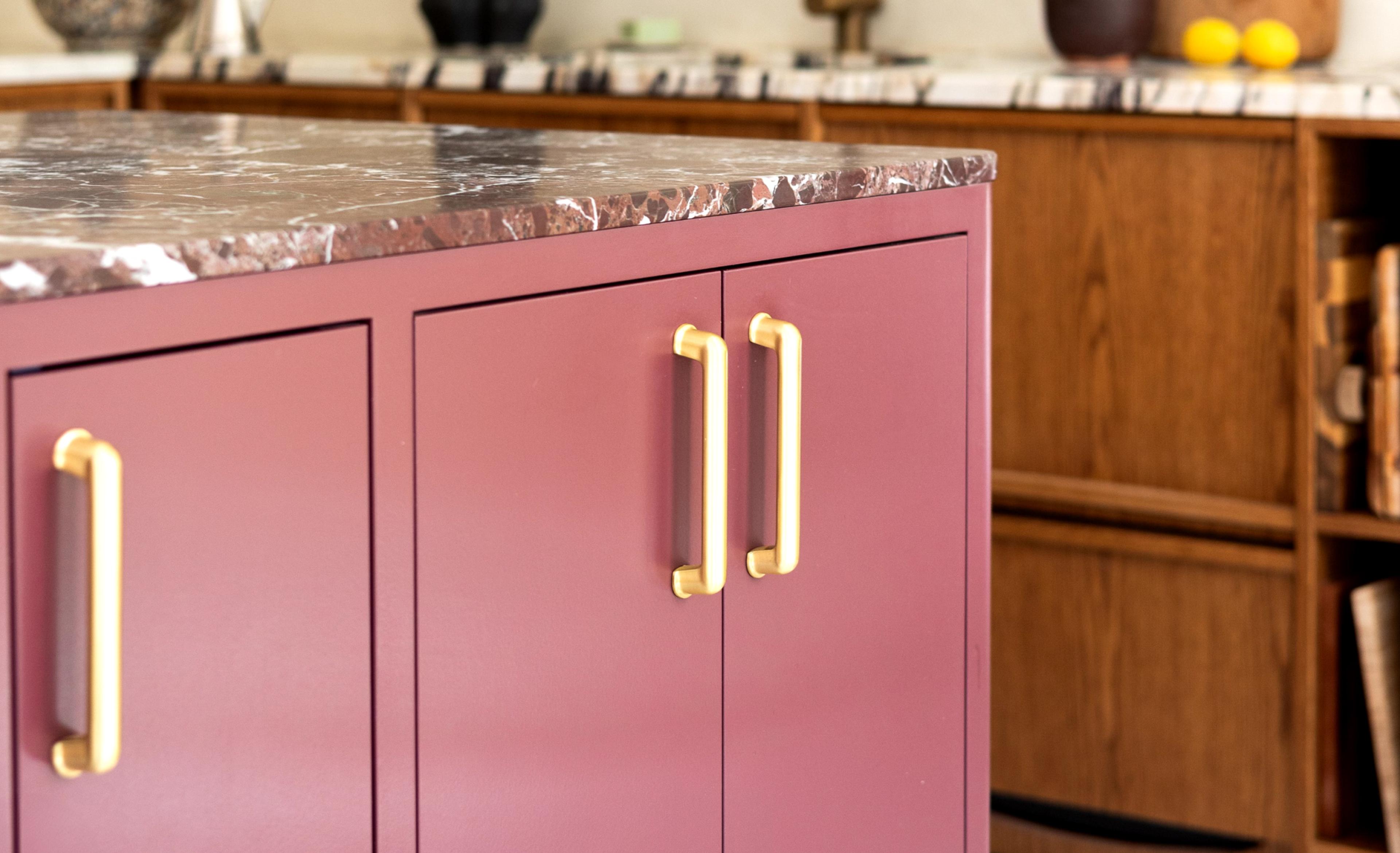
Minimalist designs remain a favorite. Clean lines and simple shapes create a neat look. Matte black finishes continue to be popular for their bold yet sleek appearance. Brass and gold tones are making a comeback, adding warmth and elegance.
Vintage-inspired handles with a modern twist also attract attention. These styles mix old charm with today’s trends. Round knobs and slim pulls offer easy grip and a subtle style. Mixing different hardware styles in one room adds a unique touch.
Innovative Materials And Designs
Natural materials like wood and stone are becoming common in cabinet hardware. They bring a soft, earthy feel to the room. Metals with brushed or hammered textures add depth and interest. These finishes hide fingerprints and wear better than shiny ones.
Smart designs focus on comfort and ease of use. Ergonomic shapes help reduce hand strain. Some hardware now includes hidden screws for a cleaner look. New coatings protect hardware from rust and scratches, making them last longer.

Credit: capitolgranite.net
Frequently Asked Questions
What Types Of Cabinet Hardware Are Most Popular?
Popular cabinet hardware includes knobs, pulls, and handles. Knobs are simple and budget-friendly. Pulls offer easy grip and style variety. Handles provide a modern, sleek look. Choose hardware that fits your kitchen’s style and functionality needs.
How Do I Measure For New Cabinet Hardware?
Measure the distance between screw holes on your current hardware. This is called the “center-to-center” measurement. It ensures new hardware fits existing holes. If installing new holes, plan placement for comfort and aesthetics. Accurate measuring prevents unnecessary drilling and damage.
What Materials Are Best For Cabinet Hardware?
Common materials include stainless steel, brass, and zinc alloy. Stainless steel is durable and rust-resistant. Brass offers a classic, warm look. Zinc alloy is affordable and versatile. Choose materials based on style, durability, and maintenance preferences.
How Can Cabinet Hardware Impact Kitchen Design?
Hardware acts as a focal point and complements cabinetry style. It can modernize or add vintage charm to your space. The finish and design affect the room’s overall aesthetic. Thoughtful hardware selection enhances both function and visual appeal.
Conclusion
Choosing new cabinet hardware can change your kitchen’s look fast. Pick styles and finishes that match your space well. Think about how the handles feel and work every day. Size matters, so measure your cabinets before buying. Small details make a big difference in your room’s style.
Take your time and enjoy the process. Your perfect cabinet hardware is out there. Just find the right fit for your home.