Have you ever stopped to think about what holds everything around you together? From the shoes you wear to the furniture you use, fasteners play a silent but powerful role.
But what exactly are these tiny heroes made of? Understanding the materials behind fasteners can help you choose the right ones for your projects, making your work stronger and more reliable. Keep reading, and you’ll discover the secrets behind these everyday essentials—knowledge that could change the way you build, fix, and create.
Common Metals In Fasteners
Fasteners are essential in every construction and manufacturing project. The choice of metal affects strength, durability, and resistance to rust. Common metals offer various benefits and suit different needs. Understanding these metals helps in selecting the right fastener.
Steel Varieties
Steel is the most common metal for fasteners. It offers high strength and good durability. Carbon steel is popular due to its hardness and affordability. Alloy steel contains other elements for added toughness. Steel fasteners can be coated to resist rust and corrosion.
Stainless Steel Benefits
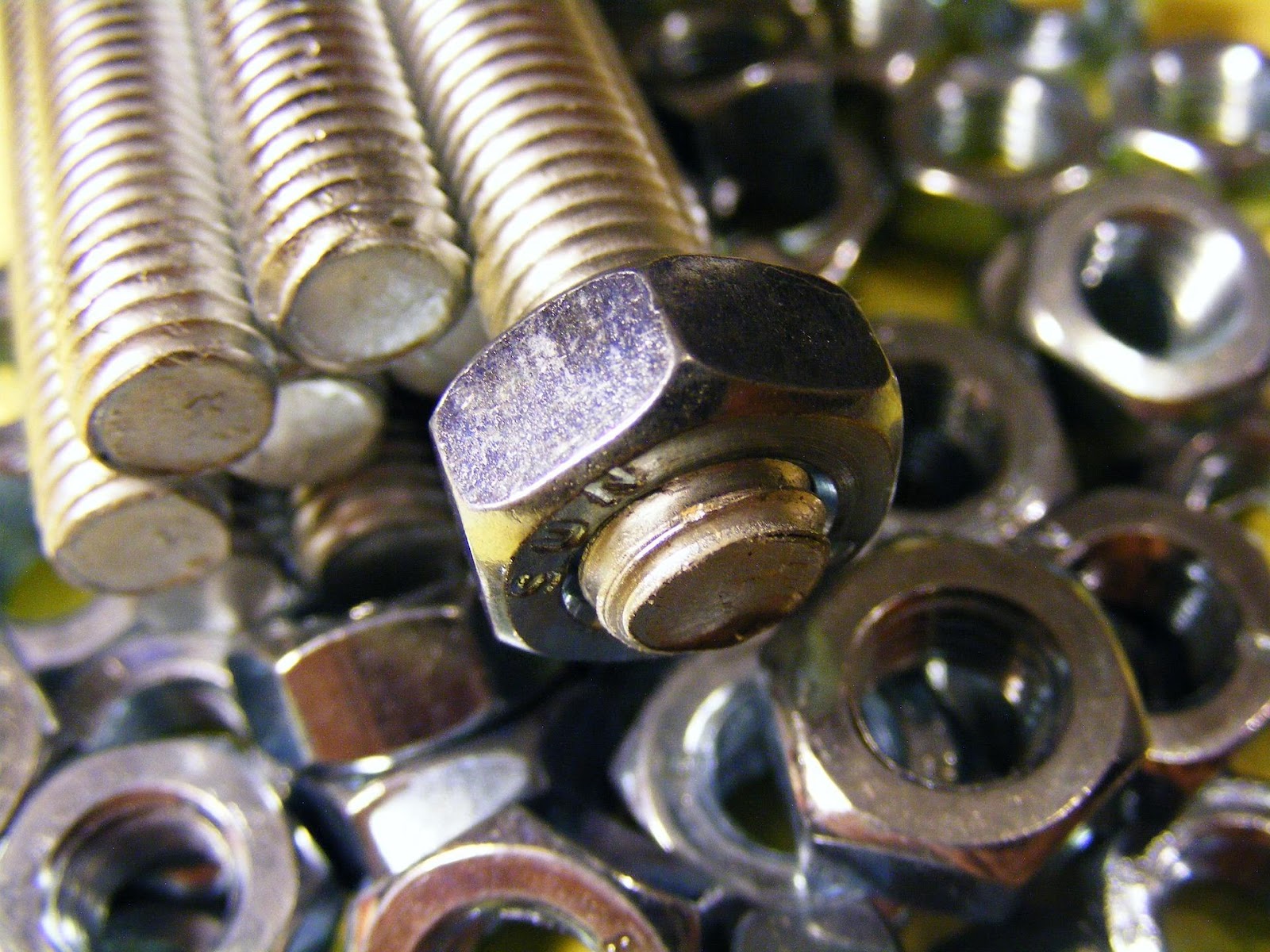
Stainless steel fasteners resist rust and corrosion naturally. They contain chromium, which forms a protective layer. These fasteners work well in moist or outdoor environments. They last longer and require less maintenance. Stainless steel also looks clean and shiny.
Aluminum Fasteners
Aluminum is lightweight and resists corrosion well. It is softer than steel but easier to work with. Aluminum fasteners suit applications where weight matters. They do not rust and provide good electrical conductivity. These fasteners are common in electronics and airplanes.
Brass And Copper Uses
Brass and copper fasteners resist corrosion and conduct electricity. Brass is strong and has a nice gold color. Copper fasteners are softer but very good for electrical parts. Both metals are used in plumbing, electrical, and decorative projects. They add both function and style.
Credit: bhansalitechno.com
Non-metallic Materials
Fasteners made from non-metallic materials offer unique benefits. They resist corrosion and reduce weight. These materials fit well in electronics, automotive, and household items. Non-metallic fasteners often provide good insulation and flexibility. Let’s explore common types used in different applications.
Plastic Fasteners
Plastic fasteners are light and easy to produce. They resist water and many chemicals. These fasteners do not conduct electricity. They are used in toys, appliances, and electronics. Plastic fasteners can be molded into many shapes. Their cost is usually lower than metal fasteners.
Nylon And Its Advantages
Nylon is a popular material for fasteners. It is strong and has good flexibility. Nylon fasteners resist heat and many chemicals. They reduce the chance of rusting or corrosion. These fasteners are quiet and absorb vibrations well. Nylon fasteners often work well in outdoor settings.
Composite Materials
Composite fasteners combine different materials for better strength. They often mix plastic with fibers like glass or carbon. These fasteners are stronger than pure plastic ones. They resist high temperatures and harsh chemicals. Composite fasteners are used in aerospace and sports gear. They offer a balance of lightness and toughness.
Coatings And Finishes
Fasteners need protection from rust and wear. Coatings and finishes improve their strength and lifespan. They also make fasteners look better. Different coatings suit different uses and environments.
Zinc Plating
Zinc plating is a common coating for fasteners. It protects metal from rust by creating a barrier. The zinc layer stops moisture from reaching the metal. It also offers some corrosion resistance. Zinc plating is cost-effective and easy to apply. It works well for indoor and mild outdoor uses.
Black Oxide
Black oxide gives fasteners a dark, matte finish. It does not add much thickness but helps prevent rust. This finish reduces light reflection and improves appearance. Black oxide also increases lubricity, making screws easier to install. It is popular for tools and small fasteners used indoors.
Chrome And Nickel
Chrome and nickel coatings give fasteners a shiny, smooth surface. They resist corrosion and wear very well. These finishes are common in decorative and automotive fasteners. Chrome offers a harder surface, while nickel adds a warm tone. Both coatings protect fasteners in harsh environments.
Credit: wilsongarner.com
Material Selection Factors
Choosing the right material for fasteners is crucial. The material affects how strong, durable, and cost-effective the fastener will be. Different projects need different materials based on several important factors.
Strength Requirements
Fasteners must handle the forces in their application. High strength materials like steel are common for heavy loads. For lighter tasks, materials like aluminum may be enough. The material should not break or deform easily.
Corrosion Resistance
Fasteners face moisture, chemicals, and air. Corrosion can weaken them over time. Stainless steel and coated metals resist rust well. Choosing materials that resist corrosion extends fastener life.
Cost Considerations
Material cost affects the project budget. Steel is affordable and strong. Exotic metals like titanium cost more but last longer. Balancing cost and performance is key.
Application Environment
Fasteners must suit their environment. Outdoor use needs weather-resistant materials. High temperature areas require heat-resistant metals. Understanding where the fastener will be used guides material choice.
Specialty Fastener Materials
Specialty fastener materials offer unique benefits for tough jobs. These fasteners serve well in harsh environments. They resist heat, corrosion, and wear better than common metals. Choosing the right material can improve strength and durability. Here are some popular specialty materials used in fasteners.
Titanium Fasteners
Titanium fasteners are strong and very light. They resist corrosion from water and chemicals. These fasteners work well in aerospace and medical fields. Titanium does not rust like steel. It keeps parts secure even in salty air. Its cost is higher but worth it for tough uses.
Inconel And Exotic Alloys
Inconel fasteners handle extreme heat and pressure. They are made from nickel-chromium alloys. These fasteners fit well in engines and power plants. Exotic alloys include materials like Hastelloy and Monel. They resist corrosion, acids, and high temperatures. These fasteners last long in hard conditions.
Ceramic Options
Ceramic fasteners resist heat and do not conduct electricity. They are very hard and lightweight. These fasteners are useful in electronics and aerospace. Ceramics do not corrode or wear easily. They break less under stress but can be brittle. Ceramic fasteners serve well where metal fasteners fail.
Credit: www.fastenere.com
Frequently Asked Questions
What Materials Are Commonly Used For Fasteners?
Fasteners are often made from steel, stainless steel, brass, aluminum, and plastic. These materials provide strength, corrosion resistance, and durability. Steel is the most common due to its high strength. Stainless steel offers excellent corrosion resistance, ideal for outdoor use.
Plastic fasteners suit lightweight applications.
Why Is Stainless Steel Popular For Fasteners?
Stainless steel fasteners resist rust and corrosion, making them ideal for harsh environments. They maintain strength and appearance over time. Their durability suits construction, automotive, and marine industries. Stainless steel fasteners also require less maintenance compared to other metals.
Are Plastic Fasteners Strong Enough For Heavy Use?
Plastic fasteners are lightweight and corrosion-resistant but generally less strong than metal ones. They are suitable for light-duty applications and electronics. For heavy loads or structural use, metal fasteners are recommended. Plastic fasteners excel where electrical insulation or chemical resistance is needed.
How Do Brass Fasteners Differ From Steel Ones?
Brass fasteners offer excellent corrosion resistance and electrical conductivity. They are softer and less strong than steel fasteners. Brass is ideal for decorative or electrical applications where corrosion is a concern. Steel fasteners are preferred for strength and load-bearing uses.
Conclusion
Fasteners come in many materials, each with unique strengths. Steel offers durability and strength for heavy tasks. Aluminum is light and resists rust well. Plastic fasteners suit lightweight and non-metal uses. Choosing the right material helps your project last longer.
Think about where and how you will use them. Strong, rust-proof fasteners keep things safe and tight. Understanding materials makes your work easier and better. Simple choices lead to strong, reliable results every time.