Have you ever wondered what powers the fasteners in powder actuated tools? These tools can drive nails and studs deep into tough materials like concrete and steel with surprising ease.
But how exactly does this happen? Understanding the propulsion behind these fasteners will not only satisfy your curiosity but also help you use these tools more effectively and safely. You’ll discover the science of the controlled explosion that sends fasteners flying, the difference between high-velocity and low-velocity tools, and why this technology is a game-changer in construction and industrial work.
Ready to unlock the secret behind these powerful tools? Let’s dive in!
Powder Actuated Tools Basics
Powder actuated tools use a small explosive charge to drive fasteners. This charge creates a force that pushes nails or studs into hard materials like concrete or steel. These tools work like a firearm but are designed for construction use. The power comes from a controlled explosion inside the tool.
Safety is important when using these tools. Proper training and protective gear reduce risk. The tools make fastening quicker and more secure on tough surfaces. Their design allows for strong, lasting attachments without drilling or welding.
Types Of Powder Actuated Tools
There are two main types: high-velocity and low-velocity. High-velocity tools use the explosive charge directly on the fastener. This method drives the fastener quickly and deeply. Low-velocity tools use the explosion to push a piston. The piston then drives the fastener more gently. Low-velocity tools offer more control and reduce the chance of fastener damage.
Common Applications
Powder actuated tools attach materials to steel and concrete. They are common in construction for securing wood, metal, and insulation. These tools fasten electrical boxes, framing, and drywall tracks. They help in projects where drilling or welding is difficult or slow. Their speed and strength make them valuable on job sites.

Credit: en.wikipedia.org
Fastener Propulsion Mechanics
Powder actuated tools use a unique system to drive fasteners into hard materials. This system relies on controlled energy release to push nails or studs firmly into steel, concrete, or masonry. Understanding how these tools work helps explain their power and precision.
The fastener propulsion process involves converting chemical energy into mechanical force. The tool’s design ensures the force is focused and controlled. This guarantees safe and effective fastening every time.
Chemical Propellant Role
The chemical propellant is a small, explosive charge inside the tool. When triggered, it ignites and creates a burst of gas. This gas expands quickly, generating high pressure within the tool’s chamber. The pressure pushes the fastener forward with great speed and force.
The propellant’s power depends on its size and composition. Different charges suit various fastening needs. The right charge ensures the fastener penetrates the material without damage or excessive force.
Controlled Explosion Process
The tool contains a chamber where the propellant ignites safely. The explosion is brief and controlled, producing rapid gas expansion. This sudden pressure moves the fastener down the barrel toward the target surface.
Some tools use a piston between the gas and fastener. The gas pushes the piston, which then drives the fastener. This method reduces recoil and improves control. It also helps apply consistent force for reliable fastening.
High-velocity Vs Low-velocity Systems
Powder actuated tools use controlled explosions to drive fasteners into hard materials. These tools come in two main types: high-velocity and low-velocity systems. Each system uses a different method to propel the fastener. Understanding these differences helps choose the right tool for the job. Both systems rely on a chemical propellant charge but deliver force differently.
Direct Propellant Impact
High-velocity systems work like a gun. The propellant ignites and creates gas pressure. This pressure pushes the fastener directly forward at high speed. The fastener leaves the tool with great force. This method suits very hard materials like steel and concrete. It provides strong, deep fastening quickly. The impact is immediate and powerful, which means fasteners can penetrate tough surfaces with ease.
Piston-driven Fastening
Low-velocity systems use a piston inside the tool. The propellant gas pushes the piston forward. The piston then drives the fastener into the material. This system controls the force better and reduces recoil. It is safer for lighter materials or where precision is needed. The piston spreads the energy over a longer time. This means the fastener moves slower but with steady power. Low-velocity tools are ideal for jobs needing careful control or less force.

Credit: en.wikipedia.org
Components Of Powder Charges
Powder charges play a key role in driving fasteners with powder actuated tools. These charges contain special components that create the force needed to propel fasteners. Understanding these components helps explain how the tool works and its power level.
The main parts of a powder charge include the propellant powder and the casing. The propellant powder ignites and produces gas rapidly. This gas pressure pushes the fastener into tough materials like concrete or steel.
Types Of Propellant Powders
Propellant powders are made to burn quickly and create high pressure. Common types include nitrocellulose and smokeless powders. Nitrocellulose burns cleanly and efficiently, producing strong gas expansion. Smokeless powders reduce residue buildup in the tool, improving maintenance. The choice of powder affects the power and speed of the fastener’s movement.
Charge Strength Variations
Powder charges come in different strengths to suit various tasks. Weak charges are for light materials and thin substrates. Stronger charges handle dense materials like steel or thick concrete. Tools often use color-coded charges to show strength levels. Users select the right strength to ensure fasteners are driven properly without damage.
Safety Mechanisms And Standards
Safety is crucial when using powder actuated tools. These tools use controlled explosions to drive fasteners into hard materials. Proper safety mechanisms reduce accidents and protect users. Standards set clear rules for safe operation and design. Understanding these safety features and regulations helps ensure safe tool use.
Built-in Safety Features
Powder actuated tools include several safety features. A common feature is the trigger lock. It stops the tool from firing unless pressed against a hard surface. This prevents accidental discharge in the air. Many tools have a safety block that only allows firing at the correct angle. Some models include a two-step trigger for extra safety. These features work together to reduce risks during use.
Osha Regulations
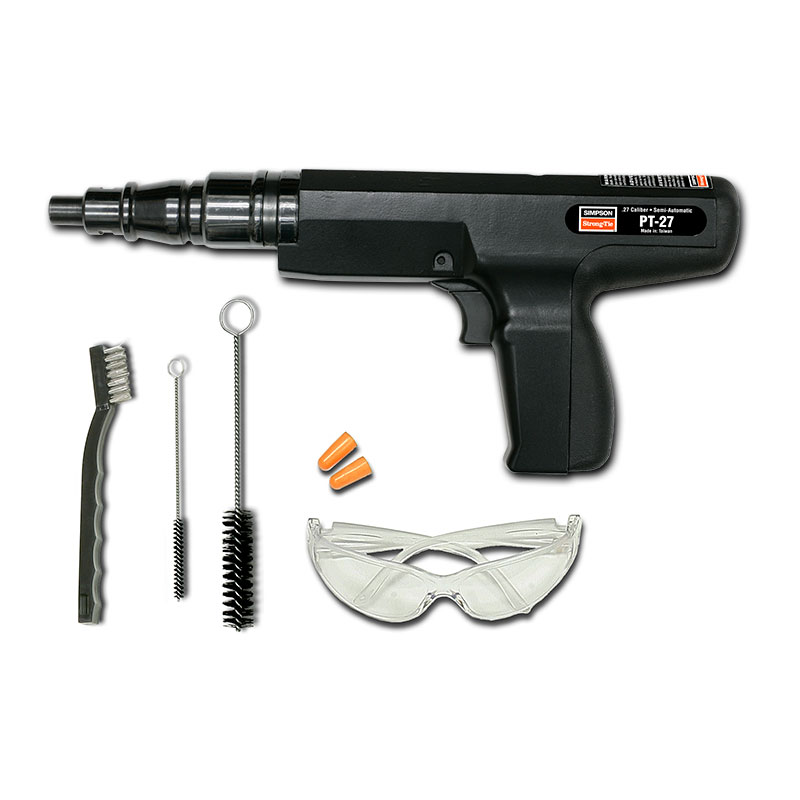
The Occupational Safety and Health Administration (OSHA) sets rules for powder actuated tool use. OSHA requires special training for users. This training covers tool operation and safety precautions. Employers must provide personal protective equipment like eye and ear protection. OSHA also demands regular inspections and maintenance of the tools. Following these rules helps prevent injuries and ensures workplace safety.
Credit: strongtie.com.au
Material Interaction And Fastening
Powder actuated tools drive fasteners by using controlled explosive force. This force pushes the fastener into hard materials like concrete or steel. Understanding how materials react to this force helps explain how fasteners stay secure.
The interaction between the fastener and the material determines the strength and durability of the fastening. Different materials require different fastener types and driving techniques. The tool’s power must match the material hardness to avoid damage or weak holding.
Concrete And Steel Penetration
Concrete and steel require strong impact to hold fasteners firmly. Powder actuated tools create a rapid explosion that propels the fastener at high speed. This force allows the fastener to penetrate dense materials effectively.
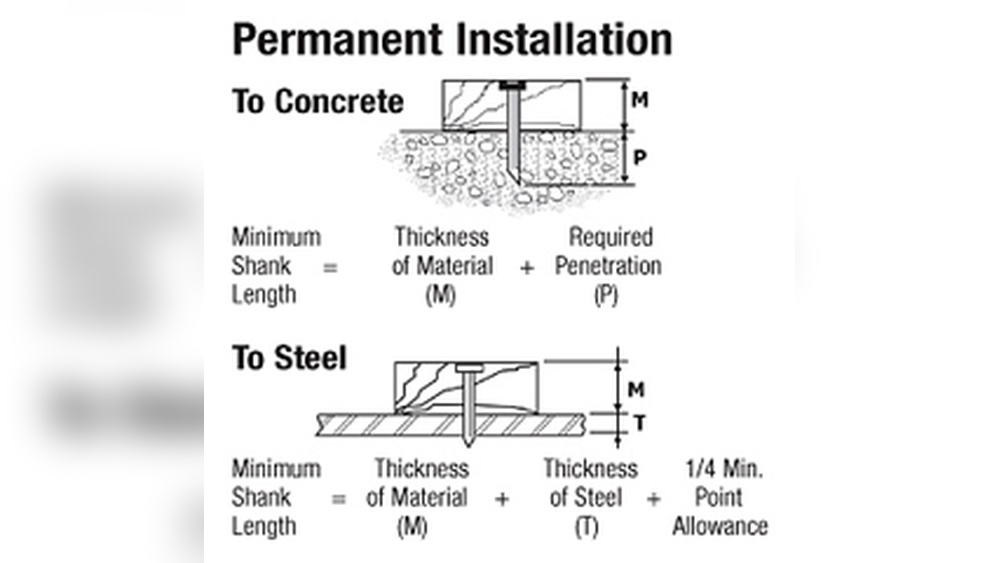
In concrete, the fastener must break through the surface and anchor deep inside. For steel, the fastener must pierce the metal without bending or breaking. The tool’s charge is adjusted based on material hardness to ensure proper penetration.
Fastener Types And Uses
Fasteners come in many shapes and sizes to fit different tasks. Nails, studs, and pins are common types used with powder actuated tools. Each type is designed for specific materials and holding needs.
Nails are often used for light to medium duty fastening in concrete or steel. Studs provide stronger holds for heavier loads. Pins are useful for attaching thin materials to solid bases. Choosing the right fastener improves safety and performance.
Maintenance And Handling Tips
Proper maintenance and careful handling of powder actuated tools enhance their performance and safety. These tools rely on controlled explosions to drive fasteners, so regular care is vital. Neglect can cause malfunctions or accidents. Follow simple tips to keep your tool reliable and efficient.
Tool Care Practices
Clean the tool after each use to remove debris and powder residue. Use a brush and recommended cleaning solvents. Check moving parts for wear or damage regularly. Lubricate the tool as instructed in the manual to ensure smooth operation. Replace worn or damaged parts immediately. Avoid using excessive force during assembly or disassembly. Inspect the firing pin and barrel for signs of corrosion or cracks. Proper cleaning and inspection prevent misfires and extend tool life.
Safe Storage Of Charges
Store powder charges in a cool, dry place away from heat sources. Keep them in original packaging or approved containers to avoid moisture exposure. Ensure storage areas are well-ventilated and secure from unauthorized access. Do not store charges near flammable materials or electrical equipment. Follow local regulations for storing explosive materials. Regularly check the condition of stored charges and discard expired or damaged ones safely. Proper storage reduces risks of accidental ignition or deterioration.
Frequently Asked Questions
What Is A Powder-actuated Fastening System?
A powder-actuated fastening system uses a controlled explosion to drive fasteners into hard materials like concrete or steel.
What Are Fasteners Used In Power Actuated Tools Called?
Fasteners used in power actuated tools are called power actuated fasteners (PAFs). They securely attach materials to concrete or steel.
How Are Powder-actuated Tools Able To Drive Fasteners Into Concrete?
Powder-actuated tools use a controlled explosive charge to rapidly drive fasteners into concrete. The explosion propels the fastener with high force, ensuring deep penetration into hard materials. This method enables quick, secure fastening without pre-drilling.
Which Of The Following Types Of Tools Drive Nails Into Hard Surfaces Using A Chemical Propellant Charge?
Powder-actuated tools drive nails into hard surfaces using a small chemical propellant charge. They deliver fast, strong fastening into steel, concrete, or masonry.
Conclusion
Powder actuated tools use a small explosive charge to drive fasteners. This charge creates high pressure, pushing nails or studs into hard materials like concrete or steel. Some tools use the explosion directly on the fastener. Others use a piston to transfer force safely.
Both methods work quickly and effectively. Understanding this process helps in using these tools safely. Proper use ensures strong and lasting fastenings in construction projects.