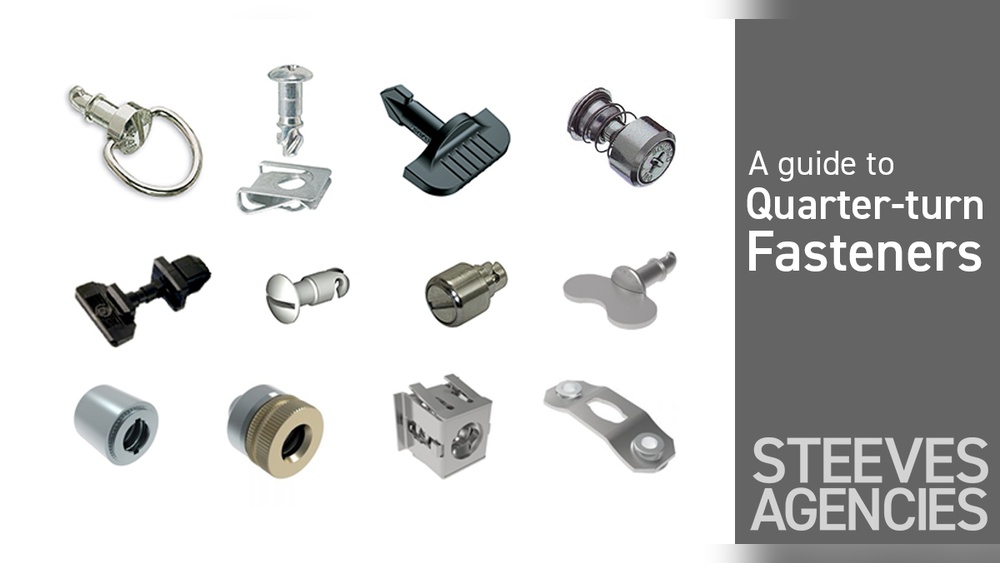
Have you ever wondered how something as simple as a quick twist can hold parts firmly together—and then release them just as easily? That’s exactly what quarter turn fasteners do.
These clever little devices use a simple 90-degree turn to lock and unlock components swiftly and securely. Whether you’re working on a car, an aircraft panel, or a piece of equipment, understanding how quarter turn fasteners work can save you time and hassle.
You’ll discover the secrets behind their design, why they’re so reliable, and how you can use them to make your projects easier. Ready to unlock the mystery of quarter turn fasteners? Let’s dive in.
Credit: dragracesolutions.com
Quarter Turn Fastener Basics
Quarter turn fasteners are simple devices used to hold panels or parts together. They secure items quickly with a small twist. This fast action makes them popular in many industries.
Understanding how these fasteners work starts with knowing their basic parts. Each component plays a key role in the locking and unlocking process.
Key Components
Quarter turn fasteners have three main parts: the stud, the receptacle, and the retainer. The stud is the part that turns and locks into place. The receptacle holds the stud securely. The retainer keeps everything aligned and tight.
These parts work together to create a strong, reliable hold. Their design allows quick assembly and disassembly without tools.
Locking Mechanism
The locking system depends on a simple quarter turn motion. Turning the stud 90 degrees locks it into the receptacle. This action pulls the parts tightly together.
To release, turn the stud back the same 90 degrees. This unlocks the fastener and allows separation. The mechanism is easy to use and prevents accidental loosening.

Credit: www.hfsindustrial.com
How They Lock And Unlock
Quarter turn fasteners lock and unlock using a simple yet effective mechanism. They rely on a precise interaction between two main parts. This interaction ensures the fastener holds components tightly together. A quick quarter turn is all it takes to secure or release the fastener. The process is fast, easy, and reliable, making these fasteners popular in many industries.
Stud And Receptacle Interaction
The stud and receptacle are the key components in quarter turn fasteners. The stud is inserted into the receptacle, fitting perfectly inside. Inside the receptacle, there are cam surfaces or grooves designed to match the stud. When the stud slides in, these surfaces align to allow locking. The stud’s shape fits into the receptacle’s locking features. This precise fit prevents movement once locked. The stronger the fit, the more secure the fastener holds.
Quarter Turn Motion
Locking and unlocking happen by turning the stud just 90 degrees. This quarter turn rotates the stud’s cams into the locking grooves. This rotation pulls the stud tightly into the receptacle. The fastener clamps parts together firmly without tools. Turning the stud the opposite way releases the pressure. The stud then slides out easily. This simple motion saves time and effort in assembly or maintenance.
Types And Variations
The installation process of quarter turn fasteners is simple and quick. These fasteners use a unique locking mechanism that secures panels and components firmly. Proper installation ensures they work smoothly and last long.
Tools Needed
- Screwdriver (flathead or Phillips)
- Drill with drill bits
- Measuring tape or ruler
- Marker or pencil
- Wrench or pliers (optional)
- Safety goggles
Step-by-step Guide
- Measure and mark the locations where the fasteners will go.
- Drill holes at the marked points, matching the fastener size.
- Insert the receptacle or socket part of the fastener into the hole.
- Secure the receptacle with screws using the screwdriver.
- Place the stud part of the fastener onto the panel or component.
- Align the stud with the receptacle and push it in.
- Turn the stud a quarter turn clockwise to lock it in place.
- Check the fastener for a secure fit and smooth operation.
- Repeat the process for all fasteners needed.
Installation Process
Quarter turn fasteners offer unique advantages over traditional fasteners. Their design allows for quick and reliable connections. These benefits make them suitable for many industries and applications.
Speed Of Operation
Quarter turn fasteners lock or unlock with just a 90-degree turn. This simple action saves time during assembly and disassembly. Users avoid the hassle of multiple rotations or tools. The fast operation increases efficiency in repetitive tasks. It also reduces labor costs by speeding up processes.
Secure Fixing
These fasteners provide a strong hold with minimal effort. Their locking mechanism ensures parts stay firmly in place. They resist loosening from vibrations or movement. This secure fixing improves safety and reliability. Maintenance is easier because the fasteners do not need frequent retightening.

Credit: www.hfsindustrial.com
Frequently Asked Questions
How To Use Quarter Turn Fasteners?
Insert the stud into the receptacle. Turn it a quarter clockwise to lock. Turn counterclockwise to unlock and release. Use consistent pressure for smooth operation.
What Is A Quarter Turn Fastener Mechanism?
A quarter turn fastener locks panels with a 90-degree turn of its stud into a receptacle. It allows quick, secure fastening and easy release.
How Do Quick Release Fasteners Work?
Quick release fasteners lock by inserting a pin or stud into a receptacle. Turning or pressing a button releases them quickly and securely.
How To Measure Quarter Turn Fasteners?
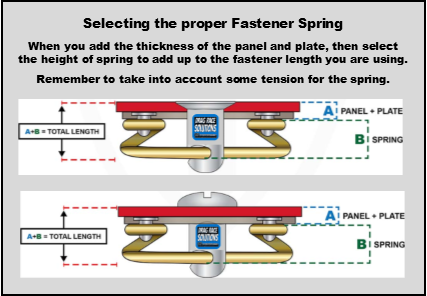
Measure quarter turn fasteners from under the head to the bottom of the spring locking area. For flush head types, measure from the top of the head to the spring locking area bottom. Use a caliper for precise measurement. Record length and grip for proper fit.
Conclusion
Quarter turn fasteners offer a simple and effective way to secure parts. They lock tightly with just a 90-degree turn. This design allows for quick assembly and easy removal. Many industries rely on them for fast, reliable access. Understanding their function helps in choosing the right fastener.
Their ease of use saves time and effort during maintenance. These fasteners combine convenience with strong holding power. They remain a popular choice for many applications today.