When you’re working on tongue-and-groove or finish carpentry, choosing the right nail can make all the difference. Using the wrong nail might cause your project to look messy or even fall apart over time.
But which nail is best for fastening these delicate pieces without damaging them? You’ll discover the exact type of nail that professionals rely on to get a clean, strong hold every time. Keep reading to find out how to make your finish work flawless and durable with the right nail choice.
Types Of Nails For Tongue-and-groove
Nails play a key role in fastening tongue-and-groove pieces securely. Choosing the right type of nail helps keep the wood tight and prevents damage. Different nails suit different needs in finish work and installation. Understanding the types of nails available makes the project easier and stronger.
Common Nails
Common nails are thick and strong. They work well for heavy wood and structural parts. Their large heads hold wood firmly in place. These nails may leave visible marks on the surface. They are best for hidden or rough areas.
Finish Nails
Finish nails have smaller heads than common nails. They are designed to blend into the wood surface. These nails hold tongue-and-groove boards tightly without splitting. Finish nails make the wood look neat and smooth. They are perfect for visible areas and trim work.
Brad Nails
Brad nails are thin and fine. They leave very small holes in the wood. These nails are ideal for delicate or thin tongue-and-groove pieces. Brad nails hold parts together without cracking the wood. Use them for detailed finish work and light fastening.

Credit: www.woodcraft.com
Choosing Nails For Finish Work
Choosing the right nails for finish work is important for strong, clean results. Nails hold pieces together firmly without damaging the wood. The wrong nail can cause splitting or show ugly marks. Understanding nail size, material, and head style helps pick the best option for your project.
Nail Size And Length
Pick a nail size that fits the wood thickness. Nails too long can split the wood. Nails too short may not hold well. For tongue-and-groove, use nails about twice the thickness of the board. This ensures a tight, secure fit without damage.
Material And Coating
Choose nails made of steel, brass, or stainless steel. Steel nails are strong and affordable. Brass nails resist rust and look nice with light wood. Stainless steel nails resist corrosion in damp places. Coated nails have a finish that holds better in wood.
Head Style
Finish nails usually have small heads that hide well in wood. Small heads leave less visible marks after sinking the nail. Brad nails have very tiny heads for delicate work. Choose the head style that matches the look you want and the wood type.
Benefits Of Using Finish Nails
Finish nails offer several benefits for fastening tongue-and-groove and finish work. They are designed to hold materials securely while keeping the surface smooth. These nails help create a clean, professional look in wood projects. Their special features make them ideal for delicate finishing tasks.
Aesthetic Appeal
Finish nails have small heads that are easy to hide. They leave minimal marks on wood surfaces. This makes the final work look neat and tidy. You can fill the tiny holes with wood putty for a smooth finish. Finish nails help maintain the beauty of fine woodwork.
Holding Strength
These nails provide strong, reliable fastening. They hold tongue-and-groove boards tightly in place. The slender design reduces splitting of the wood. This ensures a long-lasting, secure fit. Finish nails balance strength with a subtle appearance.
Ease Of Use
Finish nails are simple to work with. They can be driven easily by hand or with a nail gun. Their small size requires less force to insert. This helps avoid damage to delicate wood pieces. Using finish nails saves time and effort during installation.
Credit: www.mataverdedecking.com
Techniques For Nailing Tongue-and-groove
Nailing tongue-and-groove boards requires care and skill. The right technique ensures strong joints and a smooth finish. Using proper nailing methods prevents damage and keeps the wood looking good. Follow these tips to nail tongue-and-groove boards correctly.
Nailing Angle And Placement
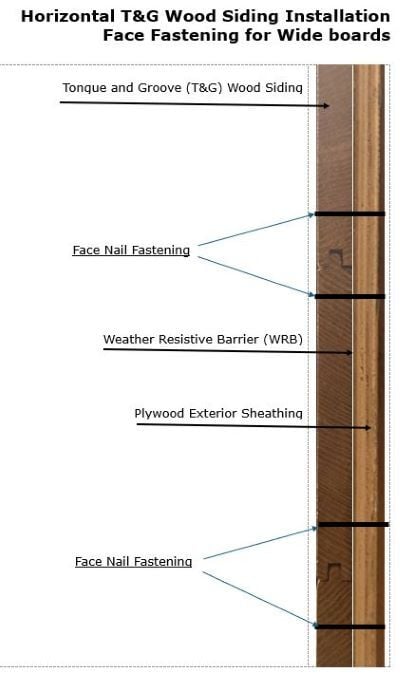
Drive nails at a slight angle into the tongue side of the board. This hides nails and holds boards tightly. Place nails about 1 inch from the edge of the tongue. Avoid nailing too close to the groove to prevent splitting. Proper angle and placement keep boards secure and neat.
Using A Nail Gun Vs. Hammer
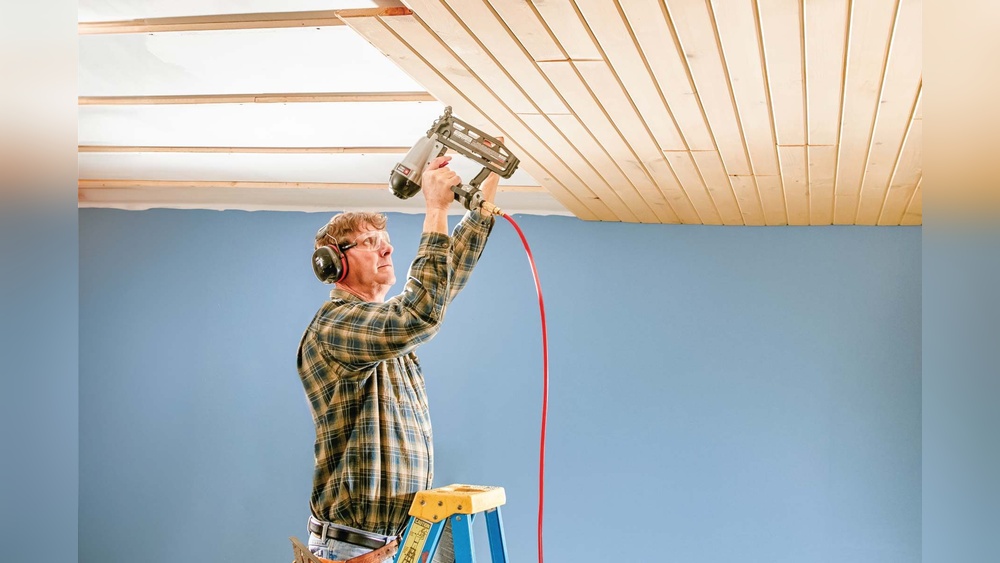
Nail guns speed up work and give consistent results. They drive nails quickly with less effort. Use a nail gun with adjustable depth for best control. Hammers offer more control but take longer. Choose a hammer for small jobs or touch-ups. Both tools work well with the right technique.
Preventing Wood Splitting
Pre-drill small holes before nailing to stop wood from splitting. Use thin nails to reduce pressure on the wood. Tap nails gently at first to avoid cracks. Keep nails away from board edges and ends. Proper care keeps boards intact and looking smooth.
Common Mistakes To Avoid
Fastening tongue-and-groove and finish work requires care. Avoiding common mistakes ensures a strong, neat finish. Small errors can cause big problems later. Understanding what to avoid helps save time and effort.
Using Incorrect Nail Type
Using the wrong nail weakens the hold. Nails too thick may split the wood. Thin nails might not hold well. Choose nails designed for finish work. Look for nails labeled for trim or finish. Using the right nail keeps the wood intact.
Overdriving Nails
Driving nails too deep damages the wood. It can leave holes or dents. Nails should sit just below the surface. Use a nail set to avoid overdriving. Proper depth keeps the finish smooth and clean.
Ignoring Wood Movement
Wood expands and contracts with weather changes. Ignoring this can cause nails to pop out. Leave a little room for wood to move. Use nails that allow some flexibility. This prevents damage over time and keeps the work secure.
Credit: www.crescenttool.com
Tips For Best Results
Getting the best results when fastening tongue-and-groove and finish work needs care. Small details make a big difference. Follow these tips to ensure strong, neat, and lasting joints.
Pre-drilling Holes
Pre-drilling holes helps avoid wood splitting. Use a drill bit slightly smaller than the nail. Drill holes at a slight angle for better nail grip. This step makes nailing easier and cleaner.
Choosing The Right Tools
Select nails designed for finish work, like 15 or 16 gauge finishing nails. A nail gun speeds up work and places nails precisely. Use a hammer only if you can drive nails gently to avoid dents.
Finishing And Concealing Nails
Sink nails just below the wood surface with a nail set. Fill holes with wood filler or putty matching the wood color. Sand the area smooth after drying for a flawless finish.
Frequently Asked Questions
What Type Of Nail Is Best For Tongue-and-groove Fastening?
Finish nails are best for fastening tongue-and-groove boards. They have small heads that won’t split the wood or show prominently. Their smooth shanks ensure a tight, secure fit without damaging delicate edges.
Why Use Finish Nails For Tongue-and-groove Work?
Finish nails are preferred because their small heads make them less visible. They provide a strong hold without splitting the wood. This makes them ideal for delicate finish work like tongue-and-groove paneling.
Can You Use Common Nails For Finish Work?
Common nails are not ideal for finish work. They have larger heads that show and can split thin wood. Finish nails or brads are better for a clean, professional appearance.
What Gauge Nail Is Used For Finishing Work?
Typically, 15- or 16-gauge finish nails are used for finish work. They are thin enough to prevent wood splitting but strong enough to hold securely. The gauge depends on the wood thickness and project needs.
Conclusion
Choosing the right nail is key for tongue-and-groove and finish work. Finish nails hold pieces tightly without splitting the wood. They also leave small holes that are easy to hide. Using the correct nail makes your project strong and neat.
It saves time and effort during installation. Remember, the right nail helps your work look professional and last longer. Keep this tip in mind for your next woodworking task.