Have you ever wondered what holds together the things you use every day, from your furniture to your car? The secret often lies in something small but powerful: threaded fasteners.
These tiny components play a huge role in keeping things secure and functioning properly. If you want to understand how things stay connected and why threaded fasteners are so important, this article is for you. Keep reading to discover what threaded fasteners are and how they impact your daily life in ways you might not expect.

Credit: www.mudgefasteners.com
Basics Of Threaded Fasteners
Threaded fasteners are essential parts used in many machines and structures. They join parts together securely and allow easy assembly and disassembly. Understanding their basics helps in choosing the right fastener for any job.
Definition And Purpose
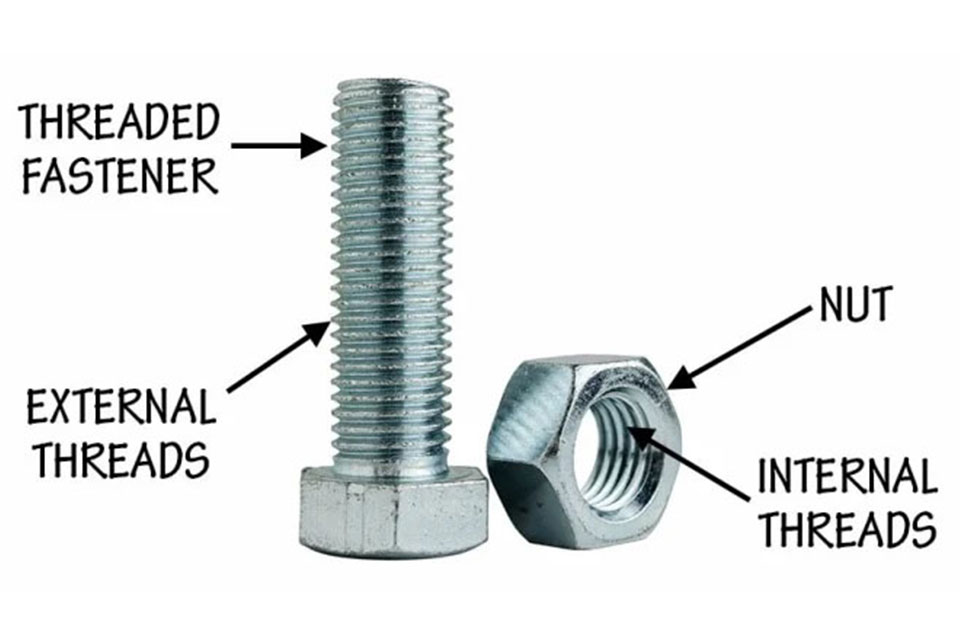
Threaded fasteners are mechanical components with helical ridges called threads. These threads wrap around a shaft or hole to hold parts tightly. Their main purpose is to fasten two or more objects firmly. They also allow quick removal and reattachment without damage.
Common Materials Used
Threaded fasteners come in various materials. Steel is the most common due to its strength and durability. Stainless steel resists rust and is used outdoors or in wet places. Brass and aluminum are lighter and resist corrosion. Plastic fasteners fit lightweight or electrical applications.
Thread Types And Profiles
Threads vary in shape and size. The most common thread profile is the V-shape, which provides strong grip. Other types include square and trapezoidal threads, designed for special uses. Thread pitch, the distance between threads, affects how tight the fastener holds. Coarse threads are easier to install, while fine threads offer better strength.
Types Of Threaded Fasteners
Threaded fasteners come in many types. Each type serves a unique purpose. They hold parts together in machines, buildings, and everyday items. Understanding these types helps you choose the right fastener for your project.
Bolts And Screws
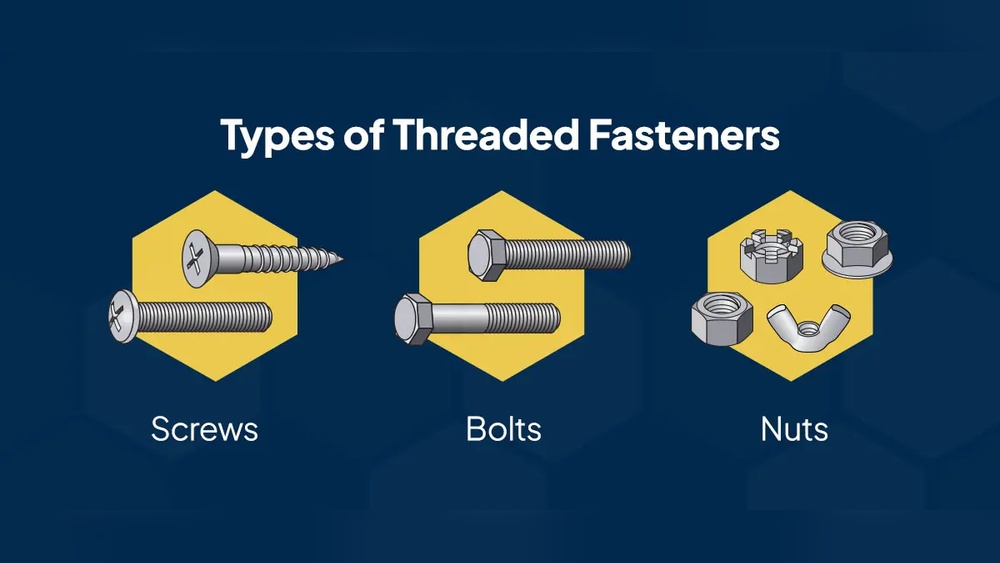
Bolts and screws are common threaded fasteners. Bolts usually need a nut to hold parts tightly. Screws often go directly into materials. Both have different head shapes for various tools. They create strong, reliable joints.
Nuts And Washers
Nuts fit onto bolts to secure connections. Washers sit under nuts or bolt heads. They spread the load and protect surfaces. Washers also prevent loosening from vibration. Together, nuts and washers ensure stable joints.
Studs And Threaded Rods
Studs are threaded rods with no head. They screw into a part on one end. Threaded rods are long and fully threaded. Both work well for joining heavy parts. They allow easy assembly and disassembly.
Specialty Fasteners
Specialty fasteners fit specific needs. Examples include wing nuts, eye bolts, and carriage bolts. These fasteners offer extra features or easy handling. They solve unique fastening challenges in many fields.
Applications Across Industries
Threaded fasteners play a vital role in many industries. They hold parts together firmly. Their strength and reliability make them essential. These fasteners come in various shapes and sizes. Each type suits specific industry needs. Their versatility allows use in everyday products and heavy machinery.
Industries rely on threaded fasteners for building, repairing, and assembling. Their applications range from small appliances to large vehicles. Every sector values fasteners for safety and durability. Below are some key industry uses of threaded fasteners.
Automotive Uses
Cars and trucks need strong fasteners to hold parts. Engines, wheels, and chassis all use threaded fasteners. They keep components secure during movement and vibration. Fasteners in vehicles face heat, pressure, and stress daily. Quality fasteners ensure vehicle safety and performance.
Construction And Infrastructure
Buildings, bridges, and roads depend on reliable fasteners. Threaded fasteners join steel beams and concrete forms. They help create stable and long-lasting structures. Construction fasteners resist weather, load, and time. Without them, structures would lack strength and safety.
Electronics And Appliances
Small threaded fasteners hold circuit boards and parts inside devices. From phones to kitchen appliances, fasteners keep components aligned. They allow easy repair and assembly of gadgets. Precision and size matter most in this sector. Fasteners here protect delicate parts.
Aerospace And Defense
Aerospace demands extreme precision and strength from fasteners. Aircraft and defense equipment use special threaded fasteners. These fasteners handle high stress and harsh conditions. Safety and reliability are critical in every fastener used. They ensure equipment works flawlessly during missions.

Credit: forum.digikey.com
Choosing The Right Fastener
Choosing the right threaded fastener is key for strong and safe assemblies. Different projects need different fasteners. Selecting the correct one saves time, money, and prevents failures. Consider several important factors before making a choice.
Load Requirements
Understand the strength your fastener must hold. Heavy loads need stronger fasteners with higher tensile strength. Light loads may use smaller, simpler fasteners. Matching fastener strength to load avoids breakage and ensures safety.
Environmental Factors
Think about where the fastener will be used. Moist or wet areas need corrosion-resistant materials. Outdoor use demands fasteners that handle weather changes. Temperature extremes also affect fastener performance and durability.
Material Compatibility
Fasteners must fit well with the materials joined. Metals may require specific fastener types to prevent damage. Use compatible metals to avoid rust and corrosion. Correct pairing extends the life of the assembly.
Cost Considerations
Balance quality with budget limits. High-quality fasteners cost more but last longer. Cheaper fasteners might save money upfront but cause repairs later. Choose fasteners that offer good value and meet project needs.
Installation And Maintenance Tips
Installing and maintaining threaded fasteners correctly is key to their performance. Proper care extends their life and keeps machines safe. Small mistakes can cause damage or failure.
Follow simple tips to install and maintain fasteners well. These steps help avoid common issues and reduce downtime.
Proper Torque Application
Applying the right torque is crucial for threaded fasteners. Too much force can strip threads or break the fastener. Too little force may cause loosening over time.
Use a calibrated torque wrench to tighten fasteners accurately. Check the manufacturer’s torque specifications before installation. Tighten in stages for even pressure distribution.
Avoiding Common Failures
Threaded fasteners often fail due to corrosion, fatigue, or improper installation. Avoid using fasteners in corrosive environments without protection.
Choose the correct fastener material for the job. Do not reuse damaged or worn fasteners. Always clean threads before installation to prevent cross-threading.
Inspection And Replacement
Regularly inspect fasteners for signs of wear, rust, or damage. Look for loose or missing fasteners during routine checks.
Replace any fastener showing cracks, deformation, or stripped threads immediately. Proper inspection prevents failures and costly repairs.
Credit: thors.com
Innovations In Threaded Fasteners
Threaded fasteners have seen many improvements in recent years. These changes help make fasteners stronger, smarter, and better for the environment. Innovations focus on materials, technology, and coatings. These advances improve performance and durability in many uses.
Advanced Coatings
New coatings protect fasteners from rust and wear. These coatings last longer than traditional ones. Some reduce friction, making assembly easier. Others resist heat and chemicals. This means fasteners can work in harsh conditions. Coatings also improve the look of fasteners.
Smart Fasteners
Smart fasteners include sensors to track tightness and stress. They send data to machines or phones. This helps prevent failures before they happen. Smart fasteners improve safety in cars and machines. They reduce maintenance costs by showing when repairs are needed.
Sustainable Materials
Using recycled metals cuts waste and energy use. New materials also make fasteners lighter and stronger. Some fasteners use biodegradable plastics for temporary use. These choices reduce harm to the planet. Sustainable fasteners support green building and manufacturing.
Frequently Asked Questions
What Are Threaded Fasteners Used For?
Threaded fasteners join two or more parts securely. They allow easy assembly and disassembly. Commonly used in machinery, construction, and electronics.
How Do Threaded Fasteners Work?
They work by screwing into materials using matching internal threads. The threads create a tight grip, preventing loosening from vibration or pressure.
What Types Of Threaded Fasteners Exist?
Common types include bolts, screws, nuts, and studs. Each type serves specific purposes based on design and application needs.
Why Choose Threaded Fasteners Over Other Fasteners?
Threaded fasteners offer strong, reusable connections. They provide adjustable tension and resist loosening better than non-threaded options.
Conclusion
Threaded fasteners hold many things tightly together. They come in different types and sizes. You find them in cars, machines, and furniture. Choosing the right fastener keeps things safe and strong. Understanding how they work helps you pick the best one.
Simple but important parts in everyday life. Learning about them makes fixing and building easier. They connect pieces with strength and precision. Small but powerful tools you can trust.