Are you ever unsure how to spell the word “fasteners” correctly? Whether you’re writing a report, placing an order, or just curious, getting this simple yet important word right matters.
Fasteners are everywhere—from the screws holding your furniture together to the buttons on your shirt. But how exactly do you spell “fasteners” without a second thought? You’ll discover the correct spelling, pronunciation tips, and useful examples that will make you confident every time you use the word.
Keep reading to master the spelling and impress everyone with your accuracy!
Spelling Basics
Understanding the spelling of “fasteners” is simple once you know the basics. The word refers to devices that join or secure objects together. Correct spelling helps in clear communication, especially in writing and searching online. Below are important points about spelling “fasteners.”
Common Misspellings
Many people spell “fasteners” incorrectly. Common errors include “fastners,” “fastnerss,” and “fastner.” These mistakes usually drop or add letters. Double-checking the word can prevent these errors.
Remember, the correct spelling has two “s” letters at the end. The middle part “ten” stays the same, not “tin” or “tan.”
Phonetic Breakdown
Breaking the word into sounds helps with spelling. “Fasteners” sounds like “fass-ten-ers.” The first part “fast” is like the word fast. The middle “en” sounds like “uhn.” The ending “ers” sounds like “urz.”
Pronouncing the word slowly can guide the correct letter order. This method works well for new learners.
Regional Variations
The spelling of “fasteners” does not change in different English-speaking regions. Both American and British English use the same form. The word always ends with “ers.”
Some regions may use different words for specific fasteners, but the general term stays the same. This consistency helps avoid confusion worldwide.

Credit: www.amazon.com
Fastener Types
Fasteners come in many shapes and sizes. They hold objects tightly and keep things in place. Understanding the main types of fasteners helps you choose the right one for your project. Each type serves a specific purpose and fits different needs.
Screws And Bolts
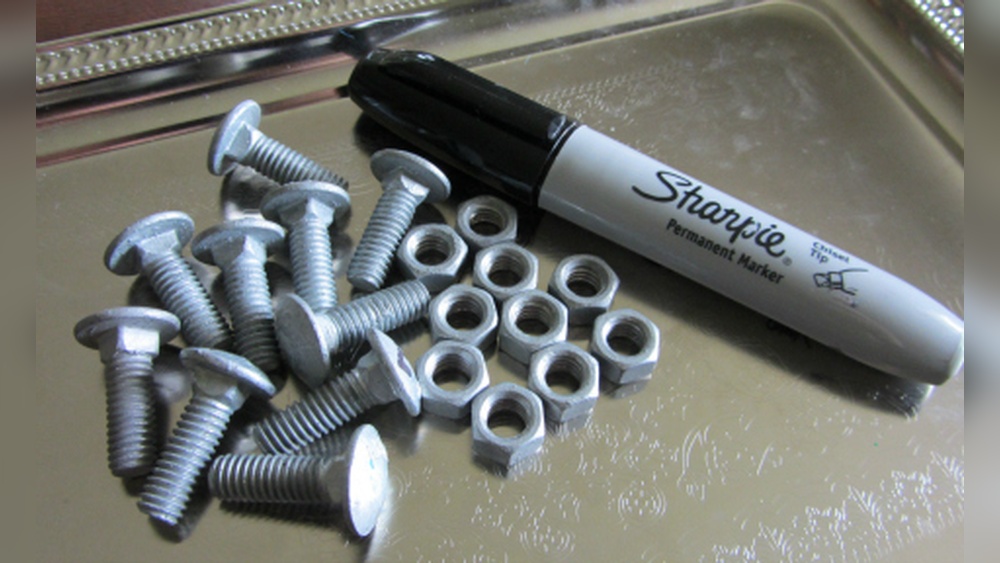
Screws and bolts are common fasteners. They join materials by threading into them or using nuts. Screws usually have pointed ends for wood or plastic. Bolts have flat ends and need a nut to hold parts together. Both provide strong, reliable holds.
Nuts And Washers
Nuts are small blocks with a hole inside. They twist onto bolts to lock pieces firmly. Washers are thin discs placed under nuts or bolt heads. They spread pressure and protect surfaces from damage. Nuts and washers work together for secure fastening.
Clips And Hooks
Clips and hooks fasten without tools. Clips snap onto edges or thin objects. Hooks catch or hang items quickly. They are easy to attach and remove. These fasteners suit temporary or adjustable connections.
Pronunciation Tips
Pronouncing the word “fasteners” correctly helps you speak clearly and confidently. This section gives simple tips on how to say it right. You will find differences between American and British English. Also, there are links to audio resources for practice.
American English Pronunciation
In American English, “fasteners” sounds like FAS-ners. The first syllable rhymes with “mass.” The second part is quick and soft.
Try to say it as one smooth word. Stress the first syllable slightly. The ending “ers” sounds like “nerz.”
British English Pronunciation
In British English, “fasteners” sounds like FAS-uh-ners. The middle syllable is more noticeable. It sounds like “uh.”
The first syllable is still stressed. The ending sounds like “ners,” similar to American English. Try to keep the flow natural and clear.
Audio Resources
Listening to native speakers is a great way to learn. Websites like Cambridge Dictionary offer free audio clips. They show both American and British pronunciations.
YouTube channels also provide clear pronunciation guides. Search for “how to pronounce fasteners” to find helpful videos. Repeat after the speaker for practice.
Usage In Sentences
Understanding how to use the word “fasteners” in sentences helps clarify its meaning. Fasteners are objects that join or hold things together. These devices appear in many contexts, from daily speech to technical writing. Using the word correctly shows good command of English and aids clear communication.
Examples In Everyday Language
Fasteners keep my jacket closed during cold weather.
The bag’s fasteners broke, so I had to sew it again.
She bought new fasteners for her craft project yesterday.
Make sure the fasteners on your shoes are tight before running.
Technical Writing Examples
The fasteners must withstand a minimum tensile strength of 500 Newtons.
Use stainless steel fasteners to prevent rust in marine environments.
Fasteners should be installed according to the manufacturer’s guidelines.
Ensure all fasteners are torque tightened to the specified value.
Common Phrases
Loose fasteners can cause structural failure over time.
Check the fasteners regularly to maintain safety and stability.
The machine uses various fasteners like screws and bolts.
Proper fasteners improve the durability of assembled products.
Synonyms And Related Words
Understanding the synonyms and related words for “fasteners” helps in clear communication. Fasteners are objects used to join or secure items together. Various terms describe these devices depending on their shape, use, or region. Exploring these words sheds light on their subtle differences and proper usage.
Alternative Terms
Fasteners include screws, bolts, nuts, and clips. These words serve as specific types under the fastener category. Other common terms are clamps, hooks, and rivets. Each term describes a unique way to attach or hold materials. Using the right word helps avoid confusion in instructions or descriptions.
Contextual Differences
Some fastener terms fit better in certain settings. For example, “bolt” often refers to large, heavy-duty fasteners. “Clip” might be used for light, removable attachments. In construction, “anchor” means a fastener that holds objects to concrete or walls. Context shapes which synonym fits best for clarity and accuracy.
Fastener Vs Fascinator
Fastener and fascinator sound similar but differ greatly. A fastener is a tool or device that holds things together. A fascinator is a small decorative hat worn at events. Mixing these two words can lead to misunderstanding. Pronunciation and spelling are key to distinguishing them clearly.
Fastener Etymology
The word “fastener” carries a simple meaning but a rich history. Understanding its etymology gives insight into how language and technology evolve together. This section explores where the word fastener comes from, how it was used in the past, and how its meaning has changed over time.
Origin Of The Word
The word “fastener” comes from the verb “fasten,” which means to secure or attach. “Fasten” traces back to the Old English word “fæstnian,” meaning to make firm or fixed. This root reflects the basic function of fasteners: to hold things together tightly and securely.
Historical Usage
In early English, fasteners referred to simple devices like hooks or clasps. People used them to close clothing or bind objects. As tools and materials advanced, the term expanded to include nails, screws, and bolts. These items helped build homes, ships, and machines.
Evolution Over Time
Over centuries, fasteners evolved from basic closures to specialized hardware. The Industrial Revolution introduced mass-produced metal fasteners. This change made construction and manufacturing faster and stronger. Today, fasteners cover a wide range of devices used in many industries worldwide.
Common Confusions
Spelling “fasteners” might seem simple, but some words sound alike and cause confusion. These mix-ups happen because some words share similar beginnings or sounds. Understanding the differences helps spell the word correctly and use it right.
Fastener Vs Fastening
A fastener is a noun. It means a device that joins or holds things together.
Fastening is a verb or noun. It means the act of attaching or securing something.
Example: “The fastener on the door is loose.” vs. “Fastening the door took some time.”
Fastener Vs Fascinator
Fastener relates to hardware, like screws or clips. It is practical and used in construction or clothing.
Fascinator is a decorative headpiece, often worn at events like weddings.
They sound similar but have very different meanings and spellings.
Fastener Vs Fixture
A fastener holds objects together temporarily or permanently.
A fixture is a fixed or permanent part of a building or object.
Example: “Nails are fasteners.” “The sink is a fixture.”

Credit: www.amazon.sa

Credit: www.ebay.com
Frequently Asked Questions
How Do You Correctly Spell Fasteners?
The correct spelling is “fasteners. ” It is spelled F-A-S-T-E-N-E-R-S and refers to devices that join or secure objects together.
What Is The Proper Pronunciation Of Fasteners?
Fasteners is pronounced as /ˈfas(ə)nərz/. It sounds like “FAS-tuh-ners,” with emphasis on the first syllable.
Are Screws Considered Fasteners?
Yes, screws are a type of fastener. They mechanically join objects by threading into materials, securing them firmly.
What Are Common Types Of Fasteners?
Common fasteners include screws, bolts, nuts, clips, and buttons. Each serves to attach or secure materials effectively.
Conclusion
Spelling “fasteners” is simple once you know the word. It starts with “f-a-s-t,” followed by “e-n-e-r-s. ” Fasteners hold things tightly together, like screws or clips. Knowing this word helps in many areas, from fixing items to shopping for tools.
Practice spelling it aloud or writing it down. This improves your confidence and understanding. Remember, fasteners are essential in daily tasks. Keep this spelling tip handy for your next project or conversation.