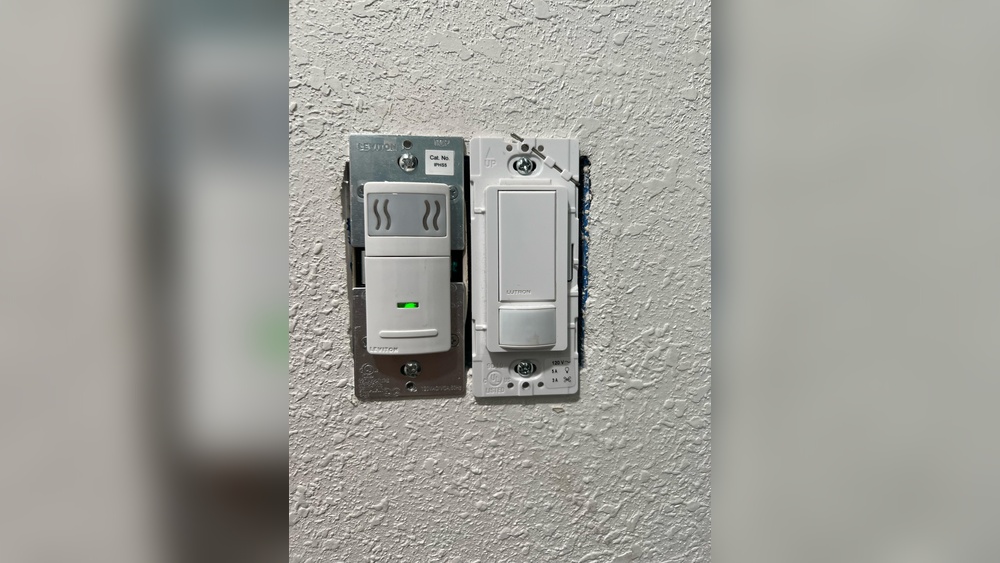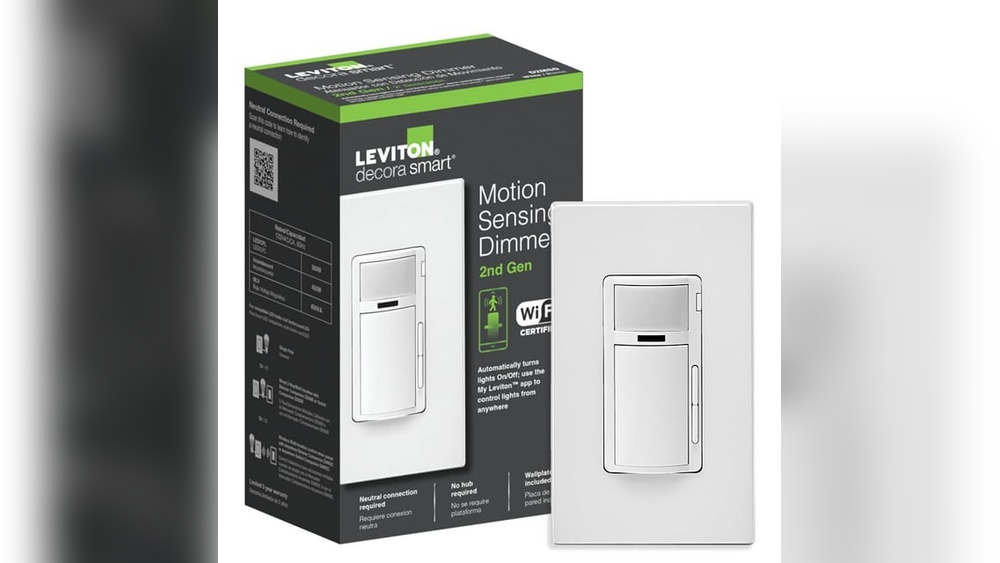
Have you ever wondered if a motion light needs a switch? You might think these lights turn on automatically and don’t require any buttons.
But is that really the case? Understanding how motion lights work with or without switches can save you time, money, and frustration. Keep reading to discover the truth and learn how to make the most of your motion lighting setup.
This simple insight could change the way you light up your space.
Credit: www.gelighting.com
How Motion Lights Work
Motion lights turn on automatically by detecting movement. They help save energy by lighting only when needed. Understanding how these lights work can clarify if they need a switch.
Sensors And Activation
Motion lights use sensors to spot movement nearby. Most sensors detect heat and body motion. When someone walks by, the sensor sends a signal to the light. The light then turns on for a set time. After no movement, the light switches off. This automatic process makes manual switching unnecessary.
Power Sources
Motion lights need power to run sensors and bulbs. Many connect directly to home electricity. Some use batteries or solar panels for power. Battery-powered lights offer easy placement without wiring. Solar lights charge during the day and work at night. The type of power source can affect installation and use.

Credit: www.amazon.com
Types Of Motion Lights
Motion lights come in different types to suit various needs. Each type works differently and has unique features. Understanding these helps in choosing the right one for your space.
Some motion lights run on batteries. Others connect directly to your home’s wiring. Both types have pros and cons based on where and how you use them.
Battery-powered Options
Battery-powered motion lights are easy to install. They do not need wires or electrical work. You can place them almost anywhere, indoors or outdoors.
These lights use sensors to detect movement and turn on automatically. Since they run on batteries, you must replace or recharge them regularly. They are great for small areas or spots far from power outlets.
Wired Motion Lights
Wired motion lights connect directly to your home’s electrical system. They provide steady power without worrying about battery life. These lights are often brighter and more reliable.
Installation can be more complex and may need a professional. They work well for large outdoor areas or security lighting. Wired lights usually come with switches for manual control if needed.
Role Of Switches In Motion Lights
Switches play an important role in motion lights. They control how and when the light turns on or off. Some motion lights have built-in switches. Others use manual switches for more control. Understanding these switches helps in choosing the right motion light for your needs.
Built-in Switch Functions
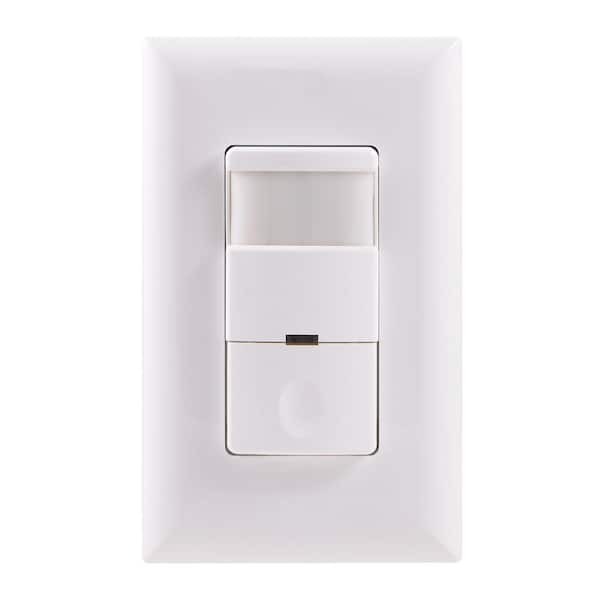
Many motion lights come with built-in switches. These switches work automatically with the motion sensor. They turn the light on when they detect movement. Then, they switch the light off after a set time without motion. This function saves energy and adds convenience. You do not need to touch anything. The built-in switch makes the motion light easy to use and efficient.
Manual Switch Benefits
Manual switches give you full control over the light. You can turn the motion light on or off anytime. This helps in situations where you want the light on continuously. Or when you want to disable the motion sensor. Manual switches also allow testing the light before use. They add flexibility to motion lights. Some models have both manual and built-in switches for best results.
Credit: www.homedepot.com
Installation Considerations
Installing a motion light needs careful thought. It is not just about fixing the light on the wall. The setup must ensure the light works well and meets your needs. Proper installation helps save energy and improves security. Two main points matter the most: where to place the light and how to connect it with the wiring and switch.
Placement And Coverage
Choose a spot where the light can see the whole area. Avoid placing it near heat sources or windows. These can cause false alarms. The sensor should cover paths, doors, or driveways. Test different angles to get the best coverage. Keep the sensor away from busy streets to prevent constant triggering. Proper placement means the light only turns on when needed.
Wiring And Switch Integration
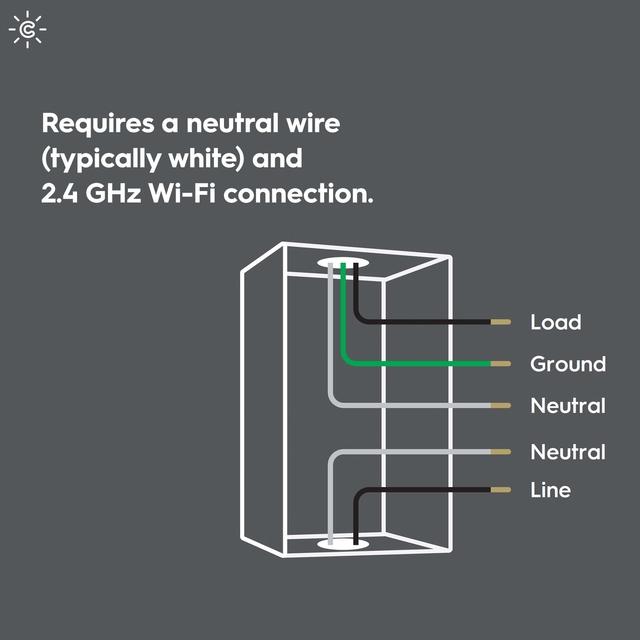
Some motion lights come with a built-in switch, others do not. Decide if you want a manual switch to control the light. Wiring must be done carefully to avoid problems. Turn off the power before starting any wiring work. Connect the motion sensor to the power source and the light fixture. Adding a switch allows turning off the light when motion detection is not needed. A simple switch can save electricity and extend the light’s life.
Energy Efficiency And Control
Energy efficiency and control are key when choosing lighting options. Motion lights help save energy by turning on only when needed. Adding a switch can give you more control over the light’s use. This way, you can reduce wasted power and manage lighting easily.
Using Switches To Save Power
Switches let you turn off motion lights manually. This stops the light from running at unwanted times. You can switch off the light during daylight or when no one is around. This simple action cuts down electricity use and lowers bills. Switches also help if the motion sensor is too sensitive or not working well.
Automatic Vs Manual Operation
Motion lights work automatically by detecting movement. This is good for quick lighting needs and safety. But automatic lights may turn on at wrong times or stay on too long. Manual operation with a switch gives you full control. You decide when the light should be on or off. Combining both methods offers the best energy control and convenience.
Common Issues Without A Switch
Motion lights are helpful for safety and energy saving. But not having a switch for these lights can cause some problems. These issues may affect how the light works and how easy it is to use.
Continuous Activation Problems
Without a switch, motion lights turn on whenever they detect movement. This can make the light stay on too long. Passing cars or animals can cause the light to activate all night. This wastes electricity and may annoy neighbors. Also, the light might miss turning off at times when no one is around.
User Convenience
A switch helps users control the light manually. Without it, you cannot turn the light off when you want. This can be frustrating during the day or when you need darkness. A switch adds flexibility and makes the light easier to use. It lets people choose when the light should work or stay off.
Best Practices For Using Motion Lights
Using motion lights correctly makes your space safer and saves energy. Motion lights turn on only when needed, but setting them up right is key. Follow some simple tips for the best use.
When To Add A Switch
A switch helps control the motion light manually. Use a switch if you want to turn the light on or off anytime. It is useful in places where constant light is needed sometimes. For example, inside a garage or hallway. A switch also helps during maintenance or bulb changes. Adding a switch gives more control and flexibility to your lighting.
Optimizing Sensor Settings
Adjust the sensor’s sensitivity to avoid false triggers. Set the sensor to detect motion only in the needed area. Change the timer settings to keep the light on just long enough. Avoid leaving the light on too long to save energy. Test different settings during the day and night. Proper sensor adjustment improves performance and extends bulb life.
Frequently Asked Questions
Does A Motion Light Require A Manual Switch?
No, motion lights usually activate automatically without needing a manual switch. They detect movement and turn on instantly, providing convenience and energy savings.
Can A Motion Light Work With A Wall Switch?
Yes, some motion lights can be wired to a wall switch for manual control and automatic operation.
Are Motion Lights Always On Without A Switch?
No, motion lights stay off until detecting movement. They save energy by only turning on when needed.
How Do I Control A Motion Light Without A Switch?
Motion lights have built-in sensors that trigger the light when motion is detected, eliminating the need for a switch.
Conclusion
A motion light does not always need a switch to work. Many models turn on automatically when they detect movement. But having a switch gives you more control over the light. You can turn it off when you do not want it on.
This can save energy and extend the light’s life. Choosing the right option depends on your needs and where the light will be. Think about how you will use the light before deciding. Simple and smart choices make lighting easier and better.