Are you wondering if your outdoor extension cord should have a 2-prong plug? Choosing the right extension cord is important for your safety and the performance of your tools or devices.
Using the wrong type could lead to electrical problems or even accidents. You’ll discover everything you need to know about outdoor extension cords and why the number of prongs matters. Keep reading to make sure you pick the best cord for your needs and keep your outdoor projects running smoothly.

Credit: us.amazon.com
Outdoor Extension Cord Types
Outdoor extension cords come in different types. Choosing the right one is important for safety and performance. Each type has specific features and uses. Knowing these helps you pick the best cord for your needs.
This section explains the main types of outdoor extension cords. It covers two-prong and three-prong cords. You will also learn about their differences and common uses.
Two-prong Cords
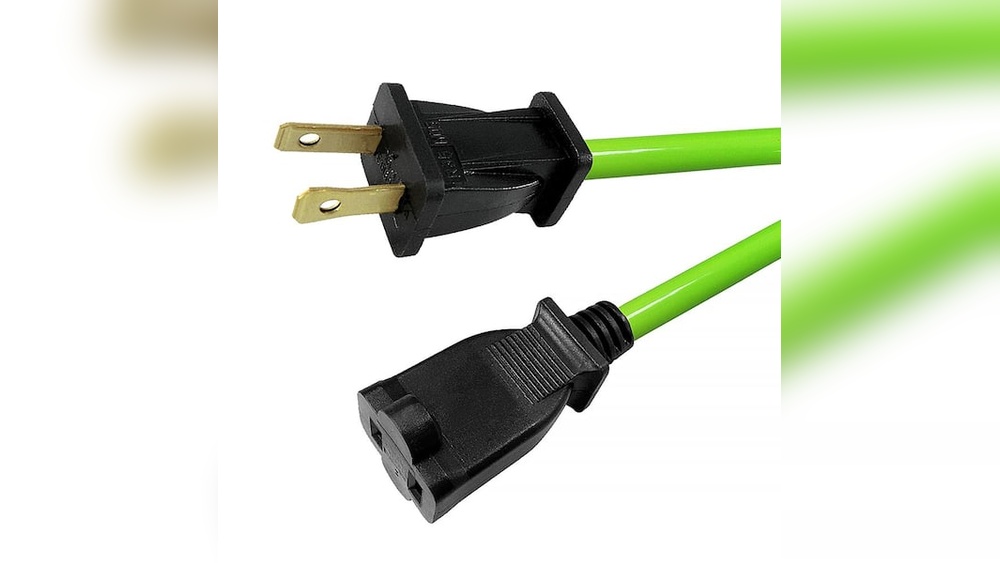
Two-prong cords have two metal prongs for plugging in. They do not have a grounding wire. These cords are lighter and less expensive. They work well with small tools and simple outdoor lights. They are not suited for heavy or high-power devices.
Three-prong Cords
Three-prong cords include a grounding wire for extra safety. The third prong helps prevent electric shocks. These cords are thicker and stronger. They are designed for power tools and larger outdoor appliances. Using a three-prong cord is safer for heavy-duty tasks.
Differences And Uses
Two-prong cords are best for light loads and short use. They lack grounding, so avoid them with metal tools. Three-prong cords provide grounding, making them safer. They handle more power and last longer outdoors. Choose based on the tool’s power needs and safety.
Risks Of Using Two-prong Cords Outdoors
Using two-prong extension cords outdoors can be dangerous. These cords lack important safety features needed for outdoor use. Many risks come with using such cords in wet or damp areas. Understanding these risks helps keep you safe.
Lack Of Grounding
Two-prong cords do not have a grounding wire. Grounding protects people from electrical faults. Without grounding, any fault can cause electric shocks. Outdoor environments increase this risk due to moisture and dirt.
Electrical Shock Hazards
Electric shocks can happen if the cord is damaged or wet. Two-prong cords offer less protection against shocks. Outdoor use exposes cords to rain and puddles. This makes shocks more likely and more dangerous.
Fire Risks
Two-prong cords can overheat without proper grounding. Overheating may cause fires, especially outdoors near dry leaves or wood. Using cords not designed for outdoor use increases fire danger. Always choose cords with proper safety features.
Choosing The Right Extension Cord
Choosing the right extension cord is key for safe outdoor use. Different cords serve different needs. Knowing how to pick the right one helps avoid hazards. It also ensures your devices work well outside. Focus on three main factors before buying an extension cord.
Weather Resistance Ratings
Outdoor cords must resist sun, rain, and cold. Look for cords labeled as weather-resistant or outdoor-rated. These cords have special coatings to protect wires inside. They last longer and reduce the risk of electric shock. Avoid indoor cords for outdoor use. They are not built to handle weather changes.
Gauge And Length Considerations
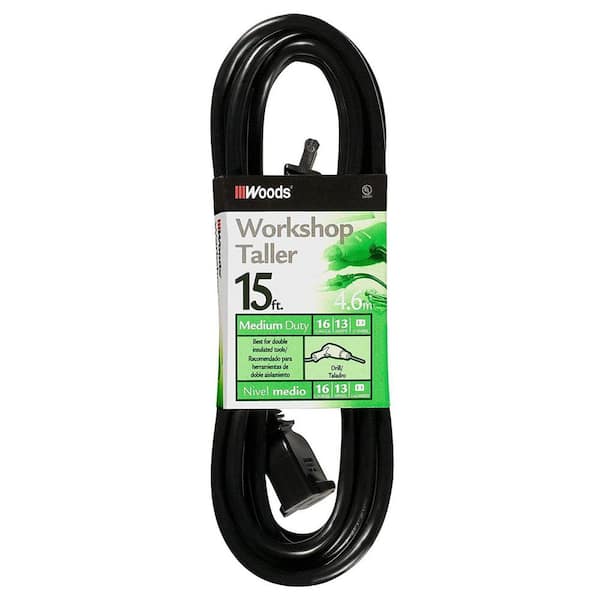
Gauge means the thickness of the wire inside the cord. Lower gauge numbers mean thicker wires. Thick wires carry more power safely over longer distances. Choose the right gauge for the device you want to power. Also, pick a length that reaches without stretching. Too long cords with thin wires may cause power loss or overheating.
Certified Safety Labels
Check for safety labels from recognized organizations. UL, ETL, or CSA marks show the cord meets safety rules. These certifications mean the cord has been tested for quality. Avoid cords without any certification. They might not be safe or reliable for outdoor use.

Credit: www.amazon.com
Safe Practices For Outdoor Cord Use
Using outdoor extension cords safely is very important. These cords face weather, dirt, and rough surfaces. Following safe practices reduces risks like electric shock and fire. Understanding how to place, protect, and check cords helps keep you and your property safe.
Proper Placement
Place outdoor cords where people will not trip over them. Avoid high-traffic areas and doorways. Keep cords away from water, such as pools or puddles. Run cords along walls or fences for extra safety. Never bury cords underground unless labeled for that use.
Avoiding Damage
Keep cords away from sharp objects and rough surfaces. Do not pull cords hard or bend them sharply. Avoid stepping on cords or driving over them. Store cords in a dry place when not in use. Use cord covers if cords cross walkways or driveways.
Regular Inspection
Check cords often for cracks, cuts, or frayed wires. Look for damage to plugs and connectors. Replace any damaged cords immediately. Test cords before each use to ensure safety. Clean cords to remove dirt and debris that can cause damage.
Alternatives To Two-prong Outdoor Cords
Two-prong outdoor extension cords often lack the safety features needed for many devices. Choosing better alternatives improves safety and performance. These options offer better grounding and protection against electric shocks. Exploring these choices helps you pick the right cord for outdoor use.
Three-prong Gfci Cords
Three-prong cords have a grounding wire. This wire reduces the risk of electric shock. GFCI cords add extra protection by shutting off power quickly. They detect any current leaks and stop electricity fast. These cords are perfect for wet outdoor areas.
Cord Protectors
Cord protectors cover and shield extension cords. They prevent damage from foot traffic and weather. Protectors reduce wear and tear on cords. They also help avoid tripping hazards outside. Use protectors to keep cords safe and durable.
Wireless Options
Wireless devices remove the need for extension cords. Battery-powered tools and lights work without cords. These options reduce clutter and improve safety. Wireless choices are easy to move and use anywhere. They are great for small outdoor projects.
Credit: www.homedepot.com
Frequently Asked Questions
Does Outdoor Extension Cord Come With 2 Prongs?
Yes, some outdoor extension cords have 2 prongs. However, most outdoor cords feature 3 prongs for grounding and safety. Always check the product specs to ensure it matches your power needs and safety requirements.
Can I Use A 2-prong Extension Cord Outdoors?
Using a 2-prong extension cord outdoors is not recommended. Outdoor cords usually require grounding for safety, which 2-prong cords lack. For safety and code compliance, opt for a 3-prong outdoor extension cord.
Why Do Outdoor Extension Cords Usually Have 3 Prongs?
Outdoor extension cords have 3 prongs to provide grounding. Grounding prevents electrical shock and enhances safety in wet or damp outdoor conditions. This makes 3-prong cords the safest choice for outdoor use.
Are 2-prong Outdoor Cords Safe For Power Tools?
No, 2-prong outdoor cords are not safe for power tools. Most power tools require grounded 3-prong cords to prevent electrical hazards. Always use a 3-prong outdoor extension cord with power tools.
Conclusion
Outdoor extension cords usually have three prongs, not two. The third prong helps protect you from electric shocks. Two-prong cords lack this safety feature. Always choose cords made for outdoor use. These cords resist water and weather damage. Using the right cord keeps your tools and family safe.
Check your cord before each use. Safety matters most when working outside. Stay careful and use the proper extension cord every time.