Are you planning to install recessed lights and wondering how many you can safely control with just one switch? Getting this right is key to making your space look great and work well.
Too many lights on one switch can cause problems, while too few might leave your room dim and dull. You’ll discover the simple rules and practical tips to help you decide exactly how many recessed lights should be on a single switch.
Keep reading to light up your home the smart way!
Recessed Lighting Basics
Recessed lighting adds a clean and modern look to any room. It fits into the ceiling, creating a smooth surface. This type of lighting is popular in many homes for its subtle style and functionality. Understanding the basics helps you decide how many lights to place on one switch.
What Are Recessed Lights
Recessed lights are small fixtures installed inside the ceiling. They do not hang down like regular lights. Instead, they sit flush with the ceiling surface. This design makes rooms look larger and less cluttered. These lights usually have a trim that blends with the ceiling. They use bulbs that direct light downward, providing focused illumination.
Common Uses In Homes
Recessed lights work well in many parts of the house. They brighten kitchens, living rooms, and hallways without taking space. They also highlight artwork or architectural features. Many people use them in bathrooms for clear, shadow-free light. These lights are good for rooms with low ceilings. They create a modern and neat look while providing enough light.

Credit: www.youtube.com
Electrical Load Limits
Electrical load limits are critical when installing recessed lights on one switch. Each switch connects to a circuit with a maximum load capacity. Exceeding this limit can cause the circuit breaker to trip or even pose safety hazards. Understanding these limits helps ensure safe and efficient lighting setups.
Understanding Circuit Capacity
Every electrical circuit has a capacity measured in amps. Most home lighting circuits support 15 or 20 amps. This capacity limits the total current the circuit can handle safely. Adding too many recessed lights can overload the circuit. Overloading causes breakers to trip and can damage wiring.
Checking the circuit breaker label helps identify its amp rating. This rating guides how many lights you can connect to one switch. Knowing your circuit capacity prevents electrical problems and keeps your home safe.
Wattage And Amperage Considerations
Each recessed light uses a specific wattage. Multiply the number of lights by their wattage for total wattage. Convert this total wattage into amperage by dividing by the voltage (usually 120 volts). This calculation shows how much current the lights will draw.
The total amperage should stay below 80% of the circuit’s capacity. This safety margin prevents frequent breaker trips. For example, on a 15-amp circuit, keep the total amperage under 12 amps. Planning wattage and amperage ensures a stable and safe electrical load.
Calculating Lights Per Switch
Calculating how many recessed lights to put on one switch helps ensure safety and efficiency. It also keeps your wiring simple and your lighting balanced. Knowing the right number stops overloads and saves energy. Let’s explore how to figure this out clearly and easily.
Estimating Power Consumption
Each recessed light uses a certain amount of power. Most LED recessed lights use about 10 watts. Older halogen types can use 50 watts or more. Multiply the watts by the number of lights on the switch. This total must not exceed the switch’s power limit.
Standard switches usually handle 600 watts safely. That means about 60 LED lights or 12 halogen lights per switch. Check your light’s wattage and the switch rating before adding more lights. This simple math protects your home and appliances.
Factors Affecting Number Of Fixtures
Room size affects how many lights you need on one switch. Large rooms need more lights but may require multiple switches. The type of bulb also matters. LED bulbs draw less power than incandescent or halogen bulbs.
Wiring type and switch rating change the load capacity. Older homes might have lower limits. Dimmers or special switches can reduce how many lights you can connect. Think about your room layout and electrical setup for best results.

Credit: www.youtube.com
Wiring Configurations
Wiring configurations play a key role in setting up recessed lights on one switch. Choosing the right wiring method affects how the lights work and how many can be connected. Understanding these setups helps you make smart decisions for your lighting project.
Series Vs Parallel Wiring
Two main wiring types are series and parallel. In series wiring, lights connect one after another. The electricity flows through each light in a single path. If one light breaks, the whole line stops working. This setup is rare for recessed lights.
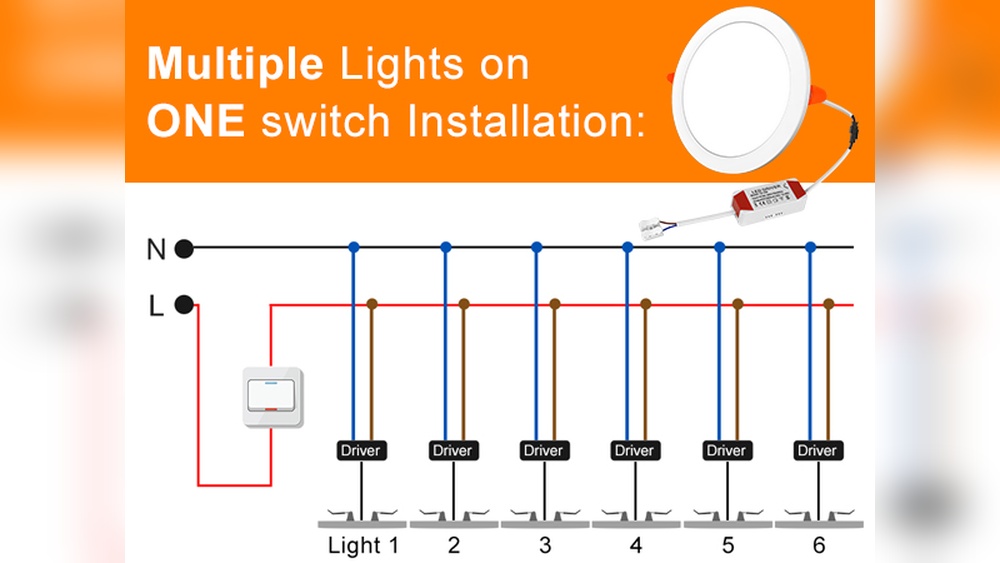
Parallel wiring connects each light directly to the power source. Each light gets the full voltage. If one light fails, others stay on. This method is common for recessed lighting. It allows many lights to work independently on one switch.
Impact On Light Control
Wiring affects how you control your lights. Series wiring limits control because all lights act as one unit. Parallel wiring offers better control and reliability. You can add dimmers or smart switches easily. It also supports more lights on the same switch without losing brightness.
Parallel wiring gives flexibility. You can turn all lights on or off with one switch. It can handle different light types and wattages safely. This makes it the preferred choice for home lighting setups.
Switch Types And Compatibility
Choosing the right switch for your recessed lights affects how well they work together. Switch types and their compatibility with lighting fixtures matter. The switch controls the number of lights it can handle. Understanding these options helps you make smart choices for your room.
Standard Vs Dimmer Switches
Standard switches turn lights on or off only. They are simple and reliable for many recessed lights. These switches handle a high number of lights without issues. Dimmer switches control light brightness. They allow you to set the mood by adjusting light levels.
Dimmer switches have limits on how many lights they support. Too many bulbs on one dimmer can cause flickering or buzzing. Check the dimmer’s wattage rating before connecting multiple recessed lights. This ensures smooth, quiet operation and longer switch life.
Smart Switch Options
Smart switches offer remote control via phone or voice assistants. They bring convenience and energy savings. These switches connect to Wi-Fi or Bluetooth networks. Smart switches support many recessed lights but need proper wiring.
Compatibility with your home system is key. Some smart switches only work with specific bulbs or hubs. Verify the switch matches your light type and network. This avoids connection problems and improves performance.

Credit: diy.stackexchange.com
Safety And Code Requirements
Safety and code requirements are critical when installing recessed lights on one switch. Proper planning protects your home and ensures your lighting system works well. Following safety rules reduces fire risks and electrical hazards. Understanding the guidelines helps you stay within legal limits and avoid costly mistakes.
National Electrical Code Guidelines
The National Electrical Code (NEC) sets the rules for safe electrical installations. It limits how many lights you can place on a single circuit to prevent overload. The NEC also requires the use of proper wiring and circuit breakers. Using the right gauge wire is important to handle the load safely. Ground-fault circuit interrupters (GFCIs) may be required in damp areas. Following these rules keeps your lighting system safe and efficient.
Local Regulations To Consider
Local electrical codes can vary from the NEC. Your city or county might have extra rules about recessed lighting. Some areas require permits before installing new lights. Inspections may be needed to approve your work. Check with your local building department to learn the exact rules. Meeting these requirements avoids fines and delays. Local rules often focus on safety and energy efficiency.
Energy Efficiency Tips
Energy efficiency matters for both saving money and protecting the environment. Using recessed lights wisely can reduce electricity use. Small changes make a big difference in your home’s energy footprint. Here are two smart tips to help you use recessed lights better and save energy.
Choosing Led Recessed Lights
LED lights use much less energy than traditional bulbs. They last longer and give off less heat. Choosing LED recessed lights lowers electricity bills over time. These lights come in many styles and brightness levels. They fit easily into most fixtures. LED lights brighten rooms without wasting power.
Using Timers And Sensors
Timers turn lights off automatically after a set time. This stops lights from staying on by accident. Motion sensors switch lights on only when someone is in the room. They turn lights off after no movement is detected. Timers and sensors reduce wasted energy. They help control how many lights run at once.
Troubleshooting Common Issues
Troubleshooting common issues with recessed lights on one switch can save time and frustration. Understanding these problems helps maintain proper lighting and safety. Problems often arise from wiring, switches, or light bulbs. Identifying the cause is the first step to fixing the issue quickly.
Flickering Lights
Flickering lights can signal loose wiring or a faulty bulb. Check if the bulb is screwed in tightly. Try replacing the bulb to see if flickering stops. Loose connections in the switch or wiring can also cause flickering. A dimmer switch not compatible with LED bulbs may create flicker. Ensure the bulb type matches the switch specifications.
Switch Overload Problems
Switch overload happens when too many lights connect to one switch. Each switch has a maximum load it can handle safely. Exceeding this load causes the switch to overheat or fail. Signs include a warm switch plate or lights not turning on. Reducing the number of lights on one switch prevents overload. Use multiple switches or circuits for many recessed lights.
Frequently Asked Questions
How Many Recessed Lights Can One Switch Control?
Typically, one switch can control up to 8-12 recessed lights. It depends on the total wattage and circuit capacity. Always check your electrical panel limits before installation to avoid overloads and ensure safety.
What Determines The Number Of Lights Per Switch?
The wattage of each light and the circuit breaker rating determine this. A standard 15-amp circuit supports around 1440 watts. Divide this by your light wattage to find the max number per switch.
Can I Control Recessed Lights With Multiple Switches?
Yes, you can use multiple switches for zones or dimming control. This setup offers flexibility and better lighting management. However, it requires more wiring and planning.
Is There A Limit To Recessed Lights On A Single Circuit?
Yes, limits depend on circuit breaker size and wire gauge. Overloading circuits risks tripping breakers or electrical fires. Always follow local electrical codes and consult a professional electrician.
Conclusion
Choosing the right number of recessed lights on one switch keeps rooms bright and safe. Too many lights can overload the switch and wiring. Too few lights may leave dark spots. Think about room size and light bulb wattage. Always check your electrical system’s limits.
This helps avoid problems and saves energy. A well-planned setup gives you good light control and comfort. Simple steps make your home lighting work well every day.