Are you tired of harsh lighting that doesn’t match your mood? Replacing your regular light switch with a dimmer can instantly change the atmosphere of any room.
It’s easier than you might think, and you don’t need to be an expert electrician to do it yourself. In this guide, you’ll discover simple steps to swap out your old switch for a dimmer, giving you full control over your lighting.
Keep reading, and by the end, you’ll have the confidence to upgrade your space and create the perfect ambiance whenever you want.

Credit: www.wikihow.com
Tools And Materials Needed
Replacing a light switch with a dimmer requires specific tools and materials. Having the right items makes the job easier and safer. This section lists everything needed for a smooth installation.
Tools Required
- Screwdriver (flathead and Phillips)
- Wire stripper or cutter
- Voltage tester
- Needle-nose pliers
- Electrical tape
- Drill (optional for some wall plates)
Materials Needed
- Dimmer switch compatible with your light bulbs
- Wall plate for the dimmer switch
- Wire connectors (wire nuts)
- Replacement screws (often included with the dimmer)
Safety Equipment
- Insulated gloves
- Safety glasses
- Flashlight or portable light source
Credit: www.homedepot.com
Safety Precautions
Replacing a light switch with a dimmer can improve your room’s lighting. Safety is the top priority during this process. Taking the right precautions helps avoid accidents and damage. Follow these safety steps to complete your project safely and smoothly.
Switch off the power at the circuit breaker. Do not rely on the wall switch alone. Use a voltage tester to confirm no electricity flows. This step prevents electric shock and injury.
Use Proper Tools
Select insulated tools designed for electrical work. Avoid using damaged or worn tools. Proper tools make the job easier and safer. Keep tools dry and clean during the project.
Check Your Work Area
Clear the workspace of any clutter or liquids. Ensure good lighting to see wires clearly. Avoid working in wet or damp conditions. A tidy area reduces the risk of accidents.
Wear Safety Gear
Use safety glasses to protect your eyes from sparks or debris. Wear rubber-soled shoes to insulate from electric shock. Avoid loose clothing or jewelry that might catch on wires.
Follow Instructions Carefully
Read the dimmer switch manual before starting. Follow all wiring diagrams and guidelines exactly. Incorrect wiring can cause short circuits or fires. Double-check connections before restoring power.
Turn Off The Power
Before starting any electrical work, safety is the top priority. Turning off the power prevents electric shocks and accidents. This step is crucial when replacing a light switch with a dimmer. Never skip it.
Switching off the power at the circuit breaker stops electricity from flowing. It protects you while you handle wires and tools. Even if the light switch looks off, power may still be present inside the wiring.
Always test the switch after turning off the power. Use a voltage tester or a simple tool to confirm no current flows. This ensures your workspace is safe and ready for the next steps.
Locate The Correct Circuit Breaker
Find your home’s circuit breaker panel. It is usually in a basement, garage, or utility room. Look for labels showing which breaker controls the light switch. If labels are missing, turn off breakers one by one and check the switch.
Turn Off The Power At The Breaker
Flip the correct breaker to the off position. This stops the electrical flow to the switch. Be sure the switch no longer controls the light before touching wires. This step stops shocks during replacement.
Confirm Power Is Off With A Tester
Use a voltage tester or multimeter to check the switch wires. No voltage means it is safe to work. Double-check all wires inside the box. Safety comes first in every electrical project.
Remove The Existing Light Switch
Removing the existing light switch is the first step in installing a dimmer. It is important to follow safety rules. Turn off the power at the circuit breaker. This stops any chance of electric shock. Use a voltage tester to make sure the power is off.
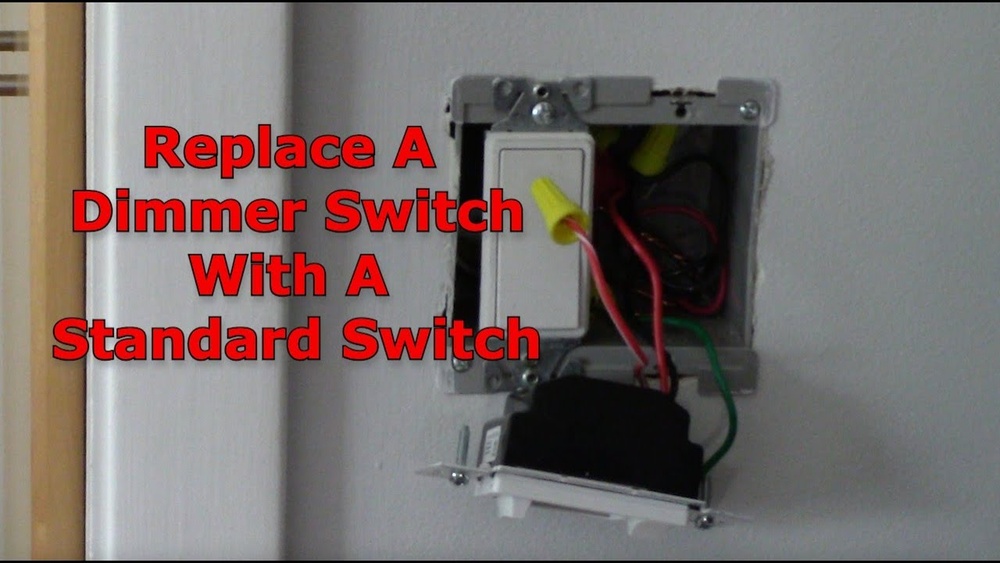
Next, remove the switch cover plate carefully. Use a screwdriver to take out the screws holding the plate. Keep the screws in a safe place for later use. You will see the switch and wires behind the plate.
Find the correct circuit breaker in your main panel. Switch it off to cut power to the light switch. Double-check by testing the switch with a voltage tester. No voltage means it is safe to continue.
Remove The Switch Cover Plate
Use a flathead or Phillips screwdriver. Unscrew the cover plate gently. Take the plate off and set it aside. This exposes the light switch and wiring.
Unscrew The Light Switch
Locate the screws holding the switch to the electrical box. Use a screwdriver to remove these screws. Pull the switch out carefully. Do not yank or pull too hard.
Disconnect The Wires
Look at how the wires are attached. Use a screwdriver or pliers to loosen the screws. Disconnect each wire from the switch. Keep track of which wire goes where.
Check The Wiring
Checking the wiring is a key step before replacing a light switch with a dimmer. It ensures safety and proper function. Incorrect wiring can cause problems or damage the dimmer switch. Take time to understand the wires inside the switch box.
Turn off power at the circuit breaker. Use a voltage tester to confirm no electricity flows to the switch. Safety first. Then remove the switch cover and pull out the switch carefully. Look at the wires attached to it.
Identify The Wire Types
Most switches have three types of wires: live (hot), neutral, and ground. The live wire carries current to the switch. Neutral wires return current to the electrical panel. Ground wires protect against electrical shocks.
Dimmer switches need a live wire and a ground wire. Some models require a neutral wire. Check the dimmer’s instructions to know which wires connect.
Check Wire Colors
Wire colors help identify their purpose. Black or red wires usually mean live wires. White wires are neutral. Bare copper or green wires are ground. Confirm these colors before connecting wires to the dimmer switch.
Look For Damaged Wires
Inspect wires for cracks, breaks, or frays. Damaged wires can cause shorts or fires. Replace any wire that looks worn or unsafe. Use electrical tape or wire nuts to secure wire ends.
Note The Wire Connections
Take a photo or draw a diagram of the current wire setup. Note which wires connect to which terminals. This helps connect the dimmer switch correctly. Avoid mixing wires or terminals.
Connect The Dimmer Switch
Connecting the dimmer switch is a key step in replacing a light switch. It controls the brightness of your lights, giving you more comfort and style. The process is simple if you follow the right steps carefully. You need to handle wires safely and connect them correctly for the dimmer to work well.
First, turn off the power at the circuit breaker. This prevents electric shock. Use a tester to check the wires. Make sure no electricity flows before you touch anything.
Identify The Wires
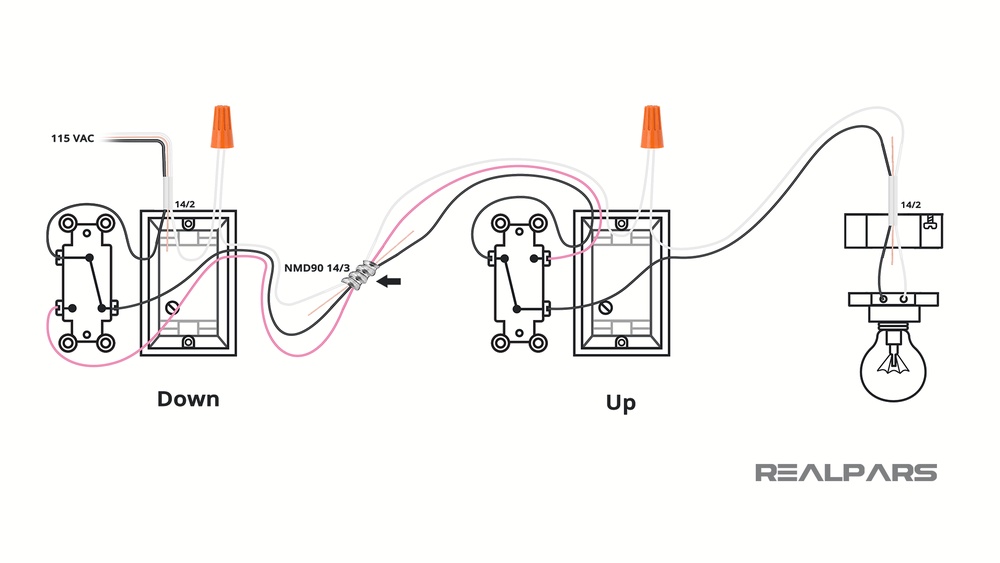
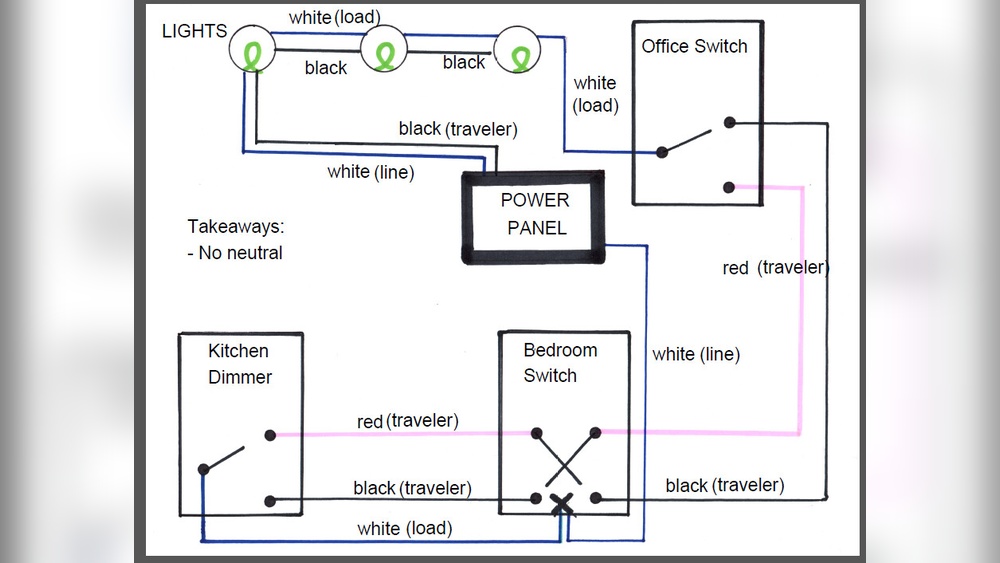
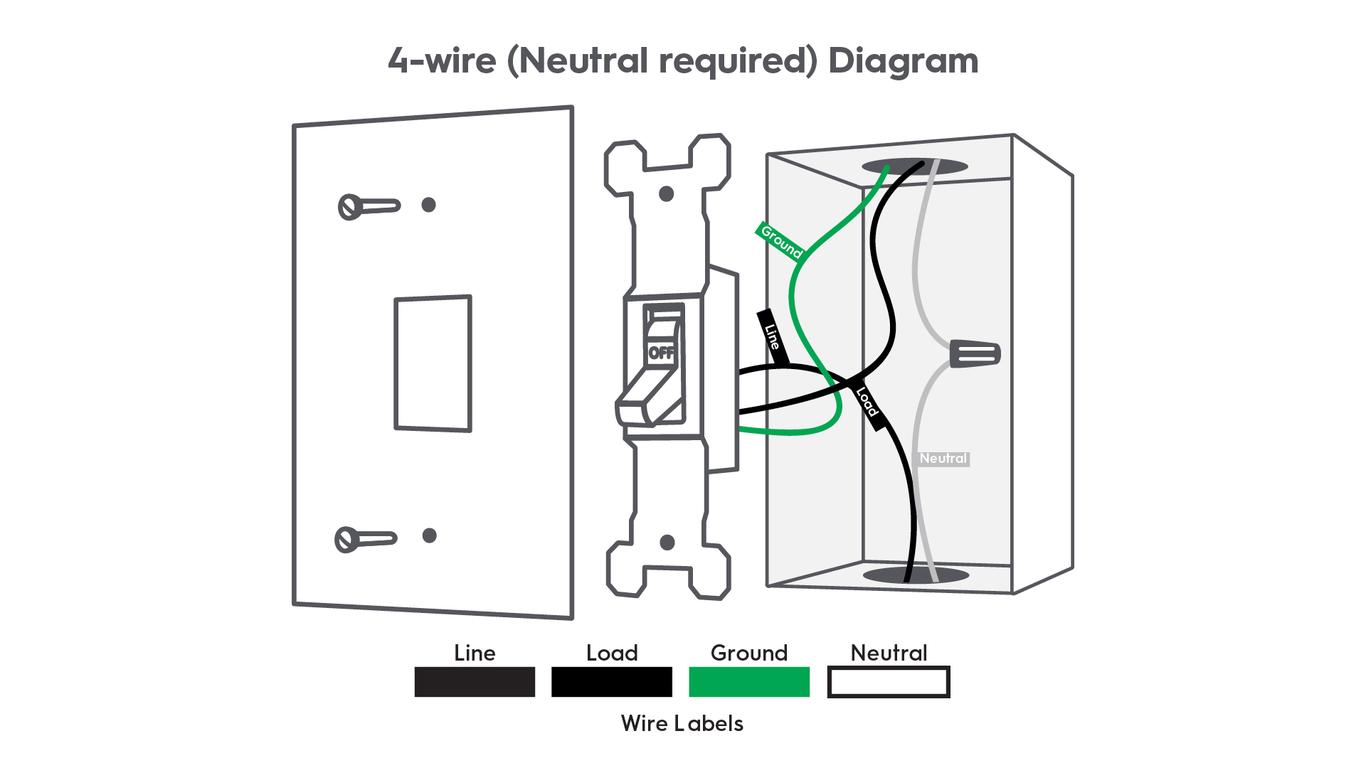
Look at the wires in the wall box. Typically, you will see a black “hot” wire, a white “neutral” wire, and a green or bare copper ground wire. The dimmer switch usually has two black wires and one green ground wire.
Connect The Ground Wire
Attach the green or bare copper wire from the wall to the green wire on the dimmer. Use a wire connector to secure them. This connection helps prevent electrical shocks.
Attach The Hot Wires
Connect one black wire from the dimmer to the black wire from the wall. Twist them together and cover with a wire connector. Do the same with the other black wire on the dimmer and the remaining black wire in the wall.
Secure The Connections
Push the connected wires carefully into the electrical box. Make sure no wires are loose or exposed. Loose wires can cause shorts or shocks.
Secure The Dimmer Switch
Securing the dimmer switch is a key step in the installation process. It ensures the switch stays in place and works safely. A properly secured dimmer switch prevents loose wiring and avoids electrical hazards.
Take time to fasten the switch firmly. This step helps maintain the switch’s performance and extends its lifespan.
Align The Dimmer Switch With The Wall Box
Start by positioning the dimmer switch so its screw holes match the wall box holes. This alignment is crucial for proper installation.
Hold the switch steady while preparing to secure it. Misalignment can cause difficulty in tightening the screws.
Tighten The Mounting Screws
Use a screwdriver to tighten the screws that attach the dimmer switch to the wall box. Turn the screws evenly to avoid tilting.
Do not overtighten. Excess pressure can crack the switch or damage the wall box.
Check The Switch Stability
Once secured, gently wiggle the dimmer switch to check its firmness. It should not move or feel loose.
A stable switch ensures reliable operation and prevents wear on wires inside.
Attach The Wall Plate
Place the wall plate over the dimmer switch and align the screw holes. Secure the plate with its screws.
The wall plate protects wiring and gives a clean, finished look.
Restore Power And Test
Restoring power and testing the new dimmer switch is a crucial step. It confirms the switch works and the installation is safe. This step ensures your lighting adjusts smoothly and without issues.
Turn The Circuit Breaker Back On
Locate your home’s circuit breaker panel. Find the switch that controls the light circuit you worked on. Flip the breaker switch back to the ON position. This restores power to the dimmer and the light fixture.
Test The Dimmer Switch Functionality
Go to the dimmer switch and slowly rotate or slide it. Watch the light to see if it dims smoothly. Check for flickering or any unusual behavior. The light should brighten and dim without interruption.
Check For Any Issues
Listen for buzzing or humming sounds from the dimmer. Feel the switch for any warmth or heat. Test the dimmer several times to be sure it works well. If problems appear, turn off power and review your wiring.
Troubleshooting Tips
Troubleshooting is a key part of replacing a light switch with a dimmer. Small issues can stop the dimmer from working correctly. Identifying these problems early saves time and effort. This section covers common problems and simple fixes for a smooth installation.
Check Power Supply
Always turn off the power before starting. Use a voltage tester to make sure no current flows. No power means the dimmer won’t work. Confirm the circuit breaker is on for the right switch.
Inspect Wiring Connections
Loose or wrong wiring causes dimmer failure. Double-check all wires match the dimmer’s instructions. Tighten any loose screws holding wires. Correct wiring ensures the dimmer controls light levels properly.
Test The Dimmer Switch
Sometimes the dimmer itself might be faulty. Test it on another working circuit if possible. Replace the dimmer if it does not respond. A good dimmer reacts smoothly to adjustments.
Confirm Bulb Compatibility
Not all bulbs work with dimmers. Check if the bulbs are labeled “dimmable.” Non-dimmable bulbs flicker or don’t change brightness. Use LED or incandescent bulbs made for dimmers.
Look For Overloading
Too many bulbs on one dimmer can cause problems. The dimmer has a maximum wattage limit. Add up all bulbs’ wattage to ensure it is below the limit. Overloading can cause flickering or damage.
Check For Interference
Electronic devices nearby might interfere with the dimmer. Move devices like routers or cordless phones away. Interference can cause flickering or erratic dimmer behavior.
Choosing The Right Dimmer Switch
Choosing the right dimmer switch is important for a smooth light adjustment. Dimmer switches control the brightness and mood in a room. Picking the correct type ensures safety and proper function.
Different dimmer switches work with different bulbs. Some dimmers suit LED lights, while others work with incandescent bulbs. Knowing your bulb type helps select the best dimmer switch.
Understanding Bulb Compatibility
Not all dimmers fit every bulb. LED bulbs need special dimmers made for low power. Incandescent bulbs work with most standard dimmers. Check the bulb package or manual for compatibility.
Choosing The Right Dimmer Type
Several dimmer types exist: rotary, slide, and digital. Rotary dimmers turn like a knob. Slide dimmers move up and down. Digital dimmers have buttons or touch controls. Pick one that feels easy to use.
Checking Dimmer Wattage Limits
Dimmer switches have a wattage limit. This limit tells how much power the switch can handle. Make sure the total wattage of your bulbs is below this limit. Exceeding it can cause damage or failure.
Considering Features And Style
Some dimmers offer extra features like memory or remote control. Others come in different colors and designs. Choose a dimmer that fits your room’s style and your needs.
Credit: www.gelighting.com
Frequently Asked Questions
How Do I Safely Replace A Light Switch With A Dimmer?
Turn off the power at the circuit breaker first. Remove the old switch, connect the dimmer wires accordingly, and secure it. Test the dimmer before restoring the wall plate. Always follow the manufacturer’s instructions and local electrical codes.
What Tools Are Needed To Install A Dimmer Switch?
You need a screwdriver, voltage tester, wire stripper, and electrical tape. A dimmer switch kit usually includes the necessary hardware. Having these tools ensures a safe, efficient installation process without extra trips to the store.
Can All Light Bulbs Work With Dimmer Switches?
No, only dimmable bulbs like LED, incandescent, or halogen work. Check the bulb packaging to confirm dimmer compatibility. Using non-dimmable bulbs may cause flickering or damage to the dimmer switch.
How Do I Know If My Dimmer Switch Is Compatible?
Check the dimmer’s load rating against your lighting fixture’s wattage. Confirm if it supports your bulb type, such as LED or incandescent. Compatibility ensures proper function and prevents electrical issues or dimmer damage.
Conclusion
Replacing a light switch with a dimmer can change room lighting easily. It allows you to adjust brightness to fit any mood or task. Always turn off power before starting to stay safe. Follow each step carefully to avoid mistakes.
A dimmer switch adds comfort and saves energy too. Enjoy the new control over your lights today. Simple upgrades like this make your home feel fresh and cozy.