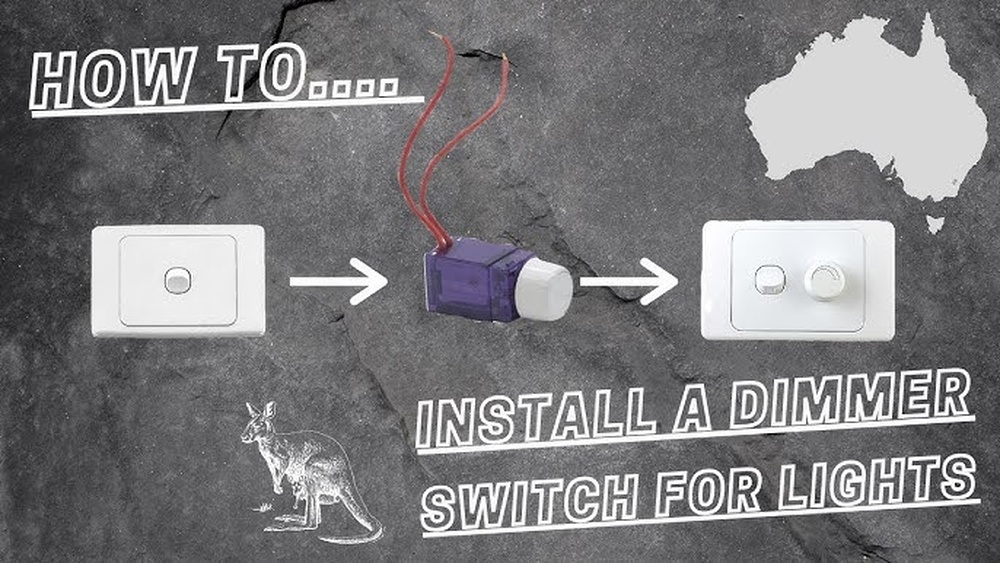
Are you tired of harsh, bright lights that don’t match your mood? Adding a dimmer switch to your existing light switch can instantly change the atmosphere in any room.
Imagine having full control over your lighting—soft and cozy for movie nights or bright and clear for work. In this guide, you’ll learn exactly how to install a dimmer switch step-by-step, even if you’re not a DIY expert. Keep reading, and by the end, you’ll have the power to transform your space with just a simple twist.
Tools And Materials Needed
Installing a dimmer switch is a simple way to control your room’s lighting. Before starting, gather all necessary tools and materials. This preparation helps the work go smoothly and safely.
Tools Needed
- Flathead screwdriver
- Phillips screwdriver
- Wire stripper
- Voltage tester
- Needle-nose pliers
- Electrical tape
Materials Needed
- Dimmer switch suitable for your light type
- Wire connectors (wire nuts)
- Wall plate for dimmer switch
Make sure the dimmer switch matches your light bulb type. Some dimmers work only with LED or incandescent bulbs. Check the power rating on the dimmer switch to avoid overload.
Choosing The Right Dimmer Switch
Choosing the right dimmer switch is important for a smooth installation and good lighting control. The right switch helps you save energy and extend the life of your bulbs. It also fits your needs and works well with your home’s electrical system. Understanding different types, compatibility, and wattage limits will guide you to the best choice.
Types Of Dimmer Switches
There are several types of dimmer switches. Rotary dimmers use a turn knob to adjust brightness. Slide dimmers have a sliding control for smooth dimming. Touch dimmers work with a simple tap or swipe. Smart dimmers connect to apps for remote control. Each type suits different preferences and setups.
Compatibility With Bulbs
Not all dimmers work with every bulb type. Some dimmers are made for incandescent bulbs only. Others support LED, CFL, and halogen bulbs. Check the package to see which bulbs the dimmer supports. Using the wrong dimmer can cause flickering or damage the bulb. Choose a dimmer that matches your bulb type.
Wattage Limits
Every dimmer switch has a wattage limit. This limit shows how much total power it can handle. Add the wattage of all bulbs on the switch to stay under the limit. Exceeding the limit can cause overheating or failure. Select a dimmer with a wattage rating higher than your bulbs’ total wattage.
Safety Precautions
Working with electrical switches requires care. Safety should be your top priority. Taking proper steps protects you from shocks and accidents. Follow these precautions before starting the installation.
Turning Off Power
Always switch off the power at the circuit breaker. Do not rely only on the wall switch. Confirm that the power is off to avoid electric shock. Use the breaker panel to cut electricity to the room. Double-check that no lights or devices are working before you start.
Using A Voltage Tester
Use a voltage tester to ensure no power is present. Test the wires inside the switch box carefully. Touch the tester to each wire to check for current. The tester shows if electricity is still flowing. This step is essential to confirm the power is off. Never skip this test for your safety.
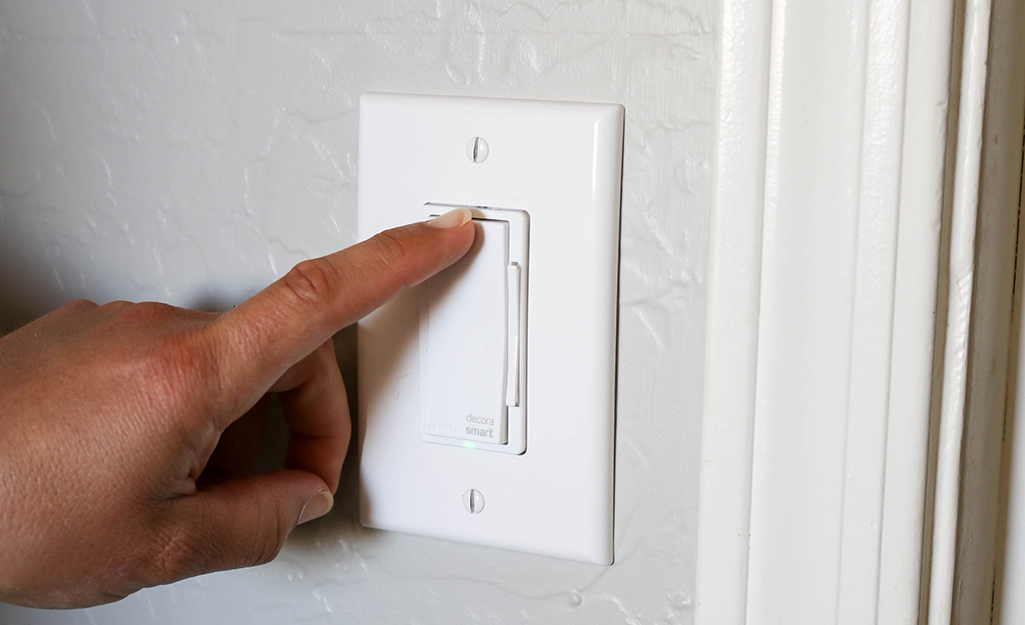
Credit: www.homedepot.com
Removing The Existing Switch
Removing the existing switch is the first step to install a dimmer switch. It helps to work safely and prepare the wires for the new device. Follow each step carefully to avoid any damage or errors.
Turn Off The Power
Find the circuit breaker and switch off the power to the light switch. Test the switch to confirm no electricity flows. Use a voltage tester to be sure.
Remove The Switch Cover Plate
Unscrew the cover plate with a screwdriver. Keep the screws safe for later use. Gently pull the plate away from the wall.
Unscrew The Existing Switch
Take out the screws holding the switch to the electrical box. Pull the switch out slowly. Avoid pulling on the wires.
Note The Wire Connections
Look closely at how the wires connect to the switch. Take a picture or write notes. This helps to reconnect the wires correctly later.
Disconnect The Wires
Loosen the screws or release the wire connectors. Carefully remove each wire from the switch. Keep the wires separate to avoid confusion.
Wiring The Dimmer Switch
Wiring the dimmer switch is a key step in installing it. It controls how much light your bulb gives off. Careful wiring ensures the dimmer works safely and correctly. Follow these simple steps to connect the wires properly.
Identifying Wires
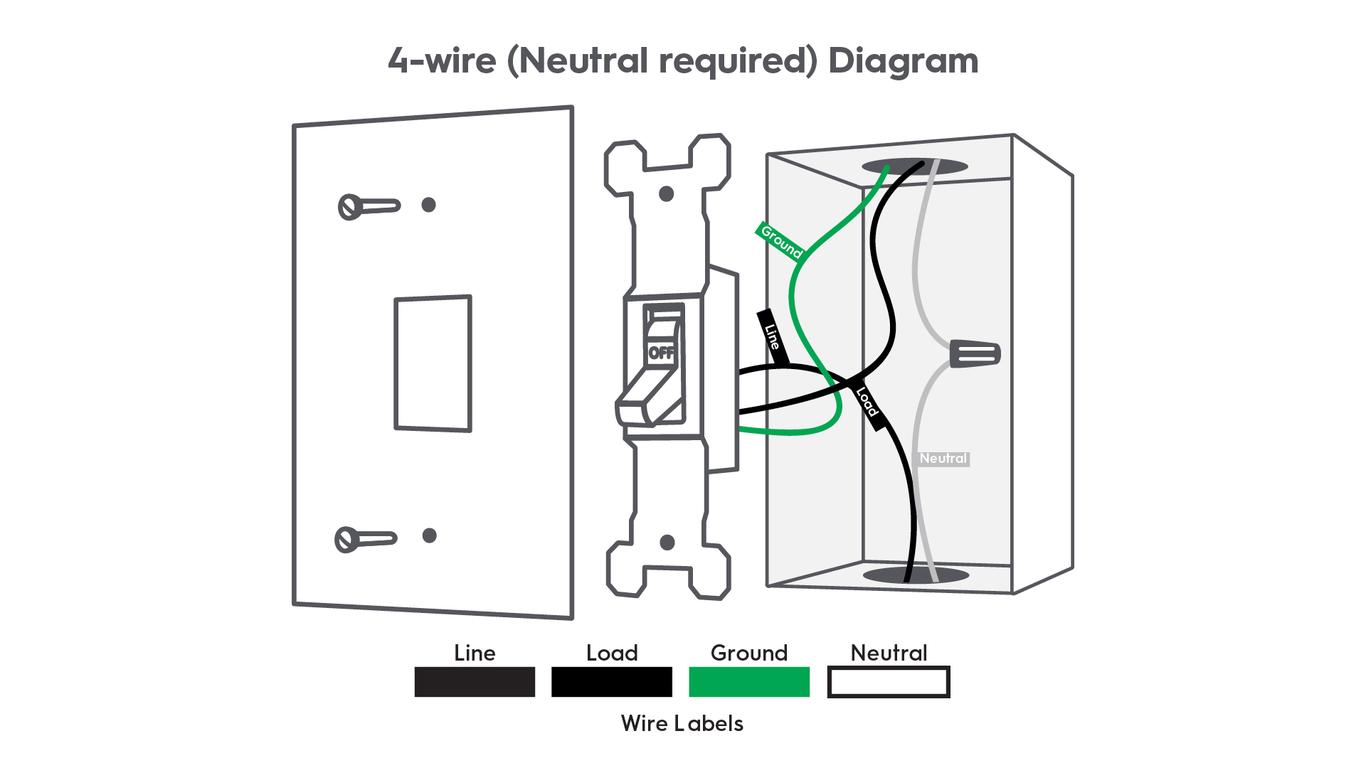
Turn off the power before touching any wires. Remove the old switch cover to see the wires. Usually, you will see three types of wires: live, neutral, and ground. The live wire is often black or red. The neutral wire is white. The ground wire is green or bare copper. Use a voltage tester to check which wire is live. Knowing which wire is which helps avoid mistakes.
Connecting Wires Correctly
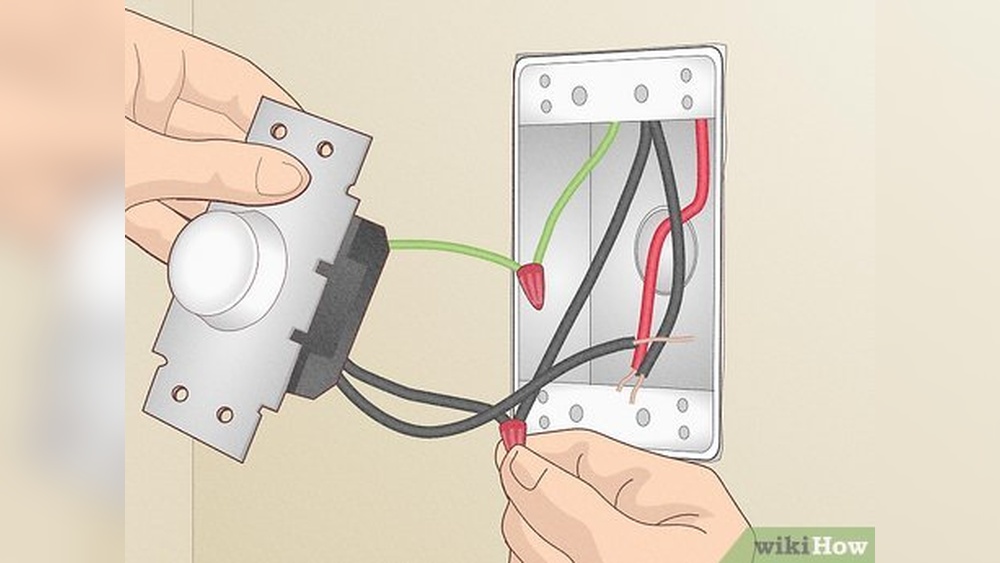
Match the dimmer switch wires to your home wires. Most dimmers have two black wires and one green wire. Connect the black wires from the dimmer to the live and load wires in the wall. Twist the wires together and use wire nuts to hold them. Attach the green wire from the dimmer to the ground wire in the wall. Do not connect the neutral wire to the dimmer. This step keeps your switch safe and functional.
Securing The Connections
Check all wire connections are tight and secure. Loose wires can cause flickering or sparks. Wrap electrical tape around the wire nuts for extra safety. Carefully push the wires into the electrical box. Screw the dimmer switch plate back onto the wall. Turn the power back on and test the dimmer switch. The light should dim smoothly without flickers.
Credit: www.gelighting.com
Installing The Dimmer Switch
Installing a dimmer switch can change the mood of any room. It lets you control light brightness easily. The process is simple and safe with the right steps. This guide helps you install a dimmer switch correctly.
Turn Off Power At The Circuit Breaker
Start by turning off the power to the light switch. Find your circuit breaker box. Flip the switch that controls the room’s power. Use a tester to confirm the power is off. Safety first.
Remove The Existing Light Switch
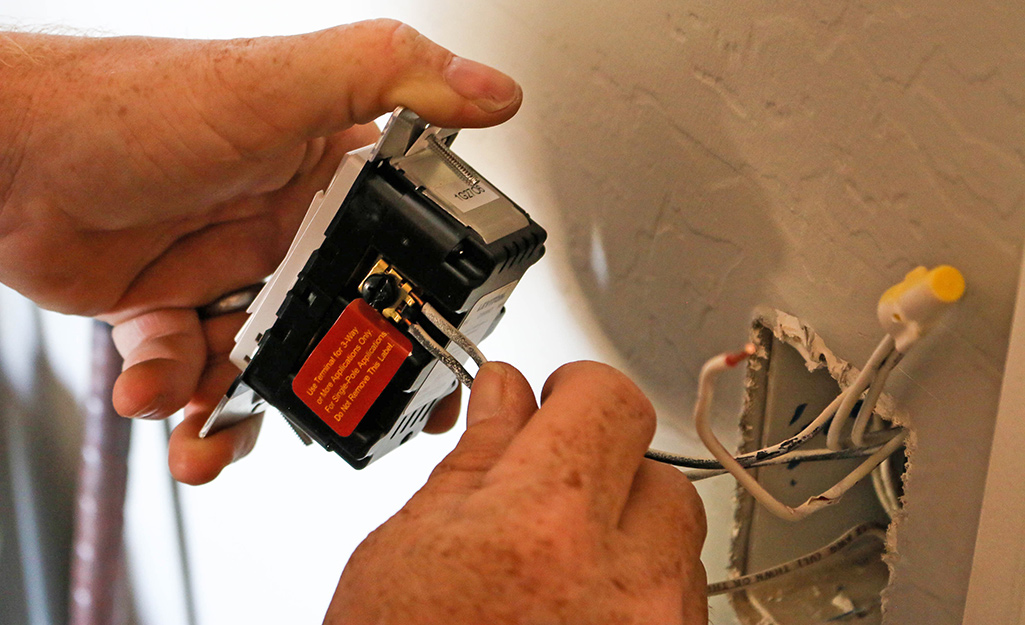
Unscrew the faceplate from the switch. Use a screwdriver to remove mounting screws. Gently pull the switch from the wall box. Notice how wires connect to the switch. Take a photo for reference.
Connect The Dimmer Switch Wires
Match the dimmer wires to the existing wires. Usually, black wires connect together. Connect the green or copper wire to ground. Use wire nuts to secure connections. Wrap wires with electrical tape for safety.
Mount The Dimmer Switch
Carefully push wires into the wall box. Align the dimmer switch with mounting holes. Screw the switch securely into place. Avoid overtightening to prevent damage.
Attach The Faceplate And Restore Power
Place the dimmer faceplate over the switch. Screw it tightly but gently. Return to the circuit breaker box. Turn the power back on. Test the dimmer by adjusting the brightness.
Testing The Dimmer Switch
Testing the dimmer switch is a key step after installation. It helps ensure the switch works properly and safely. You need to check if the light dims smoothly and the switch feels right. This process also helps catch any wiring issues early.
Turn On The Power
Start by turning the power back on at the circuit breaker. Never test the switch with the power off. Use the switch to turn the light on and off. Confirm the light powers up without flickering or delay.
Adjust The Dimmer
Slowly move the dimmer control from low to high. Watch the light change brightness smoothly. There should be no sudden jumps or flickering. The light should brighten and dim evenly.
Listen For Noise
Pay attention to any buzzing or humming sounds. Dimmer switches sometimes create noise if not compatible with the bulb. If you hear sounds, try a different bulb type. Quiet operation means the switch and bulb work well together.
Check For Heat
Touch the dimmer switch gently after a few minutes. It may feel warm but not hot. Excess heat can mean a wiring or compatibility problem. If the switch is too hot, turn off the power and review the installation.
Troubleshooting Common Issues
Installing a dimmer switch can improve your room’s lighting and mood. Sometimes, small problems may occur after installation. Troubleshooting these common issues helps keep your dimmer working well. Understanding these fixes saves time and avoids frustration.
Flickering Lights
Flickering lights often mean a poor connection. Check if the bulb is compatible with the dimmer switch. Use LED bulbs designed for dimmers. Loose wiring can cause flicker. Turn off power and tighten wire connections. Replace old bulbs if flickering continues.
Dimmer Not Working
The dimmer switch may not work due to wrong wiring. Ensure the dimmer is connected to the correct wires. Power should be off before checking. Some dimmers need a neutral wire; confirm your setup. A faulty dimmer switch can also cause problems. Replace it if needed.
Buzzing Noise
A buzzing noise comes from incompatible bulbs or switches. Use dimmer-compatible bulbs to reduce noise. A low-quality dimmer switch may also buzz. Consider upgrading to a better model. Tighten loose wires to stop the noise. Buzzing can mean the dimmer is overloaded.
Tips For Optimal Use
Using a dimmer switch can improve your room’s lighting and save energy. Proper use helps the switch last longer and work smoothly. Follow simple tips for the best results.
Choose The Right Bulbs
Use bulbs made for dimmers. LED and CFL bulbs may not work well with all dimmers. Check the package to confirm compatibility. This avoids flickering and buzzing sounds.
Adjust Brightness Slowly
Turn the dimmer slowly to find the perfect light level. Quick changes may damage the switch. Slow adjustments help bulbs last longer and keep your eyes comfortable.
Keep The Switch Clean
Dust and dirt can affect the dimmer’s performance. Wipe the switch gently with a dry cloth. Avoid using water or cleaning sprays directly on it.
Do Not Overload The Dimmer
Check the maximum wattage on the dimmer switch. Avoid connecting too many bulbs that exceed this limit. Overloading can cause overheating and damage the switch.
Use Dimmer Switches For Suitable Rooms
Dimmer switches work best in living rooms, bedrooms, and dining areas. Avoid using them in kitchens and bathrooms where bright light is important for safety.
Credit: www.homedepot.com
Frequently Asked Questions
What Tools Are Needed To Install A Dimmer Switch?
You need a screwdriver, voltage tester, wire stripper, electrical tape, and the dimmer switch itself. Safety gear like gloves is recommended.
Can I Replace Any Light Switch With A Dimmer Switch?
Most standard switches can be replaced with dimmers. Ensure compatibility with your light bulbs for best results.
Are Dimmer Switches Compatible With Led Lights?
Yes, but use dimmer switches designed for LED bulbs to avoid flickering or damage.
How Do I Safely Turn Off Power Before Installation?
Switch off the circuit breaker controlling the light switch to prevent electrical shock during installation.
Conclusion
Adding a dimmer switch can change your room’s mood easily. It saves energy and helps your lights last longer. The steps are simple and safe when you follow instructions. Take your time and double-check your work. Enjoy the soft glow and control over your lighting.
A small change can make a big difference in comfort. Try it yourself and see how your space feels new.