Have you ever wondered how to run a light switch yourself and save time and money? Whether you’re updating a room or fixing a broken switch, knowing the simple steps can give you confidence and control over your home.
In this guide, you’ll discover easy-to-follow instructions that anyone can understand, even if you’ve never worked with electrical wiring before. Keep reading, and by the end, you’ll be ready to handle your light switch project safely and efficiently.

Credit: community.smartthings.com
Tools And Materials Needed
Running a light switch requires the right tools and materials. Having everything ready makes the job easier and safer. This section lists all you need before starting your project.
Essential Tools
Gather a screwdriver set with flathead and Phillips heads. A voltage tester is crucial to check power before touching wires. Wire strippers help remove insulation cleanly. Needle-nose pliers assist in bending and holding wires. Electrical tape secures wire connections. A flashlight can improve visibility in dark areas.
Choosing The Right Switch
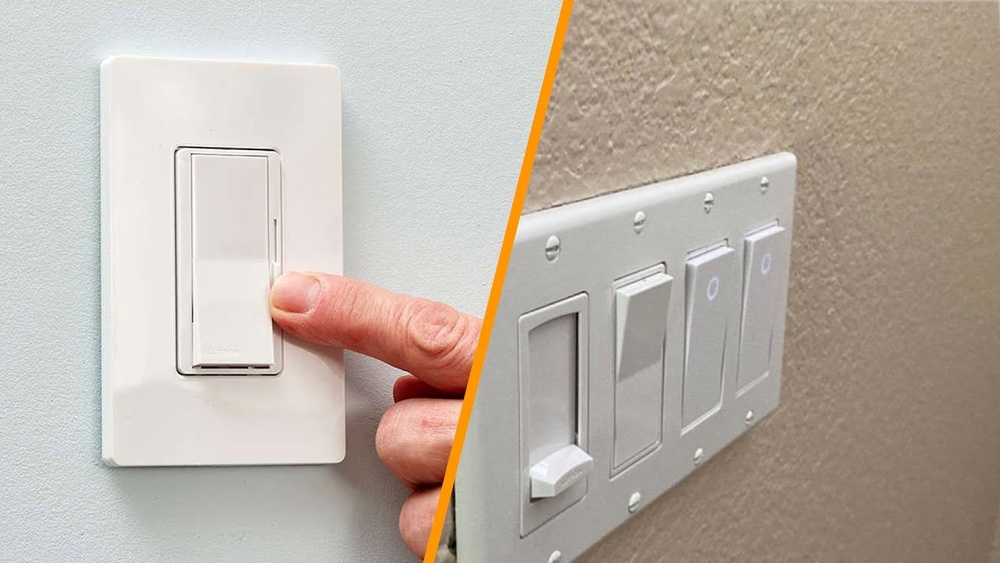
Pick a switch that matches your wiring and room style. Single-pole switches control one light from one place. Three-way switches let you control a light from two locations. Choose switches rated for your electrical system’s voltage and current. Look for switches with clear instructions and certifications for safety.
Safety Gear
Wear insulated gloves to protect against shocks. Safety glasses shield your eyes from debris. Use rubber-soled shoes to reduce electric shock risk. Keep a first aid kit nearby. Always turn off the power at the breaker before starting work.

Credit: diy.stackexchange.com
Preparing The Work Area
Preparing the work area is the first step to safely run a light switch. It helps avoid accidents and makes the job easier. A clean and organized space improves focus. Safety must come first before starting any electrical work.
Turning Off Power
Always turn off power before touching wires. Go to your home’s circuit breaker panel. Find the switch that controls the light circuit. Flip it to the off position. Use a voltage tester to check the wires. Make sure no electricity flows through them.
Clearing The Space
Remove furniture and objects near the work area. Clear the floor to avoid tripping hazards. Good lighting helps see wires and tools clearly. Keep tools and materials within easy reach. A tidy space helps you work faster and safer.
Removing The Old Switch
Removing the old light switch is the first step in installing a new one. This task requires care and attention to avoid electrical hazards. Before starting, always turn off the power from the circuit breaker. This ensures safety while handling wires and components.
Work slowly and keep track of screws and wires. Each step is simple but important. Follow the instructions below to remove the old switch safely and correctly.
Unscrewing The Cover Plate
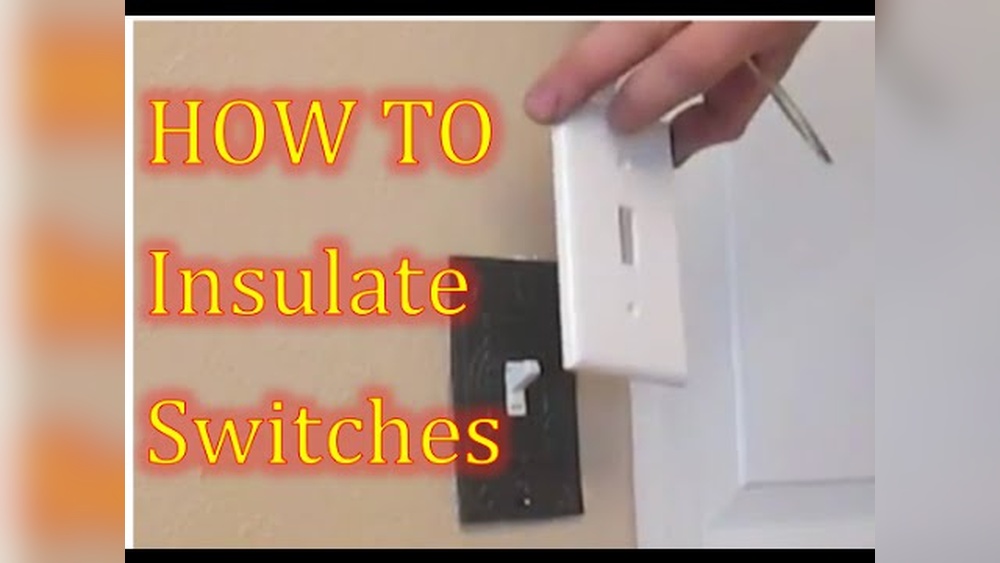
Locate the screws holding the cover plate over the switch. Use a flathead or Phillips screwdriver to remove these screws. Place the screws somewhere safe to avoid losing them.
Gently pull the cover plate away from the wall. It should come off easily. If it sticks, wiggle it slightly without forcing it.
Disconnecting Wires
Look behind the switch to see the connected wires. Usually, there are two or three wires attached. Before touching, double-check that power is off.
Use a screwdriver to loosen the screws holding the wires. Carefully detach each wire from the switch terminals. Note or take a picture of wire positions for reference.
Once wires are free, remove the old switch from the wall box. Keep the wires separated and safely away from metal parts.
Wiring The New Switch
Wiring the new switch is an important step in replacing a light switch. It ensures the switch works correctly and safely. This process involves identifying the wires, connecting them properly, and securing the switch in place. Understanding these steps helps avoid electrical problems and keeps your home safe.
Identifying Wire Types
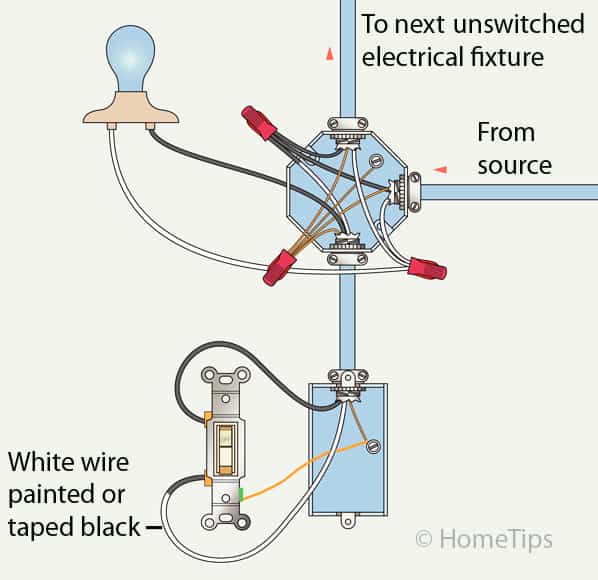
Look inside the switch box to see the wires. You will find three main types: live (hot), neutral, and ground. The live wire is usually black or red. The neutral wire is white. The ground wire is green or bare copper. Knowing these wires helps you connect the switch correctly.
Connecting Wires Safely
Turn off the power at the circuit breaker before touching any wires. Use a voltage tester to confirm no current flows. Attach the live wire to the switch terminal marked “live” or “common.” Connect the ground wire to the green screw or ground terminal. Neutral wires usually stay connected together in the box. Tighten all wire connections securely to avoid loose contacts.
Securing The Switch
After wiring, push the switch gently into the box. Align the screw holes with the box holes. Use screws to fasten the switch firmly. Avoid overtightening, which can damage the switch. Attach the faceplate to cover the switch and wires. Finally, restore power and test the switch to ensure it works.
Testing The Installation
Testing the installation is a key step after wiring your light switch. It ensures safety and proper function. Take your time to check everything carefully. This helps avoid electrical problems later. Follow each step to confirm the switch works right.
Restoring Power
First, turn the power back on at the breaker box. Make sure the switch is in the off position. Switch the breaker to the ON setting. This restores electricity to your circuit. Use caution to avoid any shocks.
Checking Switch Functionality
Flip the switch up and down slowly. Watch the light fixture for response. The light should turn on and off smoothly. If it flickers or does not respond, check wiring again. A steady light means the installation is correct.
Credit: www.hometips.com
Troubleshooting Common Issues
Troubleshooting common problems with light switches can save time and effort. Many issues are easy to fix with basic checks. Understanding these problems helps keep your lights working safely and well.
Switch Not Working
A switch that does not work often means no power flow. Check the circuit breaker first. It might be tripped or off. Test the switch by flipping it on and off. If the light still does not turn on, the switch may be faulty. Replacing the switch usually solves the problem.
Flickering Lights
Flickering lights can be annoying and unsafe. This often means a loose wire or bad connection. Another cause is a bulb that is about to burn out. Try tightening the bulb or changing it. If flickering continues, check wiring in the switch box or fixture. Call an electrician if unsure.
Loose Connections
Loose connections in the wiring can cause many switch problems. They create sparks and may damage the switch. Turn off power before checking any wires. Tighten any loose screws or wires in the switch box. Make sure all wires are secure and properly connected. This simple step improves switch performance and safety.
Safety Tips For Future Maintenance
Safety is key when maintaining a light switch. Regular care prevents accidents and keeps your home safe. Simple checks can spot problems early and save you from bigger troubles. Knowing when to get expert help is also important.
Regular Inspections
Check your light switch every few months. Look for cracks, loose parts, or strange sounds. Make sure the switch feels firm and works smoothly. If you see any damage, fix it quickly. Turn off the power before touching the switch.
When To Call A Professional
Call an electrician if the switch sparks or smells burnt. If the switch feels hot or does not work right, get help. Avoid fixing complex wiring on your own. Professionals have the tools and knowledge to keep you safe.
Frequently Asked Questions
How Do You Properly Wire A Light Switch?
To wire a light switch, first turn off the power at the breaker. Connect the live wire to the switch’s terminal. Attach the load wire to the other terminal. Secure ground wires if present. Finally, test the switch after restoring power.
What Tools Are Needed To Run A Light Switch?
You need a screwdriver, wire stripper, voltage tester, electrical tape, and wire nuts. These tools help safely connect and secure wires when running a light switch. Always use insulated tools to reduce electric shock risks.
Can I Run A Light Switch On My Own Safely?
Yes, if you follow safety guidelines. Always cut power before starting, use the correct tools, and understand wiring basics. If unsure, consult a licensed electrician to avoid hazards and ensure code compliance.
What Types Of Light Switches Can I Run?
You can run single-pole, three-way, or dimmer switches. Single-pole switches control one fixture from one location. Three-way switches control a fixture from two locations. Dimmers adjust light brightness for ambiance or energy savings.
Conclusion
Running a light switch is simple with the right steps. Always turn off power before starting work. Use basic tools and follow safety rules carefully. Test the switch to make sure it works well. Taking your time helps avoid mistakes and accidents.
Now you can control your lights with confidence. Practice makes the process easier and safer each time. Enjoy the convenience of your properly installed light switch.