Are you planning to install pot lights but unsure how many you can control with a single switch? Getting this right is key to creating the perfect lighting atmosphere in your room without overloading your circuit or ending up with a confusing setup.
You’ll discover the simple rules and expert tips for deciding how many pot lights should be connected to one switch. By the end, you’ll feel confident making smart choices for your lighting project that save you time, money, and frustration.
Keep reading to light up your space the right way!
Factors Affecting Pot Light Count
Determining how many pot lights to connect to one switch depends on several key factors. These influence the lighting quality, safety, and efficiency of your space. Understanding them helps you plan the right number of lights per switch. Each factor affects the count in different ways.
Room Size And Shape
The size of the room affects how many pot lights you need. Larger rooms require more lights to cover the space evenly. Room shape matters too. Odd shapes or high ceilings might need extra lights in some areas. Smaller rooms need fewer lights to avoid over-brightness. Proper spacing ensures balanced lighting throughout.
Lighting Purpose
The main use of the room guides pot light count. Task areas like kitchens need brighter, focused lights. Living rooms need softer, ambient lighting. Accent lighting highlights art or decor. Each purpose changes how many lights you install. Choose the count based on how you use the room most.
Wattage And Lumens
Pot lights come in different wattages and lumens. Wattage shows power use, lumens show brightness. Higher lumens mean fewer lights are needed for the same brightness. Lower wattage bulbs save energy but might need more fixtures. Balance brightness and energy use for the best setup.
Switch Capacity Limits
Each switch can only handle a certain electrical load. This limits how many pot lights you can connect. Overloading the switch can cause safety hazards or damage. Check the switch rating before installing many lights. Sometimes, splitting lights across multiple switches is safer and more effective.

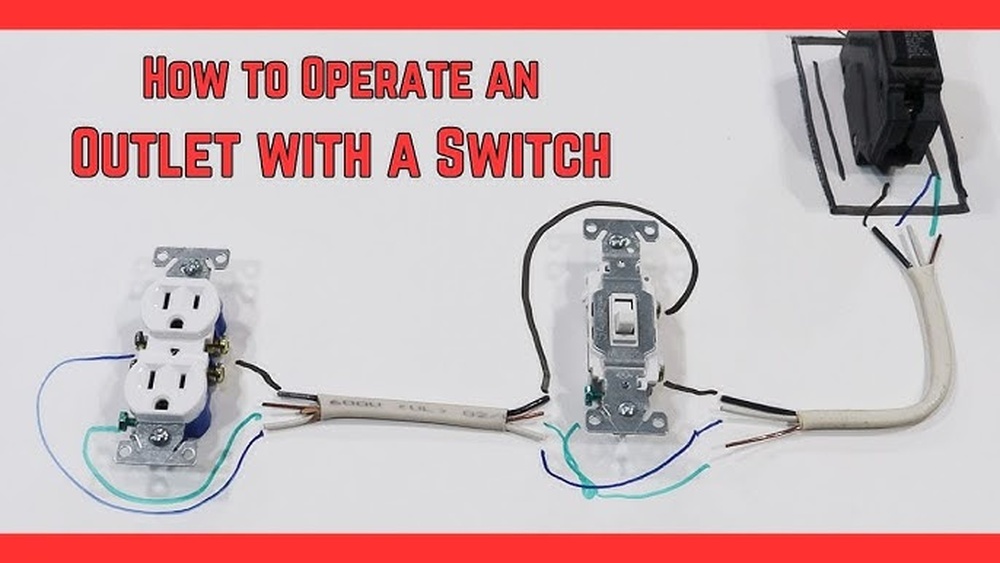
Credit: www.youtube.com
Standard Pot Light Quantities
Choosing the right number of pot lights for each room is key to good lighting. Standard pot light quantities depend on room size and purpose. This helps create a balanced and bright space without too many shadows or glare.
Pot lights usually spread evenly across the ceiling. The goal is to light the room well and avoid dark spots. The number of lights per switch also matters. It affects how easy it is to control the brightness and save energy.
Small Rooms
Small rooms need fewer pot lights. A room around 100 square feet works well with 4 to 6 lights. These lights should be spaced about 4 to 5 feet apart. One switch can control all the lights. This setup keeps the ceiling simple and the room bright.
Medium Rooms
Medium rooms cover about 200 square feet. They often need 6 to 9 pot lights for good coverage. Space lights 4 to 6 feet apart. Use one or two switches to split the lights. This allows better control of light levels and energy use.
Large Rooms
Large rooms are 300 square feet or more. They need 9 to 15 pot lights to light the whole space. Lights should be spaced about 5 to 6 feet apart. Multiple switches help manage light zones. This makes the room flexible for different activities.
Switch Types And Their Impact
Switch types play a key role in lighting design. They affect how many pot lights you can control from one switch. Choosing the right switch type helps manage light zones well. It also impacts convenience and wiring complexity.
Understanding switch types guides your pot light setup. Each switch type offers different control options. This affects the number of lights per switch and how you use them daily.
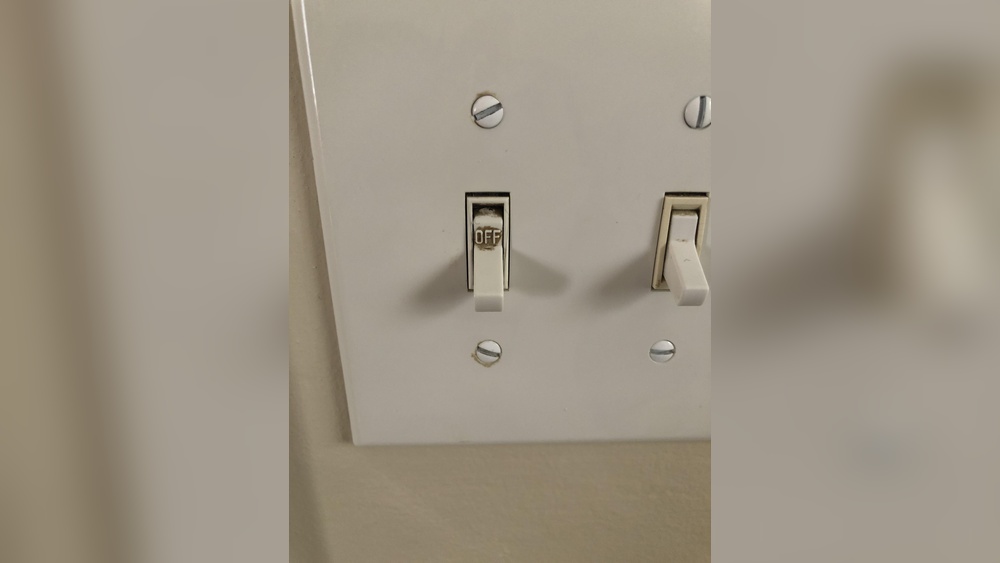
Single-pole Switches
Single-pole switches control lights from one location. They are the most common and simple switches. Each switch can manage multiple pot lights on one circuit. The number depends on the circuit rating and light wattage. Usually, 6 to 10 pot lights work well per switch.
Three-way Switches
Three-way switches control lights from two locations. They add convenience for large rooms or hallways. Wiring is more complex but allows flexible control. You can connect multiple pot lights to one three-way switch setup. The number remains limited by circuit size and load.
Dimmer Switches
Dimmer switches adjust light brightness smoothly. They create mood and save energy. Dimmers work with certain pot lights only. The total wattage on a dimmer must not be too high. Usually, fewer pot lights fit on a dimmer switch. Check the dimmer’s maximum load before installation.

Credit: citylightssf.com
Electrical Load Considerations
Understanding electrical load is key when planning how many pot lights to connect per switch. It helps avoid overloading circuits and ensures safety. The load depends on the wattage of each light and the total number of lights on one circuit. Correct load calculation prevents breakers from tripping and wires from overheating.
Maximum Circuit Load
The maximum load on a circuit depends on its amperage rating. Most home circuits handle 15 or 20 amps. Each pot light uses a certain number of watts. To find the total load, add the wattage of all lights on the circuit. This total should not exceed 80% of the circuit’s capacity.
For example, a 15-amp circuit at 120 volts supports up to 1800 watts. But only 1440 watts (80%) is safe for continuous load. This helps keep the circuit stable and safe.
Breaker Ratings
Breakers protect your electrical system by stopping overloads. Each breaker has a specific rating, like 15 or 20 amps. Never exceed the breaker’s rating with your pot lights. Doing so causes frequent trips and potential damage.
Choose the right breaker for the total wattage of your lights. If the load is too high, split lights across multiple circuits. This balances the load and keeps your system secure.
Wire Gauge Importance
Wire gauge affects how much current the wire can safely carry. Thicker wires carry more current without overheating. Using the wrong gauge can cause heat buildup and fire risk.
For 15-amp circuits, 14-gauge wire is standard. For 20-amp circuits, 12-gauge wire is needed. Always match wire gauge to breaker size and load. This ensures safe and efficient electrical flow.
Layout Tips For Even Lighting
Proper pot light layout is key to achieving even lighting in a room. A good design avoids dark spots and bright patches. It makes the space feel balanced and comfortable. Follow these tips to place your pot lights well and ensure smooth, even light coverage.
Spacing Between Lights
Space pot lights evenly to cover the entire area. Too close lights cause glare and waste energy. Too far apart create shadows and dark spots. A good rule is to space lights about half the ceiling height apart. For example, if the ceiling is 8 feet high, space lights about 4 feet apart. This spacing helps light spread evenly.
Avoiding Shadows
Place lights to reduce shadows on walls and work surfaces. Avoid putting lights only in the center of the room. Instead, spread them toward the edges. This reduces harsh shadows and brightens corners. Use multiple light sources in larger rooms to soften shadows further.
Highlighting Key Areas
Focus lights on important spots like reading areas, kitchen counters, or artwork. Use adjustable pot lights to direct light exactly where needed. This adds depth and interest to the room. Highlighting key areas also improves room function and comfort.
Energy Efficiency And Cost
Choosing the right pot lights affects both energy use and your bills. Understanding energy efficiency and cost helps you make smart lighting choices. The number of pot lights per switch impacts how much power your lighting system consumes. Efficient lighting saves money and reduces energy waste.
Led Vs Incandescent Pot Lights
LED pot lights use less electricity than incandescent bulbs. They last much longer and stay cool to the touch. Incandescent lights burn out faster and use more energy. LED lights offer bright light with lower energy use. This choice cuts down on power bills and bulb replacements.
Running Costs
Running costs depend on the bulb type and how many lights you use. More pot lights on one switch can increase energy consumption. LEDs cost less to run every month. Incandescent bulbs add up to higher electricity bills. Using LED pot lights lowers your monthly energy expenses.
Long-term Savings
Long-term savings come from using energy-efficient bulbs and fewer replacements. LED pot lights save money over years by using less power. They reduce the need to buy new bulbs often. Installing the right number of pot lights per switch helps control energy use. This balance brings steady savings over time.
Common Installation Mistakes
Installing pot lights can brighten any room. Mistakes during setup can cause problems. These errors reduce light quality and safety. Knowing common mistakes helps avoid them. Here are three frequent issues when planning pot lights per switch.
Overloading Switches
Many try to connect too many lights to one switch. This overloads the switch, causing it to overheat. Overheated switches can fail or start fires. Check the switch’s amp rating before wiring. Spread lights across multiple switches if needed.
Poor Spacing
Incorrect spacing between pot lights creates uneven lighting. Lights too close cause glare and shadows. Too far apart, dark spots appear on walls or floors. Measure room size and choose spacing carefully. Proper spacing ensures smooth, balanced light coverage.
Ignoring Room Usage
Each room needs different light levels and types. Kitchen needs bright, focused light for cooking. Living rooms benefit from softer, warm lighting. Ignoring usage leads to uncomfortable or ineffective lighting. Match pot lights to how the room is used.
Smart Lighting Integration
Smart lighting integration changes how many pot lights you can control per switch. It allows easy management of multiple lights with modern technology. This system makes lighting more flexible and user-friendly. You can control lights from anywhere and create the perfect mood for any room.
Remote Control Options
Smart lighting offers remote control through apps on your phone. This lets you turn pot lights on or off without using the switch. You can adjust brightness and change colors if your lights support it. Remote control helps manage many pot lights from one place. It is especially useful for large rooms or open spaces.
Voice Activation
Voice activation works with smart assistants like Alexa or Google. You can turn pot lights on or off by speaking simple commands. This hands-free control adds convenience and safety, especially in dark rooms. Voice commands also allow adjusting light levels for comfort. It makes managing multiple pot lights easier than ever.
Scheduling Features
Scheduling lets you set timers for pot lights to turn on or off automatically. You can create daily routines for better energy use and security. For example, lights can switch on before you arrive home. Scheduling saves energy by avoiding lights left on by mistake. It gives you control over many pot lights without manual effort.

Credit: www.youtube.com
Frequently Asked Questions
How Many Pot Lights Can One Switch Control?
Typically, one switch can control 6 to 10 pot lights. This depends on the total wattage and circuit capacity. Always check local electrical codes and the power rating of your lights to ensure safety and efficiency.
What Factors Affect Pot Lights Per Switch?
Factors include the circuit’s amperage, total wattage of lights, and wiring capacity. Room size and lighting needs also influence how many pot lights a single switch can handle effectively.
Can I Control Multiple Pot Lights With One Switch?
Yes, a single switch can control multiple pot lights if the circuit supports the total load. This setup is common for uniform lighting in rooms or hallways.
Should Pot Lights Be On Separate Switches?
Separating pot lights on different switches allows better control and energy efficiency. It helps customize lighting levels in various room areas based on usage and preference.
Conclusion
Choosing the right number of pot lights per switch improves your room’s lighting. It saves energy and makes the space feel balanced. Think about the room size and light brightness before deciding. Too many lights on one switch can cause overload.
Too few might leave dark spots. Plan carefully for comfort and safety. Good lighting makes any room feel cozy and functional. Now, you can pick the best setup for your home easily.