Are you struggling to find the right concrete wall anchor for your project? Choosing the wrong one can lead to weak holds, wasted time, and even safety risks.
But don’t worry—this guide will help you pick the perfect anchor with confidence. By understanding the key factors that affect your choice, you’ll save money, avoid frustration, and ensure your walls stay secure. Keep reading, and you’ll discover simple tips that make a big difference in your next build or repair.
Types Of Concrete Wall Anchors
Concrete wall anchors come in different types. Each type has a specific use. Knowing these types helps you pick the right anchor for your project. This section explains the main types of concrete wall anchors.
Expansion Anchors
Expansion anchors work by expanding inside a drilled hole. They grip the concrete tightly. These anchors hold medium to heavy loads. They are good for hanging shelves and fixtures.
Sleeve Anchors
Sleeve anchors have a metal sleeve around the bolt. When tightened, the sleeve expands. This creates a strong hold in concrete. They fit well for heavy-duty applications like mounting machinery.
Wedge Anchors
Wedge anchors are very strong and secure. They use a wedge that pulls tight inside the hole. These anchors support heavy loads and vibrations. Ideal for structural support and outdoor use.
Drop-in Anchors
Drop-in anchors sit flush inside a drilled hole. They expand inside the hole when a bolt is inserted. These anchors are good for overhead and heavy-duty fixtures. Commonly used in ceilings and walls.
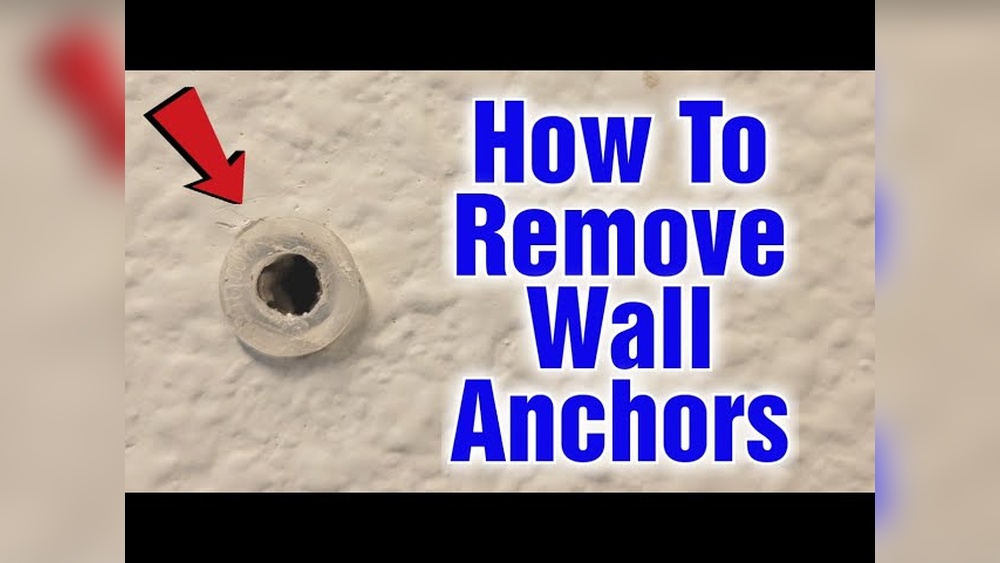
Plastic Anchors
Plastic anchors are lightweight and easy to use. They expand slightly in the hole to hold screws. Best for light loads like picture frames and small decorations. Not for heavy or structural use.

Credit: www.midwestpermacolumn.com
Factors Influencing Anchor Choice
Choosing the right concrete wall anchor depends on several key factors. These factors help ensure the anchor will hold firmly and last long. Understanding them makes the selection process easier and safer.
Load Requirements
The weight and force the anchor must support is critical. Heavy loads need strong anchors made for high strength. Light loads can use smaller, simpler anchors. Always check the load rating before choosing an anchor.
Concrete Thickness
The thickness of the concrete affects anchor type and size. Thin concrete limits the length of the anchor. Thick concrete allows deeper anchors for better hold. Measure the concrete thickness accurately before selecting.
Environmental Conditions
Outdoor or wet locations need anchors resistant to rust and corrosion. Stainless steel or coated anchors suit moist areas. Dry, indoor spaces allow basic anchors without special coatings. Consider the environment to avoid anchor failure.
Installation Method
Some anchors need drilling with special tools. Others expand when inserted for easy fit. Choose anchors that match your tools and skill level. Proper installation ensures strong and safe anchoring.
Materials And Coatings
Choosing the right materials and coatings for concrete wall anchors is essential. These factors affect the anchor’s performance and lifespan. Different materials offer unique benefits. Coatings protect against weather and wear. Understanding these options helps pick the best anchor for your project.
Stainless Steel Vs Zinc-plated
Stainless steel anchors resist rust without extra coatings. They work well in wet or outdoor areas. Zinc-plated anchors have a thin metal layer to prevent rust. They cost less but wear faster in harsh conditions. Choose stainless steel for long-term use and zinc-plated for dry, indoor jobs.
Corrosion Resistance
Corrosion weakens anchors over time. Stainless steel resists corrosion naturally. Zinc coatings delay rust but can break down. Use corrosion-resistant anchors in moist or salty environments. Proper coatings extend anchor life and keep walls secure.
Strength And Durability
Material type affects anchor strength. Stainless steel offers high strength and durability. Zinc-plated anchors provide moderate strength. Consider the load and environment. Stronger anchors suit heavy-duty tasks. Durable anchors reduce maintenance and replacements.
Tools Needed For Installation
Choosing the right tools for installing concrete wall anchors makes the job easier and safer. You need specific tools to drill holes, secure anchors, and protect yourself. Using the correct tools ensures the anchor holds firmly in the wall. Below are the main tools required for installation.
Drill Bits
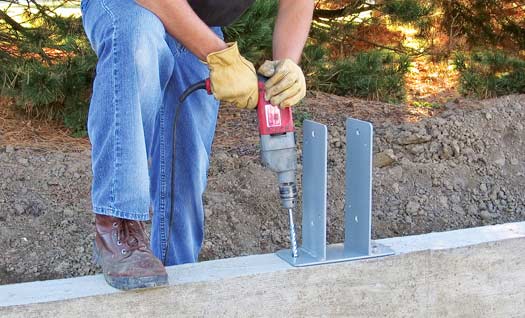
Drill bits made for concrete are essential. They are usually made from carbide or diamond-tipped material. Pick a drill bit that matches the size of the anchor. Using the wrong size can cause weak hold or damage. A hammer drill works best to drill into concrete quickly and cleanly.
Hammer And Wrench
A hammer is useful for tapping anchors into the drilled holes. Some anchors need light tapping to fit snugly. A wrench helps tighten bolts or screws on the anchor. Choose a wrench size that fits the anchor’s bolt head perfectly. This ensures a strong hold without slipping.
Safety Equipment
Safety gear protects you during installation. Wear safety glasses to shield your eyes from dust and debris. Use ear protection if drilling for a long time. Gloves protect your hands from rough surfaces and sharp edges. A dust mask helps prevent inhaling fine concrete dust.
Step-by-step Installation Tips
Installing a concrete wall anchor correctly ensures strong and safe support. Follow these simple steps to get the best results. Each step is important for a secure hold in the concrete surface.
Measuring And Marking
Start by measuring the spot where you want to place the anchor. Use a pencil to mark the exact point. Double-check the measurement to avoid mistakes. Accurate marking helps the anchor fit perfectly.
Drilling The Hole
Choose the right drill bit size for your anchor. Drill straight into the marked spot. Keep the drill steady to avoid uneven holes. Drill to the correct depth for a tight fit.
Cleaning The Hole
Remove dust and debris from the drilled hole. Use a brush or blow air inside. A clean hole helps the anchor grip better. Never skip this step for strong holding power.
Inserting The Anchor
Push the anchor gently into the cleaned hole. Tap lightly with a hammer if needed. Make sure the anchor is flush with the wall. Proper insertion prevents loosening over time.
Tightening And Securing
Place the fixture over the anchor. Insert the screw or bolt and tighten it firmly. Use a wrench or screwdriver as required. Do not overtighten to avoid damage. Check the anchor’s hold before finishing.

Credit: www.martinispa.com
Common Mistakes To Avoid
Choosing the right concrete wall anchor is important for safety and strength. Many people make simple mistakes that can weaken the hold or damage the wall. Avoid these common errors to ensure your anchor works well and lasts long.
Incorrect Hole Size
Drilling a hole too large or too small causes problems. A hole that is too big makes the anchor loose. A hole that is too small can crack the concrete. Always match the drill bit size to the anchor’s instructions.
Improper Depth
Not drilling deep enough stops the anchor from fitting fully. This reduces its grip and strength. Drilling too deep wastes effort and can weaken the wall. Check the recommended depth before drilling.
Ignoring Load Limits
Every anchor has a weight limit. Exceeding it risks the anchor pulling out or breaking. Know the load your anchor must hold. Choose an anchor rated for that weight or higher.
Poor Surface Preparation
Dirt, dust, or loose debris inside the hole weakens the anchor’s hold. Clean the hole with a brush or air blower. A clean surface helps the anchor grip tightly and stay secure.
Testing Anchor Strength
Testing anchor strength ensures your concrete wall anchors hold firmly. Strong anchors keep structures safe and stable. Weak anchors can cause accidents or damage. Regular testing helps find problems early. It also confirms anchors meet safety standards.
Pull-out Testing
Pull-out testing measures how much force an anchor can take. This test pulls the anchor until it moves or breaks. It shows the anchor’s real strength in the wall. Pull-out tests help choose the right anchor for heavy loads. They also check if installation was done correctly.
Visual Inspections
Visual inspections look for cracks, rust, or loose parts on anchors. They are quick and easy to do. Inspect anchors regularly for signs of wear or damage. Spotting problems early prevents anchor failure. Visual checks support safe use of concrete wall anchors.
Regular Maintenance Checks
Maintenance checks keep anchors in good condition over time. Tighten loose anchors and replace damaged ones. Clean anchors to avoid rust and dirt buildup. Schedule checks based on use and environment. Regular care extends anchor life and safety.
Credit: permacolumn.com
Frequently Asked Questions
What Types Of Concrete Wall Anchors Are Available?
Concrete wall anchors include wedge anchors, sleeve anchors, drop-in anchors, and expansion anchors. Each type suits different load capacities and installation methods, making selection based on project needs essential.
How To Choose The Right Size Of Anchor?
Choose an anchor size based on the load weight and wall thickness. Larger anchors handle heavier loads and provide better stability in concrete.
Can I Install Concrete Anchors Without Professional Help?
Yes, you can install anchors using basic tools like a drill and hammer. Follow manufacturer instructions carefully to ensure safe and secure installation.
What Factors Affect Anchor Holding Strength?
Anchor holding strength depends on concrete quality, anchor type, size, and installation depth. Proper installation and choosing the right anchor ensure maximum holding power.
Conclusion
Choosing the right concrete wall anchor makes your project safe and strong. Think about weight, wall type, and anchor size first. Different anchors work best for different jobs. Always check the instructions and use the right tools. Taking time to pick carefully saves you trouble later.
Strong anchors hold your items firmly in place. Small steps lead to big results. Your wall will thank you!