Have you ever wondered why your light switch isn’t working? Before calling an electrician, it helps to know how to check if power is actually reaching your switch.
Understanding this simple step can save you time, money, and frustration. In this guide, you’ll learn easy, safe ways to test your light switch’s power, even if you’re not an expert. Keep reading, and by the end, you’ll feel confident handling this common household issue on your own.
Safety Precautions
Checking power to a light switch can be risky without safety steps. Electricity can cause shocks or injuries. Taking safety precautions protects you and your home. Simple actions make the task safer and easier.
Turn Off Main Power
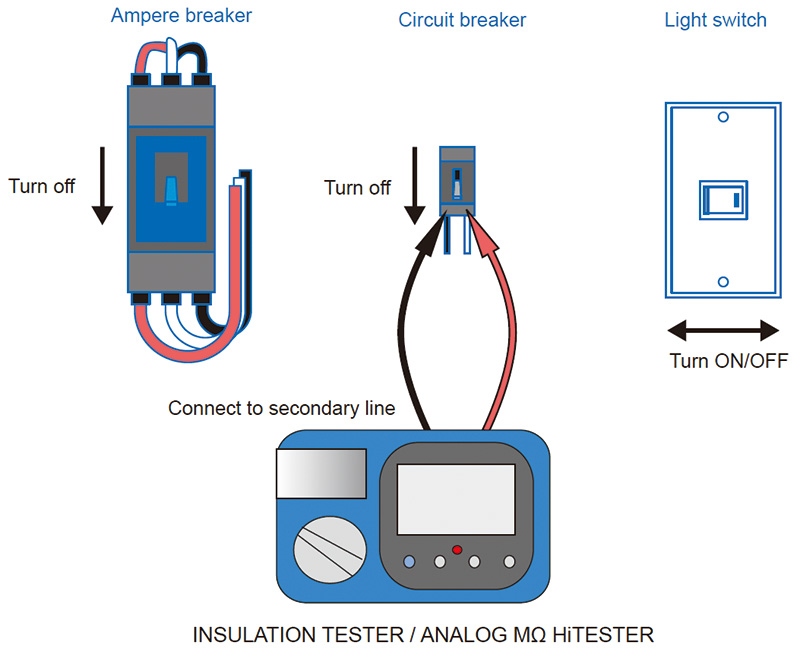
Always switch off the main power before working on a light switch. Find the main circuit breaker and turn it off. This stops electricity flow and lowers shock risk. Test the switch with a voltage tester to confirm power is off. Never skip this step.
Use Protective Gear
Wear safety gear to guard against electrical hazards. Use insulated gloves to block electric shocks. Safety glasses protect eyes from sparks or debris. Wear shoes with rubber soles for extra insulation. Protective gear adds a vital layer of safety.
Tools Needed
Checking power to a light switch requires a few simple tools. These tools help ensure safety and accuracy during the process. Having the right tools makes the job easier and faster.
Non-contact Voltage Tester
This tool detects electricity without touching wires. It beeps or lights up when it senses voltage. It helps find live wires safely. It is perfect for beginners and quick checks.
Multimeter
A multimeter measures voltage, current, and resistance. It gives detailed information about the switch’s power. You can use it to check if the switch has power or not. It is useful for more precise testing.
Screwdriver
A screwdriver helps remove the switch cover plate. It allows access to the wires and terminals. Usually, a flathead or Phillips screwdriver is needed. It is a basic tool for any electrical task.
Locate The Light Switch
Before checking power to a light switch, find the switch first. This step is simple but important. Knowing the exact location helps you work safely and quickly.
Start by understanding where the switch box is placed. The switch box holds the wiring and switch inside the wall. You will need to access it for testing power.
Identify The Switch Box
The switch box is usually behind the switch plate on the wall. It is a small metal or plastic box. It holds the wires connected to the switch. Usually, it sits inside the wall near the door frame. Look closely at the switch area to find the box. This is where you will test the power wires.
Remove The Switch Cover
Next, remove the switch cover plate. Use a screwdriver to unscrew the small screws holding it. Carefully pull the cover away from the wall. This exposes the switch box and wiring. Be gentle to avoid damaging the wall or switch. With the cover off, you can now see the wires and test for power safely.
Credit: www.hioki.com
Test For Power
Testing for power at a light switch is a key step before any electrical work. It confirms if electricity flows to the switch. This check helps avoid shocks and ensures safe repairs.
Two common tools can test for power: a non-contact voltage tester and a multimeter. Each tool works differently but gives clear results.
Using A Non-contact Voltage Tester
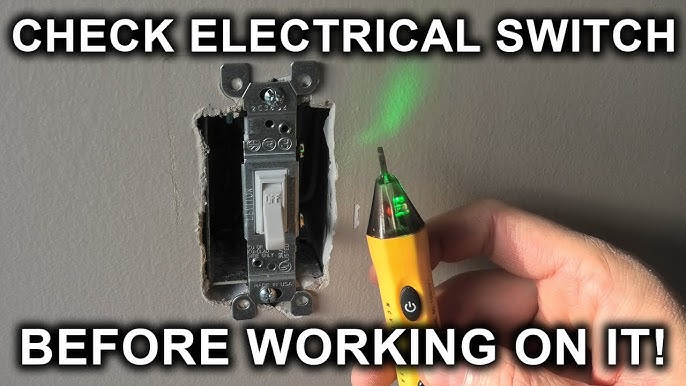
A non-contact voltage tester detects voltage without touching wires. Hold the tester near the switch wires or terminals. The tester lights up or beeps if power is present.
This tool is safe and easy for beginners. It does not require direct contact with electrical parts. Always test the tester on a known live source first. This confirms it works correctly.
Using A Multimeter
A multimeter measures voltage directly at the switch terminals. Set the multimeter to measure AC voltage. Touch the multimeter probes to the switch wires or terminals carefully.
The multimeter displays the voltage reading. A reading above zero shows power is present. This method gives a precise voltage value. It helps confirm the switch’s electrical status clearly.
Interpreting Results
Understanding the results of your power test is key. It tells you what to do next. This section explains what it means if power is present or if no power is detected. Clear knowledge helps you stay safe and fix the problem fast.
Power Present
If your tester shows power present, the switch receives electricity. The wiring and circuit are working up to that point. The issue may be with the switch itself. Consider replacing the switch or checking the light fixture. Power present means the circuit is live and safe handling is crucial.
No Power Detected
No power detected means no electricity reaches the switch. This could indicate a tripped breaker or a wiring problem. Check the circuit breaker box for any switches turned off. Look for loose or damaged wires in the switch box. No power requires careful inspection to find the fault before repairs.
Credit: www.youtube.com
Troubleshooting Tips
Troubleshooting a light switch can be simple with the right steps. Start by checking parts that often cause problems. This saves time and avoids unnecessary repairs.
Focus on the power source and wiring. These are common trouble spots. Careful inspection helps find issues quickly.
Check Circuit Breaker
Locate your home’s circuit breaker panel. Look for any switches that are off or in the middle position. A tripped breaker cuts power to the switch. Flip it fully off, then back on to reset. This often restores power immediately.
Test the light switch again after resetting. If power returns, the breaker was the problem. If not, continue to the next step.
Inspect Wiring Connections
Turn off the main power before touching wires. Remove the switch cover carefully. Look at all wire connections. Loose or damaged wires can stop power flow.
Tighten any loose screws holding wires in place. Check for signs of burning or corrosion. Replace wires if damaged. Good connections ensure the switch gets power properly.
After fixing wires, restore power and test the switch. This often solves the problem and lights work again.
When To Call A Professional
Knowing when to call a professional is important for electrical work. Simple tasks like checking power to a light switch can sometimes be done safely at home. But some situations need expert help. Calling a professional protects you and your home from risks.
Complex Wiring Issues
Wiring problems can be confusing. Older homes might have outdated wiring that is hard to understand. Multiple wires in one box can cause mistakes. Professionals have training to trace and fix these issues. They can find hidden faults that are not visible.
Safety Concerns
Electricity can cause serious injuries. If you see sparks, burning smells, or flickering lights, stop immediately. Professionals have tools and knowledge to work safely. They follow safety codes to prevent shocks and fires. Do not take risks with electric work beyond your skill.

Credit: www.youtube.com
Frequently Asked Questions
How Do I Test If Power Is Reaching A Light Switch?
Use a non-contact voltage tester near the switch wires. If it beeps or lights up, power is present. Always ensure the tester is working by testing it on a known live source first.
What Tools Are Needed To Check Switch Power Safely?
You need a non-contact voltage tester or a multimeter. These tools help you detect voltage without touching wires. Always turn off the circuit breaker before handling switch wires for safety.
Can I Check Power Without Removing The Switch Cover?
Yes, a non-contact voltage tester works without removing the cover. It detects voltage through plastic or paint. However, for a multimeter test, you must remove the cover to access wires safely.
What Should I Do If No Power Is Detected At The Switch?
Check if the circuit breaker is tripped or fuse is blown. Inspect wiring connections for damage or loose wires. If unsure, contact a licensed electrician for further diagnosis and repair.
Conclusion
Checking power to a light switch is simple and safe. Use a tester or multimeter to find electricity flow. Always turn off the main power before starting work. Double-check connections to avoid mistakes or shocks. Knowing this skill helps with home repairs and saves money.
Practice caution and follow steps carefully every time. Stay safe and confident when handling electrical tasks. This basic knowledge makes fixing switches less stressful. Try these tips for a smooth, worry-free experience.