Have you ever wondered how pin fasteners keep things securely together without the need for screws or glue? Whether you’re fixing a piece of machinery, assembling furniture, or working on a vehicle, understanding how these simple yet clever devices work can save you time and hassle.
Pin fasteners rely on clever designs that use friction, pressure, or locking mechanisms to hold parts firmly in place. You’ll discover the different types of pin fasteners, how each one works, and why choosing the right pin can make all the difference in your project’s success.
Keep reading to unlock the secrets behind these small but mighty components and learn how they can work for you!

Credit: www.essentracomponents.com
Types Of Pin Fasteners
Pin fasteners come in various types, each designed for specific applications. They hold parts together by fitting tightly into holes, often relying on friction or mechanical locking. Understanding the different types helps in choosing the right fastener for your project.
Dowel Pins
Dowel pins are solid, cylindrical pins used for alignment. They fit tightly into holes and hold parts in a fixed position using friction. Some dowel pins have ribs or grooves to prevent spinning inside the hole. These pins provide precise and strong connections.
Spring Pins
Spring pins, also called roll pins, are hollow and slotted. Their size is slightly larger than the hole they fit into. When inserted, the slot closes, and the pin’s spring action pushes against the hole walls. This creates a secure, pressurized fit that holds parts firmly.
Clevis Pins
Clevis pins have a head on one end and a hole on the other. They slide through aligned parts and are held in place by a cotter pin or similar fastener through the hole. This design allows for quick installation and removal without threads.
Cotter Pins
Cotter pins are thin metal pins with two prongs. They insert into a hole and then bend outward to lock parts in place. They often work with clevis pins to prevent loosening. Cotter pins are simple and effective for locking fasteners securely.
Detent Pins
Detent pins include a spring-loaded ball or plunger. This ball fits into a groove or hole to hold the pin in place. They allow quick release and reassembly without tools. Detent pins are common in applications needing frequent adjustments or removals.
How Dowel Pins Secure Parts
Dowel pins secure parts by fitting tightly into aligned holes. They ensure precise positioning and prevent movement between components. Their simple design makes them reliable and easy to use in many applications.
The key to their effectiveness lies in the friction created between the pin and the hole. This friction holds the parts firmly together without the need for additional fasteners. Dowel pins come in different types to enhance their holding power and resistance to rotation.
Frictional Force Mechanism
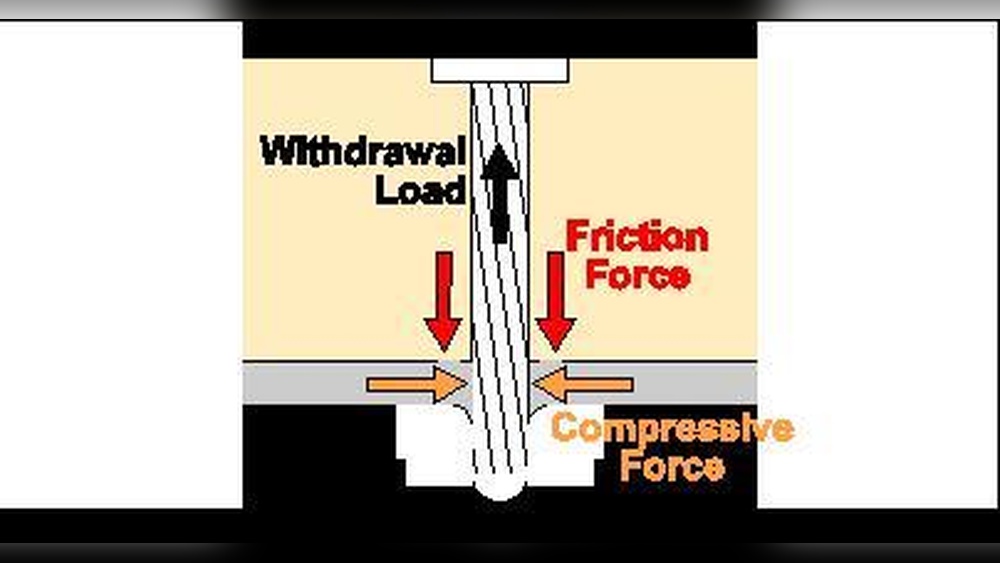
Dowel pins rely on friction to keep parts in place. The pin is slightly larger than the hole, so it must be pressed in. This tight fit causes the pin and hole walls to press against each other. The friction force resists any sliding or movement between parts.
This mechanism is simple but very strong. It works best with solid, smooth pins and precisely drilled holes. The friction prevents parts from shifting under normal use or vibration. This makes dowel pins ideal for alignment and location tasks.
Ribbed And Grooved Variations
Some dowel pins have ribs or grooves on their surface. These features improve the grip between the pin and hole. The ribs or grooves dig into the hole walls, increasing resistance to rotation and pulling out.
Ribbed dowel pins provide extra locking power without needing adhesives or welding. Grooved pins can also help distribute stresses more evenly along the pin’s length. These variations enhance the pin’s performance in demanding conditions.
Spring Pins And Pressurized Fit
Spring pins, also called roll pins, use a pressurized fit to hold parts tightly. These pins are hollow and slotted. Their unique design allows them to compress during insertion. Once inside the hole, they expand outward. This expansion creates a strong grip on the hole’s walls. The result is a secure, vibration-resistant connection. Spring pins are ideal for joining parts that need a firm hold but allow slight movement.
Slot Closure And Expansion
The slot in a spring pin allows it to flex. When pushed into a hole, the pin’s slot closes slightly. This closing action compresses the pin’s diameter. After insertion, the pin tries to return to its original size. This force pushes the pin’s sides against the hole walls. The expansion creates pressure that locks the pin in place. This mechanism prevents the pin from slipping out during use.
Tolerance For Dimensional Variation
Spring pins can adjust to small differences in hole size. Their flexible design allows some bending and compression. This flexibility makes them suitable for holes with minor dimensional variation. The pressurized fit adapts to the exact hole diameter. It ensures a snug fit even if hole sizes vary slightly. This tolerance reduces the need for precise machining and saves time during assembly.
Clevis Pins In Joint Applications
Clevis pins are key fasteners used in joint connections. They hold two parts together while allowing rotation or movement. These pins have a flat head on one end and a hole on the other. The hole allows for secure locking with another fastener. Clevis pins fit into aligned holes of connected parts, acting as a pivot or hinge.
They are common in machinery, automotive, and construction. Clevis pins provide strength and easy assembly or disassembly. The design keeps joints stable but flexible. This makes them ideal for applications where parts must move but stay connected.
Use With Cotter Pins
Clevis pins often work with cotter pins for safety. After placing the clevis pin through joint holes, insert a cotter pin into the clevis pin’s hole. The cotter pin bends to lock the clevis pin in place. This prevents the clevis pin from slipping out during use. The combination secures the joint while allowing quick removal if needed. Cotter pins add a simple but effective locking mechanism to clevis pins.
Cotterless Detent Variants
Some clevis pins feature built-in detent balls instead of relying on cotter pins. These spring-loaded balls snap into place in the hole to lock the pin. This design allows faster assembly and removal without extra parts. Detent clevis pins hold securely under normal use but release easily when pulled. This cotterless style suits quick-change applications or tight spaces. It combines convenience with reliable joint fastening.
Cotter Pins For Retention
Cotter pins are simple yet effective fasteners used to secure parts in place. They work by fitting through a hole in a pin or shaft and then bending to lock the assembly. This method prevents the pin from sliding out during operation, ensuring reliable retention. Cotter pins are commonly found in machinery, automotive applications, and various mechanical joints.
Split End Bending
The cotter pin has two split ends that pass through the hole. After insertion, these ends bend outward in opposite directions. This bending creates a mechanical lock that holds the pin firmly. It stops the pin from backing out under vibration or movement. The split ends must be bent tightly to maintain strong retention.
Installation And Reuse
Installing a cotter pin is quick and easy. Insert the pin through the hole, then bend the split ends with pliers. Once bent, the pin stays locked in place. Cotter pins are usually single-use because bending weakens the metal. Reusing a cotter pin risks failure and loosening. It is safer to replace cotter pins after removal to ensure a secure fit.
Credit: www.huyett.com
Detent Pins For Quick Release
Detent pins provide a fast and reliable way to connect parts. These pins are designed for quick release and secure locking. They work well in applications where frequent assembly and disassembly happen. Detent pins hold components firmly while allowing easy removal without tools.
Spring-loaded Locking
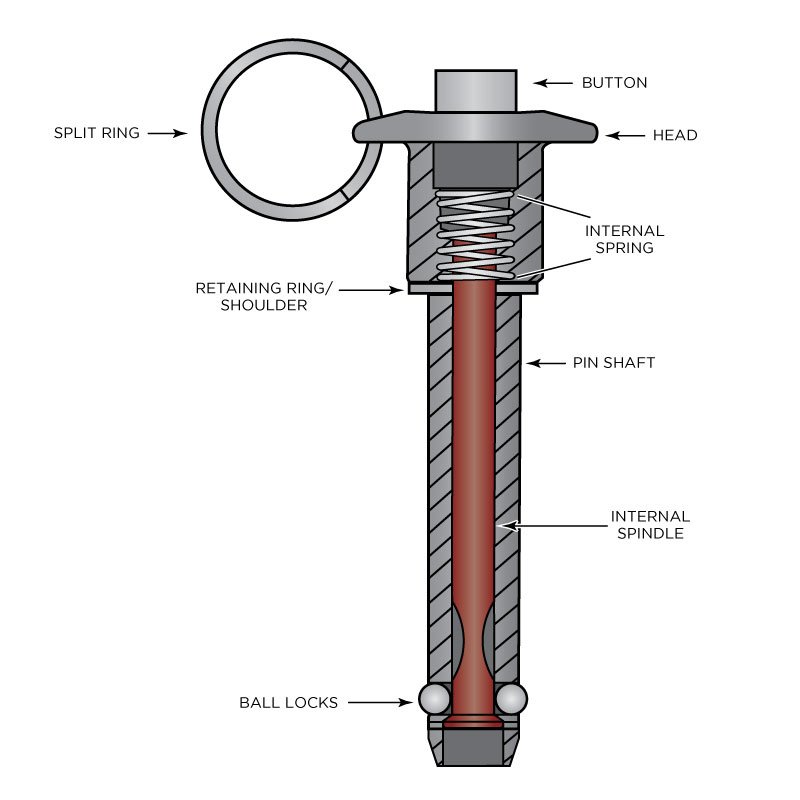
Detent pins use a small spring-loaded ball inside the pin shaft. This ball fits into a hole or groove on the mating part. The spring pushes the ball outward to lock the pin in place. This locking action keeps the pin from slipping out during use. The spring mechanism makes sure the pin stays secure yet easy to release.
Tool-free Operation
One key feature of detent pins is tool-free operation. Users can pull or push the pin by hand to release or lock it. No need for wrenches, screwdrivers, or other tools. This saves time and effort in many tasks. It is especially useful in settings where speed and convenience matter. Detent pins simplify assembly and maintenance processes.
Choosing The Right Pin Fastener
Selecting the correct pin fastener is key for secure and lasting connections. Each fastener type suits specific tasks and conditions. Understanding the needs of your project helps pick the best option.
Consider the environment and the materials involved. The right choice improves safety and performance while reducing wear and damage.
Application Requirements
Define the purpose of the pin fastener clearly. Some pins hold parts in place, while others allow movement. Identify if the pin needs to be permanent or removable.
Check the size and shape of the parts to join. Match the pin type to the hole diameter and length needed. Also, consider corrosion resistance if used outdoors or in wet areas.
Load And Movement Considerations
Determine the forces the fastener must handle. Pins under heavy load need to be strong and durable. Light loads may allow smaller or simpler pins.
Decide if the pin should allow parts to pivot or slide. Clevis pins suit joints needing movement. Dowel pins work best for fixed alignment.
Consider vibration and impact forces. Spring pins resist loosening better in moving or shaking parts. This prevents accidental disassembly.
Maintenance And Safety Tips
Proper maintenance and safety practices keep pin fasteners working well and prevent accidents. Regular care extends their life and ensures reliable performance. Focus on inspection and timely replacement to maintain safety in your equipment.
Inspection Practices
Check pin fasteners regularly for signs of wear or damage. Look for cracks, bends, corrosion, or any deformation. Ensure the pin fits tightly without excessive movement. Loose pins can cause parts to separate unexpectedly.
Use a magnifying glass if needed to spot small cracks. Clean pins before inspection to see their true condition. Pay special attention to the ends and locking features like cotter pin holes.
Replacement Guidelines
Replace pin fasteners immediately if any damage appears. Never reuse pins that are bent or cracked. Using damaged pins risks part failure and injury. Follow manufacturer recommendations for replacement intervals.
Choose the correct size and type for your application. Using the wrong pin can cause poor fit and unsafe conditions. Always have spare pins available to avoid delays in maintenance.
Credit: www.essentracomponents.com
Frequently Asked Questions
How Does A Pin Fastener Work?
Pin fasteners hold parts by fitting into aligned holes using friction or mechanical locks. Types include dowel, roll, clevis, cotter, and detent pins. They secure components by expanding, locking with cotter pins, or using spring-loaded mechanisms for quick release.
What Tools Are Needed For Pin Fasteners?
Tools needed for pin fasteners include pliers for bending cotter pins, a hammer or press for inserting dowel or roll pins, and sometimes a punch for alignment or removal. Quick-release pins may require no tools for operation.
Is A Pin A Permanent Fastener?
A pin is not always a permanent fastener. Some pins, like dowel and roll pins, hold parts securely, while others allow easy removal.
How To Stop Pin Badges Falling Off?
Secure pin badges by tightening the pin clasp and using rubber or silicone backing. Avoid heavy fabrics and handle badges gently.
Conclusion
Pin fasteners hold parts firmly using simple, effective methods. They fit into holes, creating friction or mechanical locks. Different types serve unique purposes, such as alignment, quick release, or secure fastening. Dowel pins rely on tight fits, while roll pins expand inside holes for a strong grip.
Clevis pins lock in place with cotter pins or spring balls. These fasteners work quietly but play a vital role in many machines and structures. Understanding how pin fasteners work helps choose the right one for your needs. Simple, reliable, and widely used—pin fasteners keep things together.