When you need to join one part to another quickly and securely, choosing the right fastening method can make all the difference. Imagine saving time and effort while ensuring a strong, lasting connection.
You’ll discover a commonly used fastening technique that’s both simple and effective. Whether you’re working on a DIY project, fixing something around the house, or tackling a professional task, understanding this method will help you get the job done right the first time.
Keep reading to learn how you can make your work easier and more reliable with this fastener.
Credit: www.chegg.com
Types Of Fastening Methods
Fastening methods join two or more parts securely. They keep structures strong and stable. Different methods suit different materials and uses. Choosing the right method matters for durability and safety.
Mechanical Fasteners
Mechanical fasteners include screws, bolts, nuts, and nails. They hold parts by clamping them together. These fasteners are easy to remove and replace. They work well for metal, wood, and plastic. Mechanical fasteners allow for quick assembly and repair.
Adhesive Bonding
Adhesive bonding uses glue or resin to join parts. The adhesive sticks the surfaces firmly. This method suits smooth and clean surfaces. It avoids damage from drilling or heat. Adhesive bonding distributes stress evenly across joints.
Welding Techniques
Welding melts parts to fuse them permanently. It creates strong joints for metals and alloys. Common types include arc welding and spot welding. Welding requires heat and skilled handling. It is ideal for heavy-duty and load-bearing structures.
Interference Fits
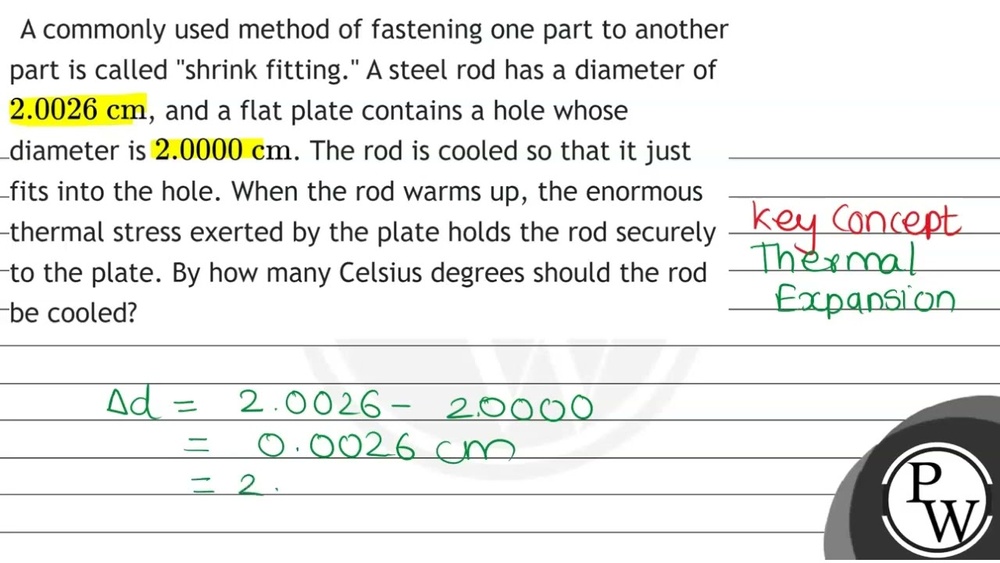
Interference fits press parts tightly together by size difference. The parts deform slightly for a secure hold. This method needs precise measurements and machining. It works well for shafts and bearings. Interference fits provide strong, vibration-resistant joints.
Benefits Of Mechanical Fastening
Mechanical fastening is a popular way to join parts securely. It uses physical devices like screws, bolts, and rivets. This method offers many benefits. These benefits make mechanical fastening a trusted choice across industries.
Strength And Reliability
Mechanical fasteners hold parts firmly together. They resist forces like tension and vibration. This strength ensures the parts stay connected over time. Reliability is crucial for safety and performance.
Ease Of Assembly And Disassembly
Fasteners allow easy assembly of parts. Tools like wrenches or screwdrivers work well. Disassembly is simple too. This helps with repairs, upgrades, or recycling. No damage happens to the parts during removal.
Cost-effectiveness
Mechanical fasteners are affordable and widely available. They reduce labor time during assembly. Less time means lower production costs. Also, fasteners can be reused, saving money in the long run.
Common Mechanical Fasteners
Mechanical fasteners join parts securely. They hold things together and allow easy assembly or disassembly. These fasteners are common in construction, manufacturing, and everyday objects. Choosing the right fastener depends on strength needs and the materials involved.
Screws And Bolts
Screws and bolts are popular fasteners. Both use threads to grip materials tightly. Screws usually go directly into wood or metal. Bolts require nuts to secure parts. They provide strong, reliable connections. Screws and bolts come in many sizes and types. They work well for heavy-duty and light tasks.
Rivets
Rivets join parts by deforming metal. They create a permanent connection. Rivets are strong and resist vibration. Often used in aircraft and bridges. Installation requires a rivet gun or hammer. Once set, rivets do not loosen easily. Ideal for joining thin metal sheets.
Clips And Clamps
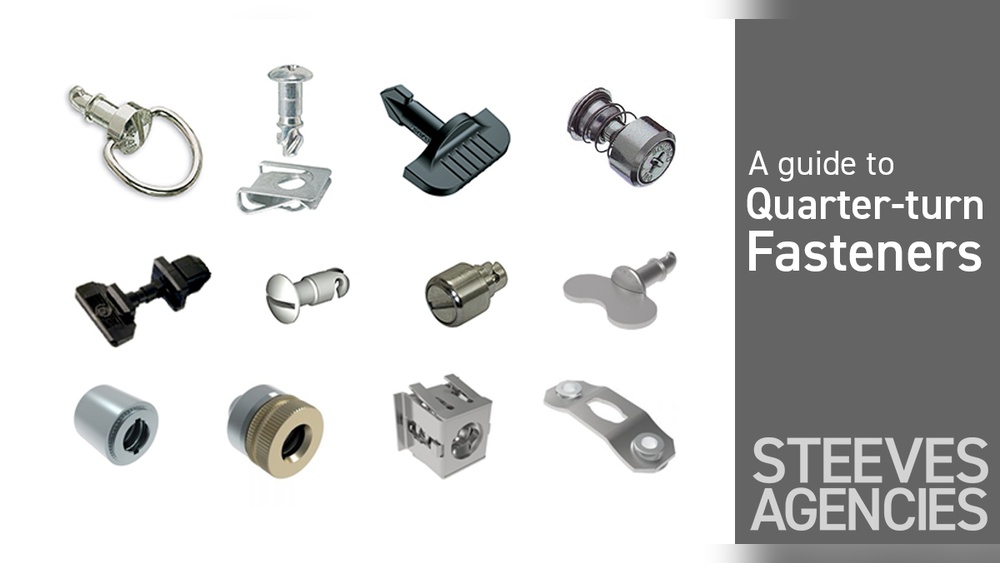
Clips and clamps hold parts without drilling. Clips snap onto edges or grooves. Clamps apply pressure to keep parts in place. They allow quick assembly and removal. Common in automotive and electronics industries. Clips and clamps protect parts from damage. Useful for temporary or adjustable fastening.

Credit: www.chegg.com
Improving Durability With Fasteners
Improving durability with fasteners is key to making strong and lasting connections. Fasteners must hold parts tightly under stress and time. Choosing the right fastener and using it well helps prevent failures and repairs.
Material Selection
Choosing the right material for fasteners affects strength and rust resistance. Steel fasteners work well for many uses. Stainless steel resists rust and lasts longer outdoors. Brass and aluminum suit light loads and less harsh conditions. Matching fastener material to the parts and environment is critical.
Fastener Design
Fastener design impacts load distribution and grip. Thread type, shape, and size matter. Coarse threads grip better in soft materials. Fine threads provide more holding power in hard materials. Head shape affects how a fastener fits and holds in place. Using the correct design improves durability and prevents loosening.
Proper Installation Techniques
Correct installation stops damage and ensures strong joints. Use the right tools and torque to avoid over-tightening. Clean and prepare surfaces before fastening. Tighten fasteners evenly to spread load. Follow manufacturer guidelines for best results. Proper installation keeps fasteners secure and extends part life.
Challenges And Solutions
Fastening one part to another often faces certain challenges. These issues can affect the strength and durability of the joint. Understanding these problems helps to find the right solutions. This section covers common problems and how to solve them for better fastening results.
Corrosion Resistance
Corrosion weakens fasteners and damages parts. It happens when metal reacts with moisture and air. Using stainless steel or coated fasteners helps stop rust. Applying protective paints or sealants adds extra defense. Regular inspection and maintenance prevent corrosion from spreading.
Vibration And Loosening
Vibrations cause fasteners to loosen over time. Loose parts can lead to failure or damage. Lock nuts, washers, or thread-locking adhesives keep fasteners tight. Designing joints to reduce movement lowers vibration effects. Checking fasteners regularly ensures they stay secure.
Load Distribution
Uneven load can break fasteners or damage parts. Spreading the load evenly protects the joint. Using washers or larger fasteners helps spread pressure. Choosing the right fastener size for the job is important. Proper assembly techniques improve load sharing and joint strength.
Credit: www.chegg.com
Applications Across Industries
Fastening one part to another is a basic need across many industries. This method helps build strong and lasting connections. Different industries use this method to join parts quickly and securely. The choice of fastening depends on the material and purpose. Below are some key industries that rely on this technique.
Automotive Sector
The automotive industry uses fastening to assemble cars and trucks. Parts like doors, engines, and seats need secure joins. Fasteners keep these parts stable during movement and stress. They allow easy repair and replacement of components. Speed and strength are critical in automotive fastening.
Construction Industry
Construction relies on fastening for building structures. Steel beams, wooden frames, and panels need to connect firmly. Fasteners provide safety and support for buildings and bridges. They help workers assemble parts quickly on site. The fastening method must resist weather and heavy loads.
Electronics And Appliances
Electronics use fastening to hold delicate parts inside devices. Small screws and clips keep circuit boards and screens in place. Fastening also protects parts from vibration and damage. In appliances, fastening helps assemble motors and casing parts. It ensures easy access for repair or upgrade.
Frequently Asked Questions
What Is The Most Common Method Of Fastening Parts Together?
The most common fastening method is using screws or bolts. They provide strong, reliable joints and are easy to install and remove.
How Does A Screw Fasten One Part To Another?
A screw creates a tight grip by threading into the material. This holds parts securely and allows for easy disassembly if needed.
Why Choose Screws Over Nails For Fastening Parts?
Screws offer better holding power and precision. They reduce damage to materials and allow for tighter, more durable connections.
Can Adhesives Replace Mechanical Fasteners Effectively?
Adhesives provide a clean finish but may lack strength under heavy loads. Mechanical fasteners are preferred for durability and reliability.
Conclusion
Fastening one part to another is a simple but important task. Choosing the right method saves time and effort. This method offers strong and reliable connections. It suits many projects and materials well. Easy to use and widely available, it fits most needs.
Understanding this method helps you work smarter. Small steps lead to big results. Keep practicing to improve your skills. This method stays popular for good reasons. Try it yourself and see the difference.