Have you ever noticed those small metal or decorative plates behind cabinet handles or knobs? They’re called backplates, and they do more than just look nice.
If you want your cabinets to stand out, last longer, and feel just right when you open them, understanding what a backplate is can make all the difference. Keep reading to discover how this simple piece can transform your cabinet hardware and elevate your entire space.

Credit: www.doorware.com
Backplate Basics
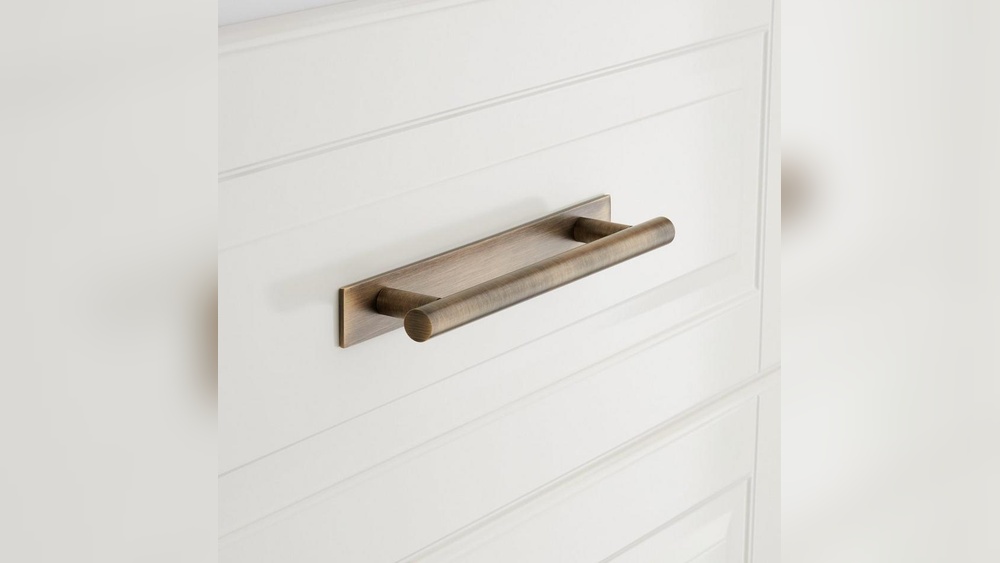
Backplates are small but important parts of cabinet hardware. They sit behind knobs or handles. These plates protect the cabinet surface. They also add style and depth to furniture. Understanding backplate basics helps you choose the right look and function for your cabinets.
Purpose Of Backplates
Backplates protect the cabinet surface from scratches and wear. They cover holes or marks left by old hardware. Backplates also give a finished look to knobs and pulls. They can make small hardware pieces stand out more. Some backplates add extra grip for easier use.
Common Materials
Backplates come in many materials. Metal is common, including brass, nickel, and bronze. Wood backplates offer a warm, natural look. Plastic and resin backplates are affordable and lightweight. Each material brings a different style and durability to cabinets.
Design Styles
Backplates have many design styles to match decor. Simple shapes suit modern and minimalist cabinets. Ornate and detailed plates fit vintage or classic styles. Some backplates have smooth finishes. Others include patterns, textures, or cut-outs. The right design can change the entire cabinet look.
Types Of Backplates
Backplates come in different types to fit various needs and styles. Choosing the right backplate can enhance both the look and function of your cabinet hardware. Understanding each type helps you pick the best option for your space.
Decorative Backplates
Decorative backplates add style and charm to cabinets. They come in many shapes, patterns, and finishes. These backplates highlight knobs and handles, making them stand out. Often made from metal or wood, they fit traditional and modern designs. Decorative backplates bring a finishing touch to your furniture.
Functional Backplates
Functional backplates protect the cabinet surface from wear and tear. They prevent scratches and dents caused by daily use. These backplates are usually plain and sturdy. They focus on durability rather than decoration. Functional backplates are ideal for busy kitchens or workspaces.
Custom Backplates
Custom backplates are made to fit unique designs and needs. You can choose the size, shape, and material. Custom options allow you to match your cabinet style perfectly. They work well for special projects or restorations. Custom backplates give a personal and tailored look to your hardware.
Installation Tips
Installing a backplate for cabinet hardware can improve the look and protect your cabinets. Proper installation ensures the backplate fits well and stays secure. Follow these tips to make the process smooth and neat.
Tools Needed
- Screwdriver (manual or electric)
- Drill with drill bits
- Measuring tape or ruler
- Level tool
- Pencil for marking
- Masking tape (optional)
Step-by-step Process
First, measure where the backplate will sit on the cabinet door. Mark the screw holes with a pencil. Use a level to ensure the marks are straight. If the cabinet surface is delicate, place masking tape on the spot before drilling.
Drill small pilot holes at the marked points. This prevents wood from splitting. Align the backplate with the holes. Use screws to attach the backplate firmly. Avoid overtightening screws to prevent damage.
Common Mistakes To Avoid
- Not measuring properly before marking holes.
- Skipping the use of a level, causing crooked installation.
- Drilling holes without pilot holes first.
- Overtightening screws and damaging the backplate.
- Ignoring surface protection, which can cause scratches.
Benefits Of Using Backplates
Backplates offer many benefits for cabinet hardware. They improve both function and style in your kitchen or bathroom. Using backplates can protect your cabinets, make hardware look better, and hide small flaws. These simple additions bring value to your space without much effort.
Protecting Cabinet Surfaces
Backplates shield cabinet surfaces from scratches and dents. They stop marks caused by handles or knobs over time. This helps cabinets stay new longer. The backplate acts as a barrier, reducing wear and tear on wood or paint.
Enhancing Hardware Appearance
Backplates add a decorative touch to plain hardware. They create a frame around knobs and pulls, making them stand out. This can update old hardware and blend styles easily. Backplates come in many shapes and finishes to match any decor.
Hiding Imperfections
Backplates cover holes or damage around cabinet hardware. They hide mistakes from previous handles or worn spots. This saves time and money on repairs or repainting. Backplates provide a clean, polished look without extra work.
Choosing The Right Backplate
Choosing the right backplate for your cabinet hardware is important. It can change the look and feel of your cabinets. The right backplate adds style and protects the cabinet surface. Pick a backplate that matches your design and fits well. Think about the size, style, and material to get the best result.
Matching Cabinet Style
The backplate should match the cabinet style. Classic cabinets pair well with detailed, decorative backplates. Simple, modern cabinets look best with sleek, minimal backplates. Match colors and finishes to your cabinet hardware for a unified look. This makes the kitchen or room look balanced and planned.
Size And Scale Considerations
Choose a backplate size that fits your hardware and cabinet. Large knobs need larger backplates to look right. Small knobs work better with smaller backplates. The backplate should not overpower the cabinet door. Keep the scale balanced for a clean and neat look.
Material Durability
Backplates come in many materials like metal, plastic, or wood. Metal backplates last longer and handle wear well. Plastic backplates are light but less durable. Wood backplates add warmth but need more care. Pick a material that fits your use and environment for lasting beauty.

Credit: www.emtek.com
Maintenance And Care
Taking care of your backplate for cabinet hardware helps it last longer and look better. Regular maintenance keeps the metal shiny and prevents damage. Simple steps can protect your investment and keep your cabinets stylish.
Cleaning Techniques
Use a soft cloth to wipe the backplate gently. Mild soap with warm water works well for dirt and dust. Avoid harsh cleaners that can scratch or damage the finish. Dry the backplate completely after cleaning to stop water spots.
Preventing Damage
Handle the backplate with care during use and cleaning. Avoid using abrasive pads or sharp objects nearby. Keep the area dry to prevent rust or corrosion. Tighten screws carefully to avoid bending or loosening the plate.
When To Replace
Replace the backplate if it shows deep scratches or rust. Warping or bending also means it needs changing. If the finish wears off and cleaning no longer helps, consider a new backplate. Regular checks help spot problems early.
Backplates In Modern Design
Backplates for cabinet hardware add style and function to modern kitchens and rooms. They create a polished look by framing knobs and handles. Designers use backplates to highlight hardware and protect cabinet surfaces from wear.
These elements are not just decorative. They improve grip and make cleaning easier. Backplates come in many shapes and finishes. They fit well with today’s sleek and simple design trends.
Trending Styles
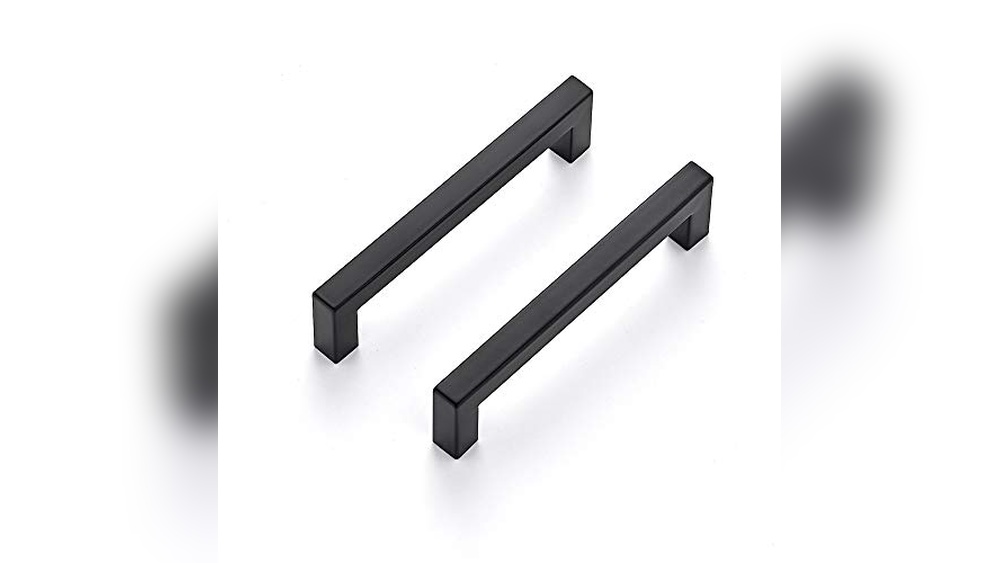
Modern backplates often have clean, straight lines. Matte black and brushed nickel finishes are very popular. Some designs show geometric shapes or soft curves. Minimalist looks suit modern and Scandinavian interiors well.
Bold colors like brass or copper add warmth. Transparent or glass backplates create a light, airy feel. These styles help cabinets stand out without overwhelming the space.
Integration With Smart Hardware
Smart cabinet hardware uses backplates for more than looks. Some backplates hide sensors or touch controls. They support features like keyless entry and lighting.
Backplates can hold small electronics safely. This makes smart hardware more reliable and easier to use. Designers blend technology and style with subtle backplates.
Sustainability Factors
Eco-friendly backplates use recycled metals and sustainable materials. Wood backplates come from certified forests. These choices reduce environmental impact and support green design.
Durable backplates extend hardware life and reduce waste. Simple, timeless styles stay in fashion longer. Sustainable backplates add value beyond their looks.

Credit: www.amazon.com
Frequently Asked Questions
What Is A Backplate In Cabinet Hardware?
A backplate is a decorative or functional metal plate behind cabinet knobs or handles. It protects surfaces and enhances style.
Why Use A Backplate For Cabinet Hardware?
Backplates prevent wear around handles and add design detail, improving both durability and aesthetics of cabinets.
How To Choose The Right Backplate Size?
Select a backplate slightly larger than the hardware base to ensure full coverage and balanced visual appeal.
Can Backplates Fix Damaged Cabinet Surfaces?
Yes, backplates can cover scratches or holes, restoring the cabinet’s look while supporting the hardware firmly.
Conclusion
A backplate adds style and protection to cabinet hardware. It helps cover old holes and marks on cabinets. This small piece can change the look of your kitchen or furniture. Backplates come in many shapes and finishes to fit your taste.
They also make handles easier to use. Choosing the right backplate can improve both function and design. Try adding one to refresh your cabinets quickly and affordably. Simple but effective.