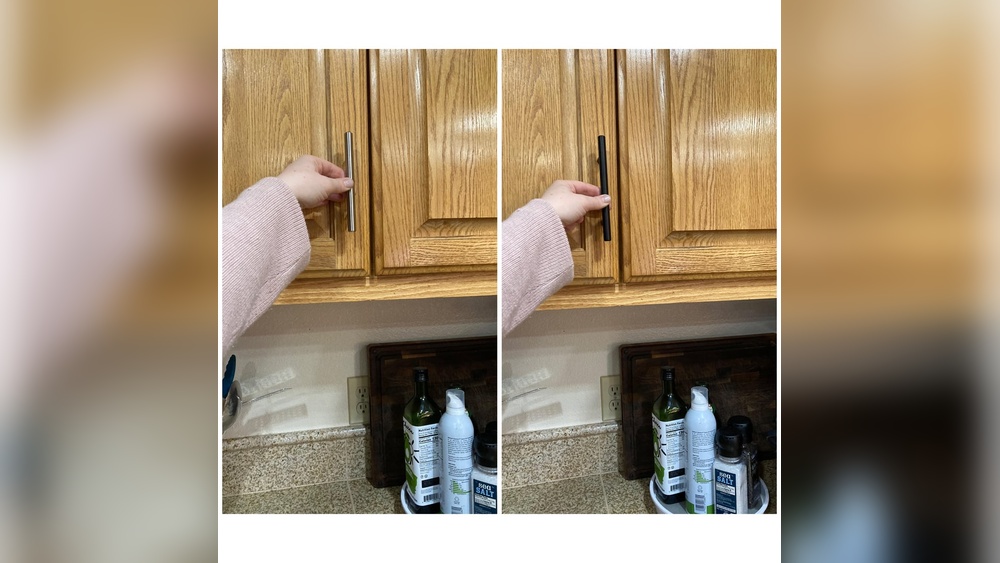
Choosing the right cabinet hardware size might seem simple, but it can completely change the look and feel of your space. You want your cabinets to be both stylish and functional, and the size of your knobs and pulls plays a big role in that.
If you pick hardware that’s too small, it can look lost. Too big, and it can feel overwhelming. You’ll discover easy tips to find the perfect size for your cabinets. By the end, you’ll feel confident making a choice that enhances your room’s style and usability.
Ready to get started? Let’s dive in!
Choosing The Right Size
Choosing the right size for cabinet hardware makes a big difference. The right size looks good and feels right. It helps you open doors and drawers easily. Too big or too small hardware can look awkward and be hard to use. This guide helps you pick the perfect size every time.
Measuring Your Cabinets
Start by measuring your cabinet doors and drawers. Use a tape measure for accuracy. Measure the width and height of doors and drawers. Write down these numbers. Also, measure the space where you want to place the hardware. This helps you avoid buying hardware that is too large or too small.
Standard Hardware Sizes
Cabinet hardware comes in common sizes. Pulls often range from 3 to 6 inches between screws. Knobs are usually around 1 to 2 inches wide. Knowing these sizes helps you match hardware to your cabinets. Choose sizes that suit your cabinet style and use. Standard sizes fit most cabinets well and look balanced.
Considering Door And Drawer Dimensions
Hardware size depends on door and drawer size. Large doors need bigger pulls for easy use. Small drawers look better with smaller knobs or pulls. Check how much space the hardware will cover. Make sure it does not crowd the edges or overlap panels. Proper size keeps your cabinets neat and functional.

Credit: www.reddit.com
Matching Hardware To Style
Matching hardware to your cabinet style sets the tone for the entire room. It ties the look together and adds character. The right size and design of knobs or pulls can highlight the cabinet’s features. This makes your kitchen or bathroom feel well thought out and inviting.
Complementing Cabinet Design
Choose hardware that matches your cabinet’s style. Simple cabinets suit sleek, modern pulls. Ornate cabinets call for detailed, classic knobs. The finish matters too. Brushed nickel fits contemporary looks. Antique brass pairs well with vintage styles. Matching hardware enhances the cabinet’s design, not hides it.
Balancing Proportion And Function
Hardware size should match cabinet size. Large cabinets need bigger pulls for balance. Small cabinets look best with smaller knobs. Consider how you use the hardware. Big handles are easier to grip on heavy doors. Small knobs work well on lighter, smaller drawers. Balance style with comfort for daily use.
Material And Finish Impact
Choosing the right material and finish for cabinet hardware affects both style and function. These elements influence how long your hardware lasts and how well it fits with your kitchen. Picking the right combination helps create a balanced look and ensures durability.
Durability Considerations
Materials like stainless steel and brass resist rust and wear. They handle daily use without losing shine. Plastic or cheap metal may break or fade quickly. Finishes like chrome and nickel protect against scratches and stains. Matte finishes hide fingerprints better than shiny ones. Strong materials and finishes keep your hardware looking good for years.
Coordinating With Kitchen Decor
Hardware should match your kitchen style and color scheme. Warm finishes like bronze suit traditional kitchens well. Cool finishes like brushed nickel fit modern designs. Consider your cabinet color and countertop style too. Mixing finishes can work, but keep it simple. The right hardware finish ties the whole kitchen together.
Installation Tips
Installing cabinet hardware correctly makes a big difference in how your cabinets look and feel. Careful installation keeps the hardware secure and ensures smooth use every day. Simple steps and the right tools help achieve a professional look without hassle.
Proper Placement And Alignment
Start by marking the exact spot for each handle or knob. Use a template or ruler to keep the distance consistent. Measure twice to avoid mistakes. Align hardware with the edges or center of the cabinet door. Straight lines and equal spacing create a neat, balanced look. Check placement from different angles before drilling.
Tools And Techniques For Accuracy
Use a drill with a small bit to create pilot holes. This prevents the wood from splitting. A level tool helps keep the hardware straight. A tape measure ensures even spacing between pieces. A pencil works well for light markings that erase easily. Take your time to work carefully and avoid rushing.
Common Mistakes To Avoid
Choosing the right size for cabinet hardware can be tricky. Many people make simple mistakes that affect both looks and function. Avoiding these common errors helps create a balanced and usable design.
Oversized Or Undersized Hardware
Hardware that is too big can overpower your cabinet doors. It may look awkward and unbalanced. Small hardware, on the other hand, can get lost on large cabinets. It also becomes hard to grab and use. Picking the right size keeps your cabinets attractive and easy to open.
Ignoring Ergonomics
Hardware should be comfortable to hold and use daily. Ignoring ergonomics leads to handles that are hard to grip or pull. This causes frustration and can even damage your cabinets. Choose sizes that fit your hand and match how often you use the cabinets.

Credit: www.emtek.com
Budgeting For Hardware
Budgeting for cabinet hardware is a key step in your kitchen or bathroom project. Hardware includes knobs, pulls, and handles that affect both function and style. Planning your budget helps avoid overspending and ensures you pick pieces that last and look great.
Understanding how much to spend on hardware can be tricky. Prices vary widely based on material, brand, and design. Setting a clear budget early keeps your choices practical and focused.
Cost Vs. Quality
Cheap hardware may look good but often wears out fast. It can chip, fade, or break after some use. Higher quality hardware lasts longer and feels better in your hand. It resists rust and scratches. Spending a bit more can save money on replacements later.
Quality also affects how easy hardware is to clean. Smooth finishes and sturdy construction make daily use simple. Think of hardware as an investment. It should work well and keep your cabinets looking fresh.
Where To Save And Where To Splurge
Save money on basic pieces that are hidden or used less often. Inside cabinet doors or pantry drawers do not need fancy hardware. Simple, affordable knobs work well in these spots.
Splurge on hardware you touch every day. Drawer pulls and main cabinet handles benefit from better quality. Choose styles that match your room’s design for a polished look. Good hardware adds value and comfort.
Mixing budget and quality lets you get the best overall result. Balance cost with durability and style. This approach keeps your project affordable and attractive.

Credit: www.jennifergardnerdesign.com
Frequently Asked Questions
What Size Cabinet Hardware Fits Standard Drawers?
Standard drawers usually require hardware between 3 to 4 inches. Measure your drawer front width to confirm the best fit.
How To Measure Cabinet Hardware Correctly?
Measure the center-to-center distance between screw holes for accurate hardware sizing. This ensures compatibility with your cabinets.
Does Cabinet Hardware Size Affect Functionality?
Yes, the right size ensures ease of use and proper leverage. Oversized or tiny hardware can impact comfort and style.
Can I Mix Different Sizes Of Cabinet Hardware?
Mixing sizes is possible but should be done thoughtfully. Maintain a balanced look to avoid disrupting design harmony.
Conclusion
Choosing the right cabinet hardware size makes a big difference. It affects both style and function. Measure your cabinets carefully before buying. Think about the space and your hand size too. Small hardware can look neat but might be hard to use.
Larger pieces stand out and offer better grip. Balance looks with comfort for best results. Simple steps help you pick the perfect fit. Your cabinets will look great and work well. Easy to use and nice to see. That’s the key to good cabinet hardware.