Have you ever wondered what holds papers together without the bulk of staples or clips? That’s where a brass fastener comes in.
This simple yet clever tool can make your life easier, whether you’re organizing documents, crafting, or working on school projects. If you want to know how a small piece of metal can offer such a smart and neat solution, keep reading.
By the end, you’ll see why a brass fastener might just become your go-to item for keeping things in place.

Credit: www.indiamart.com
Brass Fastener Basics
Brass fasteners are simple yet important tools in many projects. They hold papers or materials together without damage. These fasteners are small but strong, making them perfect for crafts, office use, and light construction. Understanding their basics helps you choose the right fastener for your needs.
Material Properties
Brass is a metal made from copper and zinc. It resists rust and corrosion well. This makes brass fasteners last longer than steel ones in damp places. Brass also has a shiny, gold-like look. It is soft enough to bend but strong enough to hold materials firmly. These qualities make brass fasteners reliable and attractive.
Common Types
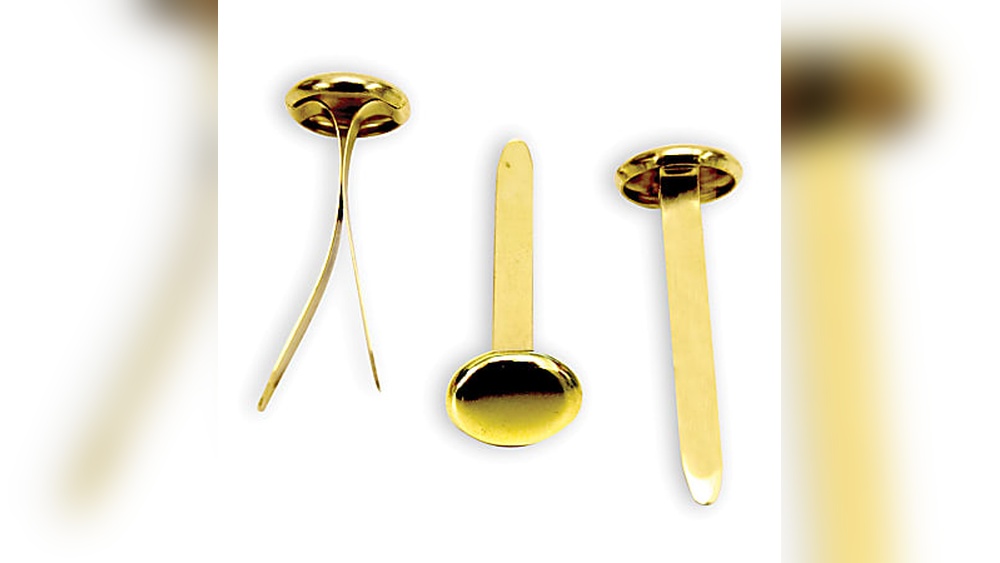
The most common brass fastener is the split pin style. It has two legs that spread apart after insertion. This holds papers or materials tightly. Another type is the round head fastener, which offers a smooth top surface. Some brass fasteners come with decorative heads for crafts. Each type suits different tasks depending on strength and appearance.

Credit: en.wikipedia.org
Key Uses Of Brass Fasteners
Brass fasteners are small but strong tools used to join things together. Their durability and resistance to rust make them popular in many areas. They are easy to use and perfect for tasks that need a secure hold without damage.
Office And Paperwork
Brass fasteners help keep papers neat and organized. They bind documents without punching holes through all sheets. This tool is common in schools and offices for reports and files. It allows easy adding or removing of pages without damage.
Crafts And Diy Projects
People use brass fasteners in craft work to join materials. They are perfect for paper, cardboard, and thin wood pieces. These fasteners let parts move, useful for making cards or models. They add a neat, old-fashioned look to projects.
Electrical Applications
Brass fasteners appear in electrical work due to their metal quality. Brass conducts electricity well and resists corrosion. They hold wires and small parts in place safely. Their strong grip and metal make them reliable in many devices.
Advantages Of Brass Fasteners
Brass fasteners offer many benefits that make them a popular choice in various projects. They combine strength, beauty, and resistance to damage. These advantages help ensure long-lasting and reliable connections.
Durability And Strength
Brass fasteners provide strong joints that hold well under pressure. They resist bending and breaking better than many other metals. Their durability makes them suitable for both light and heavy-duty uses.
Corrosion Resistance
Brass fasteners resist rust and corrosion in moist environments. This quality protects the fasteners from damage over time. They work well in outdoor and humid areas without losing strength.
Aesthetic Appeal
Brass has a warm, golden color that looks attractive. It adds a classic and polished look to projects. The shiny finish stays bright, enhancing the overall appearance.

Credit: www.amazon.sg
Choosing The Right Brass Fastener
Choosing the right brass fastener is important for a strong and lasting hold. Different projects need different fasteners. The right choice makes your work easier and better. Consider size, head style, and material compatibility carefully.
Size And Length
Size matters for brass fasteners. Too small may not hold well. Too big can damage materials. Measure thickness of the items to join. Choose length that fits without sticking out too far. Proper size ensures a tight and secure fit.
Head Styles
Brass fasteners come with various head styles. Round heads look neat and smooth. Flat heads sit flush with the surface. Choose the style that matches your project’s look and function. Head style affects how the fastener holds and appears.
Compatibility With Materials
Not all fasteners work with every material. Brass works well with paper, leather, and soft woods. Avoid using brass fasteners with hard metals or very thick materials. Check if the fastener will hold without bending or breaking. Material match keeps the join strong and lasting.
Maintenance And Care Tips
Brass fasteners are durable but need care to last longer. Proper maintenance keeps them shiny and functional. Small steps can prevent rust and damage. Follow these tips to keep your brass fasteners in top shape.
Cleaning Methods
Use a soft cloth to wipe dirt and dust. For stubborn grime, mix mild soap with warm water. Gently scrub the fastener using a soft brush. Rinse with clean water and dry completely. Avoid harsh chemicals that can harm the brass. Regular cleaning prevents buildup and keeps the metal bright.
Storage Recommendations
Store brass fasteners in a dry place. Moisture causes tarnish and corrosion. Use small containers or bags to keep them separate. Avoid storing with metals that cause reactions, like aluminum. Keep away from direct sunlight and heat. Proper storage helps preserve their look and strength.
Frequently Asked Questions
What Is A Brass Fastener Used For?
A brass fastener is mainly used to join papers or thin materials. It secures documents by piercing and bending prongs. Its corrosion resistance and durability make it ideal for office, craft, and industrial applications.
How Does A Brass Fastener Work?
A brass fastener works by inserting its prongs through holes in materials. After insertion, the prongs are bent outward to hold items together securely. This simple mechanism allows easy assembly and disassembly without damaging the material.
What Are The Benefits Of Brass Fasteners?
Brass fasteners offer strong, rust-resistant, and reusable fastening. They provide a neat finish and are easy to remove or adjust. Their flexibility suits various tasks, including paperwork, crafts, and light mechanical uses.
Are Brass Fasteners Better Than Plastic Ones?
Brass fasteners are more durable and heat-resistant than plastic fasteners. They also provide a firmer hold and resist corrosion. However, plastic fasteners may be preferred for lightweight or disposable projects.
Conclusion
Brass fasteners hold papers and materials firmly together. They are simple to use and easy to remove. These fasteners resist rust and last a long time. You find them in offices, schools, and crafts. Choosing the right brass fastener helps keep work neat.
They save time and avoid messy glue or tape. Now you know why brass fasteners are popular and useful. Try using one for your next project. Small but strong, they make a big difference.