If you’ve ever struggled to keep your gear secure or needed a quick, reliable way to fasten ropes, you’re about to discover a simple solution that could change everything. Figure 8 fasteners are small, powerful tools that make securing items easier and safer.
In this guide, you’ll learn exactly how to use them step-by-step, unlocking their full potential for your outdoor adventures, climbing trips, or everyday tasks. Keep reading to master this skill and make your next project or adventure smoother and more secure.
Credit: www.casariolab.art
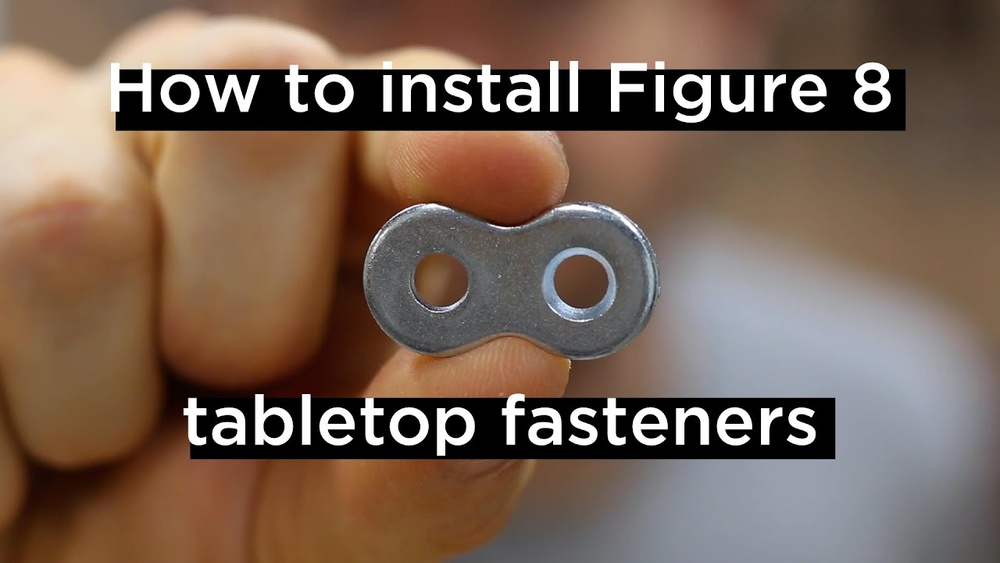
Choosing The Right Figure 8 Fasteners
Choosing the right figure 8 fasteners is important for safety and strength. These fasteners come in many types and sizes. Picking the correct one ensures your project stays secure. Understanding materials and sizes helps you find the right fit. Knowing applications and load capacity guides you in selecting the best fastener for your needs.
Materials And Sizes
Figure 8 fasteners come in steel, stainless steel, and aluminum. Steel fasteners offer high strength and durability. Stainless steel resists rust and works well outdoors. Aluminum fasteners are lightweight but less strong.
Sizes vary from small to large. Choose size based on the thickness of the materials you join. Bigger fasteners hold more weight. Small fasteners fit tight spaces. Always check the size matches your project’s needs.
Applications And Load Capacity
Different figure 8 fasteners suit different jobs. Some work for light loads like hanging pictures. Others handle heavy loads like securing cables or equipment.
Load capacity is the maximum weight a fastener can hold safely. Check the fastener’s load rating before use. Overloading a fastener can cause failure. Use strong fasteners for heavy or important tasks. Light fasteners are fine for small, low-stress jobs.

Credit: www.youtube.com
Preparing For Fastening
Preparing for fastening with figure 8 fasteners is an important step. It helps ensure a secure and safe hold. Taking time to prepare reduces mistakes and saves effort later. Follow simple steps before starting your project.
Gathering Necessary Tools
Collect all the tools you need before you begin. Common tools include pliers, screwdrivers, and wire cutters. Have a measuring tape ready to check lengths. A workbench or a flat surface makes work easier. Organizing tools helps you work faster and stay focused.
Inspecting The Fasteners
Check each figure 8 fastener carefully before use. Look for cracks, bends, or rust on the metal. Damaged fasteners can fail and cause accidents. Make sure the fasteners are clean and free of dirt. Only use fasteners that look strong and intact.
Step-by-step Binding Process
The step-by-step binding process with figure 8 fasteners helps keep materials tight and secure. Following each step carefully ensures the fastener works correctly. This method saves time and prevents the fastener from loosening over time.
Positioning The Fastener
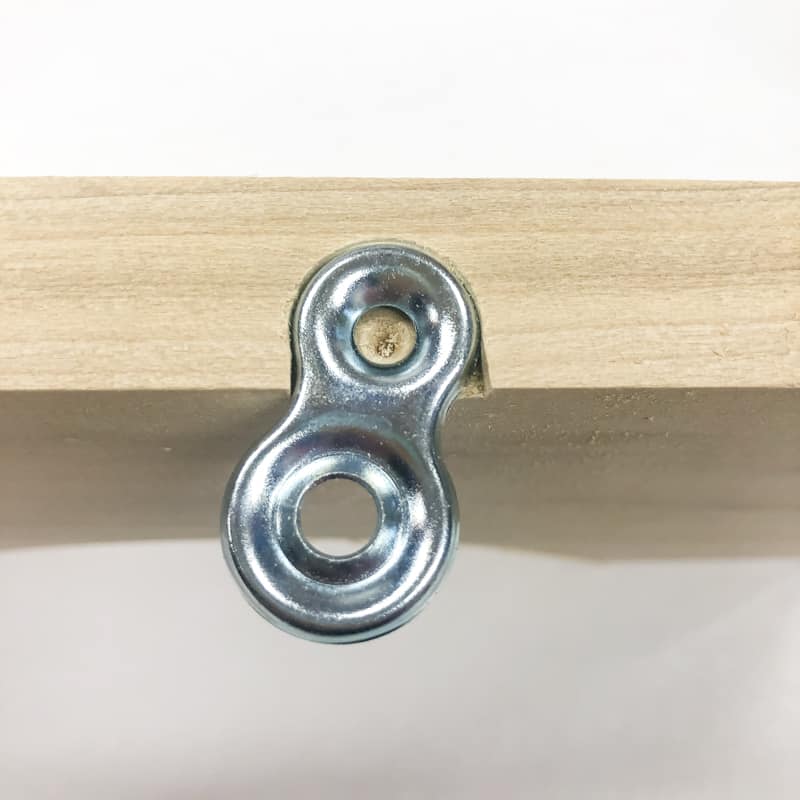
Place the figure 8 fastener where the materials overlap. Align the holes of the fastener with the holes in the materials. Ensure the fastener sits flat and does not block any moving parts. Proper positioning sets the base for a strong bind.
Securing The Fastener Properly
Insert the bolt or screw through the fastener and material holes. Tighten the bolt just enough to hold the fastener firmly in place. Avoid over-tightening to prevent damage to the materials or fastener. Use a suitable tool for consistent pressure.
Checking For Tightness
After securing, test the fastener by gently pulling the materials apart. The fastener should hold the materials firmly without any movement. If the fastener feels loose, tighten it slightly more. Repeat the check to ensure a safe and stable hold.

Credit: www.woodcraft.com
Common Mistakes To Avoid
Using figure 8 fasteners correctly is key to their strength and safety. Many people make simple mistakes that cause problems during use. Avoiding these errors helps keep your project secure and stable. Below are some common mistakes and how to prevent them.
Overtightening Risks
Too much tightness can damage the fastener. It may crack or weaken the material. Over tightened fasteners lose their grip and fail. Tighten just enough to hold parts firmly together. Use a torque wrench if possible. This tool controls the exact tightness. Avoid using excessive force or power tools on high settings.
Incorrect Placement Issues
Placing figure 8 fasteners in the wrong spot reduces their strength. They must fit in the designed holes or slots. If placed off-center, they can slip or break. Always check the alignment before tightening. Misplaced fasteners cause uneven pressure and damage parts. Follow the instructions carefully for correct positioning.
Maintenance And Safety Tips
Proper care of figure 8 fasteners keeps them working well and safe. Regular maintenance stops problems before they start. Safety is key when using these fasteners in any project.
Regular Inspections
Check figure 8 fasteners often for signs of damage or wear. Look for cracks, bends, or rust. Clean fasteners to remove dirt and grime. Use a soft brush and mild cleaner. Dry them fully to avoid rust. Inspections help catch issues early. This prevents accidents and failure during use.
Replacing Worn Fasteners
Replace fasteners that show wear or damage right away. Do not try to fix broken or bent fasteners. New fasteners ensure a strong and safe connection. Keep spare figure 8 fasteners on hand. This makes replacement quick and easy. Using fresh fasteners keeps your work secure and reliable.
Advanced Tips For Complex Projects
Advanced projects often require more than a single figure 8 fastener. Complex tasks demand extra strength and security. Using advanced techniques can help you handle these challenges easily.
Applying multiple fasteners or mixing methods can improve the hold. These tips help ensure your project stays safe and stable.
Using Multiple Fasteners
For heavy loads, use more than one figure 8 fastener. Space them evenly to spread the tension. This reduces stress on any single point. It also helps prevent slippage or failure.
Attach fasteners on both ends or along long ropes. Check each fastener tightness before starting your work. This simple step increases overall safety and reliability.
Combining With Other Binding Methods
Figure 8 fasteners work well with knots and clamps. Use a bowline or clove hitch to add extra security. This combination holds better under movement or pressure.
Try wrapping tape or using cable ties for temporary fixes. Mix these with figure 8 fasteners for flexible, strong connections. This approach fits many unique situations and materials.
Frequently Asked Questions
What Are Figure 8 Fasteners Used For?
Figure 8 fasteners secure wire ropes and cables safely. They create a strong, adjustable loop or connection. Commonly used in rigging, construction, and marine applications, these fasteners ensure stability and prevent slippage, making them essential for heavy-duty fastening tasks.
How Do You Properly Install Figure 8 Fasteners?
To install, loop the cable through the fastener’s openings. Tighten the fastener by pulling the cable ends firmly. Ensure the fastener grips securely without damaging the cable. Proper installation prevents loosening and maintains a strong hold under stress.
Can Figure 8 Fasteners Be Reused Safely?
Yes, figure 8 fasteners can be reused if undamaged. Inspect for wear or deformation before reuse. Replace if any cracks or bends appear. Reusing intact fasteners saves cost while maintaining safety in rigging and fastening tasks.
What Materials Are Figure 8 Fasteners Made From?
Figure 8 fasteners are typically made from steel or stainless steel. These materials offer high strength and corrosion resistance. They withstand harsh environments and heavy loads, making them reliable for outdoor and industrial applications.
Conclusion
Using figure 8 fasteners makes securing items easy and reliable. They hold ropes or cables firmly in place. Practice tying them a few times to feel confident. These fasteners work well in many situations, from camping to boating. Remember to check the knot regularly for safety.
Simple, strong, and useful—figure 8 fasteners are a handy skill. Give it a try, and you will see the difference.