Are you struggling to find the right size for your cabinet hardware? Picking the perfect handles and knobs can make a huge difference in how your cabinets look and feel.
But measuring them correctly isn’t always easy. If you choose the wrong size, your cabinets might look off or feel uncomfortable to use. In this guide, you’ll learn simple steps to measure your cabinet hardware accurately. By the end, you’ll feel confident choosing the perfect fit that enhances your space and makes every drawer and door a joy to open.
Keep reading to discover how easy it can be!

Credit: blog.topknobs.com
Choosing The Right Hardware Size
Choosing the right hardware size is key to a balanced and attractive cabinet look. The size affects both function and style. Hardware that is too small may look lost. Too large, it can overwhelm the cabinet surface. Proper sizing helps the hardware blend well with the cabinet’s shape and size.
Measuring Cabinet Doors And Drawers
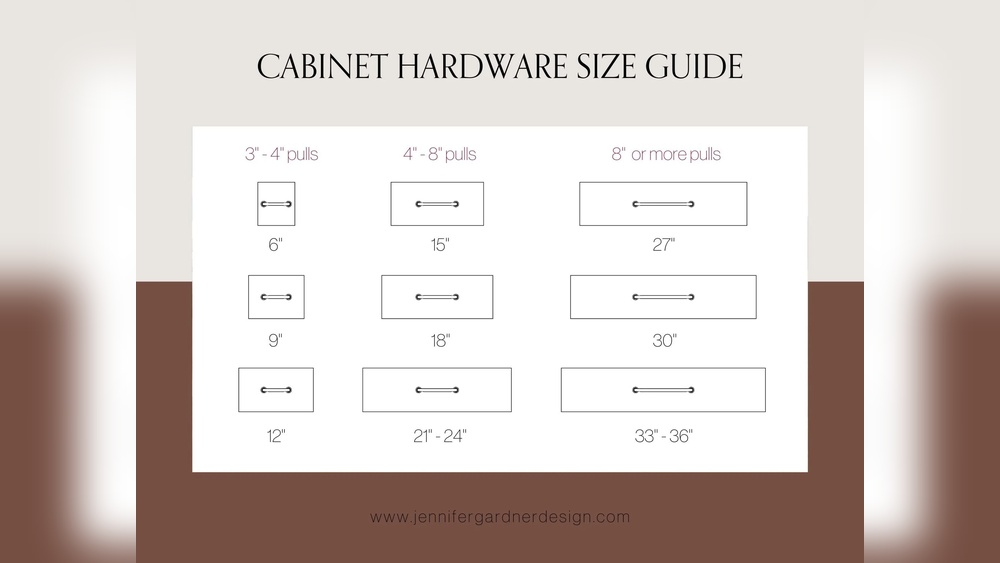
Start by measuring the width and height of the cabinet doors. Use a tape measure for accuracy. Measure the drawer front size too. Note these dimensions carefully. Hardware size often depends on the cabinet part size. Small drawers call for smaller knobs or pulls. Larger doors can handle bigger handles or pulls.
Considering Cabinet Style And Proportion
Think about the cabinet’s style. Modern cabinets usually suit sleek, simple hardware. Traditional cabinets often fit ornate, larger hardware. The hardware size should match the cabinet’s style and shape. Proportion is important. The hardware should look balanced with the cabinet face. Avoid hardware that looks too bulky or too tiny.
Matching Hardware To Cabinet Material
The cabinet material affects hardware choice. Wood cabinets pair well with warm, natural finishes. Metal cabinets look good with cool or shiny hardware. Glass doors work best with minimal hardware. Consider the texture and color of the cabinet material. Choose hardware that complements without clashing. This creates a smooth, unified appearance.
Common Hardware Sizes
Cabinet hardware comes in many sizes. Knowing common sizes helps you choose the right fit. Size affects both look and function of your cabinets.
Standard Pull And Knob Dimensions
Most cabinet knobs measure about 1 to 1.5 inches in diameter. Pulls usually range from 3 to 5 inches long. The size you pick should match your cabinet style. Small knobs suit delicate furniture. Larger pulls fit modern or larger cabinets.
Popular Spacing For Handles
Handle spacing means the distance between screw holes. Common spacing sizes are 3, 3.75, and 5 inches. Choose spacing that fits your cabinet doors. Measure old hardware to find correct spacing. Proper spacing makes installation easier and looks balanced.
Size Variations For Different Cabinets
Kitchen cabinets often use bigger pulls for easy grip. Bathroom cabinets might have smaller knobs for a neat look. Furniture drawers can vary from small to medium pulls. Custom cabinets may need unique hardware sizes. Always measure the cabinet before buying hardware.
Tools For Accurate Measurement
Choosing the right size for cabinet hardware needs careful measurement. Using the right tools makes this task easier and more accurate. Accurate measurements ensure hardware fits well and looks great. Here are some tools that help measure cabinet hardware precisely.
Using A Measuring Tape
A measuring tape is the simplest tool for measuring cabinet hardware. Use a tape with clear markings in inches and centimeters. Measure from one end of the hardware to the other. For handles, measure the distance between screw holes. This helps find the correct hole spacing.
Employing Calipers For Precision
Calipers give more precise measurements than a tape. Use them to measure small details like thickness and diameter. Slide the caliper jaws around the hardware to get exact sizes. Digital calipers show measurements clearly on a screen. They are great for detailed and close measurements.
Digital Tools And Apps
Smartphones offer apps for digital measurements. Some apps use the phone camera to measure objects. They provide quick and easy size checks. These tools are helpful for rough estimates on the go. Use them alongside physical tools for best results.

Credit: porchdaydreamer.com
Practical Tips For Selection
Selecting the right size for cabinet hardware is more than just measuring. It involves careful thought about how it looks and works. Practical tips help you choose hardware that fits your cabinets well and matches your style.
These tips help avoid mistakes and make sure the hardware feels right to use. Consider how the hardware will fit your daily needs and the space available on your cabinets.
Testing With Sample Hardware
Try sample hardware before buying. Attach different sizes on a drawer or door to see what fits best. Testing shows how the hardware feels in your hand. It also helps you check if it matches the cabinet size.
Samples let you see how the hardware looks with your cabinet color and style. This hands-on method prevents surprises after installation.
Balancing Functionality And Aesthetics
Choose hardware that works well and looks good. Large handles may look stylish but can be hard to use on small drawers. Small knobs might suit tight spaces but may not stand out visually.
Consider how often you use the cabinet and how much grip you need. Good hardware balances ease of use with a pleasing look.
Considering User Comfort
Hardware should feel comfortable to hold and pull. Rough or sharp edges can hurt hands over time. Smooth, rounded designs offer better comfort.
Think about who will use the cabinets most. Choose sizes and shapes that are easy for everyone, including children or elderly family members.
Adjusting Hardware Size For Renovations
Adjusting hardware size is important during renovations. Old cabinets may not fit new handles or knobs. Sometimes the size needs to change to match new designs. Careful measuring and planning help avoid extra holes or damage. Consider the cabinet style and space available. Choose hardware that fits well and looks balanced.
Replacing Old Hardware Without Drilling
Keep old holes to avoid extra work. Measure the distance between existing holes first. Pick hardware that matches these measurements. This saves time and keeps cabinets intact. Use covers or fillers if the new hardware is smaller. Avoid making new holes unless absolutely necessary.
Customizing Sizes For Unique Cabinets
Some cabinets have unusual shapes or sizes. Measure each cabinet carefully. Custom hardware may be needed to fit properly. Small adjustments can make a big difference. Work with hardware suppliers who offer custom sizes. This ensures a perfect fit and consistent style.
Working With Asymmetrical Designs
Asymmetrical cabinets need special attention. Measure each side separately. Choose hardware that complements the design. Sometimes different sizes or styles work better. Balance is key to avoid a cluttered look. Test placement before final installation to get it right.

Credit: porchdaydreamer.com
Trends In Cabinet Hardware Sizes
Cabinet hardware size trends have changed a lot recently. People want hardware that fits their style and space perfectly. Sizes now play a big role in how cabinets look and feel. Understanding current trends helps you pick the right hardware size for your kitchen or bathroom.
Minimalist And Oversized Hardware
Small, simple hardware suits minimalist designs well. It keeps the look clean and neat. On the other hand, oversized handles and knobs make a bold statement. They add character and draw attention. Both styles are popular but serve different tastes and spaces.
Mixing Sizes For Visual Interest
Combining different hardware sizes adds depth to cabinet design. Large pulls on drawers with smaller knobs on doors create contrast. This mix breaks the monotony and adds charm. It works best when sizes complement each other and the cabinet size.
Adapting To Modern Cabinet Designs
Modern cabinets often have flat or slab fronts. They need hardware that enhances simplicity without clutter. Slim, long pulls or edge pulls suit these designs well. Hardware size matches the cabinet’s clean lines and smooth surfaces perfectly.
Frequently Asked Questions
How Do I Measure Cabinet Hardware Size?
Measure the distance between the screw holes’ centers. This is called the “center-to-center” measurement. It determines the hardware size.
What Tools Are Needed To Measure Cabinet Hardware?
Use a tape measure or ruler for accuracy. A pencil helps mark screw hole positions if needed.
Why Is Cabinet Hardware Size Important?
Correct size ensures proper fit and function. It maintains cabinet aesthetics and prevents installation issues.
Can I Use Different Hardware Sizes On One Cabinet?
Yes, but keep consistent proportions for a balanced look. Mixing sizes can affect usability and design.
Conclusion
Choosing the right cabinet hardware size makes a big difference. It helps cabinets look balanced and work well. Measure carefully before buying to avoid mistakes. Consider the cabinet style and your needs. Small details can change the room’s feel. Take your time and enjoy the process.
This way, your cabinets will fit your space perfectly.