Are you ready to transform your cabinets without the hassle of measuring and guessing? Placing cabinet hardware might seem simple, but even a small mistake can throw off the entire look and feel of your space.
Imagine having a tool that takes the guesswork out and helps you install handles and knobs perfectly every time. Whether you’re a DIY beginner or a seasoned pro, this tool can save you time, frustration, and ensure your cabinets look flawless.
Keep reading to discover how the right cabinet hardware jig can make your project easier and your results stunning.
Cabinet Hardware Challenges
Installing cabinet hardware can be tricky. Many face problems during the process. Small mistakes can cause big issues later. Knowing the common challenges helps avoid errors. It also saves time and effort.
Using the right tool for placing cabinet hardware is key. It helps keep the work neat and precise. This section explains the common issues and why precision matters.
Common Installation Issues
Misaligned handles and knobs are common problems. Drilling holes at the wrong spots ruins the look. Uneven spacing makes cabinets appear unprofessional. Some struggle to keep the hardware level. Slipping tools cause scratches on cabinet surfaces. Poor measurements lead to hardware that does not fit. These issues cause frustration and waste materials.
Importance Of Precision
Precision ensures hardware fits perfectly every time. Accurate placement keeps cabinet doors and drawers functional. Even small errors can make doors hard to close. Proper alignment improves the overall appearance. Precision reduces the need for rework and fixes. Using a placement tool helps achieve this accuracy. It guides drilling and placement for consistent results.
How Hardware Jigs Work
Hardware jigs simplify the process of placing cabinet hardware accurately. They help mark drilling spots quickly and ensure consistent placement across all cabinets. Using a hardware jig reduces mistakes and saves time during installation.
Key Features Of Jigs
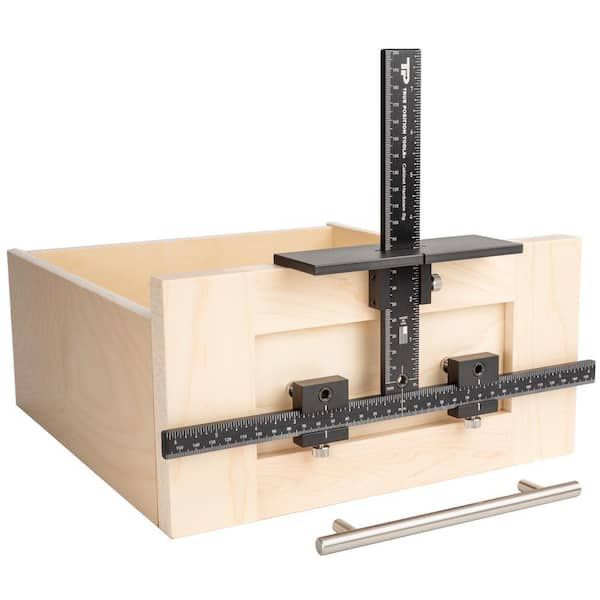
Most hardware jigs have a sturdy base that fits against cabinet doors or drawers. They include preset holes or guides for marking screw locations. This design keeps the drill bit in the right spot. The jigs are often made of durable plastic or metal for long use. Some models come with different templates for knobs or pulls, allowing versatile use.
Adjustable Guides And Scales
Adjustable guides allow customization for various hardware sizes and cabinet dimensions. Scales on the jig help set exact distances from edges or between holes. Users slide the guides to desired measurements, then lock them in place. This feature ensures each hole is drilled at the same spot every time. It also helps to handle different hardware styles without buying multiple tools.
Popular Hardware Jig Models
Choosing the right hardware jig makes cabinet installation easier and faster. Popular models offer accuracy and durability. These tools help place cabinet handles and knobs perfectly every time. They suit both beginners and pros. Here are some well-known hardware jig models to consider for your projects.
True Position Tools Jig
The True Position Tools Jig is known for its precision. It allows exact placement of cabinet hardware. The jig fits many door sizes and styles. Users find it sturdy and reliable. It comes with clear measurements for quick setup. This jig reduces mistakes and saves time on drilling.
Kreg Cabinet Hardware Jig
The Kreg Cabinet Hardware Jig is popular for its ease of use. It has adjustable stops for different hardware sizes. This jig works well on drawers and doors. Its compact design makes it easy to handle. Many DIYers trust Kreg for neat and consistent results. It includes guides for fast, repeatable drilling.
Powertec Adjustable Jig
The POWERTEC Adjustable Jig offers flexibility for various hardware types. It adjusts smoothly to fit different pulls and knobs. This jig is made of durable plastic and metal parts. It ensures straight, level holes for a clean look. Users appreciate its simple locking system. The POWERTEC jig helps speed up cabinet hardware installation.
Credit: www.homedepot.com
Choosing The Right Jig
Choosing the right jig is key to making cabinet hardware installation simple and precise. A good jig helps place handles and knobs evenly. This tool saves time and avoids mistakes. Picking the best jig depends on many factors like budget, usage, and how long it lasts. Understanding these details helps you get the right fit for your needs.
Budget Considerations
Jigs come in different price ranges. Some cost less than $20, while others go over $200. Cheaper jigs can work well for small projects. Higher-priced jigs often offer more features and better precision. Think about how often you will use the jig. Spend a bit more for a tool that lasts longer and works better.
Professional Vs Diy Use
Professionals need jigs that handle many jobs daily. These jigs are sturdy and offer fine adjustments. DIY users might prefer simpler jigs with easy setups. A basic jig can do the job for home projects. Match the jig’s complexity to your skill level and project size.
Durability And Warranty
Check the material of the jig. Metal jigs last longer than plastic ones. A durable jig stands up to repeated use without losing accuracy. Some brands offer warranties for their jigs. This adds protection and shows confidence in the product. Pick a jig with good build quality and a clear warranty for peace of mind.
Step-by-step Jig Usage
Using a cabinet hardware jig simplifies the process of installing handles and knobs. It helps place hardware in the exact spot every time. This step-by-step guide shows how to use a jig correctly. Follow these simple instructions for a neat, professional finish.
Setting Up The Jig
First, clean the cabinet surface. Place the jig flat against the door or drawer. Adjust the jig to match the hardware size. Tighten the screws to hold it firmly in place. Make sure the jig is level and aligned.
Marking And Drilling Holes
Use a pencil to mark the hole positions through the jig’s guides. Double-check the marks for accuracy. Remove the jig carefully, keeping the marks visible. Choose the correct drill bit size for your hardware screws. Drill holes straight and steady to avoid mistakes.
Ensuring Consistency
Repeat the process on every cabinet door or drawer. Use the jig for all the holes to keep spacing uniform. This prevents uneven or crooked hardware placement. Consistent hardware adds to the cabinet’s overall look and function. Check your work often to maintain precision.

Credit: www.amazon.com
Tips For Perfect Placement
Placing cabinet hardware correctly makes a big difference in your kitchen’s look and function. Using the right tool helps you position handles and knobs with ease and accuracy. Follow these simple tips for perfect placement every time.
Measuring Cabinet Doors
Start by measuring the height and width of your cabinet doors. Use a tape measure for precise numbers. Note the size of each door, as different sizes need different hardware placement. Mark the center point lightly with a pencil to guide your installation tool.
Aligning Handles And Knobs
Keep handles and knobs level and straight for a neat appearance. Use a level tool or a hardware jig to align them perfectly. For drawers, place handles horizontally, and for doors, position knobs vertically. Consistency in alignment creates a balanced look across all cabinets.
Avoiding Common Mistakes
Double-check measurements before drilling any holes. Avoid placing hardware too close to edges or corners to prevent damage. Don’t rely on guesswork; use a template or jig for accurate results. Take your time to ensure every piece is installed correctly and securely.
Enhancing Cabinet Appearance
Enhancing the appearance of your cabinets starts with the right hardware placement. A precise tool helps position knobs and pulls evenly. This neat alignment gives cabinets a polished, professional look. It also improves the overall feel of your room. Proper hardware placement makes cabinets easier to use and more attractive. The right tool saves time and reduces mistakes during installation.
Matching Hardware To Style
Choosing hardware that matches your cabinet style is key. Classic cabinets often suit simple, round knobs. Modern cabinets look great with sleek, straight pulls. Rustic cabinets pair well with aged or distressed handles. A tool for placing hardware ensures each piece is set in the perfect spot. This consistency highlights the style and craftsmanship of your cabinets. Small details like this add charm and character to your space.
Finishing Touches
Hardware is the final step in cabinet design. A well-placed handle or knob completes the look. Using a placement tool helps create symmetry on all doors and drawers. This attention to detail makes your cabinets stand out. The right finishing touch brings harmony to your kitchen or bathroom. Even spacing and alignment show care and skill. These small efforts create a beautiful, inviting room.

Credit: www.amazon.ae
Frequently Asked Questions
Is There A Tool To Install Cabinet Pulls?
Yes, the Kreg Cabinet Hardware Jig helps install cabinet pulls accurately. It features adjustable guides for precise hole placement. This tool simplifies alignment and drilling, ensuring perfect results every time. Many hardware stores offer similar jigs for easy, professional cabinet pull installation.
What Is The 1 3 Rule For Cabinet Hardware?
The 1-3 rule for cabinet hardware means placing knobs 1 inch from the drawer edge and 3 inches from the top or bottom. This guideline ensures balanced, ergonomic hardware placement for drawers and cabinet doors.
What Is The Best Cabinet Hardware Jig?
The best cabinet hardware jig is the Kreg Cabinet Hardware Jig. It offers adjustable guides for precise, easy, and consistent handle placement.
What Is A Cabinet Hardware Jig?
A cabinet hardware jig is a tool that guides precise drilling for installing knobs and pulls on cabinets. It ensures consistent, straight hole placement.
Conclusion
Using a tool for placing cabinet hardware makes the job easier and more precise. It helps you measure and mark spots quickly. This reduces mistakes and saves time. You get clean, professional-looking results every time. Even beginners find it simple to use.
Choose a tool that fits your cabinet style and budget. Practice a little before starting your project. Your cabinets will look neat and well-finished. This small step adds big value to your home.