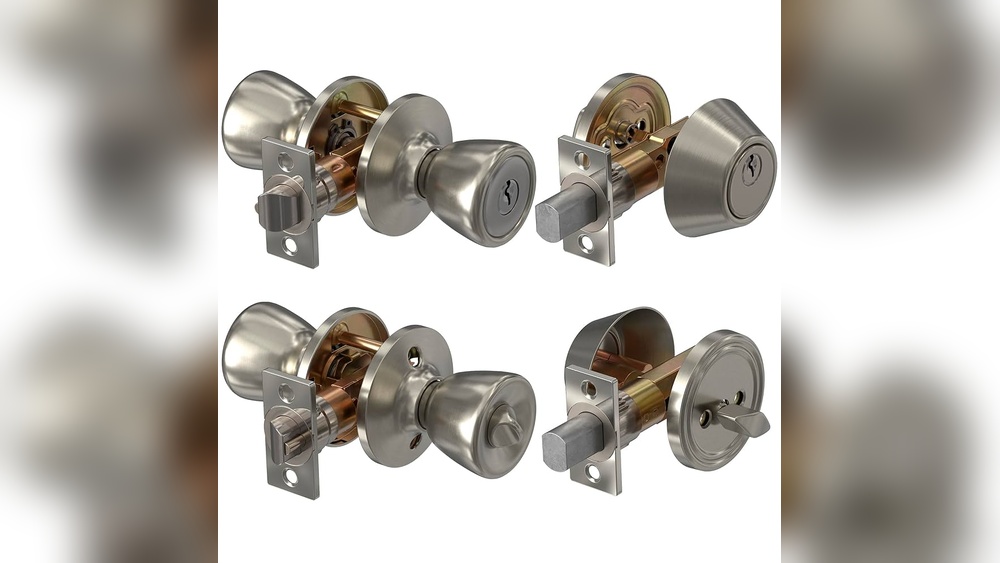
Changing the keys to your Weiser deadbolt might sound tricky, but it’s something you can do yourself—quickly and easily. Imagine having full control over who can enter your home without calling a locksmith or buying a new lock.
If you want to save money and boost your home security, learning how to rekey your Weiser deadbolt is the smart move. Keep reading, and you’ll discover simple steps that anyone can follow to take charge of your lock’s security right now.
Credit: ca.weiserlock.com
Tools Needed
Before starting the rekeying process for your Weiser deadbolt, gather the right tools. Having the correct tools makes the job easier and faster. It also helps avoid damage to the lock or door.
Below are the essential tools needed for rekeying your Weiser deadbolt. Each tool has a specific purpose in the process. Prepare them all to ensure smooth work.
Phillips Screwdriver
This tool removes the screws on the deadbolt faceplate. It helps take off the lock cylinder safely. A medium-sized Phillips screwdriver works best.
Flathead Screwdriver
Use this to gently pry parts apart. It can also help release clips inside the lock. A small flathead screwdriver is ideal.
Weiser Rekeying Kit
Buy a kit made for Weiser deadbolts. The kit includes special tools and new keys. It ensures the rekeying fits your lock perfectly.
Tweezers Or Needle-nose Pliers
These help handle tiny pins inside the lock. They make placing pins easier and more accurate. Tweezers with a pointed tip work well.
Pick Tool Or Paperclip
A pick tool or straightened paperclip helps remove the lock cylinder plug. It is useful to unlock the plug from the housing. This step is key for rekeying.

Credit: www.youtube.com
Removing The Deadbolt
Removing the deadbolt is the first step in rekeying your Weiser lock. This process lets you access the internal parts. Handle the lock carefully to avoid damage. Follow clear steps to remove it safely.
Locate Screws
Find the screws that hold the deadbolt together. They are usually on the interior side of the door. Use a screwdriver to spot them easily. These screws keep the lock parts connected. Remember their positions for reassembly later.
Detach Exterior And Interior Parts
Unscrew the fasteners holding both sides of the lock. Pull the exterior part gently away from the door. Then, remove the interior side carefully. Keep all screws and parts in one place. This prevents losing any pieces during rekeying.
Extracting The Cylinder
Extracting the cylinder is a key step in rekeying your Weiser deadbolt. This part holds the pins and springs that control the lock. Removing it carefully ensures you can change the pins and reset the lock to a new key. Follow these clear steps to extract the cylinder without damage.
Identify Cylinder Retaining Pin
First, find the cylinder retaining pin. This pin locks the cylinder inside the lock housing. Look for a small hole or slot on the side of the deadbolt. The pin usually sits inside this hole. You need to press or pull this pin to release the cylinder.
Remove Cylinder Safely
Press the retaining pin gently using a small tool like a paperclip or pin. Push it until it clears the cylinder. While pressing, pull the cylinder straight out from the lock body. Avoid twisting or forcing it. Keep your hands steady to prevent damage to the lock parts.
Replacing The Pins
Replacing the pins is a key step in rekeying your Weiser deadbolt. It lets the lock work with a new key. The pins inside the cylinder must match the cuts on your new key. This process ensures the lock turns smoothly only with the new key.
Match New Pins To Key
Start by comparing the new key’s cuts to the pin sizes. Each cut on the key has a specific depth. Match this depth with a pin of the right length. Use a pinning chart if available. This helps you pick the correct pins quickly and accurately.
Arrange Pins Inside Cylinder
Place the pins inside the cylinder’s chambers in order. Each chamber holds one pin that fits the key cut. Insert the pins gently to avoid damage. Make sure pins sit flush inside the cylinder. This prevents jamming and ensures smooth turning of the lock.
Reassembling The Lock
Reassembling the lock is the final step in rekeying your Weiser deadbolt. This part is important to make sure the lock works smoothly. Take your time and follow each step carefully. A correctly reassembled lock keeps your home safe and secure.
Insert Cylinder Back
Start by placing the cylinder back into the lock body. Align it properly with the keyway and pins. Push it gently but firmly until it fits snugly. Avoid forcing the cylinder to prevent damage. Check that the cylinder rotates smoothly with the new key.
Secure Deadbolt Components
Next, reattach the screws that hold the lock together. Tighten them evenly to keep the parts stable. Insert the tailpiece through the cylinder and connect it to the thumb turn or key mechanism. Test the deadbolt by turning it to ensure it moves freely. Properly secured parts stop the lock from coming loose or jamming.
Testing The Rekeyed Lock
Testing the rekeyed lock is a vital step after completing the process. It ensures your Weiser deadbolt works perfectly with the new key. This step helps avoid problems like getting locked out or a jammed lock.
Check Key Functionality
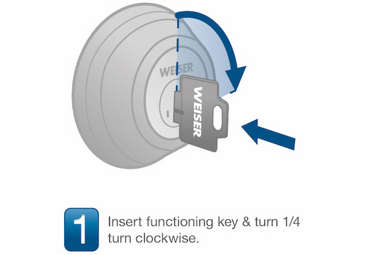
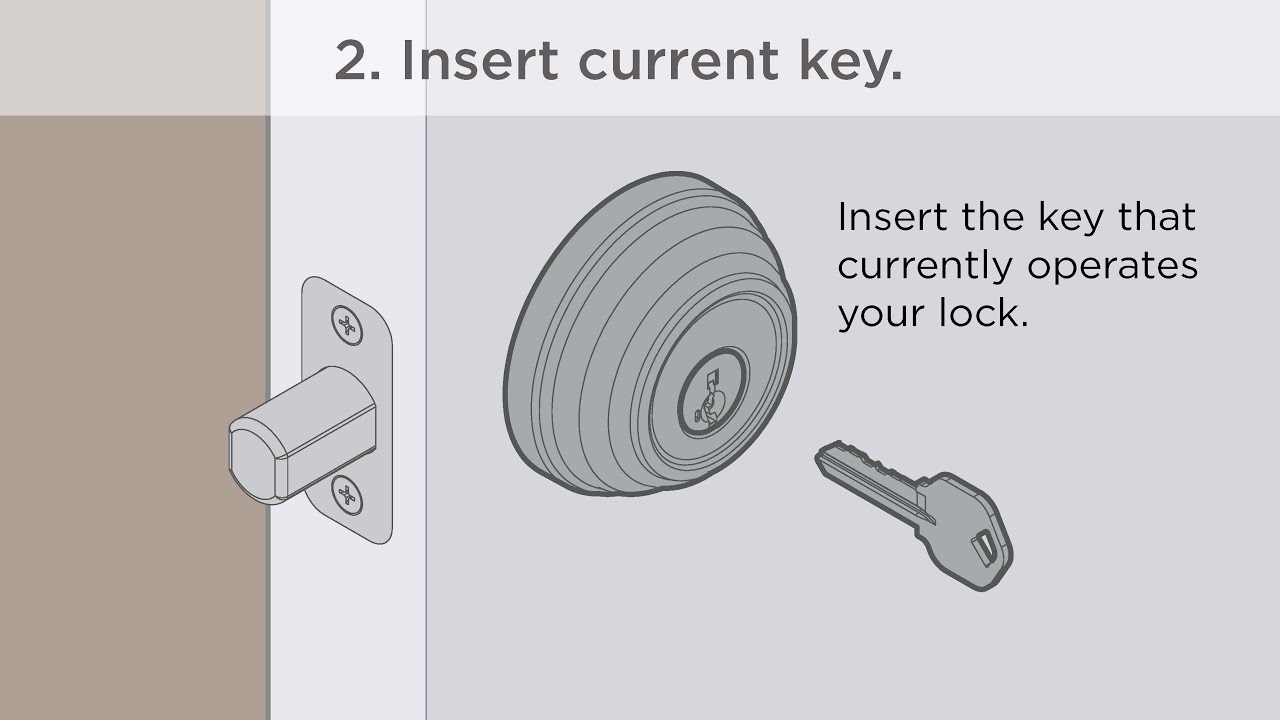
Insert the new key into the lock gently. Turn it slowly to see if it moves without resistance. Try locking and unlocking several times. This confirms the key fits well and the pins align correctly.
Test the key from both sides of the door if possible. A smooth turn both ways means the rekeying is successful. If the key sticks or won’t turn, the lock may need adjustment.
Ensure Smooth Lock Operation
After checking the key, focus on how the lock feels. Turn the thumb turn inside the door to lock and unlock. It should move freely without force or noise.
Push and pull the door slightly while locking. The bolt should slide fully into the strike plate. If the bolt jams or stops, the lock or strike plate might need realignment.
Test the lock multiple times during different door positions. This guarantees the deadbolt works under normal use conditions.
Troubleshooting Tips
Troubleshooting a Weiser deadbolt rekey can be simple with the right tips. Small issues may stop the lock from working well. Fixing these problems helps keep your home secure and your lock smooth.
Address Key Sticking
If your key sticks in the lock, dirt or debris may block the pins. Use a spray lubricant designed for locks to clean inside. Insert and remove the key several times after spraying. Avoid oil-based lubricants as they attract dust and cause more sticking.
Check the key for damage or bending. A bent key can cause it to stick or jam. Use a spare key if available, or replace the key if it is worn out. Clean the key with a soft cloth to remove any dirt.
Fix Lock Misalignment
Misalignment between the lock and strike plate can cause the deadbolt to stick or not turn. Check if the bolt hits the strike plate when locking. Adjust the strike plate by loosening screws and moving it slightly.
Make sure the door is properly closed and not warped. Tighten loose hinges to keep the door aligned. If the door sags, use a door shim or call a professional for help. Proper alignment ensures smooth deadbolt operation.
When To Call A Locksmith
Knowing when to call a locksmith is important for your home security. Some rekeying tasks can be done by yourself. Others need expert help. Calling a locksmith saves time and avoids mistakes. It also ensures your Weiser deadbolt works perfectly after rekeying.
Signs Your Weiser Deadbolt Needs Professional Rekeying
If the key sticks or turns hard, the lock may need a pro. Broken or bent keys inside the lock require expert removal. If you lost your keys, a locksmith can rekey quickly. It stops old keys from working and keeps your home safe.
Complex Rekeying Situations
When your lock has extra security features, rekeying is tricky. Specialized tools and skills are needed. Changing multiple locks at once also calls for a locksmith. They handle the job fast and make sure all locks match your new key.
Emergency Lock Issues
Locked out with no spare key? A locksmith can help right away. If the lock is damaged or jammed, avoid forcing it. Professionals have the right tools to fix it without damage. Quick service means less worry and faster access.
Credit: ca.weiserlock.com
Frequently Asked Questions
How Do I Rekey A Weiser Deadbolt?
To rekey a Weiser deadbolt, remove the lock cylinder, replace the old pins with new ones, and reassemble. Use a rekeying kit designed for Weiser locks. Follow instructions carefully to ensure smooth operation and security.
What Tools Are Needed To Rekey Weiser Deadbolt?
You need a screwdriver, pinning kit, key gauge, tweezers, and a new key. These tools help remove the cylinder, replace pins, and test the lock. A proper kit ensures accuracy and ease during rekeying.
Can I Rekey A Weiser Deadbolt Myself?
Yes, rekeying a Weiser deadbolt is a DIY task if you have the right tools and instructions. It saves money and improves security. Take your time to follow each step precisely for best results.
How Long Does It Take To Rekey A Weiser Deadbolt?
Rekeying typically takes 15 to 30 minutes. Time varies with your experience and tool availability. Practice and careful handling speed up the process while ensuring the lock works perfectly.
Conclusion
Rekeying your Weiser deadbolt is easier than it seems. With the right tools and steps, you can do it yourself. This saves money and keeps your home secure. Take your time and follow the instructions carefully. Practice makes perfect, so don’t worry if it takes a few tries.
A properly rekeyed lock gives peace of mind. Now, your key fits only your lock. Simple, effective, and safe. Give it a try today.