Have you ever faced the frustration of a deadbolt that just won’t budge? It can leave you stuck outside or struggling to lock your door properly.
But don’t worry—unsticking a deadbolt is easier than you think. You’ll discover simple, effective steps to get your deadbolt working smoothly again. Keep reading, and you’ll save time, avoid costly locksmith calls, and regain peace of mind with a lock that works like new.
Credit: www.reddit.com
Common Causes Of A Stuck Deadbolt
Deadbolts can get stuck for several reasons. Knowing the common causes helps fix the problem faster. Many issues come from simple wear or changes in weather. Other times, parts may not fit right. Understanding these causes makes it easier to unstick the deadbolt safely.
Weather Effects
Cold weather can cause metal to shrink. This makes the deadbolt harder to turn. Moisture can cause rust inside the lock. Heat can make parts expand and stick. Dirt and debris often build up during rain. These weather effects block smooth lock movement.
Misalignment Issues
Doors and frames shift over time. This causes the deadbolt and strike plate to misalign. A misaligned bolt will not slide in easily. Hinges may loosen, changing the door’s position. Even small shifts can stop the lock from working properly.
Worn Components
Deadbolts have moving parts that wear out. Springs can weaken, reducing lock tension. The key cylinder can get sticky or jammed. Lubrication can dry up, causing friction. Worn parts do not work smoothly and cause sticking.
Tools Needed For Quick Fixes
Fixing a stuck deadbolt often requires a few simple tools. Having the right items ready makes the process faster and easier. These tools help clean, loosen, and adjust the lock parts. Keep them handy for quick fixes at home.
Lubricants And Sprays
Lubricants reduce friction inside the lock. Use graphite powder or silicone spray for best results. Avoid oil-based lubricants; they attract dirt. Spray a small amount into the keyhole and bolt area. This helps the deadbolt move smoothly again.
Screwdrivers And Allen Keys
Screwdrivers help remove the lock cover or tighten loose screws. Flathead and Phillips screwdrivers are common types to have. Allen keys are useful for adjusting certain deadbolt models. These tools let you access and fix internal parts quickly.
Cleaning Supplies
Dust and dirt cause deadbolts to stick. Use a small brush or compressed air to clean the lock. A soft cloth helps wipe away grime from the exterior. Keeping the lock clean improves its function and lifespan.
Step-by-step Methods To Unstick A Deadbolt
Deadbolts can get stuck over time, making doors hard to open or close. Fixing this issue usually needs careful steps. Follow these simple methods to get your deadbolt working smoothly again. Each step focuses on common problems and easy fixes.
Apply Lubricant Properly
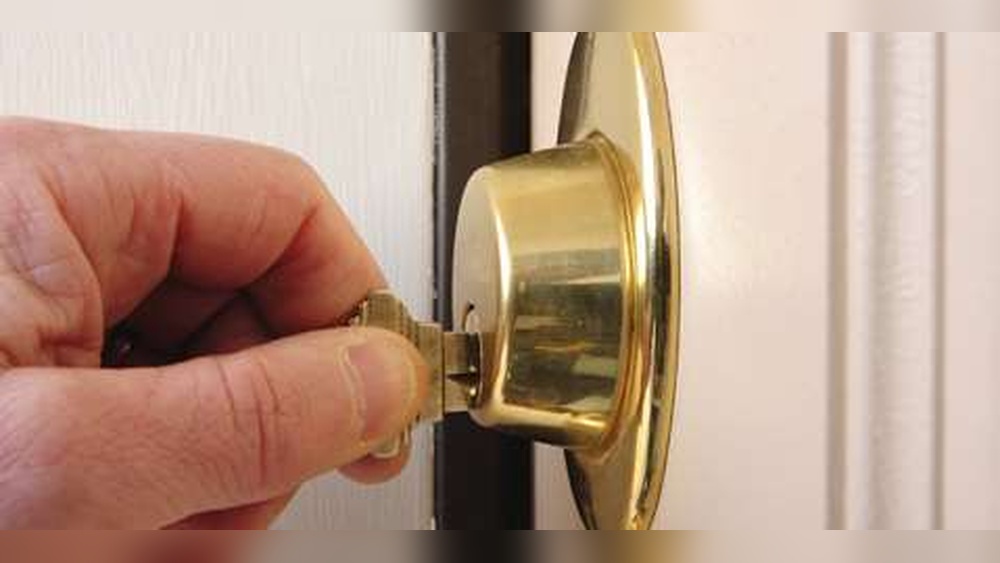
Use a graphite or silicone spray lubricant for best results. Avoid oil-based lubricants as they attract dirt. Spray a small amount directly into the keyhole and the bolt mechanism. Insert the key and turn it several times to spread the lubricant inside. This helps loosen any stuck parts and allows the bolt to move freely.
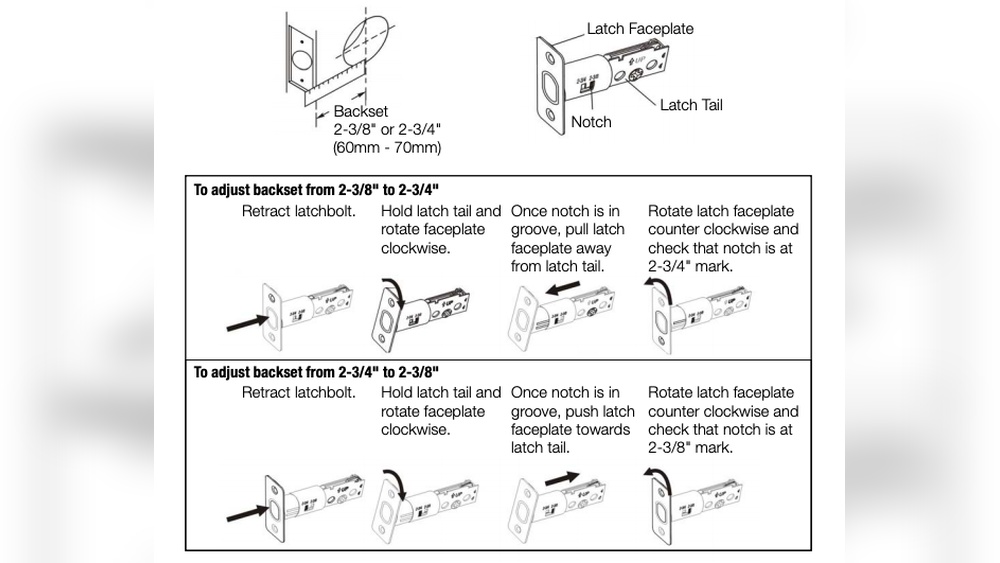
Realign The Strike Plate
Check the strike plate on the door frame. It must line up perfectly with the bolt. If misaligned, the bolt cannot enter smoothly. Unscrew the strike plate and move it slightly up, down, or sideways. Tighten the screws and test the deadbolt. Repeat adjustments until the bolt slides easily into the strike plate.
Tighten Loose Screws
Loose screws can cause the deadbolt to stick. Inspect all screws on the lock and door handle. Use a screwdriver to tighten any loose screws carefully. Secure screws keep the lock parts in place and prevent misalignment. Test the deadbolt after tightening to see if it moves smoothly.

Credit: www.youtube.com
Preventing Future Deadbolt Jams
Deadbolt jams cause frustration and can risk your home’s security. Preventing jams keeps your door working smoothly. Simple steps help avoid stuck deadbolts. Regular care and timely actions reduce problems.
Regular Maintenance Tips
Clean the deadbolt and surrounding area often. Dirt and dust build-up cause jams. Use a soft cloth and mild cleaner. Apply graphite lubricant inside the lock yearly. Avoid oil-based lubricants; they attract dirt. Check the strike plate for loose screws. Tighten them to keep the lock aligned.
Seasonal Adjustments
Wood doors expand and contract with weather changes. This affects deadbolt alignment. Test your lock each season. Tighten or adjust screws as needed. Sand or plane the door edges if swelling occurs. Keep door frames in good shape. This prevents pressure on the deadbolt.
When To Replace Parts
Parts wear out after long use. Rusty or broken components cause jams. Replace the deadbolt if it sticks often. Change worn strike plates to keep alignment. Upgrading to a new lock improves security. Choose quality parts made for your door type. Regular checks help catch issues early.
When To Call A Professional Locksmith
Knowing when to call a professional locksmith saves time and prevents more damage. Some deadbolt problems need expert tools and skills. Avoid forcing the lock, as it may break it further. Recognize the signs that show a locksmith’s help is necessary.
Signs Of Serious Damage
Deadbolt won’t turn at all. Key gets stuck or won’t insert smoothly. Lock feels loose or wobbly in the door. Visible cracks or bent parts on the lock. Door won’t close properly with the deadbolt. These signs show the lock might be broken inside.
Cost Considerations
Trying to fix serious damage can cost more later. Professionals fix the problem right the first time. They have the right tools and parts ready. Cheap fixes can lead to replacing the whole lock. Hiring a locksmith saves money in the long run.
Emergency Situations
Locked out with no spare key? Lost your key and cannot enter? Broken deadbolt after a break-in attempt? These situations need fast and safe help. A professional locksmith can open the door quickly. They also secure your home after damage.

Credit: www.youtube.com
Frequently Asked Questions
Why Is My Deadbolt Stuck And Not Turning?
A deadbolt can get stuck due to dirt, rust, or misalignment. Lack of lubrication or worn parts also cause issues. Regular maintenance helps avoid these problems and keeps your lock functioning smoothly.
How Can I Lubricate A Stuck Deadbolt Properly?
Use a graphite-based lubricant or a silicone spray for deadbolts. Avoid oil-based lubricants as they attract dust. Apply sparingly inside the keyhole and on the bolt mechanism for smooth operation.
What Tools Do I Need To Unstick A Deadbolt?
You typically need lubricant, a screwdriver, and sometimes pliers. A lubricant helps loosen the mechanism, while screwdrivers assist in adjusting or removing the lock if necessary.
Can I Fix A Stuck Deadbolt Without Removing It?
Yes, you can often fix it by cleaning and lubricating the lock. Gently wiggle the key and apply lubricant to free the stuck bolt. If it persists, partial disassembly might be required.
Conclusion
A stuck deadbolt can cause real frustration. Small fixes often solve the problem quickly. Keep your lock clean and well-lubricated. Regular care helps prevent future sticking. If the deadbolt still won’t move, consider calling a professional. Taking action early saves time and stress.
You can protect your home by maintaining your locks. Simple steps make your door work smoothly again. Don’t ignore a stuck deadbolt—fix it soon.