Struggling to get stubborn mounting tape off your metal surfaces? You’re not alone.
Mounting tape can leave behind sticky residue that’s tough to remove and can damage your metal if you’re not careful. But don’t worry—you’re about to discover simple, effective ways to clean your metal without any hassle. Keep reading, and you’ll learn easy tricks that save your time and protect your surfaces.
Ready to make your metal shine again? Let’s dive in!

Credit: www.wikihow.com
Choosing The Right Tools
Choosing the right tools makes removing mounting tape from metal much easier. The right tools protect the metal surface from scratches and damage. They also help remove the tape faster and cleaner. Some tools are easy to find at home. Others are made especially for tape removal. Knowing which tool to use helps save time and effort.
Common Household Items
Many household items work well for removing mounting tape. A plastic scraper or an old credit card can lift tape edges without scratching metal. Warm soapy water softens the tape adhesive. Rubbing alcohol or vinegar helps break down sticky residue. A hairdryer heats the tape, making it easier to peel off. These items are safe and easy to use on metal surfaces.
Specialized Removal Tools
Some tools are made specifically for tape removal. A plastic putty knife is stronger than household scrapers. It removes thick or stubborn tape without damage. Adhesive removers come in spray or gel form. They dissolve sticky glue quickly. Heat guns provide controlled heat for tough tape. These tools are helpful for large or old mounting tape jobs.
Credit: www.reddit.com
Preparing The Metal Surface
Preparing the metal surface is an important step before removing mounting tape. It helps protect the metal and makes the removal process easier. Taking time to prepare prevents damage and keeps the surface clean. Follow simple steps to get the best results.
Cleaning Before Removal
Start by cleaning the metal surface. Use a soft cloth and mild soap with water. Wipe gently to remove dirt and dust. Dry the area completely with a clean towel. Clean surfaces help the tape come off smoothly. Avoid harsh chemicals that can harm the metal.
Protecting The Metal
Protect the metal from scratches and marks. Use painter’s tape or masking tape around the mounting tape edges. This forms a barrier during removal. Work slowly to avoid bending or damaging the metal. Proper protection keeps the surface intact and ready for reuse or repainting.
Manual Removal Techniques
Removing mounting tape from metal can be tricky but possible without harsh chemicals. Manual removal techniques use simple tools and patience. These methods help protect the metal surface from damage. Let’s explore two effective ways to do this by hand.
Peeling Off The Tape
Start by lifting a corner of the tape gently. Use your fingernail or a plastic card to avoid scratching the metal. Pull the tape slowly at a low angle. This reduces the chance of tearing the tape. Work in small sections for better control. If the tape resists, warm it slightly with your hand. Heat softens the adhesive, making peeling easier.
Scraping Residue Safely
After removing the tape, sticky residue may remain. Use a plastic scraper or an old credit card. Avoid metal tools that can scratch the surface. Hold the scraper at a 45-degree angle. Gently push the residue off without digging into the metal. Wipe the area with a damp cloth to clean leftover bits. Repeat scraping if needed, but be patient and careful.
Using Heat To Loosen Tape
Using heat to remove mounting tape from metal works well. Heat softens the adhesive, making the tape easier to peel off. This method prevents damage to the metal surface and leaves less sticky residue.
Heat also helps avoid harsh chemicals. It is safe and effective for many types of metal. Two common ways to apply heat are with a heat gun or a hair dryer.
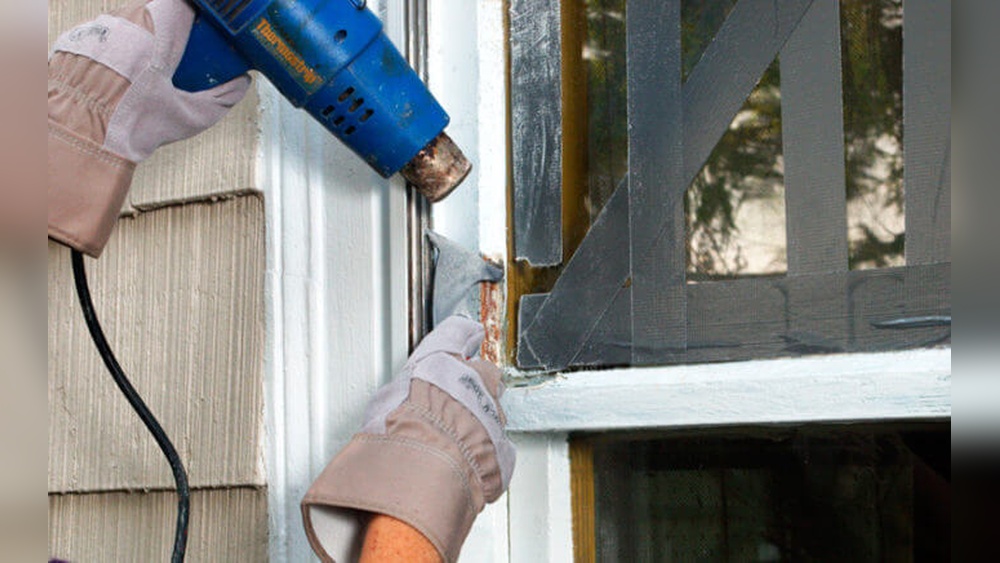
Heat Gun Method
Hold the heat gun about 6 inches from the tape. Move it slowly back and forth over the tape. Keep the heat steady but not too hot to avoid burning the metal.
After about 30 seconds, the tape will feel softer. Use a plastic scraper or your fingers to lift the tape edges. Pull gently to remove the tape without tearing.
If the tape resists, apply heat again. Repeat until the tape peels off easily. Clean any leftover adhesive with warm soapy water.
Hair Dryer Alternative
A hair dryer works well for smaller jobs or delicate metal. Set it to high heat and hold it close to the tape. Warm the tape evenly for about one minute.
Check the tape’s softness by pressing lightly. If soft, start peeling from the edge using your fingers or a plastic tool. Heat more if needed to loosen tough spots.
This method is gentle and avoids overheating. It is a good choice for painted or thin metal surfaces.
Chemical Solutions For Residue
Removing mounting tape from metal often leaves sticky residue behind. Chemical solutions work well to break down the adhesive. These solutions soften the residue, making it easier to wipe away.
Choosing the right chemical depends on what you have at home or can buy at a store. Some household products are gentle yet effective. Commercial removers offer stronger action for tough residue.
Common Household Chemicals
Rubbing alcohol helps dissolve sticky tape residue quickly. Apply it with a cloth and rub gently. Vinegar is another option that loosens adhesive. Soak a cloth in vinegar and press it on the residue.
Cooking oil or peanut butter also work well. These oils break down the sticky parts and make residue easier to remove. Use a small amount and wipe with a soft cloth.
Commercial Adhesive Removers
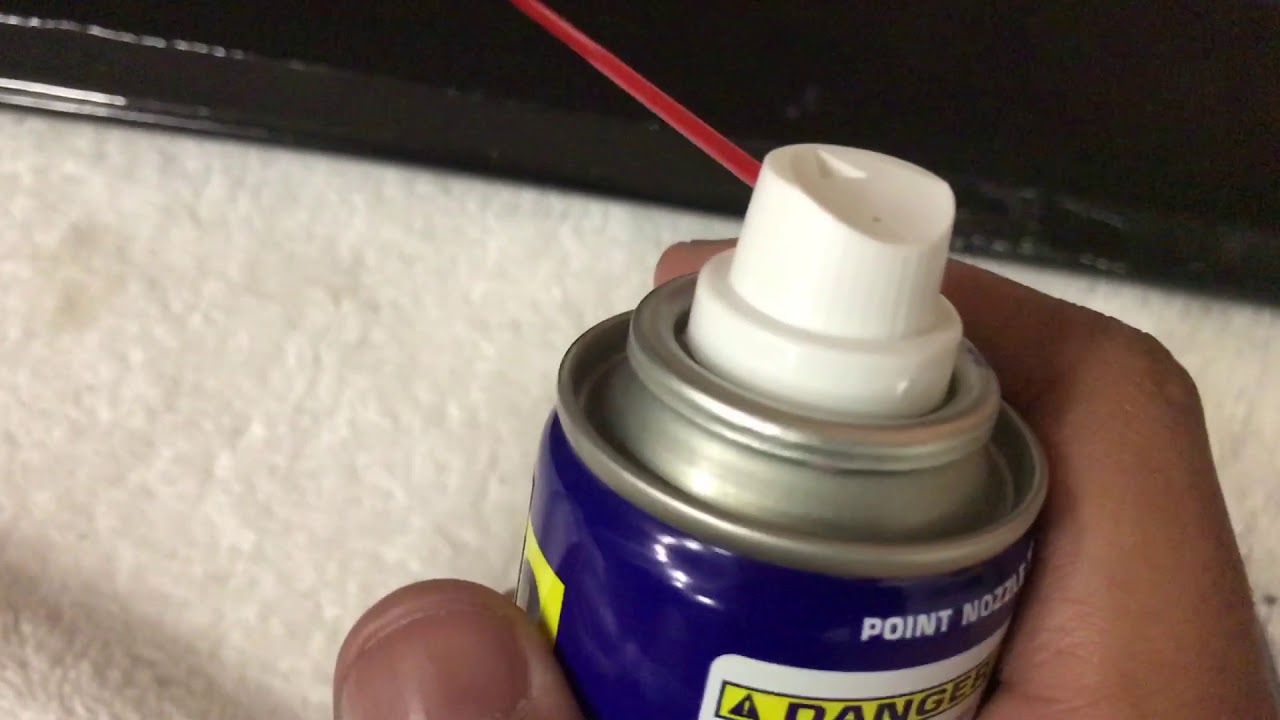
Special adhesive removers are made for sticky residues on metal. These products are stronger than household chemicals. Spray or apply the remover on the residue and wait a few minutes.
Then wipe the residue off with a cloth. Always follow the product instructions. Use gloves and work in a well-ventilated area for safety.
Preventing Damage To Metal
Removing mounting tape from metal surfaces requires care. Metal can scratch or get damaged easily. Taking steps to protect the metal keeps it looking good. Small mistakes can leave marks or stains. A gentle approach helps keep the metal smooth and clean.
Avoiding Scratches
Use soft tools like plastic scrapers or old credit cards. Avoid metal or sharp objects that can dig into the surface. Work slowly and gently to lift the tape edges. Do not force the tape off quickly. Apply light pressure to prevent any damage.
Testing Chemicals Safely
Test any cleaning chemical on a hidden spot first. Watch for changes in color or texture. Use mild solutions like soap and water before stronger chemicals. Avoid harsh solvents that can harm paint or finish. Always read labels and follow safety instructions carefully.
Post-removal Cleaning
After removing mounting tape from metal, some sticky residue often remains. Cleaning this residue is important. It prevents dirt buildup and keeps the metal looking good. Proper cleaning also protects the metal from damage and rust. Follow these simple steps to clean the surface well.
Removing Sticky Residue
Sticky residue can be tough to remove. Use a soft cloth and warm soapy water first. Rub gently to avoid scratching the metal. For stubborn residue, try rubbing alcohol or a small amount of cooking oil. Apply with a cloth and rub until the residue loosens. Wipe the area clean with a dry cloth. Avoid harsh chemicals that can damage the metal surface.
Polishing The Surface
Polishing restores shine and smoothness to the metal. Use a metal polish suitable for your metal type. Apply a small amount on a soft cloth. Rub the polish in circular motions gently. Let it sit for a few minutes. Buff the surface with a clean cloth until it shines. Polishing also adds a protective layer, keeping the metal safe from future stains.
Credit: www.youtube.com
Tips For Future Tape Use
Using mounting tape on metal surfaces can be tricky. Removing it without damage is important. To avoid problems, follow these tips for future tape use. They help keep surfaces clean and make tape removal easier.
Choosing Removable Tape
Select tape designed for easy removal. Look for labels that say “removable” or “low residue.” These tapes stick well but peel off cleanly. Avoid strong permanent tapes on metal. They can leave sticky marks or damage the surface.
Test a small piece first. This ensures the tape works well on your metal type. Different metals react to adhesives in different ways. A quick test saves time and trouble later.
Proper Application Techniques
Clean the metal surface before applying tape. Dirt and oil reduce tape’s grip. Use rubbing alcohol or mild soap to clean and dry fully. Apply tape smoothly without stretching it.
Press tape firmly to avoid air bubbles. They weaken the bond and cause peeling. Use gentle pressure over the entire tape length. Remove tape slowly and at a low angle to reduce residue.
Frequently Asked Questions
How Do I Safely Remove Mounting Tape From Metal?
Use a hairdryer to warm the tape, softening the adhesive. Gently peel the tape off using a plastic scraper to avoid scratches. Clean residue with rubbing alcohol for a clear metal surface.
What Household Items Remove Mounting Tape Residue?
Rubbing alcohol, vinegar, or cooking oil effectively dissolve adhesive residue. Apply with a cloth, let it sit for a few minutes, then wipe clean. Always test on a small area first to avoid damage.
Can Heat Damage Metal When Removing Mounting Tape?
Heat from a hairdryer is safe if used moderately. Avoid overheating to prevent warping or discoloration. Keep the dryer moving and check the metal temperature frequently during removal.
How To Avoid Scratches When Removing Mounting Tape?
Use a plastic or silicone scraper instead of metal tools. Apply gentle pressure and work slowly. Avoid sharp objects that can gouge or scratch the metal surface during tape removal.
Conclusion
Removing mounting tape from metal can be simple with the right steps. Use gentle heat or oil to soften the tape. Peel carefully to avoid scratches. Clean any sticky residue with rubbing alcohol or soap. Take your time and work slowly.
This way, the metal stays clean and undamaged. Now you know how to handle mounting tape safely. Keep these tips handy for future projects. Removing tape doesn’t have to be hard or messy. Try these easy methods and see the difference.