Is your old house’s floor sagging or uneven? You’re not alone, and fixing it might seem like a big job.
But don’t worry—lifting and leveling your floor is something you can tackle with the right steps. Imagine walking into your home and feeling the solid, steady ground beneath your feet. You deserve that confidence. You’ll discover simple, clear instructions on how to jack up the floor in your old house.
By the end, you’ll know exactly what to do to bring back strength and stability to your floors. Ready to get started? Let’s dive in.

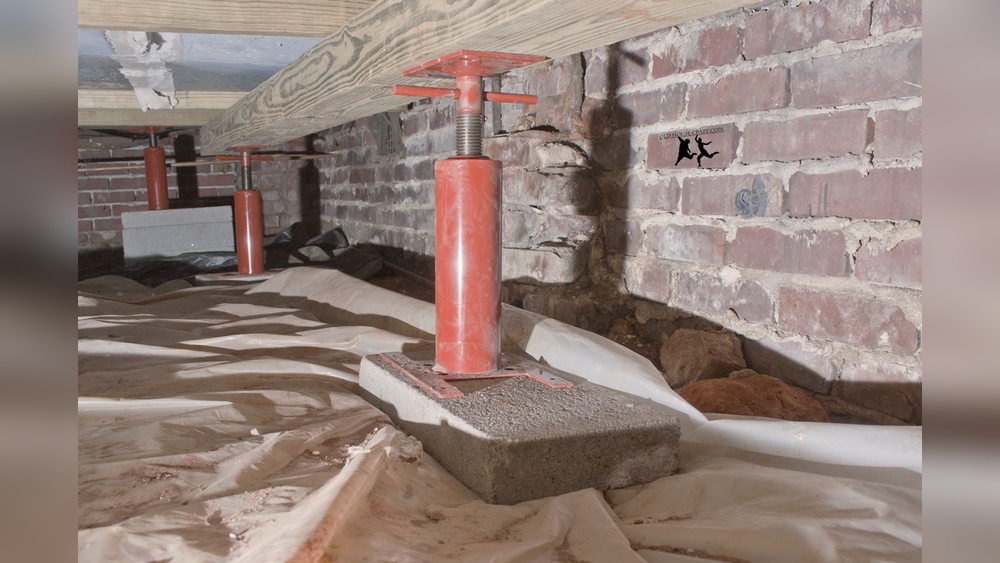
Credit: oldhousecrazy.com
Signs Of A Sagging Floor
Sagging floors in old houses cause many problems. They make rooms feel unsafe and look uneven. Catching signs early helps fix the floor before damage grows. Check floors often for any unusual dips or soft spots. A sagging floor does not always mean a major issue, but it signals attention is needed.
Common Causes
Wood rot weakens floor joists and beams over time. Water leaks from pipes or roofs damage wood structure. Termites and pests eat away at wood supports. Poor original construction can lead to weak floor framing. Heavy furniture or stored items add stress to floors. Foundation settling or shifting also causes floor sagging.
Identifying Problem Areas
Walk slowly across the floor and feel for dips. Look for cracks in walls or gaps near baseboards. Use a level tool to check for uneven surfaces. Floors that bounce or feel soft underfoot need attention. Inspect crawl spaces or basements for moisture and wood damage. Mark low spots to monitor if sagging grows over time.
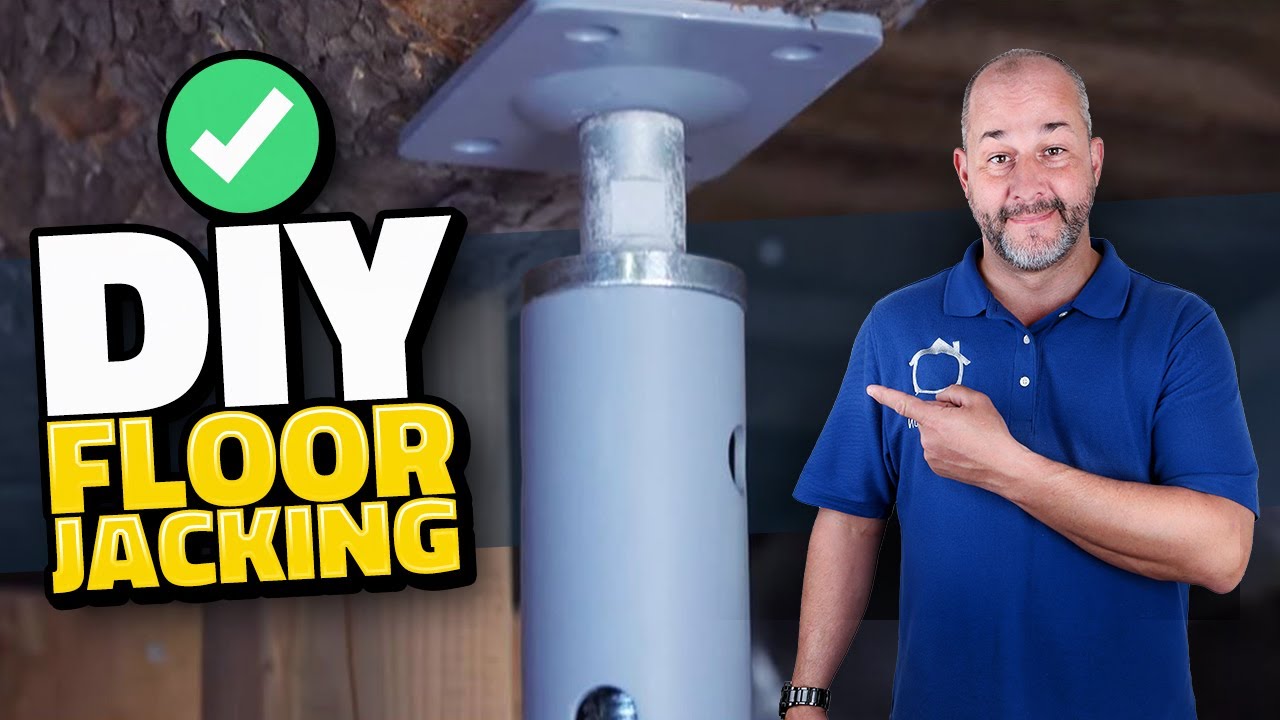
Credit: www.youtube.com
Essential Tools And Materials
Jacking up the floor in an old house takes careful planning and the right tools. Using proper tools makes the job safer and easier. This section covers the key tools and materials needed for lifting floors. You will learn about different jacks and the supporting materials that keep the structure stable.
Jack Types For Floor Lifting
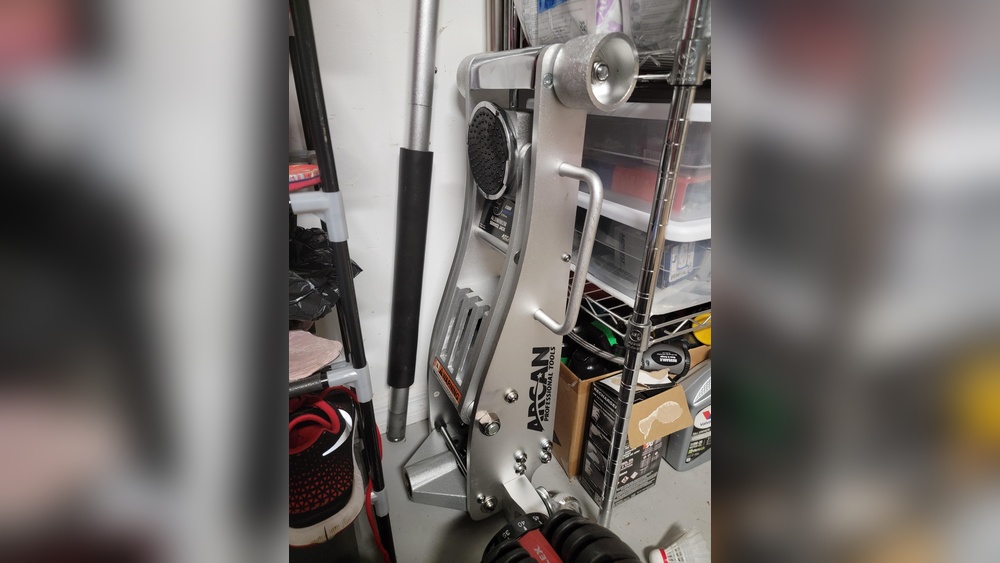
Hydraulic jacks are common for lifting floors. They use fluid pressure to lift heavy loads smoothly. Bottle jacks are compact and strong, good for tight spaces. Floor jacks have a wide base and wheels, allowing easy movement. Screw jacks are manual but offer precise control. Choose a jack that fits your space and lifting needs.
Supporting Materials Needed
Strong wooden beams help support the lifted floor. Use solid hardwood like oak or maple for safety. Steel plates distribute weight evenly under the jack. Shims help level the floor after lifting. Always use sturdy, stable materials to avoid accidents. Safety gear like gloves and goggles protect you during work.
Preparing The Work Area
Preparing the work area is the first step in jacking up the floor in an old house. This stage sets the foundation for a smooth and safe project. Organizing your space helps avoid accidents and speeds up the work.
Clear the space of all furniture and items. Keep only the tools and materials you will need. This makes moving around easier and reduces tripping hazards. A tidy area also helps you see the floor clearly and find problem spots.
Clearing The Space
Remove everything from the room. Pack fragile items away safely. Take out rugs, chairs, and tables. Sweep or vacuum the floor to clean dust and dirt. A clean, empty space gives you room to work freely.
Check the floor for nails or screws sticking out. Pull them out or hammer them down. This prevents injuries and stops damage to tools. Clear the area around beams and joists where you plan to work.
Ensuring Safety Measures
Wear protective gear like gloves, goggles, and a dust mask. Old floors may have dust or mold. Keep a first aid kit nearby for any cuts or scrapes. Make sure the room is well-lit to see clearly.
Use sturdy supports or jacks designed for floor lifting. Place them on solid ground to avoid slipping. Do not rush the job. Take breaks if you feel tired. Safety must come first to prevent accidents.
Assessing The Floor Structure
Assessing the floor structure is the first step in jacking up the floor of an old house. This step helps you understand the current condition of the floor. It also shows where support is needed. A proper check can prevent mistakes during the jacking process.
Focus on the key parts that hold the floor together. These are the joists and beams. Knowing their position and condition is important. It guides where to place the jacks safely.
Locating Joists And Beams
Joists are horizontal wood pieces that support the floor. Beams run under joists and carry their weight. Find these by looking under the floor or in the basement. Use a stud finder to locate joists through the floor. Mark their positions clearly. This helps place jacks under strong points.
Checking For Damage
Look for cracks, rot, or insect damage on joists and beams. Soft or crumbling wood weakens the floor. Check for water stains and mold. These signs mean the wood may not hold weight well. Replace or repair damaged wood before jacking. This ensures safety and success in lifting the floor.
Step-by-step Floor Jacking Process
Raising the floor in an old house can fix uneven spots and improve stability. The process needs care and the right tools. Follow these steps to jack up your floor safely and effectively. Take your time and work carefully to avoid damage.
Positioning The Jack
Place the jack under a strong support beam or joist. Use a floor jack made for heavy loads. Make sure the jack base sits on a solid surface, like a wooden plank or concrete. This stops the jack from sinking or slipping. Check the jack’s position before starting to lift.
Lifting The Floor Gradually
Turn the jack handle slowly to lift the floor. Raise the floor in small steps, about a quarter inch at a time. Stop often to check the floor’s level and condition. This helps prevent cracks or damage. Keep lifting until the floor is level or at the desired height.
Securing The Floor After Jacking
Once the floor is in place, support it with strong wooden blocks or metal posts. Place these supports close to the jack location. Remove the jack carefully after securing the floor. Check again to see if the floor is steady and level. This step keeps the floor safe and stable for years.

Credit: www.youtube.com
Reinforcing And Repairing
Reinforcing and repairing the floor is vital in an old house. Over time, floors may sag or weaken. Strengthening these areas improves safety and extends the floor’s life. This process often involves adding new support and fixing damaged parts.
Adding Support Beams
Support beams help carry the floor’s weight evenly. Place them under weak spots to stop further sagging. Use solid wood or steel beams for the best strength. Secure beams tightly to the foundation and existing structure. This creates a stable base for the entire floor.
Fixing Damaged Joists
Joists are the main floor supports running under the floorboards. Check for cracks, rot, or warping in these joists. Replace badly damaged joists with new ones of the same size. Minor damage can be fixed with wood glue and braces. Fasten repairs firmly to restore the joist’s strength.
Preventing Future Floor Sagging
Preventing future floor sagging is key to keeping an old house safe and stable. Sagging floors often start from small problems that grow over time. Catching these early can save money and effort later. A few careful steps help protect your floors from damage and keep them strong for years.
Moisture Control
Moisture is a main cause of floor sagging. Water can weaken wood and cause it to rot. Keep your home dry by fixing leaks fast. Use a dehumidifier in damp areas. Make sure gutters and downspouts direct water away from the house. Proper ventilation in crawl spaces stops moisture build-up. Check under the floor regularly for signs of dampness.
Regular Maintenance Tips
Regular checks help spot floor problems early. Look for cracks, soft spots, or uneven areas. Tighten loose floorboards or joists as soon as possible. Clean gutters and drains to avoid water damage. Keep plants and soil away from the foundation. Schedule a professional inspection every few years. Small repairs prevent bigger issues later.
When To Call A Professional
Jacking up the floor in an old house can be a tough job. Sometimes, it is best to let a professional handle the work. Knowing when to call an expert can save you time, money, and stress.
Complex Structural Issues
Old houses often have hidden problems. Cracks in the foundation or rotting beams can make floor jacking risky. Professionals have the tools and knowledge to fix these issues safely. They can spot problems you might miss. Complex repairs need expert care to avoid more damage.
Safety Concerns
Jacking up floors involves heavy equipment and lifting. Mistakes can cause injury or collapse. Professionals follow safety rules and use proper gear. They know how to support the house correctly. If you feel unsure or nervous, calling a pro is the safest choice.
Frequently Asked Questions
How Do I Safely Jack Up An Old House Floor?
Use sturdy floor jacks placed on solid footing. Lift slowly and evenly. Support the lifted floor with strong temporary beams. Always follow safety guidelines to prevent accidents.
When Should I Consider Jacking Up My Old Floor?
Consider lifting if the floor is uneven, sagging, or damaged. It helps prevent further structural problems and prepares for repairs or leveling.
What Tools Are Needed To Jack Up An Old House Floor?
You need floor jacks, wooden beams, a level, a hammer, and safety gear. These tools ensure proper lifting and secure support during the process.
Can I Jack Up The Floor Without Professional Help?
DIY is possible for small lifts with proper tools and knowledge. For major lifts, consult professionals to avoid damage and ensure safety.
Conclusion
Jacking up the floor in an old house takes patience and care. Use the right tools and follow safety steps closely. Check for any damage before starting the work. Take your time to lift the floor evenly. Fix any problems found under the floor for better results.
A level floor makes your home safer and more comfortable. Keep checking progress to avoid mistakes. This task may seem hard, but careful work leads to success. Your old house will feel stronger and more stable after this job.