Lifting your pickup safely and efficiently is crucial when you need to change a tire or do some undercarriage work. If you’ve never used a floor jack before, it might seem tricky or even intimidating.
But don’t worry—you can learn how to jack your pickup with confidence and avoid common mistakes that could cause damage or injury. In this guide, you’ll discover simple steps that make the job quick and secure. Ready to take control and keep your truck in top shape?
Let’s get started.
Preparing Your Pickup
Preparing your pickup is the first step to safely use a floor jack. It helps avoid accidents and makes the job easier. Take your time to get everything ready before lifting your truck.
Safety is key. Follow simple steps to prepare your pickup well.
Gathering Necessary Tools
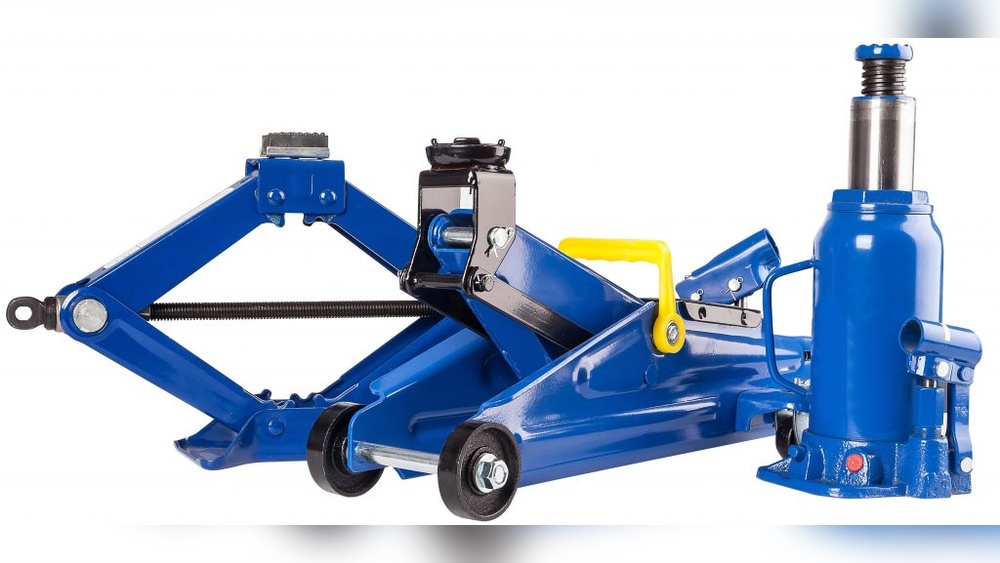
Collect all tools needed before starting. You will need a floor jack, jack stands, wheel chocks, and gloves. Have a flashlight if you work in low light. Check your floor jack’s weight limit matches your pickup’s weight.
Choosing A Safe Location
Pick a flat, solid surface to jack up your pickup. Avoid soft or uneven ground. A concrete driveway or garage floor works best. Clear the area from anything that can block your work or cause tripping.
Engaging Parking Brake And Chocking Wheels
Set the parking brake firmly to stop your pickup from moving. Place wheel chocks on the opposite side of the wheels you lift. This stops the truck from rolling. Double-check chocks and brake before lifting.
Credit: www.reddit.com
Locating Jack Points
Finding the right jack points is very important before lifting a pickup truck. Using the floor jack at the correct spots keeps the truck safe and steady. It also stops damage to the truck’s body and parts. This section explains how to locate the best jack points on your pickup.
Identifying Manufacturer-recommended Spots
Check the owner’s manual for jack point locations. Manufacturers mark strong spots designed to hold the truck’s weight. These are usually near the frame or under the truck’s body. Look for small notches, reinforced metal, or stickers showing jack points. Using these spots makes lifting safer and easier.
Avoiding Damage-prone Areas
Never place the jack under fragile parts like the fuel tank or exhaust pipe. Avoid plastic panels or thin metal sections. These can bend or break under pressure. Watch out for wires or hoses that the jack might pinch. Always lift from solid metal parts designed to hold weight. This prevents costly repairs and keeps your truck safe.
Using The Floor Jack
Using a floor jack to lift a pickup truck requires care and attention. This tool helps raise the vehicle safely for tire changes or repairs. Understanding how to use the floor jack properly keeps you safe and protects your truck from damage.
Positioning The Floor Jack Correctly
Place the floor jack on a flat, solid surface. Avoid soft ground or slopes. Find the pickup’s recommended lifting point. Check the owner’s manual for exact locations. Align the jack’s saddle under the lifting point. Make sure the jack is centered and stable.
Operating The Jack Handle
Insert the handle securely into the jack socket. Pump the handle up and down to raise the saddle. Do this slowly and steadily. Watch the pickup as it lifts. Stop if the jack shifts or feels unstable. Keep hands and feet clear of the jack.
Raising The Pickup Safely
Lift the truck only as high as needed. Avoid lifting too fast or too high. Use jack stands to support the vehicle after lifting. Never rely only on the floor jack for support. Lower the jack slowly when finished. Check that the pickup is stable before working underneath.
Securing The Vehicle
Securing the vehicle is the most important step after lifting a pickup with a floor jack. Safety depends on how well the truck is supported. Without proper support, the vehicle can slip or fall. This can cause serious injury or damage. Follow these steps carefully to keep the pickup stable and safe during work.
Placing Jack Stands
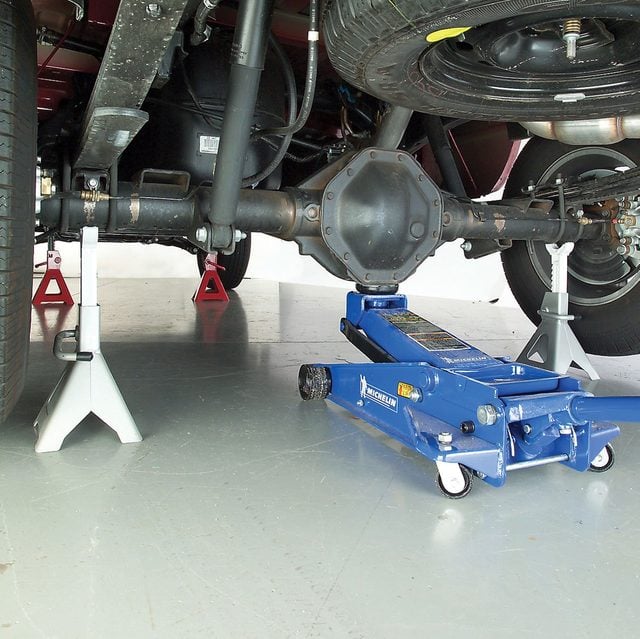
After lifting the pickup, place jack stands under the frame or recommended points. Use stands that match your truck’s weight. Position them on solid, flat ground. Make sure the stands touch the vehicle firmly. Avoid placing stands on weak or rusted parts.
Lowering Onto The Stands
Slowly lower the floor jack until the truck rests on the stands. Do this gently to avoid sudden shifts. Keep the jack under the vehicle in case you need to lift again. Check that the stands carry the full weight. The jack should just guide the vehicle down.
Double Checking Stability
Test the truck’s stability by gently pushing it side to side. It should not move or wobble. Reposition the stands if you feel any shift. Make sure the ground is dry and firm. Never work under a pickup without confirming it is stable.
Lowering The Pickup
Lowering the pickup after jacking it up is a crucial step. It ensures your safety and protects the vehicle. This process needs care and patience.
Removing Jack Stands
First, check that the vehicle is stable on the jack stands. Slowly remove any tools or objects around the stands. Carefully lift the pickup slightly with the floor jack. This takes the weight off the jack stands. Now, remove the jack stands from under the truck. Keep your hands and feet clear while doing this. Lower the pickup gently onto the floor jack only.
Slowly Lowering With The Floor Jack
Turn the jack handle slowly to lower the pickup. Do this in small steps. Watch the truck closely as it lowers. Stop if the vehicle moves or shifts. Keep lowering until the tires touch the ground. Make sure the pickup sits evenly and firmly on all tires.
Final Safety Checks
After lowering, remove the floor jack carefully. Check the ground for any tools or debris. Ensure the pickup is stable and does not rock. Test the brakes lightly before driving. Confirm everything is secure before moving the vehicle.
Credit: www.familyhandyman.com
Common Mistakes To Avoid
Using a floor jack to lift a pickup requires care and attention. Many people make simple mistakes that can cause damage or injury. Knowing what to avoid helps you work safely and efficiently.
Ignoring Weight Limits
Every floor jack has a weight limit. Exceeding this limit can cause the jack to fail. Check your jack’s rating before lifting your pickup. Using a jack with too little capacity is dangerous. Always choose a jack that handles your truck’s weight safely.
Incorrect Jack Placement
Placing the jack in the wrong spot can harm your truck. Find the recommended lifting points in your owner’s manual. Avoid soft or uneven ground, which can make the jack slip. Keep the jack steady and centered under the pickup. Wrong placement can cause the vehicle to fall.
Skipping Safety Precautions
Never skip safety steps during jacking. Use wheel chocks to stop the truck from rolling. Wear gloves and eye protection to avoid injury. Always use jack stands after lifting, never rely on the jack alone. Taking safety seriously prevents accidents and keeps you safe.
Tips For Safe Jacking
Using a floor jack to lift a pickup truck requires care and attention. Safety is the top priority. Follow these tips to avoid accidents and damage. Small steps can prevent big problems.
Wearing Protective Gear
Always wear gloves to protect your hands from sharp parts. Use safety glasses to keep dirt and debris out of your eyes. Closed-toe shoes prevent injuries from heavy tools or parts. Dress in clothes that fit well and cover your skin. Safety gear helps you work with confidence.
Working On Level Surfaces
Park your truck on flat ground before jacking. Avoid slopes or uneven areas. A level surface stops the jack from slipping. Use wheel chocks to block tires that stay on the ground. This keeps your truck steady and safe.
Regular Jack Maintenance
Check your floor jack for leaks or cracks before use. Keep it clean and free of dirt. Lubricate moving parts to ensure smooth lifting. Test the jack’s function regularly to avoid failure. Proper care extends the life of your jack and keeps you safe.

Credit: www.proeagle.com
Frequently Asked Questions
How Do I Safely Position A Floor Jack Under A Pickup?
Place the floor jack under the manufacturer’s recommended jacking points. Ensure the surface is flat and stable. Center the jack saddle securely to avoid slipping during lifting.
What Are The Key Steps To Jack A Pickup With A Floor Jack?
Chock the wheels, engage the parking brake, position the jack correctly, and lift slowly. Always use jack stands for safety before working under the vehicle.
Can I Jack A Pickup Without Using Jack Stands?
No, never work under a pickup supported only by a floor jack. Always use jack stands to securely support the vehicle to prevent accidents.
What Type Of Floor Jack Is Best For Lifting Pickups?
A heavy-duty floor jack with at least a 3-ton capacity is ideal. It provides stability and sufficient lifting power for most pickups.
Conclusion
Jacking a pickup with a floor jack is simple and safe. Always place the jack under the right spot. Lift the truck slowly and check stability. Use jack stands to keep the truck secure. Never work under a vehicle without support.
Practice these steps to feel confident and prepared. Safety matters most when handling heavy tools. Keep your workspace clean and clear. Now you can handle basic pickup lifting tasks easily. Stay cautious, and your work will go smoothly.