You want your home to feel safe the moment you turn the key. Knowing how to lock a deadbolt with a key is a simple skill that can give you peace of mind every day.
Whether you’re new to deadbolts or just want to make sure you’re doing it right, this guide will walk you through the steps clearly and quickly. By the end, you’ll feel confident locking your door securely, protecting what matters most to you.
Keep reading to learn the easy way to lock your deadbolt with a key—your safety depends on it.

Credit: www.codelocks.us
Choosing The Right Deadbolt
Choosing the right deadbolt is important for your home’s security. A good deadbolt keeps your door locked tight. It also gives peace of mind. Not all deadbolts are the same. Each type fits different needs and doors.
Types Of Deadbolts
Single-cylinder deadbolts use a key outside and a thumb turn inside. They work well for most doors. Double-cylinder deadbolts need a key both outside and inside. This adds extra security but can be risky in emergencies. There are also lockable thumb turn deadbolts. They let you lock the thumb turn from inside. Choose a type that suits your door and safety needs.
Keyed Vs. Keyless Options
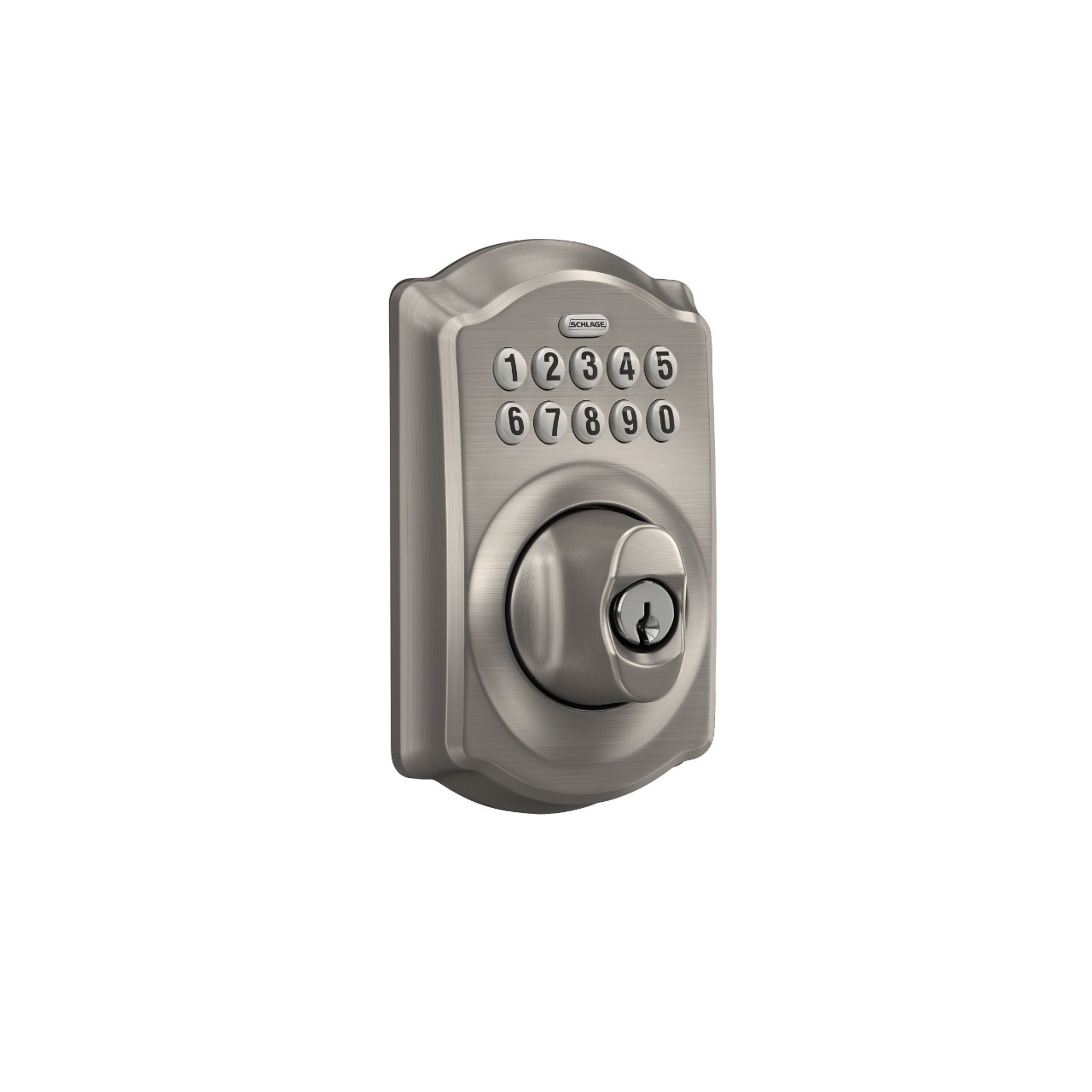
Keyed deadbolts need a key to lock and unlock. They are simple and reliable. Keyless deadbolts use codes or buttons instead of keys. They offer quick access and no lost keys. Some models combine both methods. Think about convenience and security before choosing. Keyed deadbolts are common for traditional use. Keyless ones fit modern homes and busy families.
Preparing Your Door And Lock
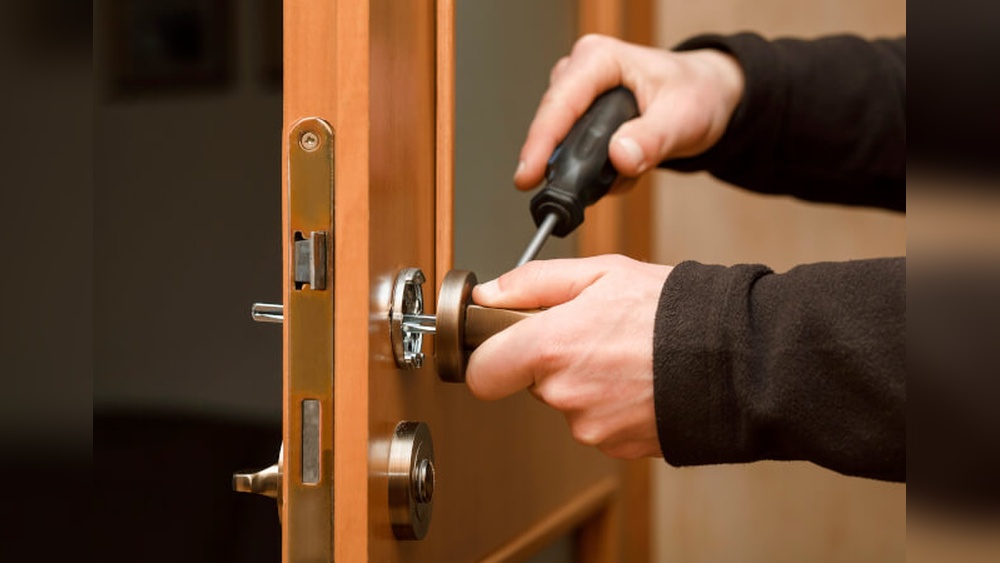
Preparing your door and lock is the first step to locking a deadbolt with a key. It helps the lock work smoothly and keeps your home safe. This stage includes checking the deadbolt and making sure the door frame fits well. A well-prepared door and lock make locking easier and prevent problems later.
Inspecting The Deadbolt
Start by looking at the deadbolt closely. Check for dirt, rust, or damage on the bolt and keyhole. Clean any dust or debris that might block the key. Make sure the bolt moves freely when you turn the key. A stuck or stiff bolt can stop the lock from working properly.
Look at the screws and parts around the deadbolt. Tighten any loose screws to keep the lock steady. Loose parts can make the deadbolt harder to use and less secure.
Aligning The Door Frame
Next, check if the door frame lines up with the deadbolt. The bolt must fit into the strike plate on the frame. If the hole in the frame is too small or out of place, the bolt won’t slide in easily.
Make sure the door closes fully without force. Adjust the strike plate or hinges if the door does not close right. Proper alignment stops the deadbolt from jamming and helps the key turn smoothly.
Inserting The Key Correctly
Inserting the key correctly is the first step to locking a deadbolt smoothly. It ensures the lock works without trouble and prevents damage. Paying attention to how you place the key helps the lock engage properly every time.
Key Orientation Tips
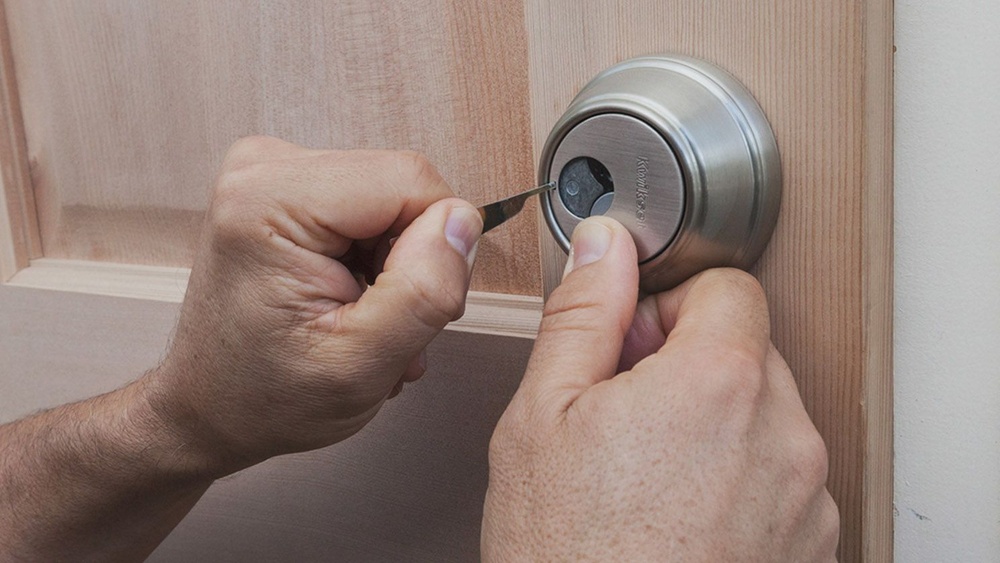
Hold the key so the teeth face the right direction. Usually, the key’s teeth point up or down depending on the lock. Look at the lock’s keyhole to match the key’s shape. Insert the key gently without forcing it. If it doesn’t slide in easily, try flipping the key. Be patient and avoid pushing hard.
Avoiding Common Mistakes
Do not insert the key upside down. Forcing the key can break it inside the lock. Avoid twisting the key too fast or too hard. Don’t wiggle the key while pushing it in. These actions can damage the lock or key. Always check the key’s orientation before inserting. Take your time to ensure smooth operation.
Turning The Key To Lock
Turning the key to lock a deadbolt is a simple step that secures your door. This action pushes the bolt into the door frame, keeping the door firmly closed. Doing this correctly ensures your home stays safe and protected.
Proper Turning Technique
Hold the key firmly between your fingers. Insert it fully into the lock cylinder. Turn the key slowly and steadily. Avoid forcing it, which can damage the lock. Turn the key in the correct direction, usually clockwise. Stop turning as soon as you feel resistance.
Ensuring The Bolt Extends Fully
Listen for a soft click, signaling the bolt is set. Check the door to confirm it feels locked. Try to pull the door gently to test the bolt. If the door moves, turn the key a little more. The bolt must slide completely into the door frame. This keeps your door secure and locked tight.
Testing The Lock
Testing the deadbolt lock after installation or maintenance is essential. It ensures the lock works properly and keeps your home safe. This step confirms that the key turns smoothly and the bolt slides in and out without trouble.
Checking Security
Start by locking and unlocking the deadbolt several times. Use the key to turn the lock fully. Make sure the bolt extends completely into the door frame. Check the door’s resistance when locked. It should feel firm and secure, not loose or wobbly.
Test the lock from both inside and outside. This helps confirm the lock functions correctly on both sides. Also, ensure the key does not stick or require extra force. The lock should work smoothly every time.
Troubleshooting Lock Issues
If the key is hard to turn, check for dirt or debris inside the lock. Cleaning the keyhole with a spray lubricant can help. Avoid using too much oil; a little goes a long way.
Check the alignment between the door and the strike plate. Misalignment can cause the bolt to jam. Tighten any loose screws on the lock or strike plate. Adjust the strike plate if the bolt does not slide in easily.
If problems persist, consider replacing the key or the lock cylinder. This often fixes issues caused by worn parts. Testing again after fixes ensures the lock works perfectly.
Credit: www.schlage.com
Maintaining Your Deadbolt
Maintaining your deadbolt helps it work smoothly and lasts longer. Dirt and dust can cause the lock to stick. Regular care keeps your lock secure and easy to use. Simple steps can protect your deadbolt from wear and tear.
Regular Cleaning
Clean your deadbolt every few months. Use a soft cloth to wipe the outside. Remove dust and dirt around the keyhole gently. Avoid water or harsh chemicals that can damage the lock. A clean lock prevents jamming and rust.
Lubrication Tips
Lubricate your deadbolt to keep it turning smoothly. Use a graphite or silicone-based lubricant. Spray a small amount inside the keyhole. Insert and turn the key several times to spread the lubricant. Avoid oil-based lubricants that attract dust and gum up the lock.

Credit: www.youtube.com
Frequently Asked Questions
How Do I Lock A Deadbolt With A Key?
Insert the key into the deadbolt lock. Turn the key clockwise until the bolt extends fully. Remove the key to secure the door. This method ensures your door is locked firmly from the outside.
Can I Lock A Deadbolt Without Turning The Key?
No, you must turn the key to engage the deadbolt. Simply inserting the key will not lock the door. Turning the key moves the bolt into the locked position.
What Type Of Key Works With Deadbolt Locks?
Deadbolts require a specific, cut key that matches the lock cylinder. Using the correct key ensures smooth operation. Avoid using worn or damaged keys to prevent jamming.
Is It Safe To Lock A Deadbolt With A Key?
Yes, locking a deadbolt with a key is secure. It offers strong protection against forced entry. Always ensure your lock is properly maintained for maximum security.
Conclusion
Locking a deadbolt with a key is simple and quick. Always insert the key fully before turning. Turn the key gently to avoid damage. Double-check the door to ensure it’s locked tight. Practice a few times to feel confident. This small step keeps your home safer.
Remember, a locked door gives peace of mind. Keep your key handy and secure. Stay safe with this easy deadbolt locking method.