Have you ever struggled with a deadbolt lock that just won’t turn smoothly or latch properly? It’s frustrating when your lock feels stuck or misaligned, leaving you worried about your home’s security.
The good news is, you don’t have to call a locksmith right away. You can adjust your deadbolt lock yourself with just a few simple steps. In this guide, you’ll learn exactly how to fix common deadbolt problems quickly and easily, so your door locks like new and keeps your home safe.
Keep reading—you’ll be surprised at how simple this fix can be!
Types Of Deadbolt Locks
Deadbolt locks come in different types. Each type offers unique features and security levels. Knowing these types helps you choose the right deadbolt for your door. This knowledge also makes adjusting the lock easier and more effective.
Understanding the main deadbolt types clarifies their installation and adjustment process. Let’s explore the common types you may find on doors.
Single Cylinder Deadbolts
Single cylinder deadbolts are the most common. They have a keyhole on the outside and a thumb turn inside. This design allows easy locking and unlocking from the inside without a key. These deadbolts work well for doors with no windows nearby. They provide basic security and are simple to adjust.
Double Cylinder Deadbolts
Double cylinder deadbolts have keyholes on both sides. You need a key to lock or unlock the door from inside and outside. This type adds security for doors with glass near the lock. It stops intruders from breaking the glass and opening the door. Adjusting double cylinder locks requires careful handling of both sides.
Lock Types And Security Levels
Deadbolts vary in security levels based on design and materials. Grade 1 locks offer the highest protection for homes and businesses. Grade 2 locks provide medium security for residential use. Grade 3 locks are basic and fit interior doors. Choose a deadbolt that matches your security needs. Proper adjustment keeps the lock strong and reliable.
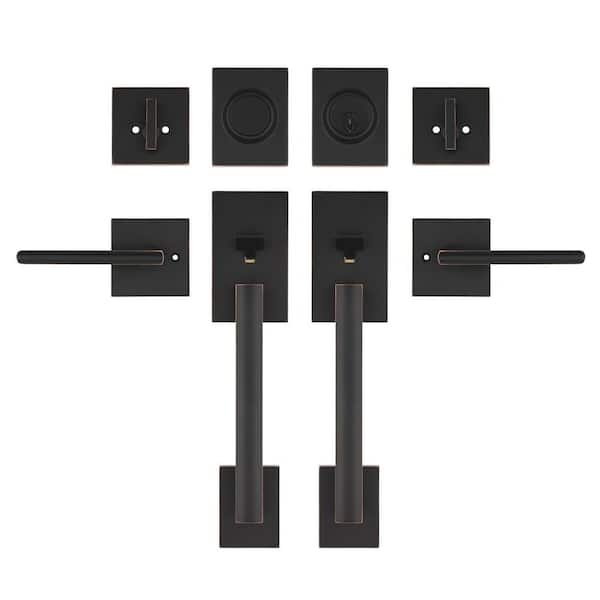
Credit: www.homedepot.com
Tools Needed For Adjustment
Adjusting a deadbolt lock requires the right tools. Having these tools ready makes the job easier and faster. You do not need many tools, just the basic ones. These help to tighten, measure, and maintain the lock parts correctly.
Screwdrivers And Allen Wrenches
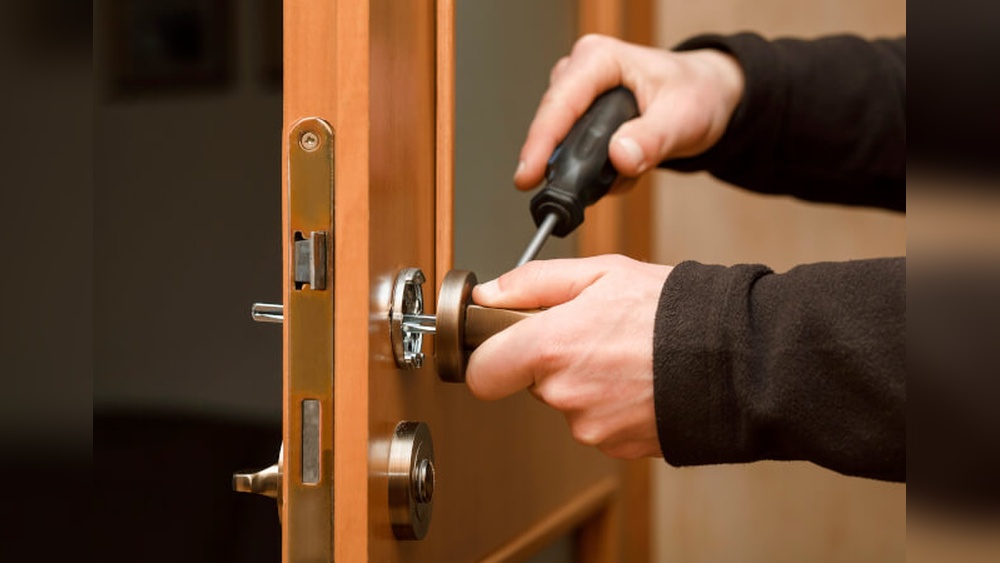
Screwdrivers are essential for adjusting deadbolt screws. You need both flathead and Phillips types. Allen wrenches help with hex screws found on some locks. These tools allow you to loosen and tighten screws. Proper fit prevents damage to screw heads.
Measuring Tools
A ruler or tape measure checks the alignment of the deadbolt. It helps measure the distance between the door and the frame. This ensures the bolt fits perfectly in the strike plate. Accurate measurement avoids jamming or loose locks.
Lubricants And Cleaning Supplies
Lubricants keep the lock moving smoothly. Use graphite or silicone spray for best results. Avoid oil-based products that attract dust. Cleaning supplies like cloth and brush remove dirt and debris. Clean locks work better and last longer.
Signs Your Deadbolt Needs Adjustment
Knowing the signs that your deadbolt needs adjustment helps keep your home secure. Deadbolts do not always work perfectly over time. Small problems can stop the lock from working well. Spotting these early issues saves time and effort later. Here are some common signs to watch for.
Difficulty Turning The Key
One sign is trouble turning the key in the lock. The key may feel stuck or hard to move. It might take extra force to lock or unlock the door. This problem can mean the deadbolt parts are not aligned properly. It can also show wear inside the lock cylinder. Ignoring this can cause the key to break inside the lock.
Misaligned Bolt
The bolt should slide smoothly into the door frame. If it misses the hole or gets stuck, it needs adjustment. A misaligned bolt will not lock securely. You may hear scraping or grinding sounds when turning the key. This issue often happens when the door or frame shifts. Fixing it keeps your door safe and secure.
Loose Components
Loose parts around the deadbolt can cause problems. The lock or handle may wobble or feel shaky. Screws might be loose or missing. These loose components affect how the deadbolt works. Tightening the screws and parts can improve the lock’s function. Check for this sign regularly to avoid bigger issues.

Credit: www.wikihow.com
Step-by-step Deadbolt Adjustment
Adjusting a deadbolt lock is simple with clear steps. This guide helps fix common problems like sticking or misalignment. Follow each step carefully to ensure smooth lock operation and better security.
Remove The Deadbolt Cover
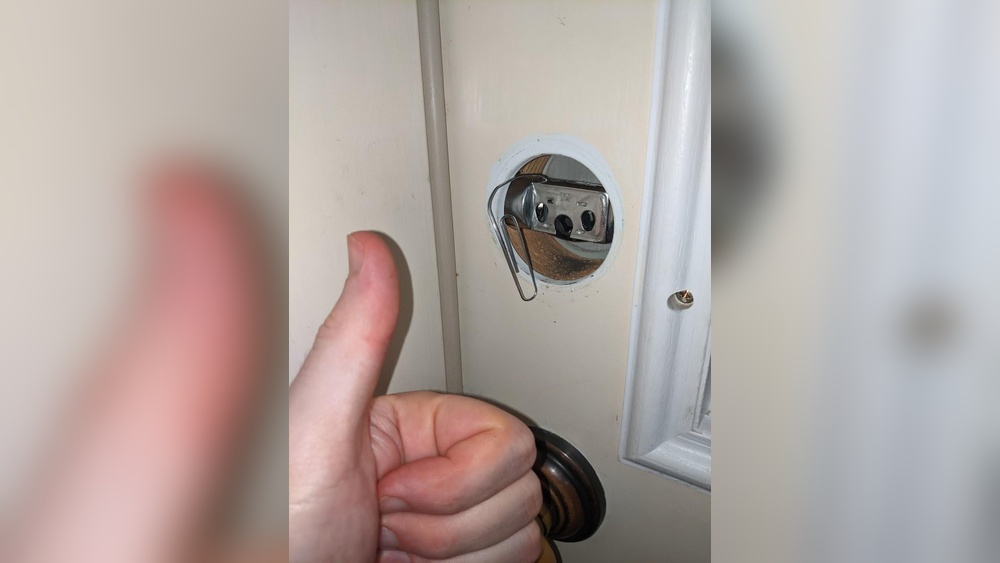
Start by taking off the deadbolt cover. Use a screwdriver to remove screws on the lock face. Gently lift the cover to access the inner parts. Be careful not to damage the lock or door.
Check And Tighten Screws
Look at all screws inside the lock. Loose screws can cause the lock to jam. Tighten them with a screwdriver until snug. Avoid overtightening, which might strip the screws or parts.
Align The Strike Plate
The strike plate must line up with the deadbolt. Check if the bolt enters the plate hole smoothly. If not, loosen the screws and move the plate slightly. Tighten the screws once the alignment feels right.
Adjust The Bolt Length
Some deadbolts allow bolt length changes. Measure the bolt to see if it fits the strike plate depth. If needed, shorten or extend the bolt using pliers or by adjusting the mechanism. Ensure the bolt moves freely.
Test Lock Operation
After adjustments, test the lock several times. Turn the key or knob to check smooth movement. The bolt should slide in and out without sticking. Repeat earlier steps if problems persist.
Tips For Maintaining Deadbolt Security
Maintaining your deadbolt lock helps keep your home safe. Small steps can prevent big problems. Regular care ensures the lock works smoothly and stays strong. Below are key tips to maintain deadbolt security effectively.
Regular Inspection
Check your deadbolt lock every few months. Look for signs of wear or damage. Test the lock by turning the key or knob. Make sure the bolt slides fully into the door frame. Tighten any loose screws to keep the lock steady.
Proper Lubrication
Use a graphite or silicone-based lubricant for your deadbolt. Avoid oil-based products that attract dust and dirt. Apply lubricant to the keyhole and bolt mechanism. This helps the lock move smoothly and stops it from sticking. Lubricate your lock twice a year for best results.
Upgrading Components
Replace worn or outdated parts to improve security. Consider stronger strike plates and longer screws for the door frame. These make it harder to force the lock open. Upgrade the cylinder if the lock feels loose or hard to turn. New parts can extend the life of your deadbolt.

Credit: www.locksmiths.co.uk
When To Call A Locksmith
Adjusting a deadbolt lock can solve many common problems. Sometimes, the issue is simple and can be fixed with basic tools. Other times, the lock needs expert help. Knowing when to call a locksmith saves time and keeps your home safe.
Complex Issues
Some deadbolt problems are too hard to fix alone. If the lock jams or sticks often, it may need special tools. A locksmith knows how to handle these tricky repairs. They can fix internal parts without damaging the door.
Damaged Lock Parts
Broken or worn parts inside the lock require professional care. Cracked cylinders or bent bolts need replacement. Trying to fix these can make the problem worse. A locksmith has the right parts and skills to restore your lock.
Security Concerns
Your home’s safety depends on a strong deadbolt. If the lock feels loose or the key turns hard, the security is weak. A locksmith can check and improve the lock’s strength. This keeps your home protected from intruders.
Frequently Asked Questions
How Do You Adjust A Deadbolt Lock For Smooth Operation?
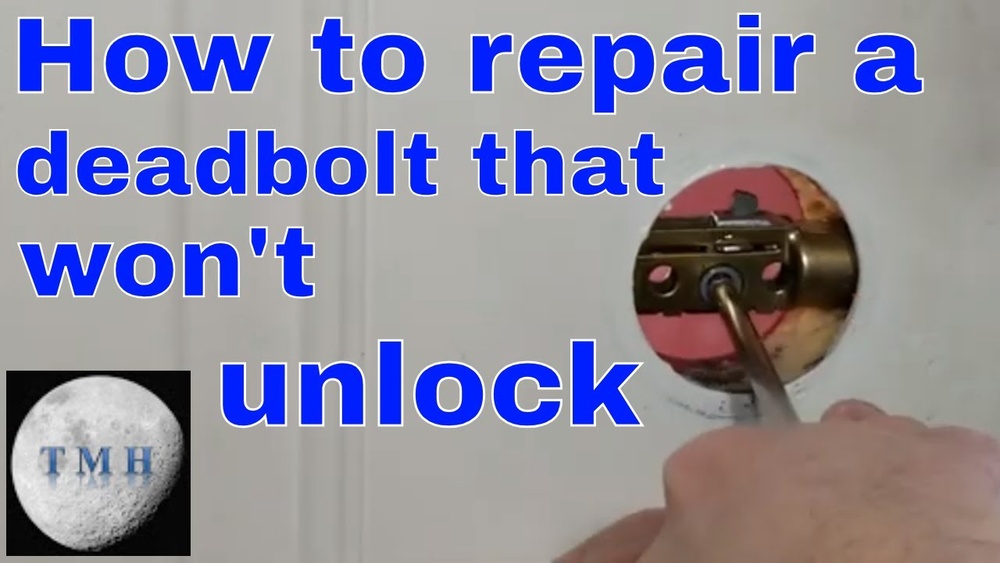
To adjust a deadbolt lock, first loosen the screws on the strike plate. Align it with the bolt, then tighten screws. Test the lock to ensure the bolt slides smoothly without resistance.
What Tools Are Needed To Adjust A Deadbolt Lock?
You typically need a screwdriver, a tape measure, and sometimes a chisel. These tools help in aligning and securing the strike plate and lock mechanism properly.
Why Is My Deadbolt Lock Hard To Turn?
A hard-to-turn deadbolt often means misalignment between the bolt and strike plate. Adjusting the strike plate or tightening loose screws usually resolves this issue quickly.
Can A Deadbolt Lock Be Adjusted Without Removing It?
Yes, minor adjustments like tightening screws or slightly repositioning the strike plate can be done without removing the lock. For major alignment, removal might be necessary.
Conclusion
Adjusting a deadbolt lock is simple with the right steps. Check the alignment of the lock and door first. Tighten or loosen screws as needed for smooth operation. Test the lock after each adjustment to ensure it works well. Small fixes can improve your door’s security and ease of use.
Keep tools handy for quick future tweaks. Regular checks help avoid bigger problems later. Stay safe by maintaining your locks properly. Simple care saves time and hassle. Now, your deadbolt should lock and unlock easily every time.