Have you ever faced the frustration of a broken deadbolt that just won’t budge? It can leave you feeling stuck, worried, and unsure of what to do next.
But don’t panic—unlocking a broken deadbolt is possible, even if you don’t have a locksmith on speed dial. In this guide, you’ll discover simple, effective steps to get your door open without damaging your lock or door. Keep reading, and you’ll learn exactly how to take control of this tricky situation fast.
Credit: unitedlocksmith.net
Identify The Problem
Knowing the exact cause of a broken deadbolt helps fix it faster. Identifying the problem stops guessing and saves time. Look closely at each part of the lock and door. This way, you find the source of trouble clearly.
Check For Key Issues
Start by examining the key. Is it bent or damaged? A worn key may not turn the lock properly. Dirt or debris on the key can block smooth movement. Try a spare key if you have one. If the key won’t go in or turn, this might be the problem.
Inspect The Deadbolt Mechanism
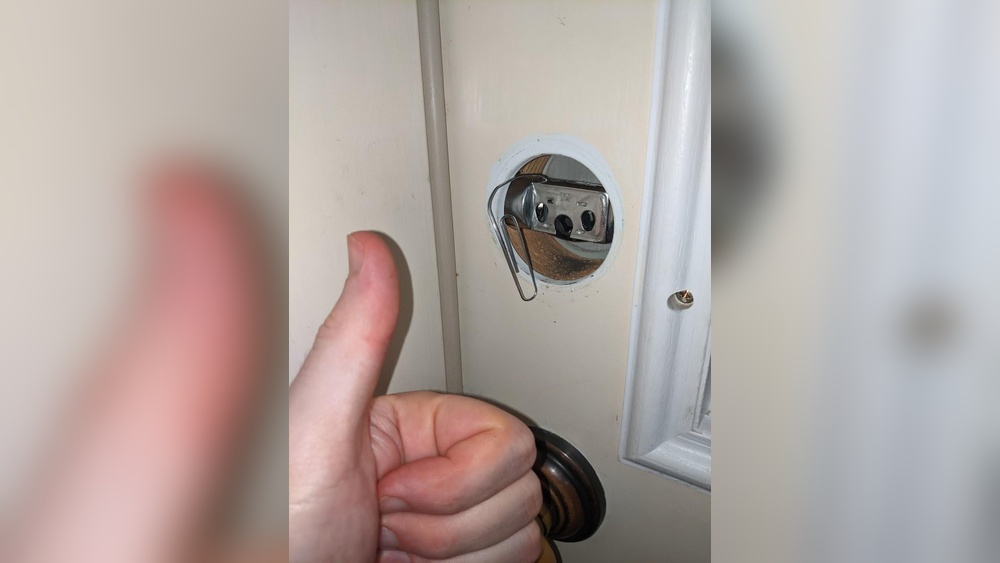
Look inside the lock with a flashlight. See if anything is stuck or broken. Dust or rust can stop the deadbolt from moving. Test the knob or thumb turn on the inside. If it feels tight or jammed, the mechanism may be faulty. Small parts inside can wear out over time.
Assess Door Alignment
Check if the door fits well in the frame. Doors that sag or shift can block the deadbolt. The strike plate might not line up with the bolt. This misalignment stops the bolt from sliding in smoothly. Look for gaps or uneven spaces around the door. Adjusting the hinges or strike plate often solves this problem.

Credit: www.youtube.com
Simple Fixes To Try
Fixing a broken deadbolt can seem tough. Start with simple steps before calling a locksmith. These easy fixes often save time and money. Try these first to get your lock working again.
Lubricate The Lock
Use a graphite or silicone-based lubricant. Spray it inside the keyhole and on the bolt. Avoid oil-based lubricants; they attract dust and dirt. Work the key in and out to spread the lubricant. This can ease stiff or jammed parts inside the lock.
Realign The Strike Plate
The strike plate may be out of place. Check if the bolt fits well into the hole. Loosen screws on the strike plate and move it slightly. Make sure the bolt slides smoothly into the hole. Tighten the screws once aligned. This helps the lock catch properly.
Tighten Loose Screws
Loose screws can cause the lock to misalign. Use a screwdriver to check all screws on the lock and door. Tighten any that are loose. This ensures the deadbolt parts stay in the right position. A secure lock works better and lasts longer.
Using Tools To Unlock
Using tools to open a broken deadbolt can save time and stress. These tools help you work around the jammed parts inside the lock. It is important to handle each tool carefully to avoid damage to the door or lock.
Understanding basic methods can help you try simple fixes at home. Keep your calm and follow steps one by one. This way, you increase the chance of success without needing a locksmith.
Pick The Lock Safely
Pick the lock with a small, thin tool like a tension wrench and pick. Insert the wrench into the bottom of the keyhole. Apply slight pressure in the direction the key turns. Use the pick to lift the pins inside the lock one by one. Work slowly and feel for the pins setting into place. Stop if you hear a click. This means the lock is ready to turn.
Use A Credit Card Trick
Slide a flexible plastic card between the door and frame near the bolt. Push the card down while bending it back toward the door handle. Wiggle the card gently to push the bolt back. This works best on spring bolts, not deadbolts. Try different angles and pressures. Do not force the card too hard to avoid damage.
Apply A Screwdriver Method
Use a flathead screwdriver to turn the deadbolt knob or thumb turn. Insert the screwdriver into the slot of the knob. Turn it slowly in the direction the key would turn. This can release the bolt if the knob is stuck. Be careful not to strip the knob or hurt your hand. Use a screwdriver size that fits well.
When To Call A Locksmith
Knowing when to call a locksmith can save time and prevent extra damage to your door. A broken deadbolt may seem like a small issue, but some problems need expert help. Recognizing the signs that require professional service is important for your safety and security.
Signs Of Severe Damage
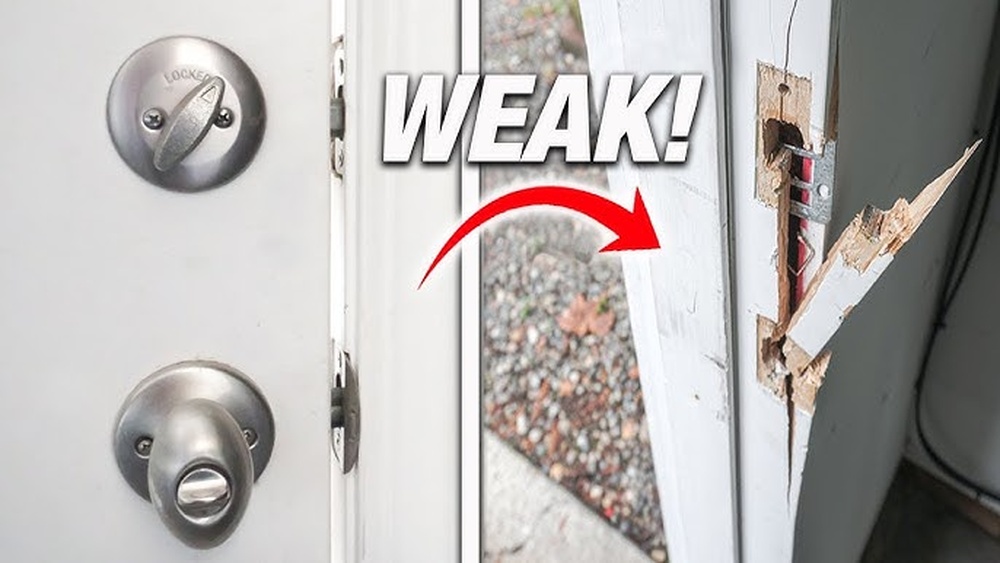
Check the deadbolt for cracks, bending, or rust. If the key won’t turn at all, the lock may be broken inside. Loose or jammed parts can show the damage is too bad for simple fixes. In these cases, a locksmith has the right tools to handle the problem safely.
Avoiding Further Damage
Trying to force the deadbolt can break it more. Using tools without skill may harm the door frame or lock mechanism. Calling a locksmith early helps prevent costly repairs later. Professionals know how to work carefully to keep your door intact.
Choosing A Reliable Locksmith
Pick a locksmith with good reviews and proper licensing. Check their experience with deadbolt repairs and replacements. Ask about their response time and service guarantee. Trustworthy locksmiths provide clear pricing and honest advice before starting work.
Preventive Maintenance Tips
Preventive maintenance helps avoid deadbolt problems. It keeps your lock working smoothly. Small steps can save you from big troubles later. Follow these simple tips to keep your deadbolt in good shape.
Regular Cleaning
Clean your deadbolt often to stop dirt buildup. Use a soft cloth to wipe the surface. Avoid harsh chemicals that can damage the lock. Dirt and dust can block the keyhole. Cleaning keeps the lock parts moving freely.
Routine Lubrication
Apply lubricant to the deadbolt regularly. Use a graphite-based or silicone spray. Avoid oil-based lubricants that attract dirt. Lubrication helps the lock work without sticking. It also extends the life of the lock.
Check Door And Frame Alignment
Make sure the door and frame line up well. Misalignment can cause the deadbolt to jam. Check the door for sagging or warping. Adjust hinges or screws if needed. Proper alignment keeps the lock turning easily.

Credit: www.reddit.com
Frequently Asked Questions
How Do You Unlock A Broken Deadbolt Quickly?
First, remove the deadbolt faceplate using a screwdriver. Then, use pliers to pull out the broken bolt. Finally, replace or repair the lock to ensure security.
Can A Broken Deadbolt Be Fixed Without Professional Help?
Yes, many broken deadbolts can be fixed at home using basic tools. Remove the lock, assess the damage, and replace damaged parts if needed.
What Tools Are Needed To Unlock A Broken Deadbolt?
You will need a screwdriver, pliers, and possibly a drill. These tools help remove screws, pull out broken pieces, and unlock the deadbolt.
Is It Safe To Unlock A Broken Deadbolt Myself?
Yes, if you follow proper safety steps and use the right tools. Avoid forcing the lock to prevent further damage or injury.
Conclusion
A broken deadbolt can cause real trouble at any time. Knowing simple steps helps you fix it quickly and safely. Use basic tools and stay calm while working on the lock. If the problem feels too hard, ask a professional for help.
Regular maintenance keeps your lock working well longer. Taking care of your deadbolt means better security for your home. Small efforts now save you bigger problems later. Stay prepared and confident when dealing with broken locks.