Are you planning to hang something heavy on a hollow wall but unsure if it will hold? Knowing how much weight a hollow wall anchor can support is key to keeping your items safe and your walls damage-free.
Whether it’s a shelf, a mirror, or a TV mount, you want to be confident that your anchor won’t fail. You’ll discover the weight limits of different hollow wall anchors and learn how to choose the right one for your needs.
Keep reading to avoid costly mistakes and make your wall hangings secure every time.
Types Of Hollow Wall Anchors
Hollow wall anchors help hold objects on walls that are not solid. They spread the load across a larger area inside the wall. Different types of anchors work best for different wall materials and weights. Knowing each type helps pick the right one for your project.
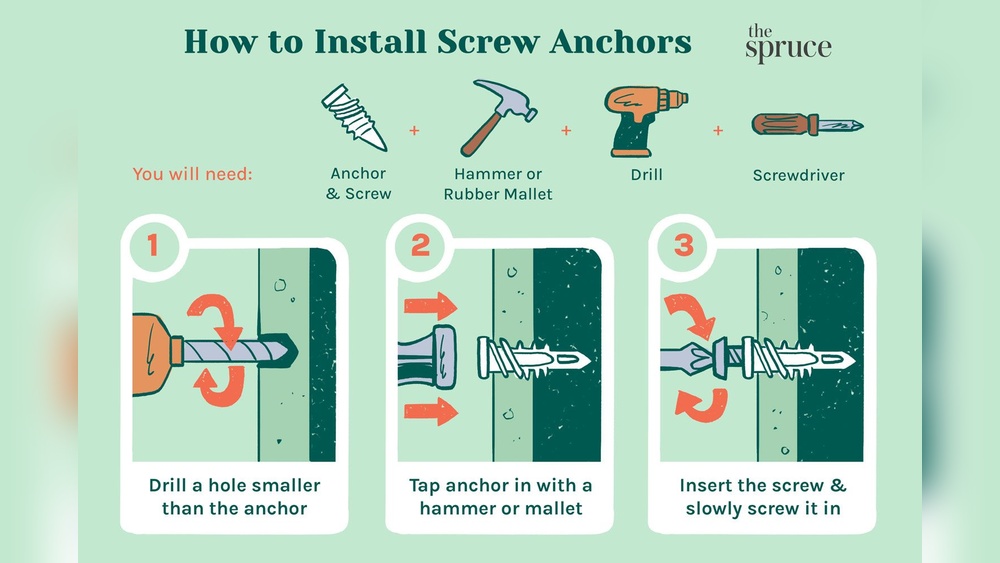
Plastic Expansion Anchors
Plastic expansion anchors are common and easy to use. They expand inside the wall when a screw is driven in. These anchors work well for light loads like small pictures or decorations. They are best for drywall or plaster walls.
Metal Toggle Bolts
Metal toggle bolts have wings that open inside the wall. The wings spread the weight over a wide area. They hold heavier items like shelves or mirrors securely. These anchors are ideal for hollow walls with more space inside.
Molly Bolts
Molly bolts are metal anchors that expand behind the wall. They create a strong grip by pressing against the inside surface. These bolts work well for medium-weight items like towel racks or curtain rods. They are sturdy and reliable.
Self-drilling Anchors
Self-drilling anchors do not need a pre-drilled hole. They screw directly into drywall or plaster. These anchors are quick to install and hold light to medium weight. They are perfect for hanging pictures or light shelves.
Credit: www.naturalhandyman.com
Factors Affecting Weight Capacity
The weight a hollow wall anchor can hold depends on several key factors. These factors affect the anchor’s strength and safety. Understanding them helps in choosing the right anchor for your project. Each factor plays a role in how much load the anchor can support.
Wall Material And Thickness
The type of wall affects the anchor’s holding power. Drywall, plaster, and hollow blocks all behave differently. Thicker walls provide more grip and support. Thin walls may not hold heavy loads well. Knowing your wall material is important for safe anchoring.
Anchor Size And Design
Bigger anchors usually hold more weight. The design also matters. Some anchors spread the load over a larger area. Others rely on expanding inside the wall cavity. Choosing the right size and type is key to strong support.
Installation Technique
Proper installation ensures maximum strength. Drilling the correct hole size is critical. Inserting the anchor straight prevents damage. Tightening screws too much can weaken the anchor. Careful installation leads to better weight capacity.
Weight Limits For Common Anchors
Choosing the right hollow wall anchor depends on how much weight it can hold. Each type of anchor has a different weight limit. Knowing these limits helps you pick the best anchor for your project. It keeps your items safe and secure on the wall.
Plastic Expansion Anchor Limits
Plastic expansion anchors hold light to medium weights. They work well for small pictures and lightweight shelves. Typically, they support up to 10 to 25 pounds in drywall. The exact weight depends on the wall and anchor size. These anchors are easy to install but not for heavy loads.
Metal Toggle Bolt Strength
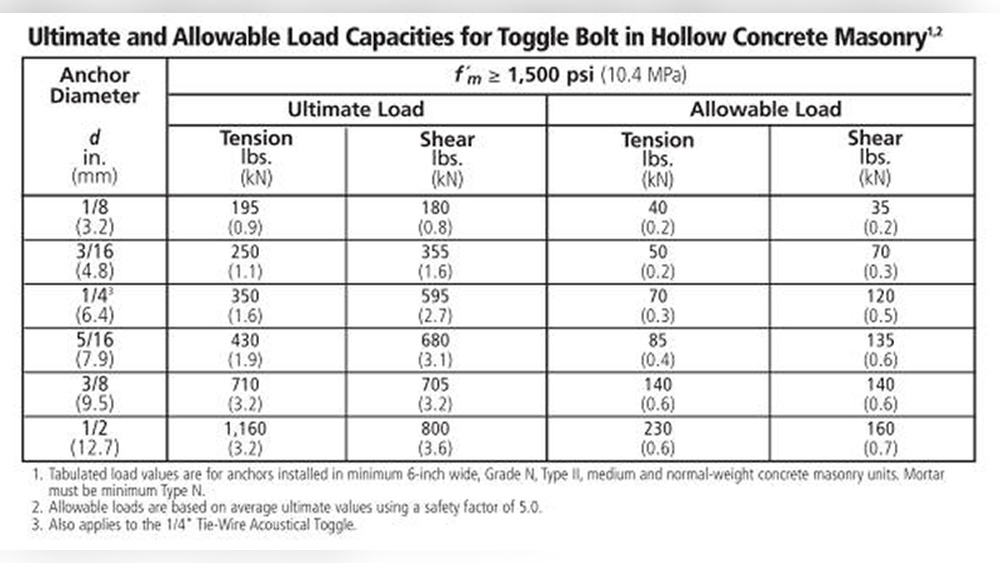
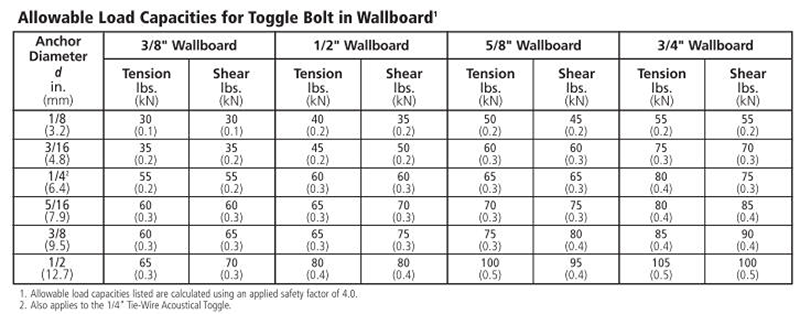
Metal toggle bolts offer strong support for heavier items. They spread the load behind the wall, increasing strength. These bolts can hold between 30 and 50 pounds in drywall. Larger sizes may hold even more weight. They are good for hanging heavy mirrors and shelves.
Molly Bolt Weight Ratings
Molly bolts expand inside the wall for a secure fit. They hold moderate to heavy weights firmly. Most molly bolts support 25 to 50 pounds each in drywall. Their metal construction adds durability and strength. Perfect for mounting brackets and curtain rods.
Self-drilling Anchor Capacity
Self-drilling anchors are quick to install and reliable. They often hold 20 to 50 pounds in drywall. Their design allows them to cut directly into the wall. They work well for medium-weight items like towel bars. Choose the right size for the best support.
Testing Anchor Strength
Testing the strength of hollow wall anchors is crucial for safety. It shows how much weight the anchor can hold without failing. This helps choose the right anchor for different wall types and weights. Testing involves controlled environments and real-life conditions.
Laboratory Testing Methods
In the lab, anchors undergo strict tests to measure strength. Machines pull or push the anchor until it breaks. This reveals the maximum load the anchor can support. Tests include tension, shear, and pull-out forces. Engineers record precise data to rate each anchor.
Different wall materials, like drywall or plaster, are also tested. This shows how anchors perform in real situations. Lab tests use consistent methods to compare anchor brands. Results help manufacturers improve design and safety.
Field Testing Tips
Field testing involves practical checks at the installation site. Use a small weight or force gauge to test anchor hold. Slowly increase weight to avoid sudden failure. Watch for wall damage or anchor slipping.
Test anchors in the actual wall type before final use. Avoid heavy loads during tests to prevent accidents. Field tests confirm lab results and suit your specific needs. Always follow anchor manufacturer guidelines for safe use.
Choosing The Right Anchor For Your Project
Choosing the right anchor for your project is key to a strong hold. Different anchors suit different walls and weights. Picking the wrong one can cause damage or failure. This section helps you find the best anchor for your needs.
Assessing Load Requirements
Start by knowing the weight you need to support. Consider both the static and dynamic loads. Static loads stay constant, like a shelf. Dynamic loads change, like a door opening. Add a safety margin to be safe.
Matching Anchor To Wall Type
Identify your wall material first. Hollow wall anchors work well for drywall or plaster. Solid walls need different anchors, like masonry or expansion anchors. Choose an anchor designed for your wall type to ensure stability.
Safety Margins And Best Practices
Always allow extra strength beyond the expected load. Use anchors rated for at least 25% more weight. Test the anchor carefully after installation. Avoid over-tightening screws to prevent wall damage. Follow manufacturer instructions closely.

Credit: www.youtube.com
Common Mistakes To Avoid
Many people make simple mistakes that reduce the strength of hollow wall anchors. These errors cause the anchors to fail or hold less weight than expected. Understanding common mistakes helps improve safety and effectiveness.
Overloading Anchors
Putting too much weight on a hollow wall anchor is a frequent problem. Each anchor type has a maximum weight limit. Exceeding this limit risks the anchor pulling out or breaking. Always check the weight rating and stay below it for safety.
Improper Installation
Incorrect installation weakens the anchor’s hold. Drilling the wrong hole size or angle affects grip. Not tightening the anchor properly causes it to loosen over time. Follow instructions carefully to ensure a secure fit.
Ignoring Wall Conditions
The wall’s material and condition affect anchor strength. Old or damaged walls may not support heavy loads. Plaster or thin drywall needs special anchors or extra support. Assess the wall before installing any anchor for best results.
Enhancing Anchor Performance
Enhancing the performance of hollow wall anchors helps secure heavier loads safely. Basic anchors have limits, but you can improve their strength. Simple methods can increase how much weight your anchor holds. These techniques protect your walls and give you peace of mind.
Improving anchor support is smart for hanging shelves, mirrors, or TV mounts. Use these tips to boost anchor reliability in hollow walls.
Using Backing Plates
Backing plates spread the load over a larger wall area. They reduce pressure on the anchor point. Plates attach behind the wall to support the fastener. This method lowers the risk of wall damage. It helps anchors hold more weight safely. Use metal or wood plates for best results.
Reinforcing Hollow Walls
Strengthen hollow walls by adding extra support inside. Use plywood or metal strips between wall studs. This creates a solid base for anchors. Reinforcement prevents wall material from breaking under load. It improves anchor grip and weight capacity. Reinforced walls hold heavier items securely.
Alternative Fastening Methods
Try different fasteners for better weight support. Toggle bolts and molly bolts work well in hollow walls. They expand behind the wall for a strong hold. Consider using screws into wall studs for maximum strength. Choose the right fastener for your wall type and weight needs.

Credit: www.angi.com
Frequently Asked Questions
How Much Weight Can A Hollow Wall Anchor Hold?
A hollow wall anchor typically holds between 10 to 25 pounds. The exact weight depends on anchor size, wall material, and installation quality.
Which Hollow Wall Anchor Is Strongest For Heavy Loads?
Metal toggle anchors are the strongest, supporting up to 50 pounds or more. Plastic anchors hold less weight and suit lighter items.
Can Hollow Wall Anchors Support Shelves Or Cabinets?
Yes, hollow wall anchors can support lightweight shelves or cabinets. For heavy loads, use multiple anchors or stronger fasteners for safety.
How To Choose The Right Hollow Wall Anchor Weight Capacity?
Check the anchor packaging for weight limits. Consider wall material and item weight to select an anchor that exceeds your load.
Conclusion
Hollow wall anchors hold different weights depending on type and size. Choose the right anchor for your wall material and load. Always check the package for weight limits before use. Installing anchors properly helps keep items secure and safe. Small mistakes can cause anchors to fail.
Test the anchor’s strength with light pressure first. This keeps your walls undamaged and your items steady. Understanding weight limits helps you avoid accidents. Use anchors wisely for strong, lasting support on hollow walls.