Are you planning to hang a cabinet but worried about the hollow wall behind it? You’re not alone.
Anchoring a cabinet to a hollow wall can feel tricky and even risky if you don’t know the right steps. But here’s the good news: with the right tools and simple techniques, you can secure your cabinet firmly and safely.
In this guide, you’ll discover easy-to-follow tips that make the job straightforward—even if you’re not a DIY expert. Keep reading, and you’ll gain the confidence to tackle this project without stress or guesswork.
Choosing The Right Anchors
Choosing the right anchors is key to safely securing a cabinet on a hollow wall. The right anchors provide strong support and prevent damage. Different walls and cabinet weights need specific anchors for the best hold. This section helps you pick the perfect anchors for your project.
Types Of Wall Anchors
There are several types of wall anchors for hollow walls. Plastic expansion anchors are common for light loads. They expand inside the wall cavity to hold firmly. Toggle bolts use wings that open behind the wall for strong support. Molly bolts have metal sleeves that expand for a tight grip. Each type fits different needs and wall types.
Weight Capacity Considerations
Check the weight of your cabinet before selecting anchors. Light cabinets need anchors rated for low to medium weight. Heavy cabinets require anchors with high weight capacity. Using weak anchors can cause the cabinet to fall. Always choose anchors that can hold more than your cabinet’s weight.
Material Compatibility
Match the anchor material with your wall type. Plastic anchors work well in drywall but not in plaster. Metal anchors offer better strength for denser walls. Avoid anchors that can rust or corrode in moist areas. Proper material choice increases anchor lifespan and safety.
Tools And Materials Needed
Anchoring a cabinet to a hollow wall requires the right tools and materials. Using proper equipment ensures a strong, safe hold. This section covers the essential tools and anchors needed for the job.
Basic Tools
You need a drill to make holes in the wall. A screwdriver helps tighten screws securely. A tape measure measures distances accurately. A level keeps the cabinet straight. A pencil marks drilling spots on the wall. Safety goggles protect your eyes from dust and debris.
Anchor Types And Accessories
Choose anchors that work with hollow walls. Toggle bolts spread weight across the wall cavity. Molly bolts expand inside the wall for a tight fit. Plastic wall anchors are good for light loads. Screws must match the anchors for a firm grip. Washers help distribute pressure and prevent damage.
Preparing The Wall
Preparing the wall is the first step to anchor a cabinet to a hollow wall. It ensures the cabinet is secure and safe. Proper preparation helps avoid damage to the wall and keeps the cabinet stable. This section explains how to find the best spots to drill and mark them accurately.
Locating Studs And Void Spaces
Studs are vertical wooden or metal supports inside the wall. They provide the strongest hold for screws. Use a stud finder tool to locate these studs. Move the tool slowly across the wall to detect solid areas. If no studs appear, find void spaces between studs. Hollow wall anchors work best in these empty spots. Avoid drilling where pipes or wires may be hidden. Tap the wall lightly to listen for hollow sounds. Solid sounds mean a stud, hollow sounds mean void space.
Marking Drill Points
Mark drill points on the wall at the stud or void space locations. Use a pencil for clear, removable marks. Measure the cabinet’s mounting holes before marking the wall. Double-check the height and level of the marks. Use a spirit level to keep marks straight. Marking precisely helps the cabinet hang evenly. Avoid making marks too close to edges. This prevents cracking or damage to the wall during drilling.
Installing Plastic Expansion Anchors
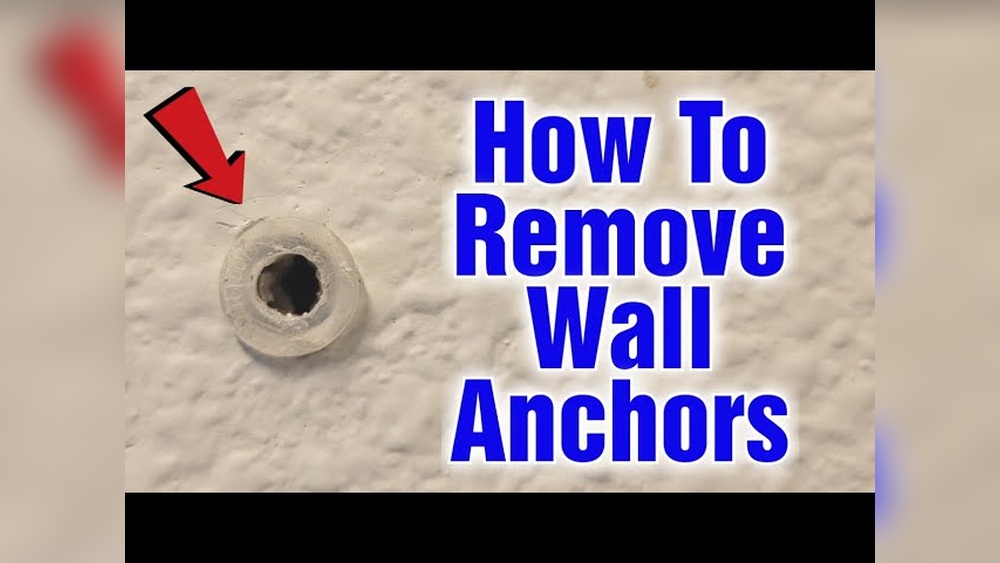
Installing plastic expansion anchors is a simple way to secure cabinets to hollow walls. These anchors expand inside the wall, creating a strong grip. They work well with drywall or plaster walls.
This method prevents the cabinet from pulling away or falling. It also helps hold heavier items safely. Follow these steps to install plastic expansion anchors correctly.
Drilling Pilot Holes
Start by marking where the cabinet will hang. Use a pencil to mark the spots for anchors. Choose a drill bit size that matches the anchor diameter.
Drill holes straight into the wall at the marked points. Make sure holes are deep enough for the anchors. Clean out dust from the holes before moving on.
Inserting And Securing Anchors
Push the plastic expansion anchors into the drilled holes. Tap them lightly with a hammer if needed. The anchors should fit snugly and not move.
Place the cabinet and align it with the anchors. Insert screws through the cabinet holes into the anchors. Tighten screws carefully to expand anchors inside the wall.
Check that the cabinet is firm and does not wobble. Adjust screws if necessary for a secure fit.
Using Toggle Bolts For Heavy Cabinets
Using toggle bolts is a reliable way to secure heavy cabinets to hollow walls. These bolts hold strong by expanding behind the wall. This creates a firm grip that supports weight safely. Toggle bolts are ideal for hollow walls where studs are not available. They spread the load evenly and prevent damage to the wall.
Selecting Toggle Bolts
Choose toggle bolts based on cabinet weight and wall thickness. Longer bolts work better for thicker walls. The toggle wings must open fully behind the wall. Pick bolts with a strong metal body for durability. Check the weight rating on the package. Use bolts rated higher than your cabinet’s weight for safety.
Step-by-step Installation
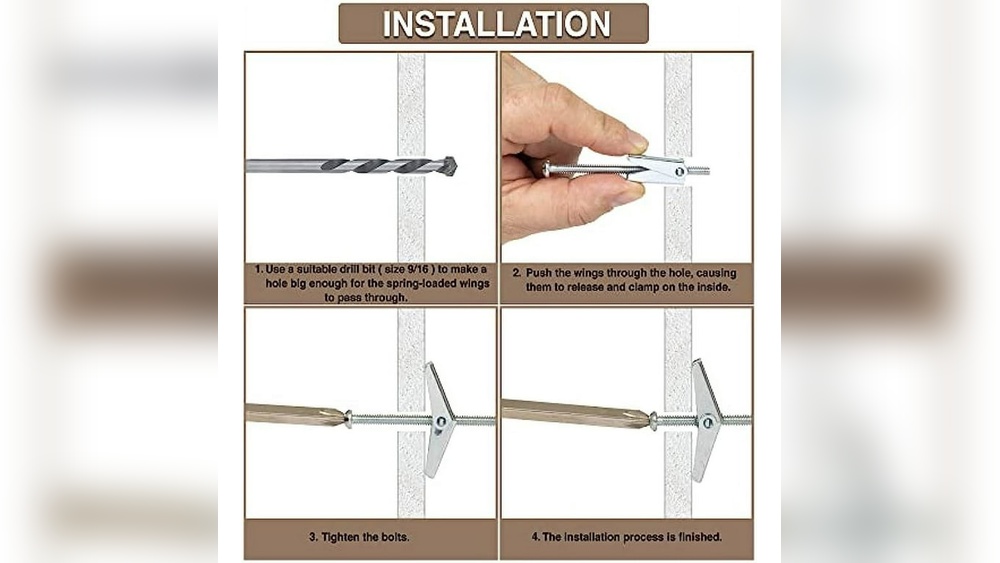
Mark the spot where the cabinet will hang. Drill a hole large enough for the toggle wings to pass through. Thread the bolt through the cabinet bracket first. Attach the toggle wings to the bolt’s end but keep them closed. Push the toggle wings through the hole inside the wall. The wings will open and lock behind the wall. Tighten the bolt slowly to pull the toggle tight. Avoid over-tightening to prevent wall damage. Repeat for all mounting points. Test the cabinet’s stability before loading it fully.

Credit: www.walmart.com
Metal Molly Bolts For Secure Fixing
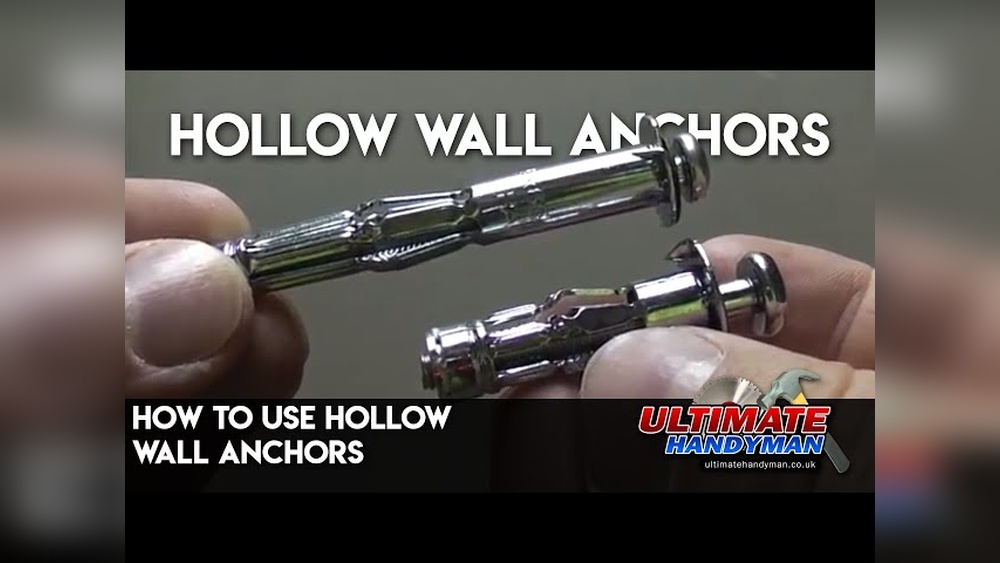
Metal molly bolts provide a strong and reliable way to fix cabinets to hollow walls. These bolts expand inside the wall cavity, creating a solid grip. They work well with drywall, plaster, and other hollow materials. Using metal molly bolts ensures your cabinet stays firmly attached without damaging the wall.
Advantages Of Molly Bolts
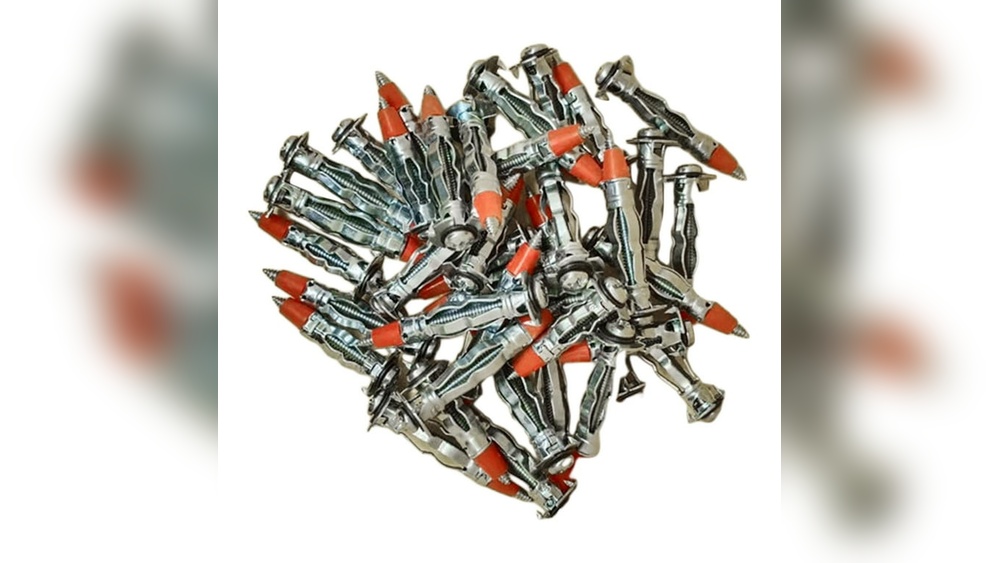
Metal molly bolts hold heavy items safely on hollow walls. They spread the load over a larger area. This prevents wall damage and increases stability. Their metal design resists rust and breaks. Installation is quick and does not require special tools. They also allow easy removal and reinstallation.
Installation Process
Start by marking the cabinet position on the wall. Drill holes matching the size of the molly bolts. Insert the molly bolt into the hole until the flange touches the wall. Use a screwdriver to tighten the bolt. This action expands the anchor behind the wall. The cabinet can now be secured with screws into the molly bolts.
Alternative Methods For Extra Support
Adding extra support to a cabinet on a hollow wall helps keep it stable and safe. Sometimes, anchors alone do not hold heavy cabinets well. Alternative methods offer stronger support and reduce risk of damage.
These methods spread the weight more evenly and secure the cabinet better. Choose the best option based on your wall type and cabinet size.
Using A French Cleat
A French cleat is a simple and strong way to hang cabinets. It consists of two wooden strips cut at an angle. One strip attaches to the wall, and the other to the cabinet.
The angled edges fit together tightly, creating a strong hold. This method distributes the weight across a larger surface. It also makes removing or adjusting the cabinet easy.
Attaching To A Backer Board
A backer board is a solid piece of wood fixed to the hollow wall. It acts as a strong base to mount your cabinet. The backer board spreads the cabinet’s weight over a bigger area.
Secure the backer board to studs or use heavy-duty anchors. Then attach the cabinet to the backer board. This method improves stability and reduces wall damage risk.
Safety Tips And Common Mistakes
Anchoring a cabinet to a hollow wall needs care and attention. Safety is key to avoid accidents and damage. Knowing common mistakes helps you do the job right the first time.
Avoiding Overloading
Never put too much weight on the cabinet. Hollow walls have limits. Overloading can cause the anchors to pull out. Check the weight rating of your anchors before use. Spread weight evenly inside the cabinet. Heavy items should go near the wall studs if possible.
Ensuring Proper Anchor Placement
Place anchors where the wall is strongest. Avoid areas with no support behind the drywall. Use a stud finder to locate studs or solid backing. Install anchors at the correct height and spacing. Too close or too far apart weakens the hold. Follow the anchor’s instructions carefully for best results.
Testing And Final Adjustments
After anchoring your cabinet to a hollow wall, testing and final adjustments ensure safety and durability. This step confirms the cabinet holds firm and looks right. Taking time now prevents future problems like falling or wobbling.
Checking Stability
Gently push the cabinet to check for movement. Try to wiggle it from side to side and up and down. The cabinet should feel solid and not shift. Open and close the doors or drawers to test smooth operation. Listen for any unusual noises that may signal loose parts. Make sure the cabinet sits flush against the wall without gaps.
Making Necessary Corrections
If the cabinet moves or feels loose, tighten the anchors slightly. Use a screwdriver to adjust screws or bolts carefully. Avoid overtightening, which can damage the wall. Fill any gaps with shims or small pieces of wood for better fit. Check alignment and level again after adjustments. Repeat testing until the cabinet is stable and secure.

Credit: www.gilgharda.com

Credit: www.amazon.com
Frequently Asked Questions
What Tools Are Needed To Anchor Cabinets To Hollow Walls?
You need a drill, stud finder, level, screwdriver, hollow wall anchors, and screws. These tools ensure secure and precise cabinet installation on hollow walls.
How Do Hollow Wall Anchors Support Cabinet Weight?
Hollow wall anchors expand behind the drywall, creating strong grips. They distribute weight evenly, preventing cabinets from pulling out or damaging the wall.
Can I Use Regular Screws For Hollow Wall Cabinets?
No, regular screws alone won’t hold well in hollow walls. Use specialized hollow wall anchors to ensure your cabinet is safely secured.
Where Should I Place Anchors On A Hollow Wall?
Place anchors near cabinet studs or wall studs for extra support. Distribute anchors evenly along the cabinet frame to balance the weight.
Conclusion
Anchoring a cabinet to a hollow wall is simple with the right tools. Use proper anchors to keep the cabinet safe and steady. Always check the wall type before you start drilling. Tighten screws carefully to avoid damage. Taking small steps leads to strong and secure cabinets.
With patience, your cabinet will stay firm for years. Keep these tips in mind for your next project. Safe and steady walls make any room better.