Are you tired of looking at those stubborn concrete wall hooks ruining the look of your walls? Removing them might seem tricky, but you don’t have to stress.
In this guide, you’ll discover simple, effective ways to get rid of those hooks without damaging your walls. Imagine how satisfying it will feel to see a clean, smooth surface ready for your next decoration. Keep reading, and you’ll learn easy steps that save you time, effort, and frustration.
Your walls deserve a fresh start, and you’re just moments away from making it happen.

Credit: www.amazon.com
Tools Needed
Removing concrete wall hooks requires the right tools for a smooth process. Having the proper supplies makes the job easier and helps protect your wall. Prepare your workspace before starting. Keep safety in mind as well.
Basic Supplies
Start with a flat-head screwdriver or a putty knife. These help pry the hook away from the wall. A pair of pliers will assist in pulling out stubborn hooks. Use a utility knife to score around the hook, which prevents wall damage. Have some sandpaper ready to smooth rough spots after removal. Finally, keep a small container for screws or hook parts you remove.
Optional Equipment
A power drill with a screwdriver bit can speed up the removal of screws. A heat gun or hairdryer softens adhesive hooks for easier removal. Use a pry bar for larger, more embedded hooks. A wall patch kit helps fix any holes or marks left behind. Protective gloves protect your hands during the process. Eye protection is useful when working with power tools or scraping.

Credit: www.temu.com
Preparing The Area
Preparing the area is a key step before removing concrete wall hooks. It helps keep your space safe and clean. Taking time now makes the removal process easier and prevents damage.
Clear The Wall Space
Remove any items near the wall hooks. Take down pictures, shelves, or decorations close by. This creates enough room to work freely. It also stops objects from falling or breaking. Clearing the space lowers the risk of accidents.
Protect Surrounding Surfaces
Cover floors and furniture near the wall. Use a drop cloth or old sheets to catch dust and debris. Tape plastic or paper to edges of nearby walls or trim. This shields surfaces from scratches or stains. Protecting the area saves time on cleanup later.
Removing Different Types Of Hooks
Removing hooks from concrete walls requires different methods for each type. Knowing how to handle each hook helps protect your wall from damage. This section explains simple ways to remove plastic adhesive hooks, screw-in hooks, and nail-in hooks.
Plastic Adhesive Hooks
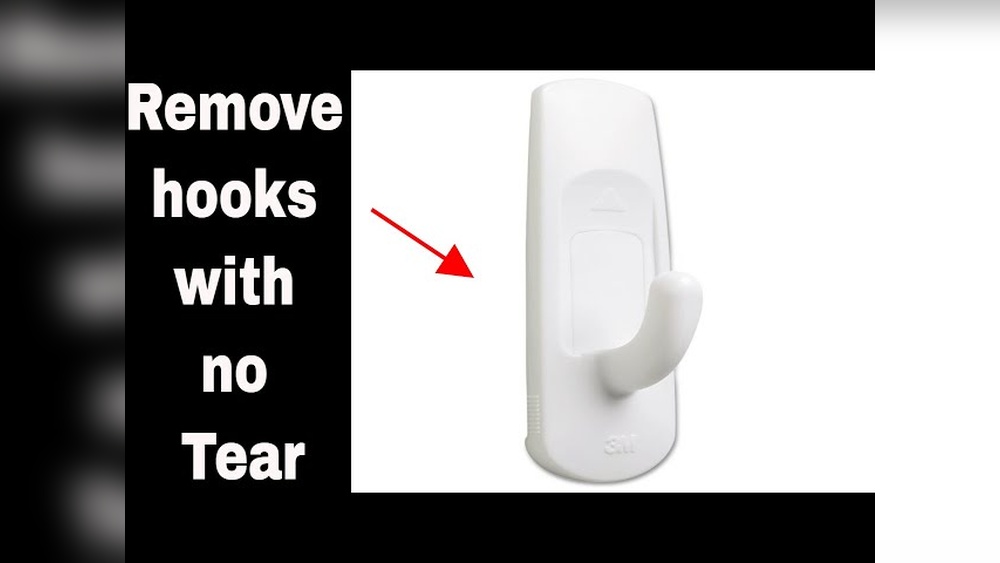
Plastic adhesive hooks stick to the wall with strong glue. Pull the hook slowly at a 45-degree angle. Use dental floss or fishing line to cut the glue behind the hook. Heat the adhesive with a hairdryer to soften it. This makes removal easier and cleaner.
Screw-in Hooks
Screw-in hooks twist into the wall like screws. Turn the hook counterclockwise by hand or with pliers. Pull gently once it is loose. Avoid forcing it to stop wall damage. Fill holes with concrete patch if needed.
Nail-in Hooks
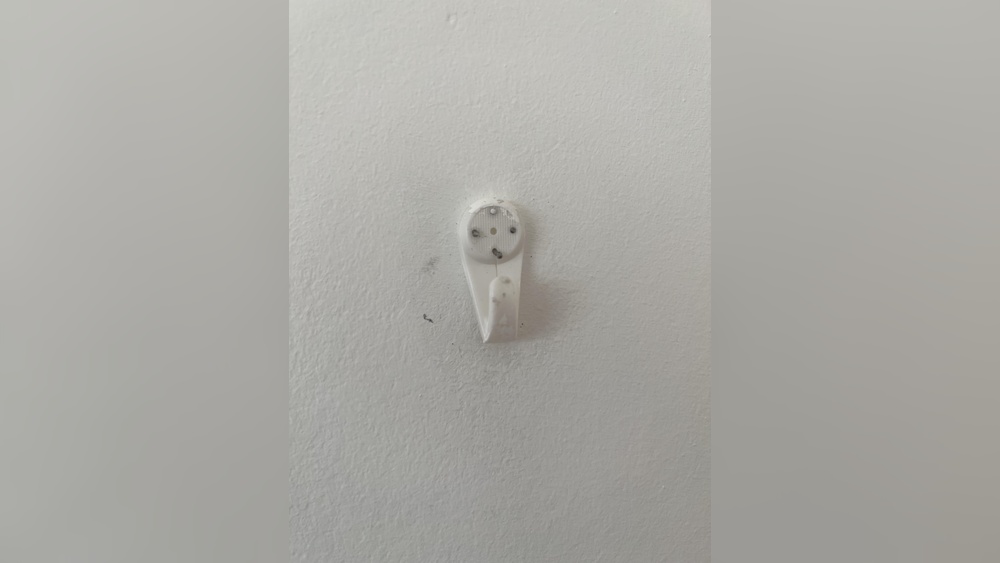
Nail-in hooks use small nails to hold on. Use a flathead screwdriver or pry bar to lift the hook. Pull the nails out carefully with pliers or a claw hammer. Patch the holes with spackle or concrete filler for a smooth finish.

Credit: www.reddit.com
Techniques For Damage-free Removal
Removing concrete wall hooks without damaging the wall takes care and the right approach. Concrete is tough but can chip or crack if handled roughly. Using gentle and smart methods helps keep your walls clean and smooth. These techniques focus on slow, careful work and using simple tools.
Slow And Steady Pulling
Start by gripping the hook firmly. Pull it out slowly and evenly. Avoid jerking or sudden force. This reduces the chance of cracking the concrete. If the hook feels stuck, pause and try another method. Patience is key to protect the wall surface.
Using Heat Or Solvents
Applying heat can soften any glue or adhesive around the hook. Use a hair dryer on low heat. Warm the area gently for a few minutes. This loosens the hook’s grip. Some adhesives respond well to solvents like rubbing alcohol. Dab a small amount around the hook base. Let it soak to weaken the bond. Always test solvents on a small spot first to avoid damage.
Leveraging Tools Carefully
Use tools like a flat screwdriver or putty knife to ease the hook out. Slide the tool under the hook base. Pry it slowly and gently. Protect the wall by placing a thin cloth between the tool and surface. Work in small steps to avoid chipping. Stop if the wall feels stressed and try heating or solvents again.
Fixing Minor Wall Damage
Removing concrete wall hooks often leaves small holes or minor damage on the wall. Fixing these imperfections helps the wall look smooth and clean again. The repair process is simple and requires a few basic tools.
Start by filling the holes. Next, sand the surface for evenness. Finally, touch up the paint to match the wall color.
Filling Small Holes
Use a putty knife to apply spackling paste or wall filler. Press the filler into the holes firmly. Smooth the surface by spreading the filler evenly. Let it dry according to the product instructions. This step hides the holes and prepares the wall for sanding.
Sanding And Smoothing
After the filler dries, gently sand the area with fine-grit sandpaper. Sand in small circles to blend the patch with the wall. Wipe off the dust with a dry cloth. This step creates a smooth, flat surface ready for painting.
Touching Up Paint
Use matching wall paint and a small brush for the repair spot. Apply thin coats to avoid drips and uneven color. Let each coat dry before adding another. This step restores the wall’s original look and hides the repair well.
Preventing Future Wall Damage
Preventing damage to your walls is key after removing concrete wall hooks. Small holes and cracks can weaken the wall over time. Taking steps to protect the surface helps maintain its strength and look. Using the right hooks and installing them correctly keeps the wall safe and clean.
Choosing The Right Hooks
Select hooks designed for concrete or masonry walls. Plastic anchors or heavy-duty screws work best. Avoid using nails or light adhesive hooks on concrete. Match the hook size to the weight of the item you hang. This prevents the hook from pulling out or causing cracks.
Proper Installation Tips
Drill a small pilot hole before inserting the anchor or screw. This reduces stress on the concrete and stops cracking. Use a level to place hooks straight and even. Tighten screws just enough to hold the hook firmly. Over-tightening can damage the wall and make removal harder.
Frequently Asked Questions
How Do I Safely Remove Concrete Wall Hooks?
To remove concrete wall hooks safely, use a screwdriver or pliers to gently pry them out. Avoid force to prevent wall damage. If hooks are stubborn, drill around the base carefully to loosen them.
What Tools Are Needed To Remove Wall Hooks From Concrete?
You need a screwdriver, pliers, a hammer, and possibly a drill with a masonry bit. These tools help loosen and safely extract the hooks without damaging the concrete.
Can I Remove Wall Hooks Without Damaging The Concrete?
Yes, by using the right tools and gentle techniques, you can remove hooks without damaging the wall. Avoid excessive force and use slow, steady pressure to protect the concrete surface.
How To Fix Holes After Removing Concrete Wall Hooks?
Fill holes with concrete patch or filler. Smooth the surface with a putty knife. Allow it to dry, then sand for a clean finish. Paint over to match the wall color if needed.
Conclusion
Removing concrete wall hooks does not have to be hard. Use the right tools and take your time. Gently pry or twist the hooks to avoid wall damage. Clean the area after removal for a smooth finish. Small holes can be filled with patching paste.
A careful approach keeps your walls looking good. Try these steps to remove hooks safely and easily. Your walls will thank you for the extra care. Simple and steady work brings the best results.