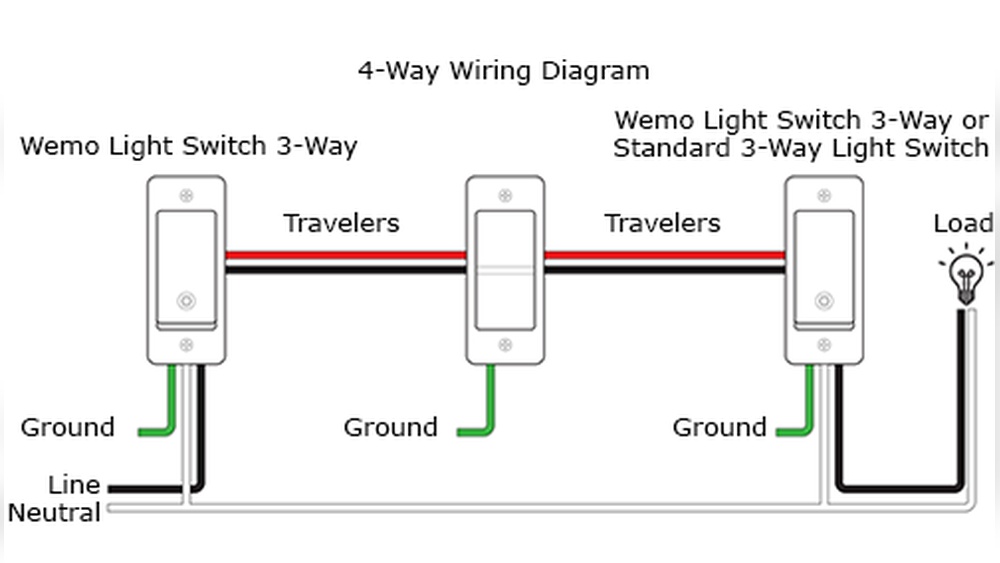
Are you tired of your bathroom fan turning on every time you flip the light switch? It can be frustrating when the fan and light are linked together, especially if you want to control them separately.
Luckily, disconnecting your bathroom fan from the light switch is easier than you might think. You’ll learn simple, step-by-step instructions to take control of your bathroom’s ventilation and lighting. Keep reading, and by the end, you’ll have the confidence to make this small change that brings big comfort to your daily routine.
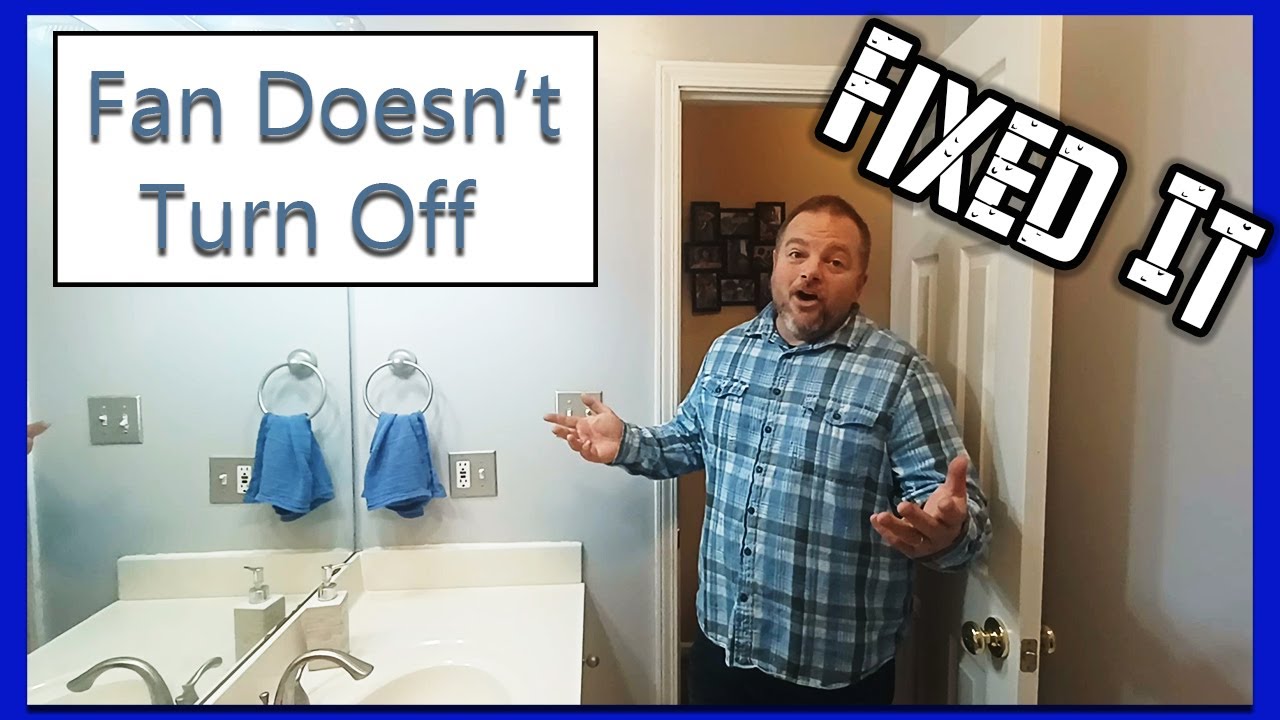
Credit: www.youtube.com
Tools And Materials Needed
Before starting to disconnect your bathroom fan from the light switch, gather all necessary tools and materials. Having everything ready makes the task easier and safer. It also saves time and prevents frustration during the work.
Essential Tools
- Screwdriver set (flathead and Phillips)
- Voltage tester
- Wire strippers
- Needle-nose pliers
- Electrical tape
- Wire nuts
Safety Equipment
- Insulated gloves to protect your hands
- Safety glasses to shield your eyes
- Rubber-soled shoes for better grip
- Flashlight or portable light source
Replacement Parts
- Blank switch plate cover
- Wire connectors for secure connections
- Electrical box extender (if needed)
Safety Precautions
Safety is the top priority when disconnecting a bathroom fan from a light switch. Electricity can be dangerous. Taking the right precautions helps avoid accidents and injuries.
Follow these steps carefully before starting any electrical work. Proper preparation keeps you and your home safe.
Turning Off Power
Always turn off power at the circuit breaker before touching wires. Find the breaker that controls the bathroom light and fan. Switch it off completely. Never rely on just the wall switch to cut power.
Use a label or tape to mark the breaker as off. This prevents someone from turning it on by mistake. Double-check that the power is off before proceeding.
Using A Voltage Tester
A voltage tester confirms that the wires have no electricity. Test each wire in the switch box. Hold the tester near the wires carefully.
If the tester lights up or beeps, power is still on. Do not touch the wires. Turn off the breaker again and test once more. Only work when the tester shows no voltage.
Working Safely With Electrical Wires
Wear insulated gloves to protect your hands. Use tools with insulated handles. Keep the work area dry and well-lit.
Handle wires gently. Avoid pulling or twisting them hard. Keep metal objects away from the wires to prevent shorts.
Do not work alone. Have someone nearby in case of emergency. Follow these safety tips to reduce risks while working with electricity.
Locating The Switch And Fan Wiring
Locating the switch and fan wiring is the first step to disconnecting a bathroom fan from its light switch. This task requires careful attention to ensure safety and proper disconnection. You need to find where the switch and fan wires connect. This helps you understand which wires control the fan and which control the light.
Knowing the exact location of the switch box and fan wiring makes the process easier. It also helps avoid mistakes that could cause electrical problems. Start by identifying the switch box, then move to accessing the fan wiring. Finally, trace the connections to see how everything is linked.
Identifying The Switch Box
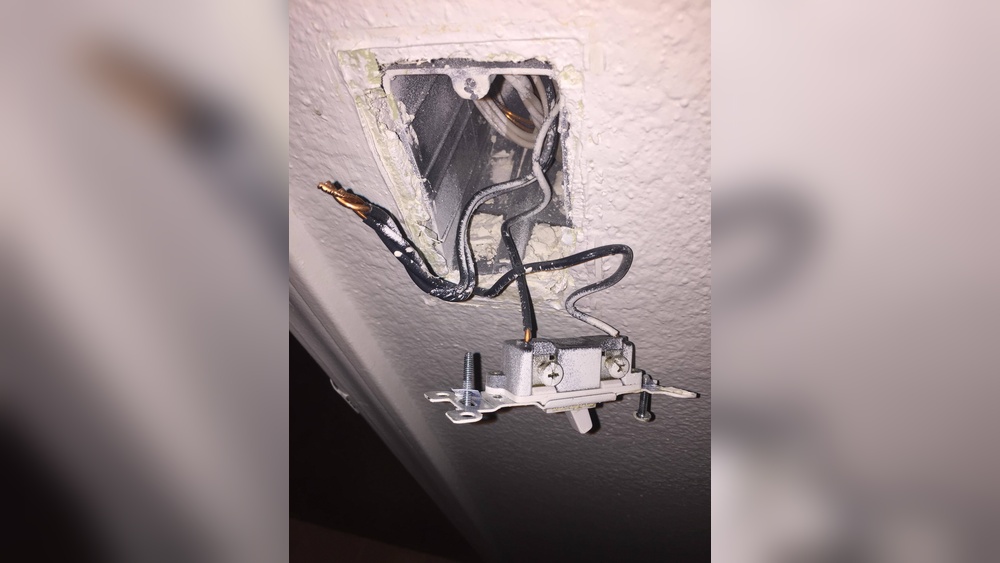
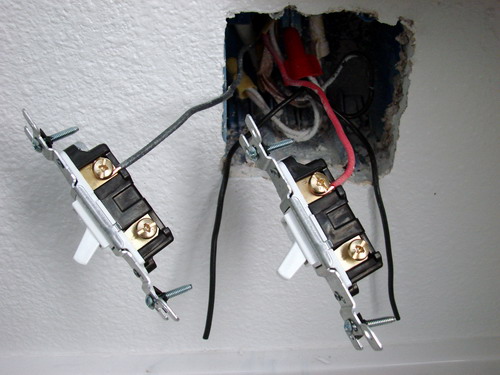
Find the wall switch that controls the bathroom fan and light. The switch box is usually behind this wall switch. Turn off the power at the breaker before opening the box. Use a screwdriver to remove the cover plate. Look inside to see the wires connected to the switch. These wires control the fan and light separately or together.
Accessing The Fan Wiring
The fan wiring is inside the ceiling near the fan unit. Remove the fan cover or grille carefully. Use a ladder or step stool to reach it safely. Look for the wiring connected to the fan motor. These wires are often inside a small electrical box or junction box. Make sure the power is off before touching any wires.
Tracing The Connections
Follow the wires from the switch box to the fan. Check which wires go to the fan motor and which go to the light. Use a voltage tester to confirm the power is off. Note the wire colors and their connections. This helps you know which wires to disconnect to separate the fan from the switch.
Disconnecting The Fan From The Switch
Disconnecting the fan from the switch is a simple task. It helps to control the fan separately from the light. This process involves removing the switch cover, detaching the fan wires, and separating the controls. Follow each step carefully to avoid any electrical issues.
Removing The Switch Cover
Turn off the power at the circuit breaker first. Use a screwdriver to remove the screws holding the switch cover. Gently pull the cover away from the wall. Keep the screws in a safe place for later use. This exposes the switch and wires behind it.
Detaching Fan Wires
Identify the wires connected to the fan switch. Use a voltage tester to ensure no power is present. Loosen the wire nuts or screws securing the fan wires. Carefully separate the fan wires from the switch terminals. Cap the wires with wire nuts for safety.
Separating Fan And Light Controls
Check if the fan and light share the same switch. If yes, find the wire that controls the fan only. Disconnect the fan wire from the light switch. Connect the fan wire to its own separate switch or leave it capped. This allows individual control for the fan and light.
Rewiring For Independent Operation
Rewiring a bathroom fan for independent operation lets you control the fan separately from the light. This change can improve convenience and energy use. It requires working with electrical wiring safely and correctly. Below are clear steps to help you with the rewiring process.
Connecting Fan To Power Source
First, turn off the main power to avoid shocks. Open the switch box to find the wires. Identify the fan’s black wire and the power source’s black wire. Connect these two black wires together. Then, connect the white wires from the fan and power source. This completes the fan’s power circuit. Leave the light switch wires separate to keep the fan independent.
Securing Wire Nuts
Once the wires are connected, use wire nuts to secure them. Twist the wires together tightly before placing the wire nut. Push the wire nut onto the wires firmly. Give a slight tug to make sure it’s secure. Wrap electrical tape around the wire nut and wires for extra safety. This prevents wires from coming loose over time.
Testing The Fan Function
Turn the main power back on. Use the fan’s switch to check if it works alone. The fan should turn on without the light. If it does not work, turn off the power and check the connections again. Test several times to be sure the wiring is correct. Safe and proper wiring ensures long-lasting fan operation.
Troubleshooting Common Issues
Troubleshooting common problems helps keep your bathroom fan working right. Disconnecting the fan from the light switch may cause issues. Knowing how to fix these problems saves time and stress. Here are some common issues and simple solutions.
Fan Not Working After Disconnection
The fan may stop working after you disconnect it from the light switch. Check if the fan still has power. Make sure the fan’s wires are connected properly. Loose wires can cause the fan to fail. Use a voltage tester to confirm power is reaching the fan. Replace the fan’s fuse if needed.
Switch Malfunctions
The switch may not work correctly after disconnecting the fan. Test the switch for any damage or wear. Sometimes, the switch gets stuck or breaks internally. Replace the switch if it does not turn on or off smoothly. Ensure the switch wiring matches the new setup.
Dealing With Unexpected Wiring
Unexpected wiring can confuse anyone. Bathroom fans and lights sometimes share wires. Identify each wire using a tester before disconnecting. Label the wires to avoid mistakes. If wiring looks unusual, consult an electrician. Do not guess the wires’ purpose. Safety first.
Tips For A Clean Finish
Achieving a clean finish after disconnecting a bathroom fan from a light switch is essential. It keeps the space safe and neat. Proper steps make the job look professional. This section offers simple tips to tidy up the work.
Organizing Wires
Start by grouping wires neatly inside the switch box. Use wire nuts to cap off unused wires. Tuck wires carefully to avoid crowding. This prevents shorts and keeps everything safe.
Replacing Switch Covers
Choose a switch cover that fits well. Secure it tightly to avoid gaps. A good cover hides the work and improves the look. Clean the cover before installing for a fresh finish.
Labeling For Future Reference
Label wires or switches clearly after disconnecting. Use simple tags or tape with writing. This helps anyone working later to understand the setup. Labels save time and reduce confusion.

Credit: www.electrical-online.com
Credit: www.reddit.com
Frequently Asked Questions
How Do I Safely Disconnect A Bathroom Fan From A Light Switch?
Turn off the power at the circuit breaker first. Remove the switch cover and disconnect the fan’s wiring. Use a voltage tester to confirm no power remains. Cap off wires with wire nuts and secure them inside the electrical box.
Can I Control My Bathroom Fan Separately From The Light?
Yes, install a dedicated switch for the fan. This allows independent control, improving convenience and energy efficiency. You may need to run new wiring or hire an electrician for proper installation.
What Tools Are Needed To Disconnect Bathroom Fan Wiring?
You’ll need a screwdriver, voltage tester, wire strippers, and wire nuts. These tools ensure safe disconnection and proper handling of electrical wires during the process.
Is It Necessary To Hire An Electrician To Disconnect The Fan?
Not always, if you have basic electrical knowledge and follow safety steps. However, hiring a licensed electrician is recommended for complex wiring or if unsure about the process.
Conclusion
Disconnecting a bathroom fan from a light switch is simple and safe. Always turn off power before starting work. Follow steps carefully to avoid mistakes. Use basic tools and check wiring twice. This change lets you control the fan separately.
It improves bathroom comfort and helps prevent moisture. Take your time and stay cautious. You can handle this task with confidence. Enjoy a quieter and more functional bathroom space.