
Have you ever noticed fluid leaking from your floor jack? Those leaks don’t just make a mess—they can stop your jack from working when you need it most.
If you want your floor jack to stay reliable and safe, preventing leaks is key. You’ll discover simple, practical steps to keep your floor jack leak-free. By the end, you’ll have the confidence to maintain your equipment and avoid costly repairs.
Keep reading to protect your tools and ensure your next lift goes smoothly.
Common Causes Of Floor Jack Leaks
Floor jack leaks cause trouble during lifting tasks. Knowing common causes helps fix leaks fast. It also keeps the jack working longer. Here are the main reasons why leaks happen in floor jacks.
Worn Seals And O-rings
Seals and O-rings stop oil from escaping the jack. Over time, they wear out or crack. Old seals lose their tight grip. This lets hydraulic fluid leak out. Regular checks can spot worn seals early.
Damaged Hydraulic Cylinder
The hydraulic cylinder moves the jack up and down. Scratches or dents on the cylinder can cause leaks. Damage breaks the seal between parts. The oil then seeps through the cracks. Handle the jack carefully to avoid cylinder damage.
Loose Or Broken Fittings
Fittings connect different parts of the jack. Loose or broken fittings allow oil to leak. Vibration and use can loosen these fittings. Tightening fittings regularly keeps oil inside. Replace broken fittings to stop leaks.
Contaminated Hydraulic Fluid
Dirt or water in the hydraulic fluid harms the jack. Contaminated fluid wears out seals faster. It also damages the cylinder surface. Using clean fluid prevents leaks and extends jack life. Change the fluid as recommended.

Credit: barsleaks.com
Signs Your Floor Jack Is Leaking
Knowing the signs of a leaking floor jack helps you act fast. Catching leaks early keeps your jack safe and working well. Leaks lower the jack’s power and can cause damage.
Watch out for these common signs to spot leaks before they get worse.
Visible Fluid Around Jack
Check the base and joints for wet spots or puddles. Fluid on the floor near the jack means a leak. Dark or oily stains show hydraulic fluid escaping. Clean the jack and watch for new fluid marks. This helps find leaks faster.
Difficulty Maintaining Pressure
The jack should hold weight without losing height. If it slowly sinks while lifting, fluid may be leaking inside. You might need to pump the handle more often. A leaking jack can’t keep steady pressure. This makes lifting unsafe and frustrating.
Unusual Noises During Operation
Listen for hissing or squeaking sounds when pumping. These noises can mean air or fluid is escaping. A smooth, quiet jack usually means no leaks. Strange sounds often warn of worn seals or cracks. Pay attention to any new noises during use.
Routine Maintenance Practices
Routine maintenance keeps your floor jack working properly. It stops leaks before they start. Small steps every time you use the jack make a big difference.
Check the seals and parts often. Keep the hydraulic fluid at the right level. Clean and oil the moving parts regularly. These actions help your floor jack last longer and work better.
Regular Inspection Of Seals And Components
Look at the seals for cracks or wear. Damaged seals let fluid escape and cause leaks. Check all parts for rust or damage. Replace any broken parts quickly. This keeps the jack safe and leak-free.
Checking And Refilling Hydraulic Fluid
Hydraulic fluid moves the jack up and down. Low fluid causes poor lifting and leaks. Check the fluid level with the jack on a flat surface. Add the right fluid type if it is low. Avoid overfilling to prevent spills.
Cleaning And Lubricating Moving Parts
Dirt and dust make parts wear out fast. Wipe the jack clean after use. Use oil or grease on moving parts. This stops rust and helps the jack move smoothly. Keep the jack dry to avoid rust.
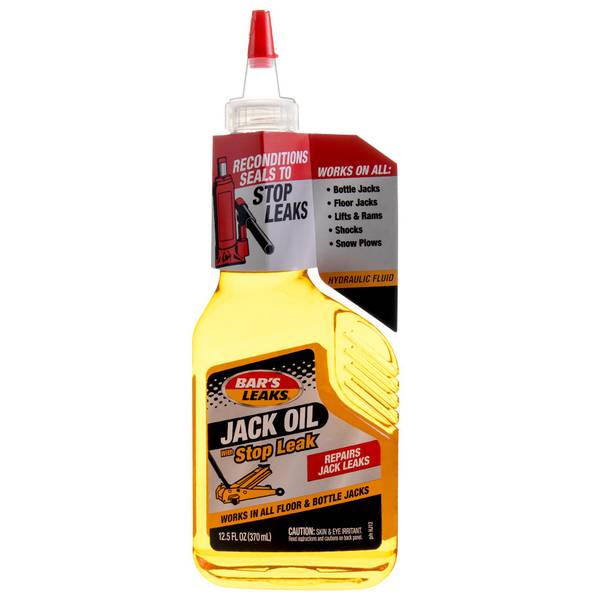
Credit: www.farmandfleet.com
How To Repair Minor Leaks
Minor leaks in a floor jack can cause trouble. They reduce lifting power and create a mess. Fixing these leaks early saves money and keeps the jack safe to use. Simple steps can stop small leaks before they grow.
Replacing Seals And O-rings
Seals and O-rings stop hydraulic fluid from escaping. Over time, they wear out or crack. Remove the old seals carefully using the right tools. Match new seals exactly to the old ones. Install them gently to avoid damage. This step often stops leaks quickly.
Tightening Loose Connections
Loose bolts or fittings cause leaks too. Check all connections on the jack. Use a wrench to tighten any that are loose. Avoid overtightening, which can strip threads or crack parts. Tight connections hold the fluid inside firmly.
Flushing And Replacing Hydraulic Fluid
Old or dirty fluid can cause leaks or poor jack performance. Drain the old hydraulic fluid completely. Flush the system with clean fluid to remove dirt. Refill with fresh hydraulic fluid recommended by the manufacturer. Clean fluid helps seals last longer and prevents leaks.
Preventive Measures To Avoid Leaks
Preventing leaks in a floor jack saves money and extends its life. Taking simple steps can stop leaks before they start. These measures protect the jack’s hydraulic system and keep it working well.
Proper Storage And Handling
Store the floor jack in a dry, clean place. Avoid exposure to dirt and moisture. Always keep it on a flat surface to prevent fluid shifts. Handle the jack carefully to avoid bumps and drops. These actions reduce the risk of damage and leaks.
Avoiding Overloading
Check the jack’s weight limit before use. Never lift loads heavier than recommended. Overloading strains seals and causes leaks. Use the right jack for the job to keep it safe. Protect the hydraulic system by respecting weight limits.
Using Compatible Hydraulic Fluids
Use only the fluids recommended by the manufacturer. Mixing different fluids can harm seals and cause leaks. Check fluid levels regularly and refill as needed. Clean, correct fluids keep the hydraulic system sealed tight. Proper fluid use ensures smooth and leak-free operation.
When To Seek Professional Help
Knowing when to call a professional for your floor jack is key. Some problems need expert care. Trying to fix serious issues alone may cause more damage or risk your safety. Understanding the signs of major damage and weighing costs helps you decide the best step forward.
Signs Of Major Damage
Leaks that keep coming back often mean serious damage. If the jack loses pressure quickly, it may have internal problems. Bent or cracked parts are clear warnings. Strange noises while using the jack suggest worn-out components. These signs show the jack needs expert repair or replacement.
Cost Vs. Replacement Considerations
Repair costs can add up fast. Sometimes, fixing a floor jack costs almost as much as buying a new one. Consider the age of your jack and how often you use it. If repairs are expensive and frequent, replacing it might be smarter. A new jack ensures safety and better performance.
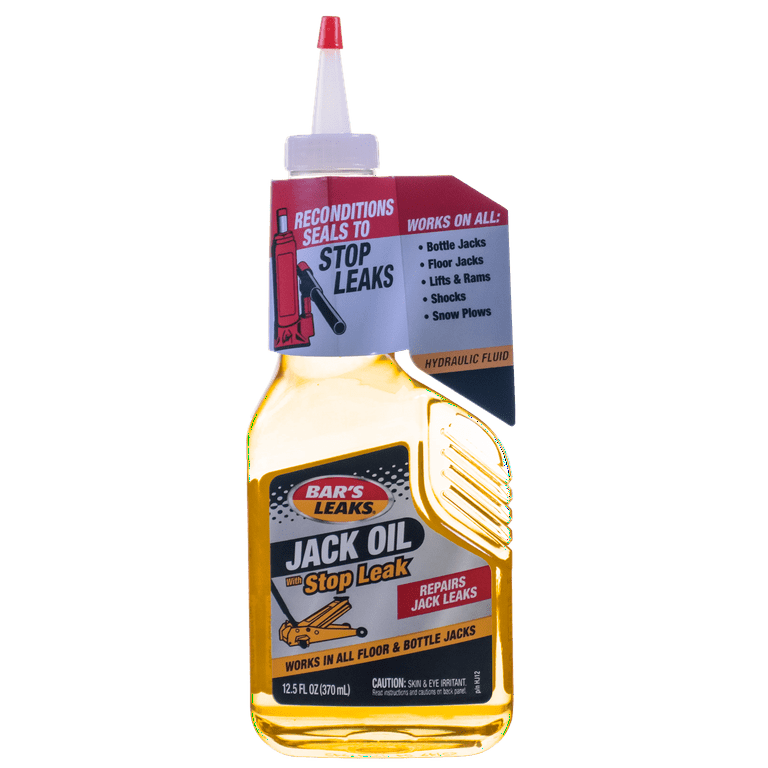
Credit: www.walmart.com
Frequently Asked Questions
How Can I Prevent Leaks In My Floor Jack?
Regularly check seals and replace damaged ones promptly. Keep hydraulic fluid at recommended levels and avoid overloading the jack. Clean the jack after use to prevent dirt buildup that can cause leaks.
What Causes Hydraulic Fluid Leaks In Floor Jacks?
Leaks often result from worn or damaged seals, loose fittings, or cracks in the hydraulic cylinder. Dirt and debris can also damage seals, leading to fluid escaping from the system.
How Often Should I Inspect My Floor Jack For Leaks?
Inspect your floor jack before each use and conduct a thorough check every few months. Regular inspections help identify leaks early and maintain safe and efficient jack operation.
Can Improper Use Cause Floor Jack Leaks?
Yes, overloading the jack or using it on uneven surfaces can stress seals and components, leading to leaks. Always follow manufacturer guidelines to prevent damage and leaks.
Conclusion
Preventing leaks in your floor jack saves time and money. Regular checks help spot problems early. Keep seals clean and replace worn parts quickly. Use the right hydraulic oil for smooth operation. Store the jack in a dry place to avoid rust.
Simple care keeps your jack working longer and safer. Small steps make a big difference in maintenance. Your floor jack will stay reliable with these tips.

