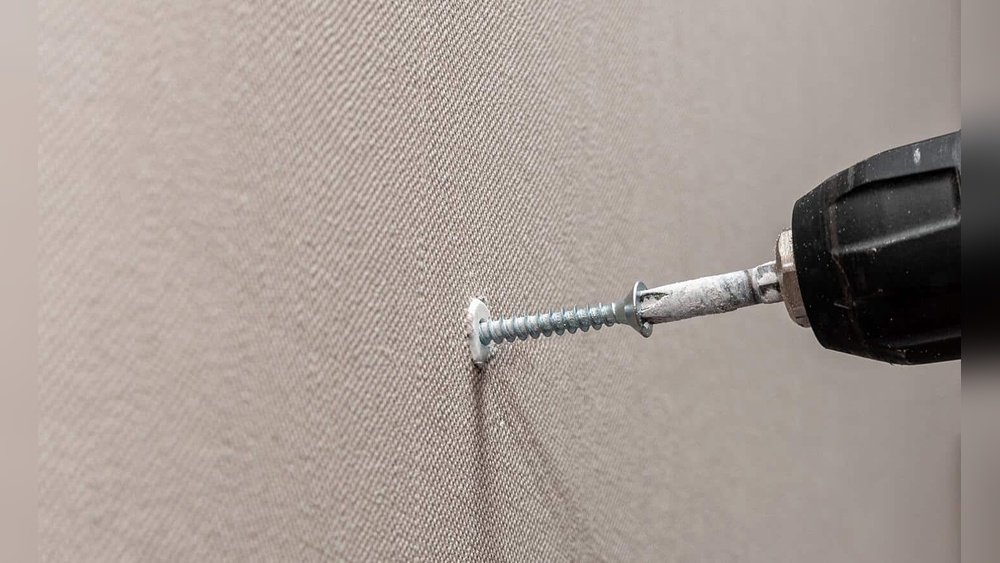
Are you struggling to hang something heavy on your wall without it falling down? Knowing how to screw an anchor into your wall correctly can make all the difference.
Whether you’re mounting a shelf, a picture frame, or a mirror, using the right anchor keeps everything secure and steady. In this guide, you’ll learn simple, step-by-step tips to make the process easy and foolproof. Keep reading, and soon you’ll have the confidence to handle any wall project like a pro.
:max_bytes(150000):strip_icc()/how-to-use-and-discard-anchor-screws-1822671-002-04-4963da18c2674e6bbf07e5fc07d5b4f0.jpg)
Credit: www.thespruce.com
Types Of Wall Anchors
Wall anchors help hold screws tightly in walls. Different anchors suit different walls and weights. Choosing the right anchor makes your project safe and strong. Here are common types of wall anchors.
Plastic Expansion Anchors
Plastic expansion anchors fit into small holes drilled in drywall. The screw expands the anchor, gripping the wall tightly. These anchors work well for light items like pictures or small shelves.
Toggle Bolts
Toggle bolts have spring wings that open behind the wall. They hold strong in hollow walls like drywall or plaster. These anchors support heavy items like cabinets or large mirrors.
Molly Bolts
Molly bolts expand inside the wall when tightened. They create a strong hold in drywall or plaster. These anchors are good for medium-weight objects like towel racks or curtain rods.
Self-drilling Anchors
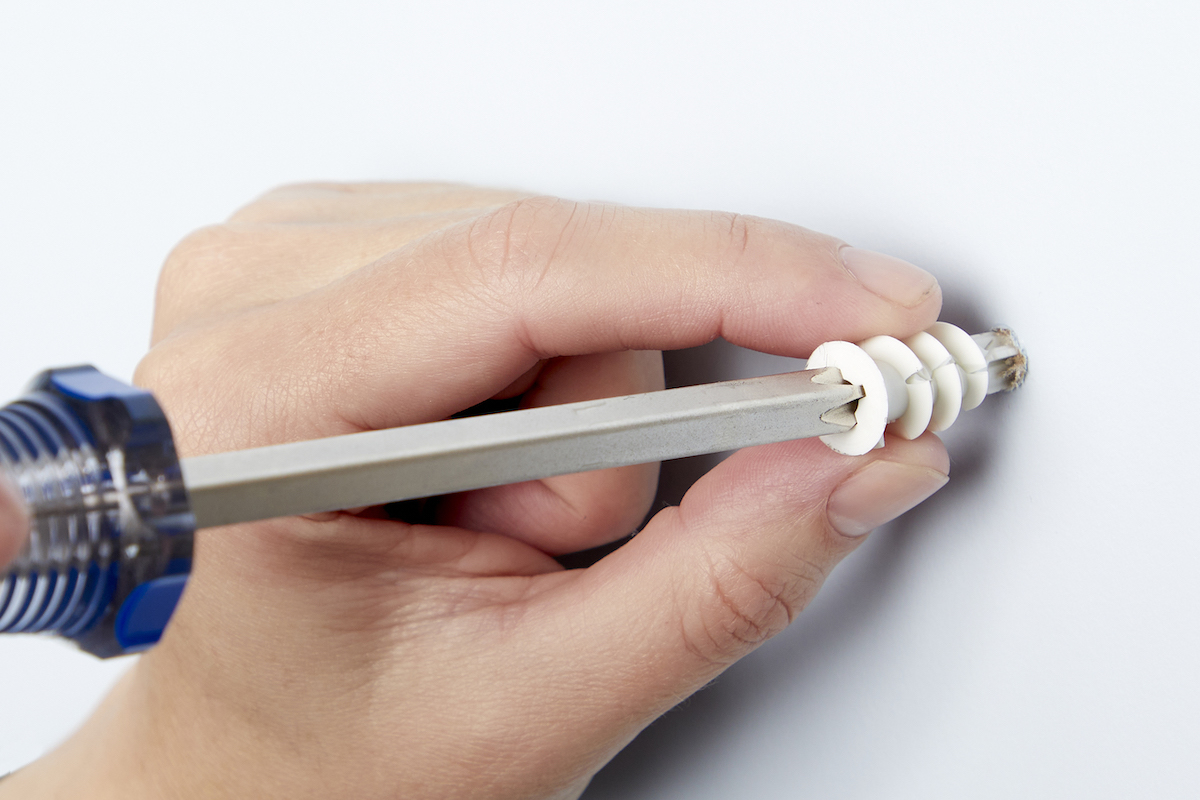
Self-drilling anchors screw directly into drywall without pre-drilling. They save time and work well for light to medium loads. These anchors are easy to install and remove if needed.
Tools You’ll Need
To screw an anchor into a wall, having the right tools is key. These tools help you work quickly and safely. They also make sure the anchor holds tight and strong.
Drill And Drill Bits
A drill is needed to make a hole for the anchor. Use the correct drill bit size. It should match the anchor’s diameter. This ensures a snug fit and solid hold.
Screwdriver
A screwdriver drives the screw into the anchor. Choose the right type, like a Phillips or flathead. This prevents slipping or stripping the screw head.
Hammer
A hammer helps tap the anchor gently into the hole. This makes sure the anchor sits flush with the wall. Use light taps to avoid wall damage.
Measuring Tape And Pencil
Measure the exact spot for the anchor with tape. Mark the spot with a pencil. This keeps your work neat and accurate.
Preparing The Wall
Preparing the wall is an important step before screwing an anchor into it. This step helps ensure the anchor holds firmly and safely. Take time to get this right. It makes the rest of the job much easier and cleaner.
Marking The Spot
First, decide where to place the anchor. Use a pencil to mark the exact spot on the wall. Check twice to avoid mistakes. A small mark guides your drilling and keeps the hole in the right place.
Choosing The Right Anchor Size
Select an anchor that fits your screw and the weight it must hold. Too small, and it won’t hold well. Too big, and it might damage the wall. Match the anchor size to your project needs for best results.
Drilling The Pilot Hole
Drill a pilot hole at the marked spot before inserting the anchor. Use a drill bit that matches the anchor’s diameter. Drill straight and stop once you reach the right depth. This step helps the anchor fit snugly and hold better.
Installing The Anchor
Installing a screw anchor properly is key for a strong hold in the wall. It makes sure the screw stays tight and supports the weight well. Different anchors fit different wall types and weights. Choose the right one to avoid damage or failure.
Inserting Plastic Expansion Anchors
Start by drilling a hole that matches the anchor size. Push the plastic anchor gently into the hole until it sits flush. Tap lightly with a hammer if needed. Avoid forcing it to prevent wall damage. Once in place, insert the screw slowly. The anchor expands inside the wall, holding the screw firmly.
Using Toggle Bolts
Drill a hole large enough for the toggle wings to fit through. Thread the screw into the toggle bolt, leaving the wings closed. Push the toggle wings through the hole. They will open behind the wall. Pull back gently so the wings grip the wall. Tighten the screw carefully to secure the anchor.
Securing Molly Bolts
Drill a hole matching the molly bolt size. Insert the molly bolt into the hole until flush. Use a screwdriver to turn the screw slowly. This action expands the sleeve inside the wall. The expanded sleeve locks the anchor in place. Remove the screw, then reinsert it after attaching your item.
Placing Self-drilling Anchors
Align the anchor tip with the wall surface. Turn the anchor clockwise using a screwdriver. It drills its own hole as you turn. Keep turning until the anchor sits flush. Insert the screw into the anchor and tighten. The anchor’s threads grip the wall securely.
Screwing Anchor For Maximum Hold
Securing a screw anchor correctly ensures a strong and lasting hold in your wall. Proper technique avoids damage and keeps your items safe. Follow these steps to get the best grip from your screw anchor.
Aligning The Screw
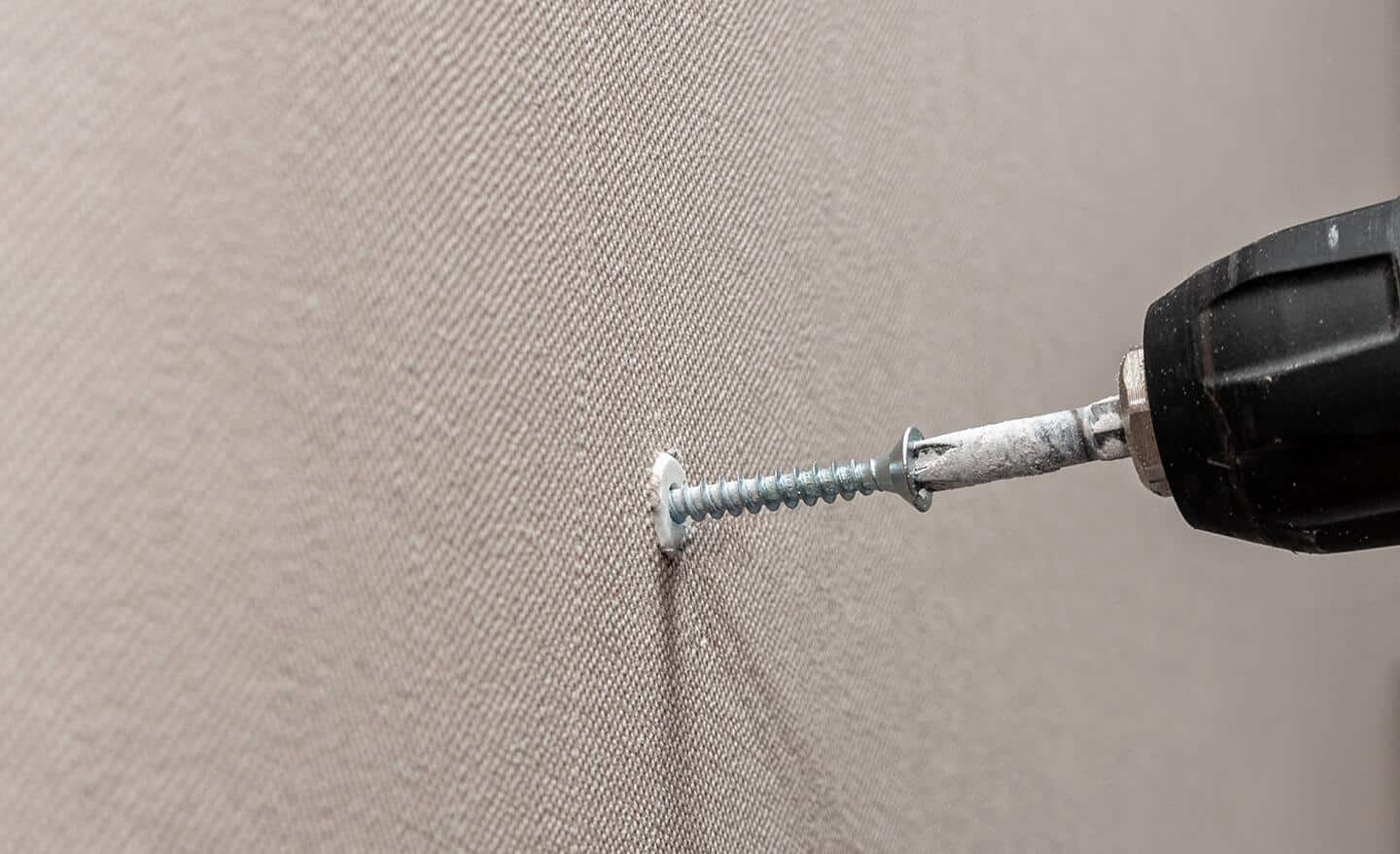
Start by positioning the screw straight into the anchor. Keep the screw aligned with the hole to avoid bending. A tilted screw can weaken the hold and damage the wall. Check from different angles to confirm the screw is straight.
Driving The Screw Properly
Use a screwdriver or drill at a slow, steady speed. Push the screw gently but firmly into the anchor. Stop when the screw head is flush with the surface. Over-tightening can strip the anchor or break the wall material.
Avoiding Common Mistakes
Do not force the screw if it feels stuck. Avoid using the wrong size screw for the anchor. Never skip pre-drilling if needed. These errors reduce the anchor’s strength and may cause failure.
Credit: www.homedepot.com
Testing Anchor Strength
Testing anchor strength is important after installation. It ensures your anchor holds well in the wall. This step helps prevent damage or accidents later.
Applying Light Pressure
Start by gently pushing or pulling the anchor. Use light pressure to avoid damaging the wall. Notice any movement or looseness at this stage.
Checking For Stability
Observe if the anchor stays firm under pressure. A stable anchor will not wiggle or shift. If it feels loose, it may not hold weight safely.
When To Reinstall
Reinstall the anchor if it moves or feels weak. Remove it carefully and choose a better spot. Use a new anchor for strong support and safety.
Credit: www.bobvila.com
Frequently Asked Questions
What Tools Do I Need To Screw An Anchor Into A Wall?
You need a drill, screwdriver, wall anchors, a hammer, and a pencil. These tools help you drill, insert, and secure anchors effectively.
How Do I Choose The Right Wall Anchor Type?
Select anchors based on wall material and weight load. Use plastic for light loads, toggle bolts for heavy items.
Can I Screw An Anchor Into Drywall Without Studs?
Yes, use drywall anchors designed for hollow walls. They expand behind the drywall, providing strong holding power.
How Deep Should I Drill Before Inserting An Anchor?
Drill a hole slightly deeper than the anchor length. This ensures the anchor fits fully and holds securely.
Conclusion
Screwing an anchor into the wall is simple with the right steps. Start by choosing the correct anchor for your wall type. Drill a hole that fits the anchor size. Push the anchor in until it is flush with the wall.
Then, insert the screw and tighten it carefully. Taking your time helps avoid damage. This method keeps your items secure and your wall safe. Practice these steps to feel more confident. Soon, hanging things will be easier and more reliable.