Are you thinking about giving your cabinets a fresh new look without spending a fortune? Chalk paint might be the simple solution you’ve been searching for.
But what about your cabinet hardware? Can you chalk paint those knobs and handles too? If you’ve ever wondered whether chalk paint works on metal or plastic hardware, you’re in the right place. Keep reading to discover how you can transform your cabinet hardware easily and effectively, adding a unique touch to your space without the hassle.
Your next DIY project starts here!
Credit: bella-tucker.com
Benefits Of Chalk Painting Hardware
Chalk painting cabinet hardware is a smart way to refresh your space. It gives old handles and knobs a fresh look without much effort. The paint sticks well and creates a soft, matte finish. This finish adds charm and style to any room. Many homeowners enjoy chalk painting because it is simple and offers great results. Below are some key benefits of using chalk paint on your hardware.
Cost-effective Upgrade
Chalk painting is budget-friendly. It saves money compared to buying new hardware. You only need a small amount of paint. This paint covers many pieces of hardware. No need for professional help. You can do it yourself and save labor costs. It is a great way to improve your cabinets without spending a lot.
Customizable Colors
Chalk paint comes in many colors. You can match your room’s style easily. Mix colors to create unique shades. This lets you personalize your hardware. Change the look as often as you like. This flexibility makes your space truly yours. It is easy to switch colors without damage.
Easy Application Process
Applying chalk paint is simple and quick. No special skills are required. Clean the hardware first. Then apply paint with a brush or cloth. It dries fast and needs few coats. Light sanding between coats can improve the finish. This process works well on metal and wood hardware. It is a hassle-free way to refresh your cabinets.
Materials Needed
Painting cabinet hardware with chalk paint can transform old knobs and handles. Using the right materials makes the process easier and the results better. Prepare well to get smooth, lasting paint on metal or wood hardware.
Types Of Chalk Paint
Choose chalk paint designed for furniture or crafts. Some chalk paints come in powder form; mix with water before use. Others are pre-mixed and ready to apply. Pick a color that fits your style. Matte finishes work well for a vintage look.
Essential Tools
Gather small paintbrushes with soft bristles for detailed work. Use foam brushes for smooth, even coats. Have a container for paint mixing or thinning. Keep paper towels or cloths handy for quick cleanups. Gloves protect your hands from stains.
Surface Preparation Supplies
Clean hardware thoroughly before painting. Use mild soap and water to remove grease and dirt. Sandpaper or a sanding block helps roughen shiny surfaces. This step improves paint adhesion. Use a tack cloth to wipe away dust after sanding.
Preparing Cabinet Hardware
Preparing cabinet hardware is a key step before applying chalk paint. Proper preparation helps the paint stick better and last longer. It also gives a smooth, clean finish. This process takes time but is worth the effort for great results.
Cleaning And Degreasing
Start by cleaning the hardware to remove dirt and oils. Use warm water and mild soap. Scrub gently with a soft brush or cloth. Rinse well and dry completely. For greasy spots, apply a degreaser or rubbing alcohol. This step ensures the paint sticks properly.
Removing Old Finish
Old paint or varnish can stop chalk paint from bonding well. Use a paint stripper or sanding to remove it. Follow safety rules like wearing gloves and working in a ventilated area. Remove all loose or peeling finish before painting.
Sanding Tips
Sanding creates a rough surface for better paint grip. Use fine-grit sandpaper, around 220 grit. Sand evenly but gently to avoid damage. Wipe off dust with a damp cloth after sanding. This step improves paint adhesion and smoothness.
Credit: www.artsychicksrule.com
Applying Chalk Paint
Chalk painting cabinet hardware is a simple way to refresh your kitchen or bathroom. This type of paint sticks well to metal and gives a soft, matte finish. Before you start, prepare your workspace and clean the hardware thoroughly. A clean surface helps the paint stick better and last longer.
Knowing how to apply chalk paint correctly makes a big difference. You want smooth, even coverage without drips or brush marks. Follow these tips to get the best results and make your hardware look like new.
Choosing The Right Brush
Select a brush made for chalk paint. Natural bristles work well for smooth finishes. Use a small brush for detailed hardware parts. Avoid large brushes that can leave streaks or miss small spots. Clean your brush well before use to keep it soft and ready.
Painting Techniques
Start with thin, even coats. Thick layers can drip and take longer to dry. Use light, steady strokes in one direction. This helps avoid brush marks. Paint every corner and crevice carefully. Let the first coat dry fully before applying the next layer for better coverage.
Drying Times
Chalk paint dries fast, usually within 30 minutes to an hour. Still, wait at least one hour between coats. Avoid touching the paint until it feels dry to the touch. After the last coat, let the hardware dry for 24 hours before handling or reinstalling. Proper drying ensures a durable finish.
Sealing And Protecting
Sealing and protecting chalk-painted cabinet hardware is key to keep the finish looking fresh. Chalk paint can be soft and may wear off without a protective layer. A sealant adds strength and guards against scratches, moisture, and dirt. It also helps to keep the color bright and prevents fading over time.
Best Sealants For Hardware
Choose a sealant that works well with chalk paint and metal. Clear wax is popular and gives a soft, matte finish. Polyurethane offers strong protection and works well for handles. Spray clear acrylic is quick to apply and dries fast. Avoid sealants that yellow or change the paint color.
Application Methods
Start with clean, dry hardware before sealing. Use a small brush for wax or polyurethane to cover all areas. For spray acrylic, hold the can 6-8 inches away and spray evenly. Apply thin coats to avoid drips or thick spots. Let each layer dry completely before adding more.
Maintenance Tips
Clean sealed hardware gently with a soft cloth and mild soap. Avoid harsh chemicals or abrasive scrubbers. Reapply wax every few months to keep the protection fresh. Check for chips or wear and touch up the sealant as needed. Proper care extends the life of chalk-painted hardware.
Common Mistakes To Avoid
Painting cabinet hardware with chalk paint can refresh your space. Many try it but make common mistakes. These errors affect the finish and durability. Avoid these pitfalls to get the best result.
Skipping Surface Prep
Clean the hardware before painting. Dirt and grease stop paint from sticking well. Lightly sand the surface for better grip. Skipping this step causes paint to peel fast.
Using Thick Coats
Apply thin layers of chalk paint. Thick coats dry unevenly and drip easily. Multiple thin coats give a smooth, lasting finish. Patience here saves time and effort later.
Ignoring Sealant
Seal the paint to protect it from wear. A clear wax or topcoat keeps paint safe and shiny. Without sealant, paint chips and fades quickly. Seal every painted piece for best results.
Creative Ideas For Hardware Makeover
Giving your cabinet hardware a fresh look can change the whole feel of your kitchen or bathroom. Chalk paint is a great choice for this task. It sticks well and comes in many colors. You can create unique designs that match your style. Let’s explore some creative ideas to make your hardware stand out.
Mixing Colors
Try using two or three chalk paint colors on one piece of hardware. Start with a base color and add a second color lightly on top. Use a small brush or sponge to blend them. This technique adds depth and interest. Choose colors that complement your cabinets. Mixing bright and soft tones can give a fresh look.
Adding Decorative Details
Chalk paint allows you to add fine details easily. Use a thin brush to paint small patterns or dots. Stencils can help create shapes or letters. You can also add a second coat with a metallic chalk paint for shine. These details make your hardware unique and eye-catching. Small changes can create big effects.
Matching With Cabinet Styles
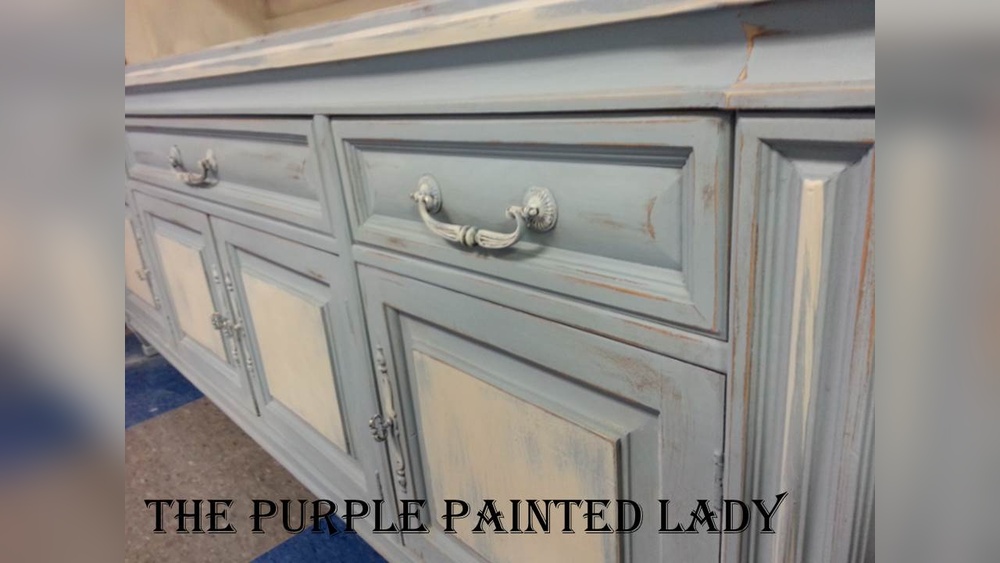
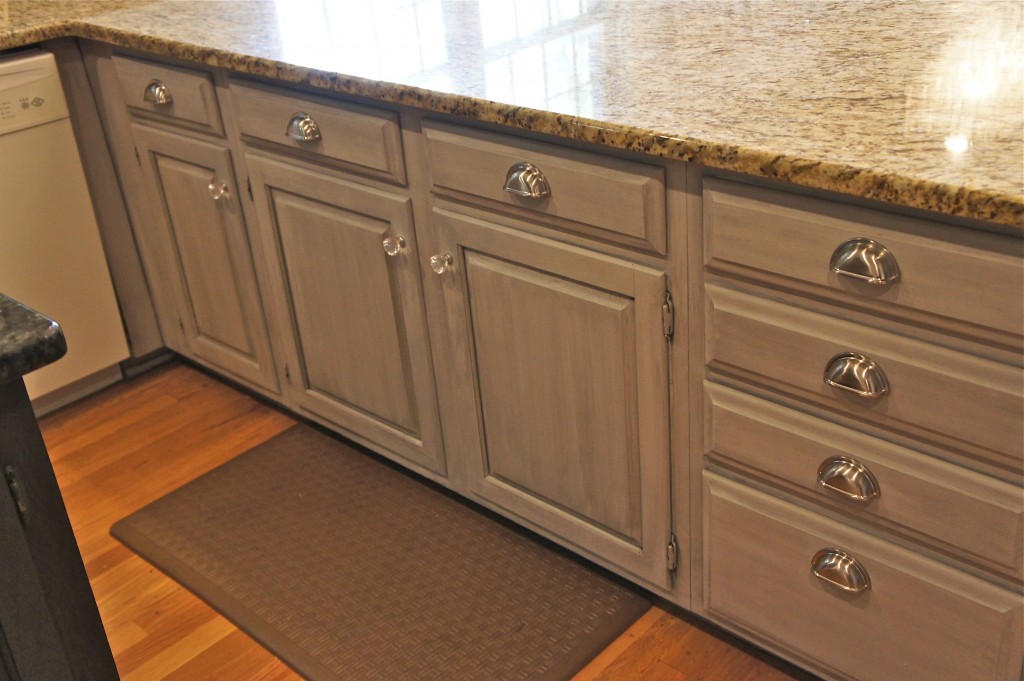
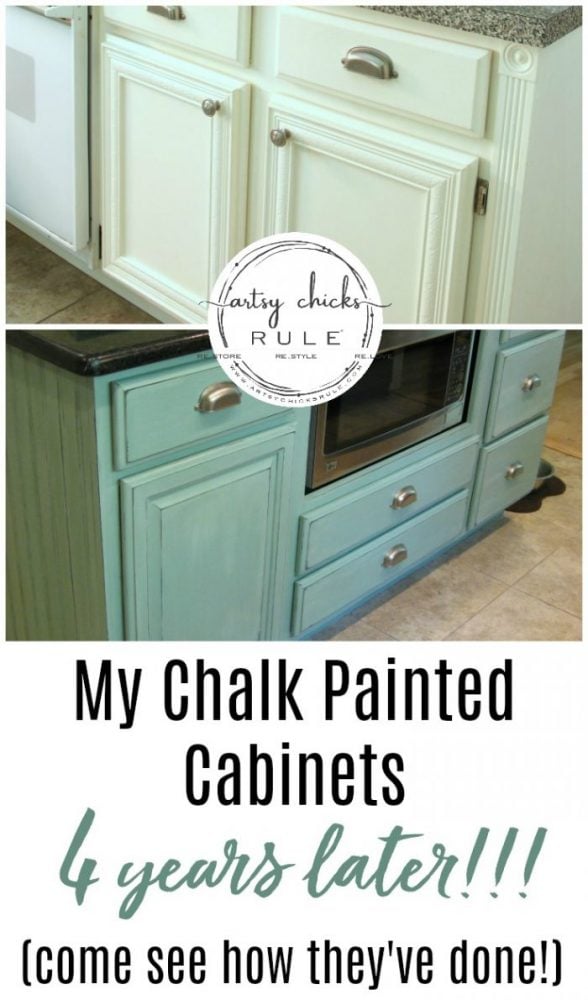
Match hardware paint colors with your cabinet style for a harmonious look. For rustic cabinets, try earthy tones like brown or green. Modern cabinets look great with bold colors like black or navy. Vintage cabinets pair well with soft pastels. This matching creates a balanced and attractive space.
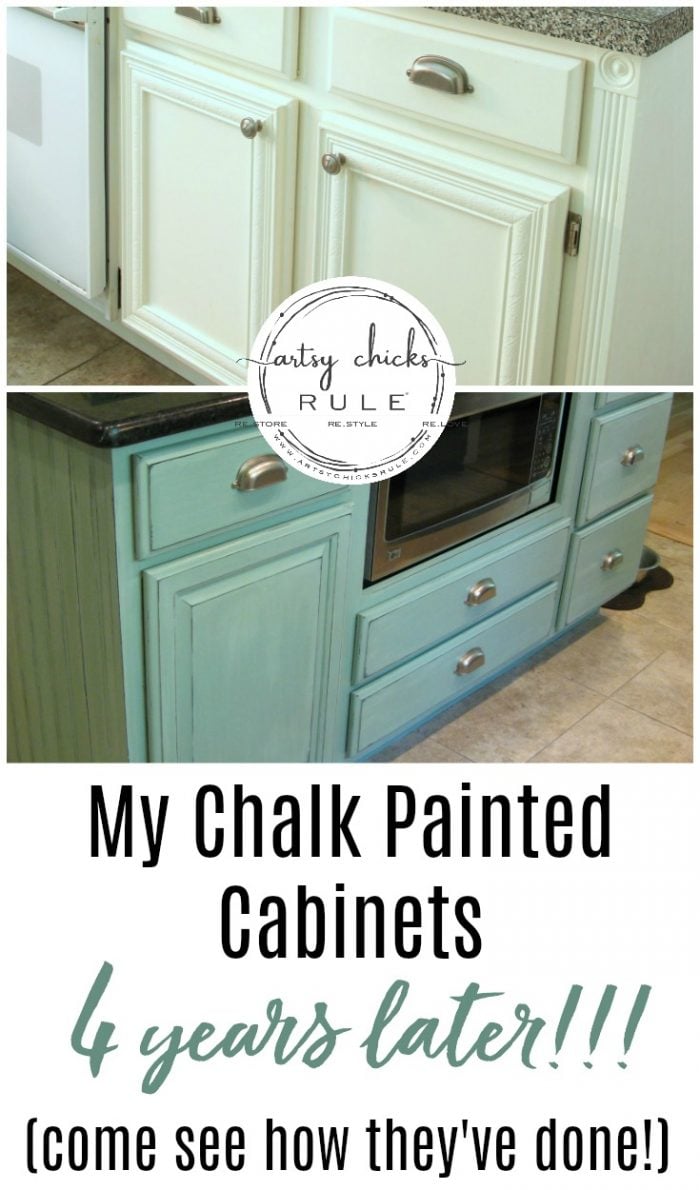
Credit: www.artsychicksrule.com
Frequently Asked Questions
Can You Use Chalk Paint On Cabinet Hardware?
Yes, you can use chalk paint on cabinet hardware. It adheres well and provides a matte, vintage look. Proper cleaning and priming help the paint last longer on metal or wood hardware.
Do You Need To Prime Cabinet Hardware Before Chalk Painting?
Priming is recommended for cabinet hardware before chalk painting. It ensures better adhesion and durability. Use a metal or multi-surface primer for smooth, long-lasting results.
How Do You Prepare Cabinet Hardware For Chalk Paint?
Clean cabinet hardware thoroughly to remove dirt and grease. Lightly sand the surface for better paint grip. Wipe off dust before applying chalk paint for a smooth finish.
Will Chalk Paint On Hardware Chip Easily?
Chalk paint can chip on hardware if not sealed properly. Applying a clear wax or polyurethane sealant protects the finish and extends its durability.
Conclusion
Chalk painting cabinet hardware is a great way to refresh your space. It offers a simple, affordable update anyone can do. Just clean and prep the hardware well before painting. Use light coats of chalk paint for best results. Let each layer dry completely to avoid peeling.
You can create a vintage or modern look easily. Changing hardware color can make cabinets feel brand new. Enjoy your updated cabinets without spending much money. Give it a try and see how chalk paint works for you!