Are you curious about how to get the most reliable performance from your taper bearings? Understanding the back to back mounting of a taper bearing can make a big difference in how well your machinery runs.
This simple yet powerful technique helps your bearings handle loads better and last longer. If you want to improve your equipment’s stability and reduce maintenance headaches, keep reading. We’ll break down exactly what back to back mounting is, why it matters, and how it can benefit your work.
By the end, you’ll know how to use this method to keep your machines running smoothly and efficiently.

Credit: insights.globalspec.com
Back To Back Mounting Basics
Understanding the basics of back to back mounting helps in choosing the right bearing setup. This method is common in many machines. It improves stability and load handling. The arrangement supports both radial and axial loads effectively. Let’s explore the key points about taper bearings and their mounting styles.
Taper Bearing Overview
Taper bearings have conical rollers and raceways. They handle heavy loads well. These bearings manage both radial and axial forces. Their design reduces friction and wear. They are used in motors, gearboxes, and vehicles.
Mounting Configurations
Bearings can be mounted in different ways. Common setups include back to back, face to face, and tandem. Each setup affects load support and stiffness. The right choice depends on the application needs. Proper mounting increases bearing life and performance.
Back To Back Arrangement
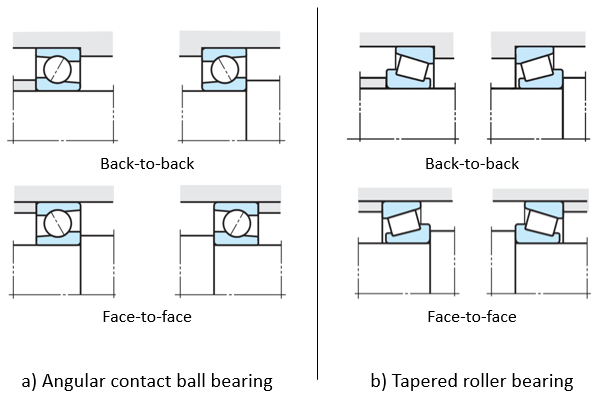
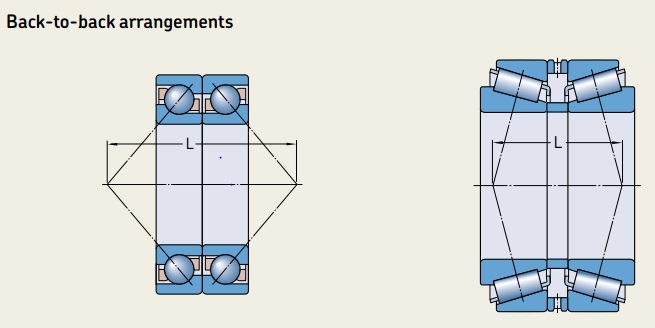
In back to back mounting, bearings face outward. The wide spacing between bearings creates good rigidity. This setup resists tilting forces well. It supports axial loads from both directions. Machines needing high stability often use this method.
Credit: koyo.jtekt.co.jp
Load Handling Characteristics
The back to back mounting of a taper bearing offers unique load handling traits. This setup arranges two bearings with their wide ends facing outward. Such positioning creates a strong and stable system. It improves the bearing’s ability to handle different types of loads effectively.
Understanding these load handling characteristics helps in choosing the right bearing setup. It also ensures better performance and longer bearing life.
Axial Load Capacity
Back to back mounting provides excellent axial load capacity. The bearings support forces pushing along the shaft’s axis. This design spreads the axial load evenly. It allows the bearing to handle higher axial forces than other mountings. This makes it ideal for applications with heavy thrust loads.
Radial Load Support
This mounting also offers strong radial load support. Radial loads act perpendicular to the shaft. The tapered rollers in the bearing can carry large radial forces. The back to back setup helps balance these forces on both sides. It keeps the bearing stable under heavy radial pressure.
Moment Load Resistance
The back to back mounting resists moment loads well. Moment loads cause bending or tilting forces on the bearing. This arrangement creates a wide base that counters these moments. It reduces shaft deflection and improves machine accuracy. This feature is vital in applications with high bending forces.
Alignment And Rigidity
Alignment and rigidity are key for back to back mounting of taper bearings. Proper alignment ensures smooth operation and longer bearing life. Rigidity helps keep the shafts stable under load and prevents unwanted movement. Together, they improve machine performance and reduce maintenance needs.
Shaft Alignment Benefits
Back to back mounting allows better control of shaft alignment. The bearings face outward, which balances axial forces. This setup keeps the shaft steady and aligned during rotation. It reduces wear on bearing parts and connected components. Precise alignment lowers vibration and noise in machines.
Housing Support
The housing supports the bearings firmly in back to back mounting. It provides a strong base to hold the bearings in place. This support helps maintain the correct bearing position under pressure. A solid housing reduces the risk of misalignment from shocks or heavy loads. It also improves the overall lifespan of the bearing assembly.
Stiffness Comparison
Back to back mounting offers greater stiffness than other arrangements. The opposing bearing faces resist bending and tilting forces better. This stiffness is vital for machines with heavy axial loads. It keeps the shaft rigid and stable during operation. Higher stiffness means better precision and less wear over time.
Installation Process
The installation process of back to back mounting for taper bearings requires careful steps. Proper installation ensures the bearing works well and lasts longer. Each stage demands attention to detail and precision.
This method places two bearings with their wide sides facing outward. It handles axial loads in both directions effectively. Follow the steps below to install the bearing correctly.
Preparation Steps
Clean all parts thoroughly before starting. Remove dirt, grease, and old grease from the bearing and housing. Check the shaft and housing for any damage or wear. Use proper tools to avoid harming the bearing. Prepare the lubricant as per the manufacturer’s instructions. Ensure the working area is clean and dry.
Mounting Techniques
Place the first bearing on the shaft with the taper side inward. Use a heating method if needed to expand the bearing slightly. Slide the bearing carefully without force to avoid damage. Next, fit the second bearing back to back against the first. Adjust the bearings to the correct preload or clearance. Use a torque wrench to tighten the nuts or bolts evenly. Check alignment and rotation smoothly after mounting.
Common Mistakes To Avoid
Do not apply too much force when fitting the bearings. Avoid using hammers or improper tools. Never skip cleaning the parts before installation. Do not ignore the lubrication requirements. Avoid uneven tightening of nuts or bolts. Do not forget to check bearing alignment. Avoid contamination during and after mounting. These mistakes reduce bearing life and performance.
Applications Of Back To Back Mounting
Back to back mounting of taper bearings finds use in many machines and devices. This mounting style supports heavy loads from different directions. It also helps keep shafts steady and aligned during operation. Because of these strengths, back to back mounting suits several important fields.
Industrial Machinery
In factories, machines often work under heavy pressure and speed. Back to back mounted taper bearings help these machines run smoothly. They handle both radial and thrust loads well. This makes them ideal for gearboxes, pumps, and conveyor systems. They improve machine life and reduce maintenance needs.
Automotive Uses
Cars and trucks use back to back taper bearings in their wheels and transmissions. They support heavy forces during turns and braking. This mounting type also keeps the parts aligned under stress. It helps vehicles perform better and last longer on the road.
Heavy Equipment
Construction and mining machines need strong and reliable bearings. Back to back mounting offers the needed support and durability. It handles shocks and uneven loads in machines like excavators and loaders. This ensures the equipment works safely in tough conditions.
Maintenance And Troubleshooting
Maintaining and troubleshooting a back to back mounting of taper bearings is key to its long life. Regular care keeps the bearings running smoothly and prevents costly breakdowns. Understanding how to inspect and fix common issues helps avoid downtime and expensive repairs.
Inspection Tips
Check bearings regularly for noise and vibration. Look for signs of overheating or unusual wear. Clean the area around the bearing to prevent dirt buildup. Use proper tools to measure bearing clearance and alignment. Keep records of inspection dates and findings for future reference.
Wear Patterns
Uneven wear shows possible misalignment or poor lubrication. Look for shiny or rough spots on the bearing surface. Dark discoloration means overheating or contamination. Track wear on both bearings since back to back setups share load. Early detection of wear patterns prevents serious damage.
Addressing Issues
Tighten loose components to reduce vibration and noise. Replace worn or damaged bearings quickly to avoid further damage. Adjust lubrication schedules if signs of dryness appear. Correct alignment problems by repositioning or shimming parts. Consult technical guides for specific torque and clearance values.
Comparison With Other Mounting Types
Back to back mounting of taper bearings offers better support against axial loads than other types. It allows higher rigidity and can handle forces from both directions effectively. Compared to face-to-face mounting, it provides improved stiffness and stability.
Back to back mounting is one way to arrange tapered bearings. It offers specific benefits and suits certain applications. To understand it better, comparing it with other types helps. Face to face and tandem mounting are common alternatives. Each has unique features and uses.
Face To Face Mounting
Face to face mounting places the bearings with their wide sides facing each other. This setup allows the bearings to handle axial loads in both directions. It provides good alignment and can tolerate slight shaft misalignments. This mounting type is often used where shock loads occur. It also offers a compact design compared to back to back.
Tandem Mounting
Tandem mounting arranges bearings side by side. Both bearings share the load equally in one direction. This type is ideal for supporting heavy axial loads in one direction only. It does not handle axial loads from the opposite direction well. Tandem mounting is common in applications requiring high thrust capacity. It also simplifies the adjustment process.
Performance Differences
Back to back mounting handles axial loads from both sides effectively. It offers high rigidity and resists tilting forces well. Face to face mounting provides good load sharing and better alignment tolerance. Tandem mounting excels in carrying heavy axial loads in one direction. Each mounting type suits different load conditions and design needs. Selecting the right type improves bearing life and machine performance.
Credit: www.pumpsandsystems.com
Frequently Asked Questions
What Is Back To Back Mounting Of Taper Bearing?
Back to back mounting places two taper bearings with their larger ends facing outward. This setup handles axial loads in both directions effectively.
Why Choose Back To Back Mounting For Taper Bearings?
It provides high rigidity and supports axial loads from both sides. This mounting improves shaft alignment and reduces bearing stress.
How Does Back To Back Mounting Affect Bearing Life?
It evenly distributes load across the bearings. This balance reduces wear and extends the overall lifespan of the bearing assembly.
Can Back To Back Mounting Handle Misalignment?
Yes, it tolerates slight misalignment better than other arrangements. This reduces stress and prevents premature bearing failure.
Conclusion
Back to back mounting of a taper bearing helps handle heavy loads. It supports axial forces in both directions. This setup improves stability and reduces shaft movement. It also spreads the load evenly across the bearings. Proper installation is key for best performance.
Understanding this helps in choosing the right bearing arrangement. Keep this method in mind for reliable and long-lasting machinery.