Have you ever flipped a light switch and nothing happened? Or maybe the light flickers on and off without warning.
These small signs could mean your light switch is bad, but how can you be sure? Knowing how to tell if a light switch is faulty can save you time, money, and frustration. You’ll discover simple ways to check your switch and what steps to take next.
Keep reading to find out how to make sure your lights work safely and smoothly every time.
Credit: rytecelectric.com
Common Symptoms Of A Bad Switch
Knowing the common signs of a bad light switch helps keep your home safe. Faulty switches can cause electrical problems or even fires. Watch for clear symptoms. Acting fast can prevent bigger issues. Here are some common signs that your light switch may be bad.
Flickering Lights
Lights that flicker or dim when you use the switch often signal a problem. This can mean loose wiring or worn-out contacts inside the switch. Flickering lights annoy and waste energy. They also warn of potential electrical faults. Check the switch if the lights do not stay steady.
Switch Feels Loose
A switch that feels loose or wobbly is not normal. The internal parts may be broken or worn down. A loose switch can cause poor contact with wires. This leads to flickering or no power at all. The switch should feel firm when you toggle it.
Burning Smell
A burning smell near the switch is a serious warning sign. It means overheating or electrical short inside the switch. This smell may come from melting plastic or wiring. Stop using the switch immediately and inspect it. A burning smell can lead to fire hazards.
Switch Does Not Stay On
When a switch does not stay in the ON position, it is faulty. It may snap back to OFF or feel stuck. This can happen due to broken internal parts or poor wiring. A switch that won’t stay on can cause lights to flicker or go out. Replace the switch to fix this problem.
Testing The Switch Safely
Testing a light switch safely is the first step to fixing electrical issues at home. Safety must come before anything else. Careful testing helps avoid shocks and damage. Follow clear steps to check the switch without risk.
Turn Off Power
Start by turning off the power to the switch. Use the circuit breaker or fuse box to cut electricity. Double-check the power is off by flipping the switch. This stops any chance of electric shock.
Use A Voltage Tester
Next, use a voltage tester to see if power is still present. Touch the tester to the switch wires. No light on the tester means no electricity. This confirms it is safe to work on the switch.
Check For Loose Wires
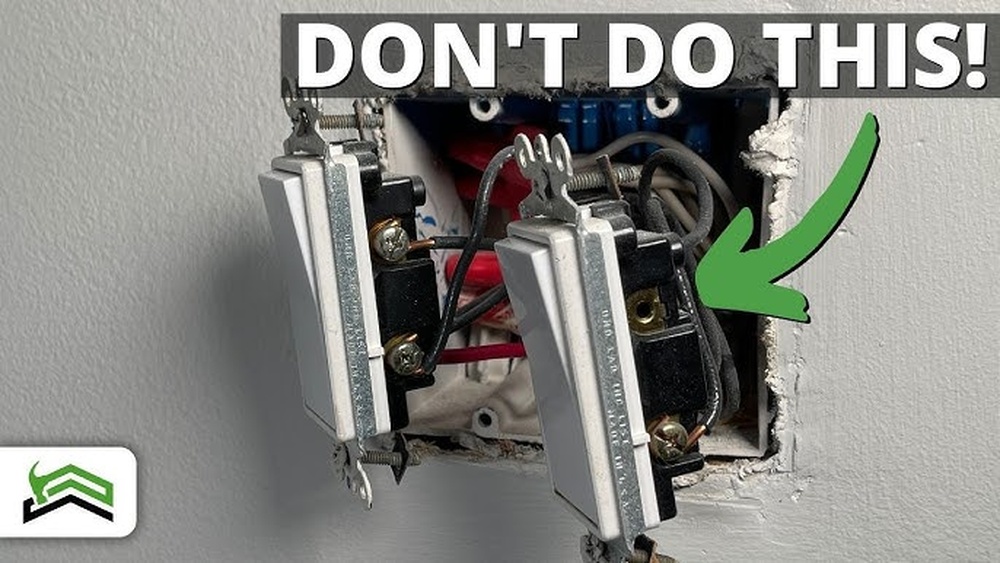
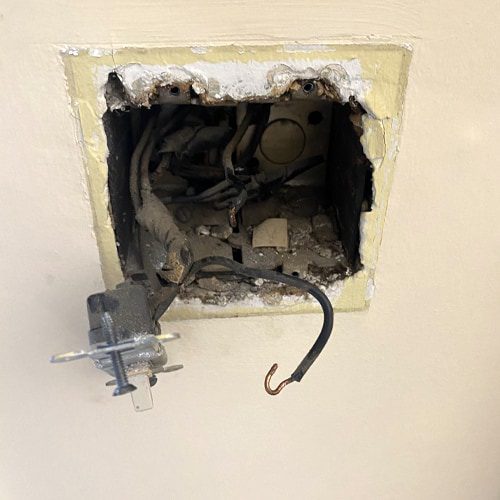
Look inside the switch box for loose or broken wires. Loose wires can cause the switch to fail. Tighten any screws holding the wires in place. Make sure all connections are secure before testing again.
When To Replace The Switch
Knowing when to replace a light switch can save you from bigger electrical problems. A bad switch can cause safety risks and annoyances. Watch for clear signs that your switch needs changing. Act quickly to keep your home safe and your lights working properly.
Signs Of Physical Damage
Cracks, burns, or melted parts on the switch show damage. Loose or broken toggle switches do not work well. Discoloration around the switch plate can mean overheating. These signs mean the switch must be replaced immediately.
Persistent Electrical Issues
The switch feels hot when touched or sparks while turning on. Lights flicker or fail to turn on consistently. Strange buzzing or crackling noises come from the switch. These issues show the switch is faulty and needs replacement.
Frequent Circuit Breaker Trips
The circuit breaker trips often after using the switch. This indicates a short circuit or wiring problem linked to the switch. Replacing the switch can stop the breaker from tripping and improve safety.
Credit: www.lexairconditioning.com
Diy Switch Replacement Tips
Replacing a light switch on your own saves time and money. It feels good to fix simple electrical problems yourself. Follow clear steps to do it safely and correctly. Use this guide for easy DIY switch replacement tips.
Gathering Tools
Start by collecting all needed tools. You will need a screwdriver, voltage tester, and wire stripper. Have electrical tape and a new switch ready. Organizing tools first makes the job smooth and quick.
Removing The Old Switch
Turn off power at the circuit breaker before touching anything. Use the voltage tester to check no electricity flows. Unscrew the switch cover plate carefully. Then unscrew the switch from the wall box. Gently pull out the switch to see the wires.
Installing The New Switch
Note how wires connect to the old switch. Attach wires to the new switch the same way. Tighten screws firmly to hold the wires. Push the switch back into the wall box. Screw the cover plate back on tightly.
Safety Precautions
Always turn off power before starting any work. Use a voltage tester to double-check power is off. Wear rubber-soled shoes and avoid wet areas. Keep tools dry and work in good light. If unsure, consult a professional electrician.
Preventing Future Switch Problems
Preventing future switch problems helps keep your home safe and functional. Simple steps can extend the life of your light switches. Regular care avoids sudden failures and costly repairs.
Regular Inspections
Check your switches often for signs of wear. Look for cracks, discoloration, or loose parts. Test the switch by turning it on and off. Early spotting of problems saves money and effort.
Avoiding Overloads
Do not connect too many devices to one switch. Overloading causes heat and damages the switch. Use switches within their rated limits. This prevents overheating and extends switch life.
Professional Maintenance
Hire an electrician to inspect your wiring and switches. Experts can spot hidden issues and fix them safely. Regular professional checks keep your electrical system reliable. Trust trained technicians for proper switch care.
Credit: shockleyelectric.com
Frequently Asked Questions
How Can I Identify A Faulty Light Switch?
A faulty light switch may cause flickering lights, no power, or a burning smell. Check for physical damage or loose wiring. If the switch feels hot or doesn’t click properly, it likely needs replacement.
What Causes A Light Switch To Stop Working?
Light switches stop working due to worn-out internal parts, loose connections, or electrical shorts. Over time, frequent use can degrade contacts inside the switch, leading to failure or intermittent operation.
Is It Safe To Test A Light Switch Myself?
Yes, but only if you turn off the power at the breaker first. Use a voltage tester to check for current. If unsure, consult a professional electrician to avoid electrical hazards.
Can A Bad Light Switch Damage My Electrical System?
A bad switch can cause short circuits or electrical arcing, which may damage wiring or fixtures. Prompt replacement prevents potential fire hazards and ensures safe, reliable operation of your lighting system.
Conclusion
A bad light switch can cause many problems at home. Testing it carefully helps keep your lights working well. Watch for flickering, buzzing, or no response. These signs show the switch may need replacing. Safety matters most—turn off power before checking.
Simple steps can save you time and money. Trust your eyes and ears to spot issues fast. Fixing a bad switch keeps your home bright and safe. Don’t wait until the problem gets worse. Act early for a smooth, well-lit space.