Are you looking for a simple, strong way to stick things together without nails or screws? Foam mounting tape might be exactly what you need.
It’s easy to use, works on many surfaces, and gives a clean, professional finish. You’ll discover how to use foam mounting tape step-by-step, so your projects stay secure and look great. Keep reading to learn the tricks that make this tape a must-have for your home, office, or creative projects.
Choosing The Right Foam Tape
Choosing the right foam mounting tape is important for a strong and lasting bond. Different projects need different types of tape. Picking the wrong tape can cause poor adhesion or damage surfaces. Consider the surface, thickness, and adhesive strength before buying.
Types Of Foam Tapes
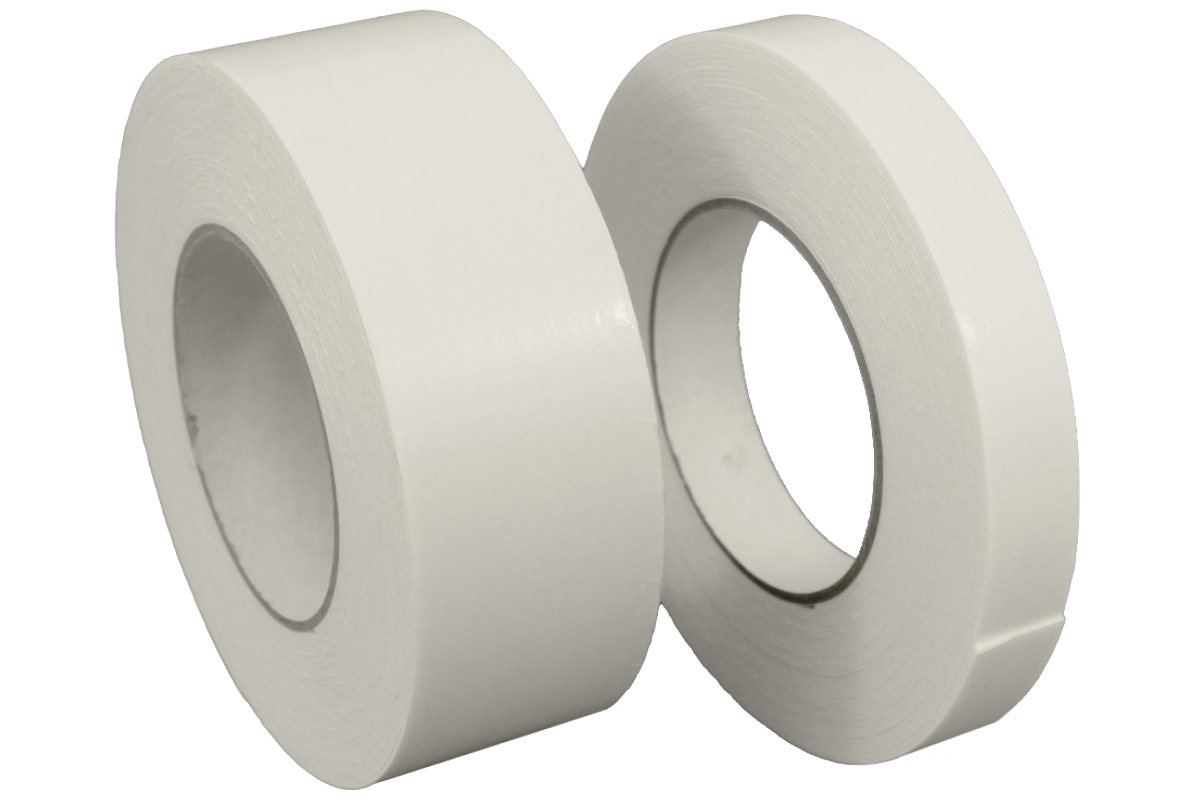
Foam tapes come in many types. Some are made from polyethylene, others from polyurethane or acrylic foam. Each type has unique qualities. Polyethylene foam tape is good for light indoor use. Polyurethane foam tape offers more cushioning. Acrylic foam tape is strong and durable, ideal for outdoor use.
Selecting Based On Surface
Different surfaces need different tapes. Smooth surfaces like glass or metal need tapes with strong adhesive. Rough or uneven surfaces require thicker foam tape to fill gaps. Some tapes work well on painted walls. Others suit plastic or wood better. Match the tape to the surface for best results.
Considering Thickness And Adhesive Strength
Thickness affects how well the tape sticks and absorbs shock. Thin tapes work for flat, smooth surfaces. Thick tapes offer better cushioning for uneven surfaces. Adhesive strength varies by tape. Strong adhesives hold heavier items. Light adhesives are easier to remove without damage. Choose thickness and strength based on your project needs.

Credit: xfasten.com
Preparing Surfaces For Application
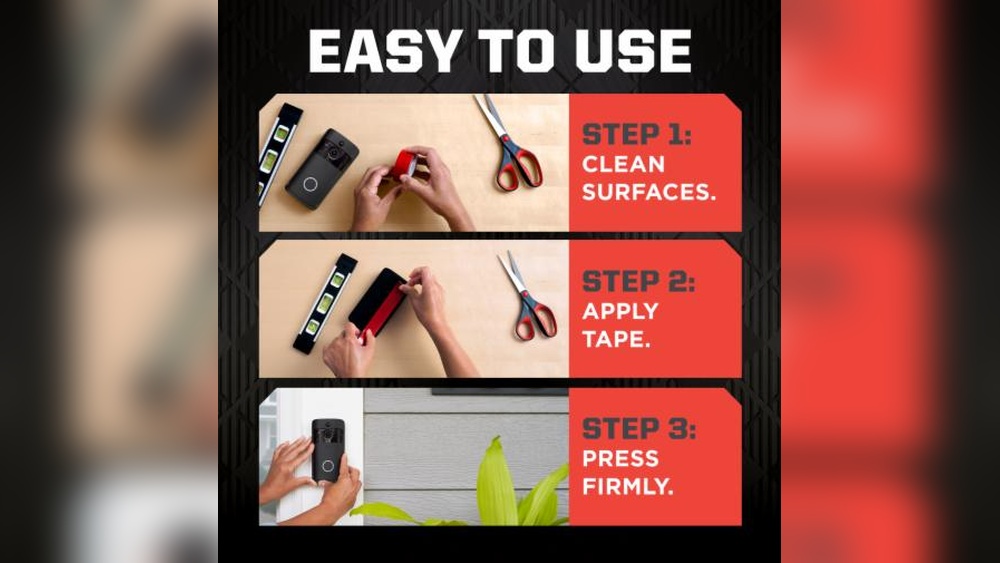
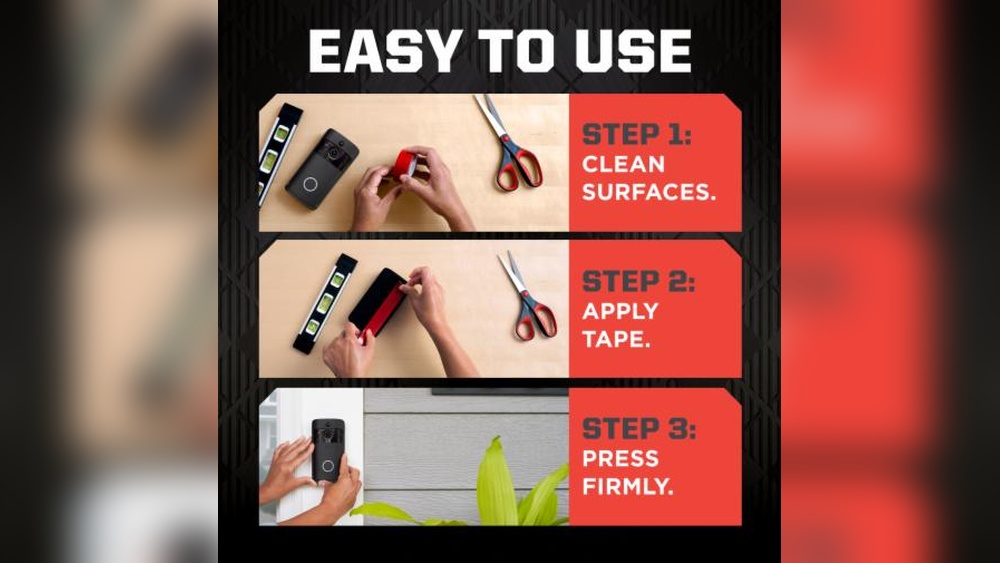
Preparing surfaces before applying foam mounting tape is key for a strong hold. Clean, dry, and smooth surfaces help the tape stick better. Avoid dirt and moisture to keep the bond secure. Follow these simple steps for the best results.
Cleaning And Drying Surfaces
Remove all dust and dirt from the area. Use a cloth with mild soap and water. Wipe the surface gently but thoroughly. Let the surface dry completely before applying tape. Moisture weakens the tape’s adhesive power.
Ensuring Smoothness And Flatness
Check the surface for bumps or rough spots. Sand down any uneven areas with fine sandpaper. A flat surface ensures full contact with the tape. This helps the tape stick firmly and evenly.
Avoiding Contaminants
Keep oil, grease, and wax away from the surface. Use rubbing alcohol on a cloth to remove these residues. Contaminants block the adhesive and reduce sticking power. Clean hands also prevent transferring dirt to the tape.
Applying Foam Mounting Tape
Applying foam mounting tape is easy with the right steps. This tape works well for sticking objects on different surfaces. Proper application ensures strong and lasting adhesion. Follow simple steps for the best results.
Measuring And Cutting Tape
Start by measuring the area where you will place the tape. Use a ruler or tape measure for accuracy. Cut the tape with scissors to match the needed length. Avoid cutting too much or too little tape. Cutting tape into smaller pieces can help for uneven surfaces.
Positioning Tape Correctly
Peel off the tape’s backing carefully. Place the tape on the clean, dry surface. Align it straight to avoid wrinkles or air bubbles. Press the tape lightly to hold it in place. Double-check the position before pressing firmly.
Pressing For Maximum Adhesion
Use your fingers or a flat object to press the tape. Apply firm, even pressure across the tape’s surface. Hold the pressure for at least 30 seconds. This helps the tape bond strongly to the surface. Avoid moving the tape after pressing for best results.
Credit: t-iss.com
Common Mistakes To Avoid
Using foam mounting tape seems simple, but many people make mistakes. These errors reduce the tape’s hold and cause frustration. Avoiding common mistakes ensures the tape sticks well and lasts longer.
Using On Unsuitable Surfaces
Foam mounting tape does not stick well to rough or dusty surfaces. Avoid using it on brick, concrete, or textured walls. Smooth, clean surfaces like glass, metal, or polished wood work best. Check the surface before applying the tape.
Applying On Wet Or Dirty Areas
Wet or dirty surfaces stop the tape from sticking firmly. Always clean the area with a dry cloth before use. Let wet surfaces dry fully. Dirt and moisture create gaps between the tape and surface, weakening the bond.
Overstretching The Tape
Do not pull the tape too hard when applying. Overstretching can cause the tape to lose its grip. Apply the tape gently and press firmly for a strong hold. Keep the tape at its original length for best results.
Enhancing Bond Strength
Enhancing the bond strength of foam mounting tape helps ensure a secure and lasting hold. Proper techniques increase the tape’s effectiveness. These methods are easy to follow and improve the tape’s grip on surfaces.
Using Heat To Activate Adhesive
Applying gentle heat softens the adhesive on foam tape. Use a hairdryer or heat gun on low setting. Warm adhesive sticks better to uneven surfaces. Heat helps the tape form a tighter bond quickly.
Allowing Proper Curing Time
Let the tape rest after application. Give it time to settle and bond fully. The adhesive needs hours to cure completely. Avoid disturbing the taped area during this time for best results.
Combining With Other Fasteners
Use screws, nails, or clips with foam tape for extra hold. This is useful for heavy or outdoor items. Combining fasteners prevents movement and strengthens the overall bond. It offers more security than tape alone.
Credit: www.officedepot.com
Removing Foam Mounting Tape
Removing foam mounting tape can be tricky without harming surfaces. The tape sticks strong and leaves sticky residue behind. Following safe and careful steps helps to remove it cleanly. This section explains how to remove foam mounting tape safely, clean leftover residue, and protect surfaces.
Safe Removal Techniques
Start by peeling the tape slowly from one corner. Pull it back gently at a low angle. Avoid ripping or pulling too hard. Use a hairdryer on low heat to soften the adhesive. Heat makes the tape easier to remove. If the tape breaks, use a plastic scraper to lift edges. Metal tools can scratch or damage surfaces.
Cleaning Residue
After removing the tape, sticky residue may remain. Use rubbing alcohol or adhesive remover on a soft cloth. Rub gently in circular motions to dissolve residue. Avoid harsh chemicals that can harm paint or finishes. Warm soapy water can also clean small sticky spots. Dry the area well after cleaning.
Preventing Surface Damage
Test removal methods on a hidden spot first. Some surfaces are sensitive to heat or chemicals. Always use plastic tools instead of metal. Work slowly to avoid peeling paint or finish. Avoid strong scrubbing that can scratch surfaces. Taking time helps keep surfaces intact and clean.
Frequently Asked Questions
What Surfaces Work Best With Foam Mounting Tape?
Foam mounting tape adheres well to clean, dry, and smooth surfaces like glass, metal, and painted walls. Avoid rough or dusty areas for better bonding. Proper surface preparation ensures strong, long-lasting adhesion.
How Long Does Foam Mounting Tape Hold?
Foam mounting tape can hold items securely for months to years, depending on weight and conditions. It’s ideal for lightweight decorations and signs but may weaken under heavy loads or extreme weather.
Can Foam Mounting Tape Be Removed Easily?
Yes, foam mounting tape can be removed, but some adhesive residue may remain. Use heat or adhesive remover for clean removal without damaging surfaces. Always peel slowly to avoid surface damage.
Is Foam Mounting Tape Waterproof?
Most foam mounting tapes are water-resistant but not fully waterproof. They can handle minor moisture but are not suitable for prolonged water exposure. Check product specs for outdoor or wet area use.
Conclusion
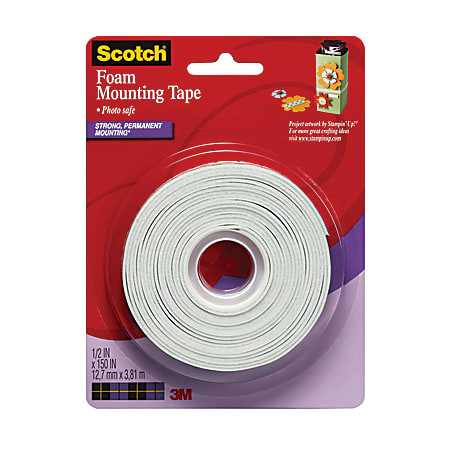
Foam mounting tape offers a simple way to attach items securely. It sticks well to many surfaces and fills gaps. Cut the tape to the size you need. Press firmly for a strong bond that lasts. Clean surfaces before applying to get the best hold.
This tape works great for crafts, repairs, and decorations. Try it yourself to see how easy it is. Small projects become neater and faster with foam tape. A handy tool for quick and tidy fixes.