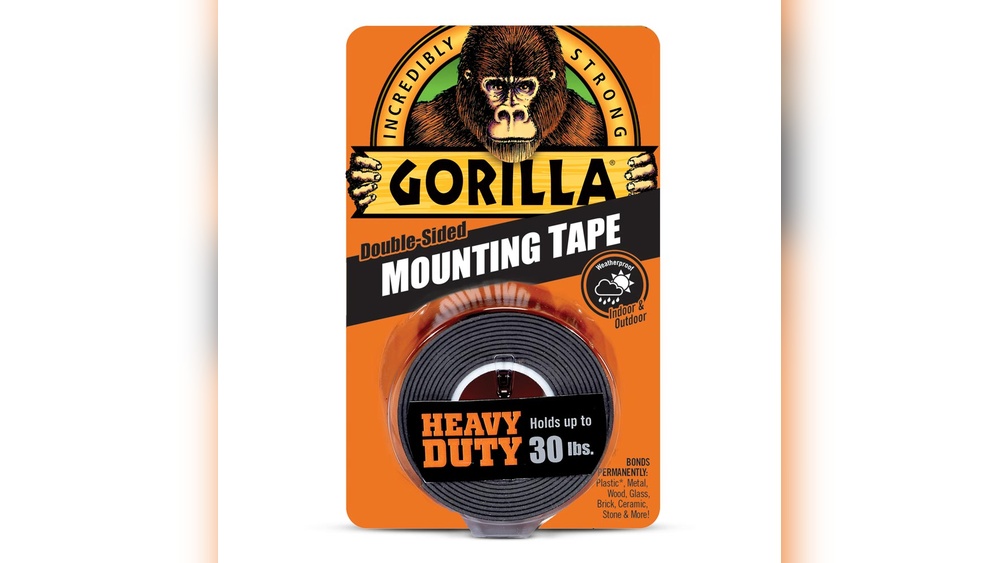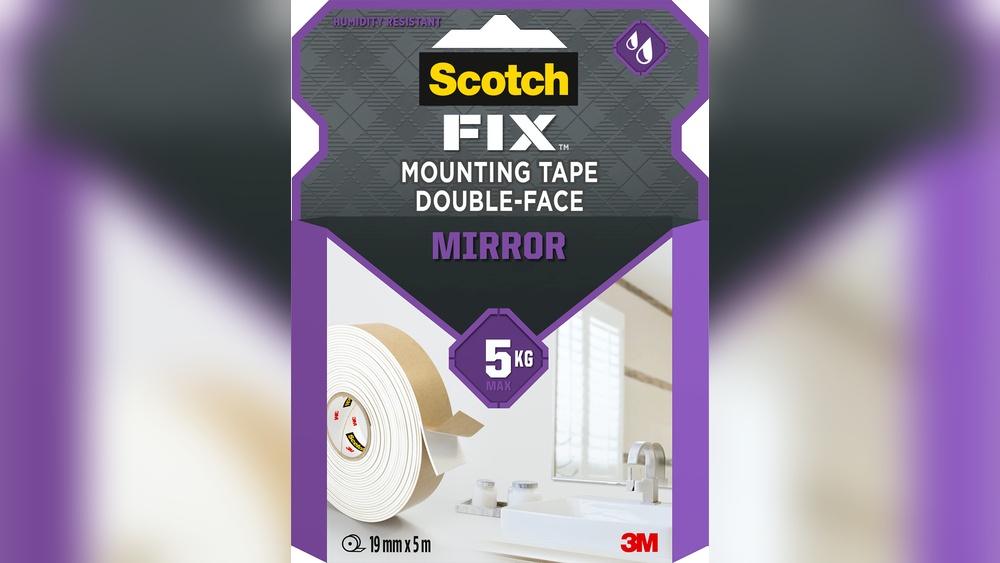
You’ve stuck mounting tape on your plastic surface, and now it’s time to remove it. But the tape won’t budge, and you’re worried about damaging your plastic.
Sound familiar? Removing mounting tape can be tricky, but with the right methods, you can get rid of it quickly and safely. You’ll discover simple, effective ways to remove mounting tape from plastic without leaving sticky residue or scratches. Keep reading—you’ll find easy tips that save you time and frustration.
Types Of Mounting Tape
Mounting tape comes in different types. Each type works best on certain surfaces and uses. Knowing the types helps in removing tape from plastic without damage. Some tapes are thick, some clear, and some stick very strong. Understanding their features makes removal easier and safer.
Double-sided Foam Tape
This tape is thick and soft. It sticks well to uneven surfaces. Foam tape holds heavy items tightly. It can leave residue on plastic. Removing it needs care to avoid scratches. Warm the tape to soften the glue. Then peel it slowly for best results.
Clear Acrylic Tape
Clear acrylic tape looks like plastic. It is thin but very strong. This tape is good for smooth surfaces. It does not show behind items. Acrylic tape can leave sticky marks. Use gentle heat or rubbing alcohol to remove it. Avoid using sharp tools that can scratch plastic.
Removable Vs Permanent Tape
Removable tape is made to peel off easily. It leaves little or no residue behind. Permanent tape sticks very tightly. It can damage plastic if pulled hard. Choosing removable tape is best for temporary use. For permanent holds, expect harder removal steps. Knowing the tape type saves time and effort.
Preparation Before Removal
Before removing mounting tape from plastic, preparation is key. Proper preparation helps protect the plastic surface. It also makes the removal process easier and safer. Taking time to prepare reduces the chance of damage or residue left behind.
Gathering Necessary Tools
Collect all tools needed before starting. Common tools include a plastic scraper, rubbing alcohol, soft cloth, and warm soapy water. Avoid metal tools that can scratch plastic. Having everything ready saves time and prevents frustration.
Testing On A Small Area
Test any cleaner or method on a small hidden spot. This checks if the plastic reacts badly. Look for discoloration, melting, or softening. Testing first keeps the plastic safe from damage. It also shows if the removal method works well.
Gentle Removal Techniques
Removing mounting tape from plastic needs care. Harsh scraping can damage the surface. Gentle removal methods work best to protect your items. These techniques reduce the risk of scratches and marks.
Peeling Slowly By Hand
Start by lifting a corner of the tape gently. Use your fingers to pull the tape back slowly. Pulling too fast may leave sticky residue. Slow peeling helps the tape come off in one piece. This method takes patience but is safe for plastic surfaces.
Using Dental Floss Or Fishing Line
Slide a piece of dental floss or fishing line under the tape edge. Move it back and forth like a saw. This action cuts the tape without scratching plastic. Hold the floss tight to control the motion. This technique is effective for tight spots and delicate areas.
Credit: www.reddit.com
Heat Methods To Soften Adhesive
Heat is a great way to soften mounting tape adhesive on plastic surfaces. It makes the tape easier to peel off without leaving sticky residue. Applying gentle heat loosens the glue’s grip. This method is safe and effective when done carefully.
Applying A Hair Dryer
Start by setting your hair dryer to a medium heat. Hold it a few inches away from the tape. Move the dryer in small circles over the tape. Heat the area for about 30 seconds. This softens the adhesive and makes it less sticky. Then, try peeling the tape slowly. Use your fingers or a plastic scraper. Repeat heating if needed until the tape comes off easily.
Using A Heat Gun Safely
Heat guns produce more heat than hair dryers. Use the lowest heat setting to avoid damaging plastic. Keep the heat gun moving constantly. Do not hold it in one spot too long. Stay at least 6 inches away from the surface. Heat the tape evenly until it feels soft. Then, gently lift the tape edges. Use a plastic tool to help peel it off. Always wear gloves to protect your hands from heat. Work in a well-ventilated area to avoid inhaling fumes.
Adhesive Residue Removal
Removing adhesive residue from plastic can be tricky. The sticky leftovers from mounting tape often stay stubbornly attached. Cleaning this residue carefully protects the plastic surface. Using gentle methods helps avoid scratches or damage. Below are effective ways to get rid of adhesive residue safely.
Using Rubbing Alcohol
Rubbing alcohol breaks down sticky glue quickly. Soak a cotton ball or cloth with rubbing alcohol. Rub the residue gently in small circles. Let the alcohol sit for a few minutes. Wipe away softened adhesive with a clean cloth. Repeat if needed until all residue disappears.
Applying Vinegar Or Citrus-based Cleaners
White vinegar or citrus cleaners help dissolve glue. Apply vinegar or cleaner with a soft cloth. Allow it to rest on the sticky area for several minutes. Use gentle pressure to scrub the residue. Rinse the plastic with water to remove leftover cleaner. These natural options work well for light adhesive.
Commercial Adhesive Removers
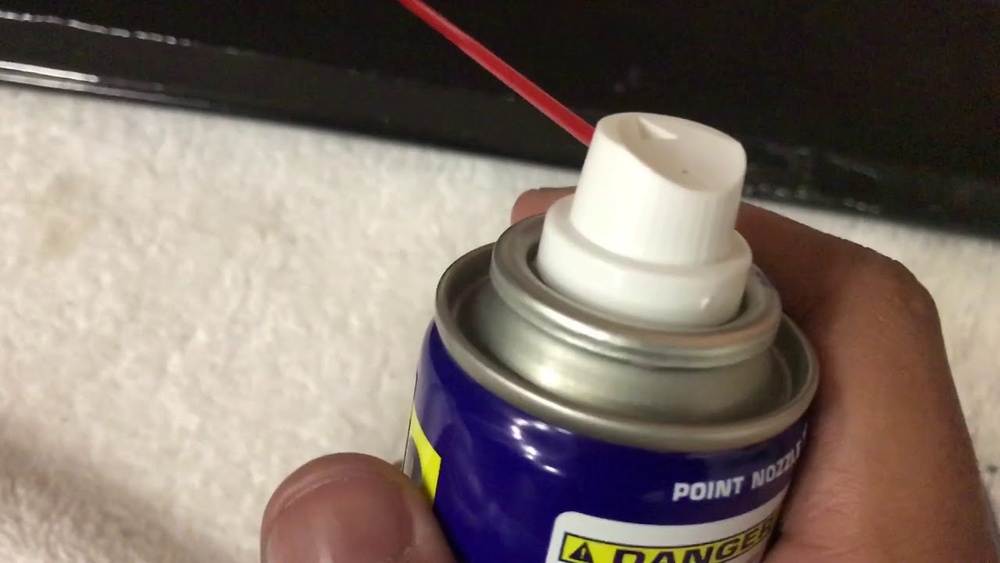
Special adhesive removers target tough sticky residues. Choose one safe for plastic surfaces. Follow the product instructions carefully. Usually, apply the remover, wait briefly, then wipe off. Test on a small area first to avoid damage. Commercial removers work best for stubborn or old glue.

Credit: www.youtube.com
Avoiding Damage To Plastic Surfaces
Removing mounting tape from plastic surfaces needs care. Plastic can scratch or melt easily. Avoid harsh tools or strong chemicals. These can leave marks or cause permanent damage. The goal is to remove tape without hurting the plastic’s look or strength.
Choosing The Right Solvent
Pick a solvent that is safe for plastic. Rubbing alcohol or warm soapy water often work well. Avoid acetone or paint thinner. These liquids can soften or crack plastic. Use small amounts and apply gently. Always follow product instructions for safe use.
Testing Cleaning Solutions First
Test the solvent on a hidden area first. This shows how the plastic reacts. Wait a few minutes to check for damage. If the plastic changes color or texture, do not use that solvent. Try a milder option or use a different method. Testing prevents costly mistakes and keeps plastic safe.
Tips For Stubborn Tape Removal
Removing mounting tape from plastic can be tricky. Some tape leaves behind sticky residue or tears into small pieces. Patience and the right methods help make removal easier. These tips focus on handling tough tape without damaging the plastic surface.
Reapplying Heat And Gentle Scraping
Heat softens the adhesive, making tape easier to peel. Use a hairdryer on low heat and warm the tape for a few seconds. Avoid overheating to protect the plastic. Once warm, gently lift an edge of the tape with your fingernail or a soft tool. Slowly peel it back. If tape sticks, reapply heat and try again.
Using Plastic Scrapers Or Credit Cards
Metal tools can scratch plastic. Use a plastic scraper or an old credit card instead. Slide the edge under the tape or residue carefully. Work in small sections and push the scraper at a low angle. This lifts the tape without damaging the surface. Clean the area with mild soap and water after scraping.

Credit: www.reddit.com
Preventing Future Tape Residue
Preventing tape residue on plastic saves time and effort. It keeps surfaces clean and damage-free. Taking simple steps before applying mounting tape helps avoid sticky mess later. Choosing the right tape and applying it properly makes a big difference.
Selecting Removable Mounting Tapes
Choose tapes labeled as removable or low residue. These tapes peel off easily without leaving glue. Look for tapes designed for plastic surfaces. Test a small piece first to check if it leaves marks. Avoid strong adhesives meant for permanent bonds.
Proper Application Techniques
Clean the plastic surface before applying tape. Dirt or dust can increase residue left behind. Press the tape down firmly but avoid stretching it. Stretching can weaken the tape and cause sticky residue. Remove tape slowly and at a sharp angle for less residue.
Frequently Asked Questions
How Do I Safely Remove Mounting Tape From Plastic?
Use a hairdryer to warm the tape, softening the adhesive. Gently peel the tape off using your fingers or a plastic scraper to avoid scratching the plastic surface.
What Household Items Help Remove Mounting Tape Residue?
Rubbing alcohol, vinegar, or warm soapy water effectively dissolve adhesive residue. Apply with a cloth, rub gently, then wipe clean for a residue-free finish.
Can I Use Heat To Remove Mounting Tape From Plastic?
Yes, applying gentle heat with a hairdryer softens the adhesive. This makes the tape easier to peel off without damaging the plastic surface.
How To Avoid Plastic Damage When Removing Mounting Tape?
Always use gentle tools like plastic scrapers or your fingers. Avoid metal tools or harsh chemicals that can scratch or discolor the plastic.
Conclusion
Removing mounting tape from plastic does not have to be hard. Use gentle heat or oil to loosen the adhesive. Peel slowly to avoid damage. Clean any sticky residue with soap and water. Patience helps prevent scratches or marks. With care, your plastic surface will look clean again.
Try these simple steps next time you need to remove tape.