Thinking about installing a new light or switch in your home? You probably want to know one key thing right away: how much is it going to cost you?
Understanding the price can help you plan your budget and avoid surprises. Whether you’re upgrading your lighting or adding convenience with a new switch, the cost can vary a lot depending on a few simple factors. You’ll discover exactly what affects the price and how to get the best value for your money.
Keep reading, and you’ll feel confident making the right choice for your home and wallet.
Factors Affecting Installation Cost
Several factors affect the cost of installing new lights and switches. Understanding these can help you plan your budget better. Each element plays a role in the final price you pay. Let’s explore the main factors below.
Type Of Light Fixture
The kind of light fixture you choose impacts installation costs. Simple fixtures like basic ceiling lights usually cost less. Fancy fixtures, such as chandeliers or recessed lights, need more work. These require more time and skill, raising the price.
Switch Variety
Switch types vary widely in price and complexity. Basic on/off switches are cheaper and easier to install. Dimmer switches or smart switches cost more and need careful wiring. The more features a switch has, the higher the installation cost.
Labor Rates
Electrician labor rates differ by location and experience. Urban areas often have higher labor costs than rural ones. Skilled electricians may charge more but ensure quality work. Labor charges usually make up a large part of the total cost.
Home Wiring Condition
Old or faulty wiring increases installation costs. Electricians may need to repair or replace wiring before installation. New homes with updated wiring are easier and cheaper to work on. Wiring issues add time and materials to the job.
Location And Accessibility
The place where you install lights or switches matters. Hard-to-reach spots require more effort and tools. Outdoor or ceiling installations often cost more due to difficulty. Easy access saves time and lowers the price.
Cost Breakdown For Light Installation
Understanding the cost of installing new lights and switches helps plan your budget well. Prices vary by light type and installation complexity. Labor, materials, and location affect the total cost. Below is a clear breakdown of common lighting installations to guide you.
Basic Ceiling Lights
Basic ceiling lights are the easiest to install. They usually cost between $100 and $200. This price includes the fixture and labor. Installation time is short, around one hour. If new wiring is needed, expect a higher cost.
Chandeliers And Pendant Lights
Chandeliers and pendant lights cost more due to size and weight. Installation ranges from $150 to $400. Electricians spend more time securing and wiring these fixtures. Ceiling reinforcement may add to the cost. Complex designs require careful handling.
Recessed Lighting
Recessed lights need holes cut in the ceiling. This adds to labor and time. Installation costs range from $125 to $300 per light. Multiple lights increase the total price significantly. Wiring and ceiling type affect the final cost.
Outdoor Lighting
Outdoor lighting installation costs vary widely. Simple fixtures start around $150. Complex systems with sensors or timers cost up to $500. Weatherproofing and safety measures add to the price. Location and distance from power source matter.
Switch Installation Prices
Switch installation prices vary based on type and complexity. Knowing the costs helps plan your budget better. Basic switches cost less, while smart or multi-way switches need more work.
Electricians charge for labor and materials. Some switches take more time to install. The price includes wiring, mounting, and testing the switch.
Standard Switches
Standard switches are the most common type in homes. Installing a basic switch usually costs between $50 and $100. The price depends on the electrician’s rate and your location. Installation is simple and quick. It often takes less than an hour. Standard switches control one light or device from one spot.
Dimmer And Smart Switches
Dimmer switches let you adjust light brightness. They cost more to install than standard switches. Prices range from $100 to $200. Smart switches connect to Wi-Fi or smart devices. They allow remote control and scheduling. Installation may take longer due to extra wiring and setup. Expect to pay $150 to $300 for smart switch installation.
Multi-way Switches
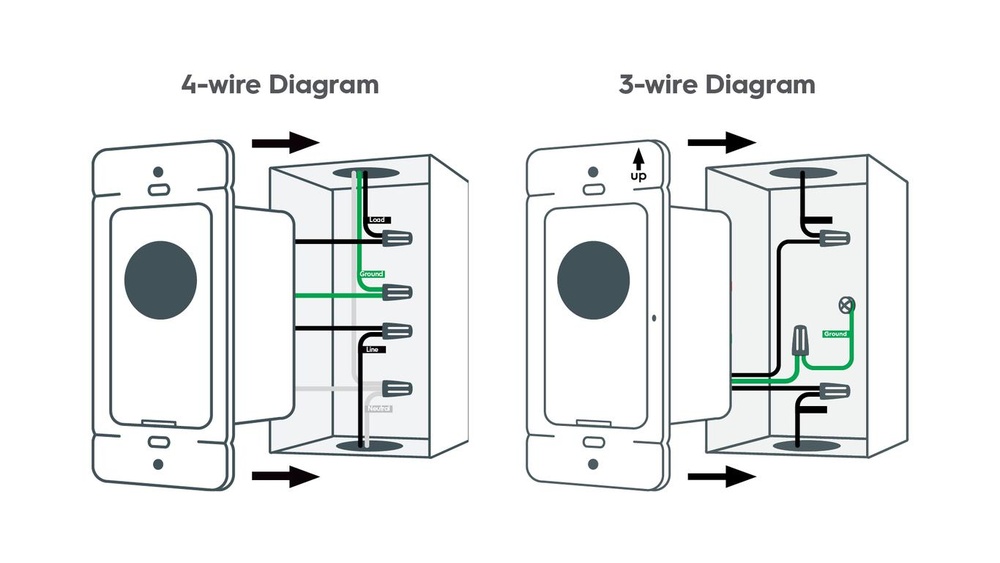
Multi-way switches control a light from two or more locations. They are common in hallways and large rooms. Installation costs range from $120 to $250. More wiring is needed to link multiple switches. This adds to labor time and price. Electricians ensure all switches work correctly together. Multi-way switch installation is more complex than single switches.
Credit: www.protolusa.com
Diy Vs Professional Installation
Deciding between installing a new light and switch yourself or hiring a professional electrician depends on several factors. Both options have pros and cons that affect cost, safety, and time. Knowing what each choice involves helps you make the right decision for your home and budget.
Safety Considerations
Electricity is dangerous if handled wrongly. Small mistakes can cause shocks or fires. Professionals know local codes and safety rules. They use proper gear and check their work thoroughly. DIY projects increase the risk of accidents. Always prioritize safety when dealing with electrical work.
Tools And Skills Needed
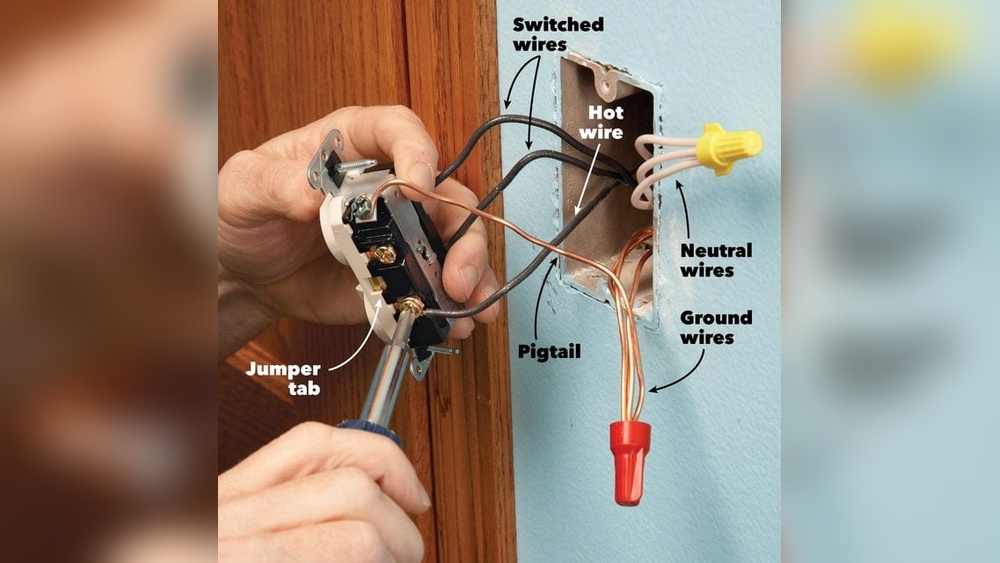
Installing lights and switches requires specific tools like wire strippers, voltage testers, and screwdrivers. Basic wiring knowledge is essential. Understanding electrical circuits helps avoid errors. Professionals have experience and all the right tools. DIY beginners might struggle without this background. Lack of skill can lead to poor installation or damage.
When To Hire An Electrician
Hire a pro for complex wiring or older homes. If the job involves new circuits or breaker panels, call an electrician. Also, if local laws require a permit, a licensed worker must do the job. When unsure about safety or rules, a professional is best. This saves money on repairs and keeps your home safe.
Saving Tips On Installation Costs
Saving money on installing new lights and switches is possible. Small steps help reduce overall costs without cutting quality. Focus on smart planning and choices to keep expenses low. Here are some practical tips to save on installation costs.
Bundling Multiple Installations
Combine several light or switch installations at once. Electricians often charge less for multiple jobs in one visit. Grouping projects saves on labor fees and time. Plan all needed installations before hiring a professional. This method cuts down repeated service calls and lowers total cost.
Choosing Energy-efficient Fixtures
Pick LED lights and modern switches that use less power. Energy-efficient fixtures cost less to run over time. They last longer, reducing replacement frequency. Though initial cost may be higher, savings on electricity bills balance it out. Choose products with good reviews and energy ratings to get the best value.
Comparing Quotes
Get price estimates from several electricians before deciding. Comparing quotes helps find fair pricing and avoid overpaying. Ask about labor, materials, and extra charges clearly. Check reviews and credentials to ensure quality work. A little research can lead to big savings on installation costs.
:max_bytes(150000):strip_icc()/how-to-wire-and-install-single-pole-switches-1152330-05-2de77af170364a6fb3846f30634a5cd3.jpg)
Credit: www.thespruce.com
Additional Expenses To Consider
Installing new lights and switches may cost more than just the parts and labor. Some extra expenses can affect your total budget. Knowing these costs helps you plan better and avoid surprises.
Permits And Inspections
Many local laws require permits before electrical work starts. Permits ensure the work is safe and meets rules. You might pay a fee to get a permit. After installation, an inspection checks if the work was done right. Inspection fees can add to your costs.
Upgrading Electrical Panels
Old electrical panels may not handle new lights or switches. You might need an upgrade to support more power. Panel upgrades involve buying new parts and hiring an electrician. This work can be costly but improves safety and performance.
Repairing Existing Wiring
Wiring problems can appear during installation. Damaged or old wires need fixing to avoid hazards. Repairing wiring takes extra time and money. Fixing wiring ensures your new lights and switches work well without issues.

Credit: homeguide.com
Frequently Asked Questions
How Much Does It Cost To Install A New Light Fixture?
Installing a new light fixture typically costs between $100 and $300. The price varies by fixture type and labor complexity. Additional wiring or electrical upgrades can increase costs. Hiring a licensed electrician ensures safety and compliance with local codes.
What Affects The Price Of Installing A Light Switch?
The installation cost depends on switch type, wiring complexity, and location. Simple switches cost less than dimmers or smart switches. If new wiring or electrical box installation is needed, the price rises. Labor charges vary by region and electrician expertise.
Can I Install A Light And Switch Myself?
DIY installation is possible if you have electrical knowledge and tools. However, improper installation risks safety hazards and code violations. For complex wiring or smart switches, hiring a professional is safer and often required by law.
How Long Does It Take To Install A New Light And Switch?
Installation usually takes 1 to 3 hours, depending on job complexity. Simple replacements are faster, while new wiring or fixture installation takes longer. Scheduling and inspection may add extra time. Electricians work efficiently to minimize disruption.
Conclusion
Installing a new light and switch costs vary by job size and materials. Electricians charge different rates depending on location and complexity. Simple installations may cost less, while upgrades or rewiring raise the price. Always get a clear estimate before starting work.
Good planning helps avoid surprises and extra fees. Safe electrical work protects your home and family. Choose a licensed professional for the best results. Now you know what to expect when adding new lights or switches.