Have you ever wondered how you can control one light from two different switches? Three-way light switches make this possible, but the way they work might surprise you.
Understanding these switches can save you time and money when fixing or installing lighting in your home. You’ll discover exactly how three-way switches function, why they’re useful, and how to spot the difference from regular switches. By the end, you’ll feel confident handling your lighting setup like a pro.
Keep reading to unlock the mystery behind three-way light switches!

Credit: diy.stackexchange.com
Basics Of Three Way Switches
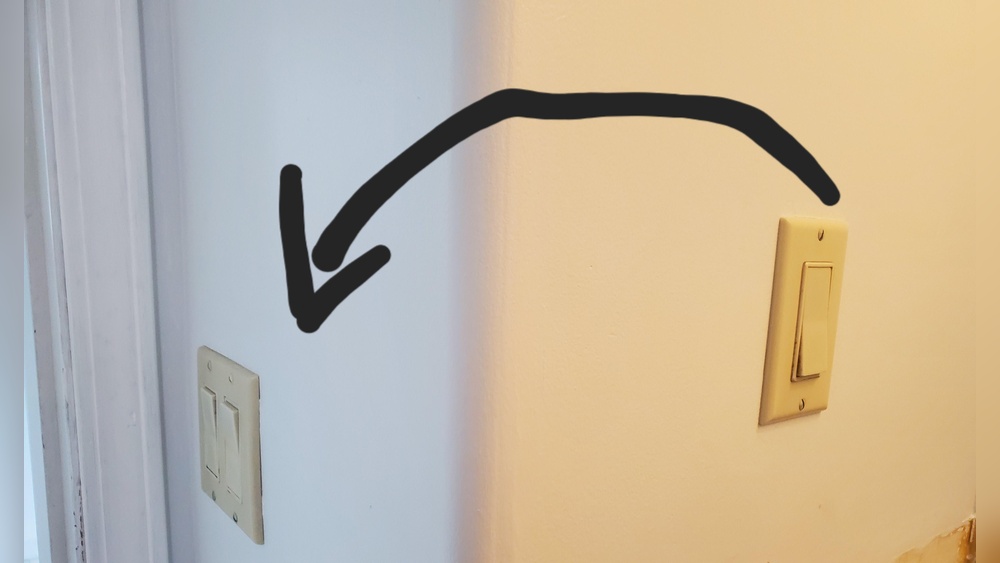
Three way switches control a single light or set of lights from two different locations. This setup adds convenience to rooms with multiple entrances or large spaces.
The switches work together to turn the light on or off from either location. This means you do not have to walk back to the first switch to turn the light off.
What Is A Three Way Switch?
A three way switch is a special kind of switch with three terminals. These terminals connect to the other switch and the light fixture.
Unlike a regular switch, it does not have an on or off label. The light can be controlled from either switch, no matter the position of the other.
Common Uses In Homes
Three way switches are common in hallways, staircases, and large rooms. They allow easy control of lights from both ends of the space.
They also improve safety by letting you turn on lights before entering a dark area. Many homes use them for convenience and better lighting control.

Credit: mepacademy.com
Components Involved
Understanding the components involved in three-way light switches helps you see how the system works. Each part plays a key role in controlling lights from two locations. Knowing these components also makes it easier to install or troubleshoot the switches.
Switch Types And Terminals
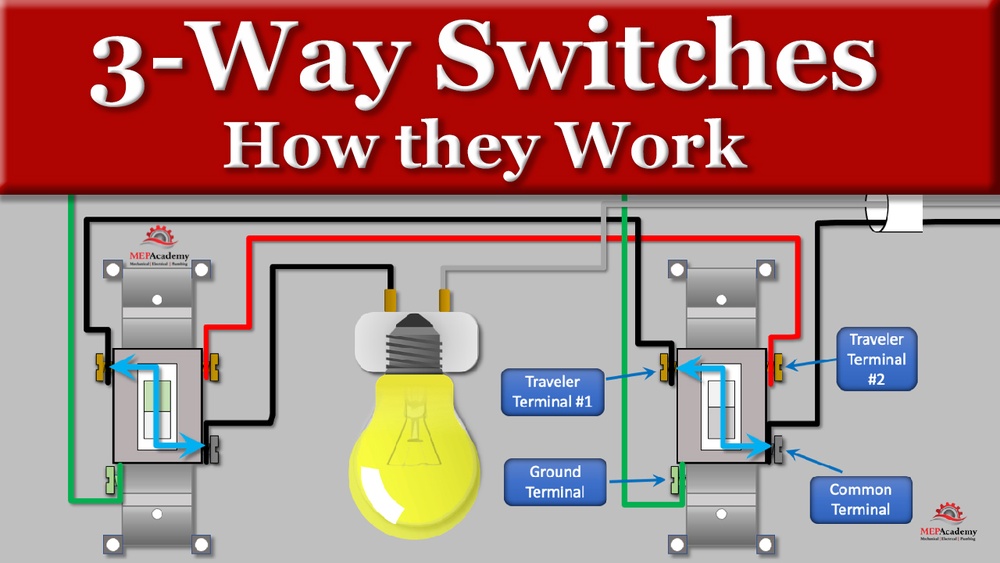
Three-way switches differ from regular single-pole switches. They have three terminals instead of two. These terminals connect the traveler wires and the common wire.
The common terminal is usually darker or labeled “COM.” It connects to the power source or the light fixture. The other two terminals are traveler terminals. They carry current between the two switches.
Each switch can change the path of electricity by opening or closing connections at these terminals. This setup allows the light to turn on or off from either switch.
Wiring Essentials
Wiring for three-way switches includes traveler wires, a common wire, and a ground wire. Traveler wires run between the two switches. They carry current back and forth.
The common wire connects the power source to the first switch or the light fixture to the second. The ground wire ensures safety by grounding the switches.
Correct wiring is crucial. It ensures the switches work together properly. Mistakes can cause the switches to fail or create safety hazards.
Wiring Configurations
Understanding the wiring configurations is key to grasping how three-way light switches work. These switches let you control one light from two different spots. The wiring inside connects these switches to the light and power source. Each wire has a special role in this setup.
Knowing the function of each wire can help you install or troubleshoot these switches safely and effectively. Let’s explore the main wiring parts that make this system work smoothly.
Traveler Wires Explained
Traveler wires connect the two switches together. Usually, there are two traveler wires between the switches. These wires carry the electrical current back and forth. They allow the switches to communicate and change the light’s state.
When you flip one switch, the traveler wires send the signal to the other switch. This action either turns the light on or off. The traveler wires are often red and black but can vary by region.
Line And Load Connections
The line wire brings power from the circuit breaker. It connects to the common terminal on the first switch. The load wire connects the second switch to the light fixture.
This setup completes the circuit, allowing electricity to flow to the light. The common terminal is usually a different color screw. Correctly identifying line and load wires is crucial for safe operation.
How The Circuit Operates
Understanding how a three-way light switch circuit operates helps you see its simple design. Two switches control one light from different spots. The circuit uses special wiring to make this work smoothly.
Switch Positions And Current Flow
Each three-way switch has two positions. The switches connect or disconnect different wires inside. This changes the path the electricity takes. When the circuit completes, the light turns on. If the path breaks, the light goes off. Electricity flows through one switch, then to the other, finally reaching the light. The switches act like gates, opening and closing the flow.
Controlling Lights From Two Locations
The main benefit is control from two places. For example, a hallway light can be turned on at one end and off at the other. Both switches send electricity along traveler wires. These wires carry current depending on switch positions. This design saves the need for extra wiring or lights. It lets you control lighting easily without walking back to one switch.
Installation Tips
Installing a three-way light switch can seem tricky. Proper steps make the job easier and safer. Follow these tips to ensure a smooth installation.
Safety Precautions
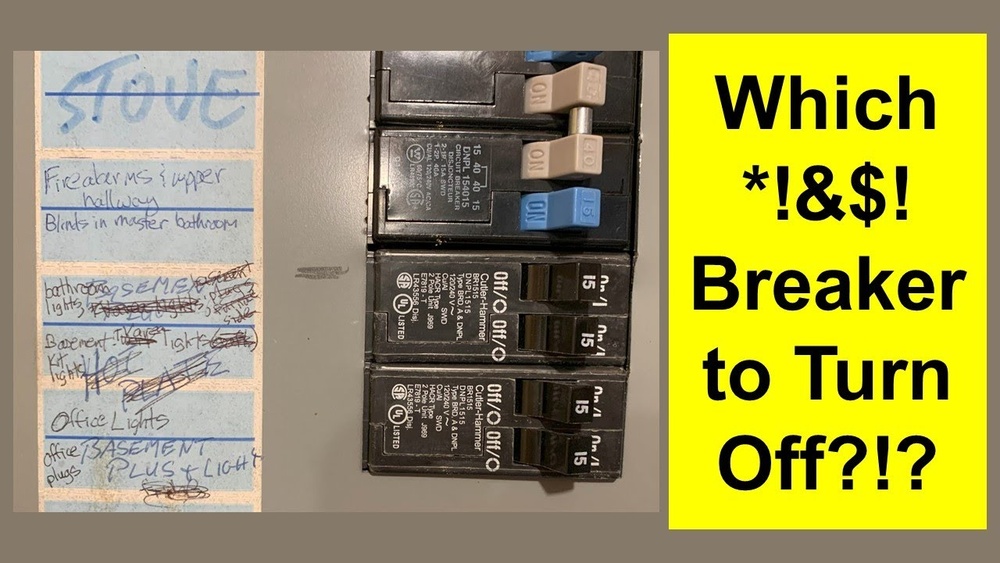
Turn off power at the circuit breaker before starting. Use a voltage tester to confirm no electricity flows. Wear insulated gloves to protect your hands. Avoid working in wet or damp areas. Keep tools organized to prevent accidents. Do not rush; take your time to avoid mistakes.
Step-by-step Wiring Guide
Begin by removing old switches and labeling wires. Identify the common wire on each switch; it connects to the power or light. Connect traveler wires between the two switches. Attach ground wires to the green terminal screws. Secure all wires tightly to avoid loose connections. Mount the switches back into the boxes. Turn the power on and test the switches carefully.

Credit: www.youtube.com
Troubleshooting Common Issues
Troubleshooting common issues with three way light switches can save time and effort. These switches let you control a light from two places. Problems can occur due to wiring or switch damage. Knowing how to identify issues helps fix them quickly.
Switch Not Working Properly
A switch may stop working due to loose connections inside. Check the screws holding the wires. Tighten any that feel loose. Sometimes, the switch itself is faulty. Replacing the switch can often solve the problem. Turn off the power before doing any work.
Light Flickering Or Not Turning On
Flickering lights usually mean a bad connection or a faulty bulb. Test the bulb in another socket first. If the bulb is fine, check the wiring at both switches. Loose wires or damaged terminals cause flickering. Make sure all wires are secure and properly connected.
Upgrading To Smart Switches
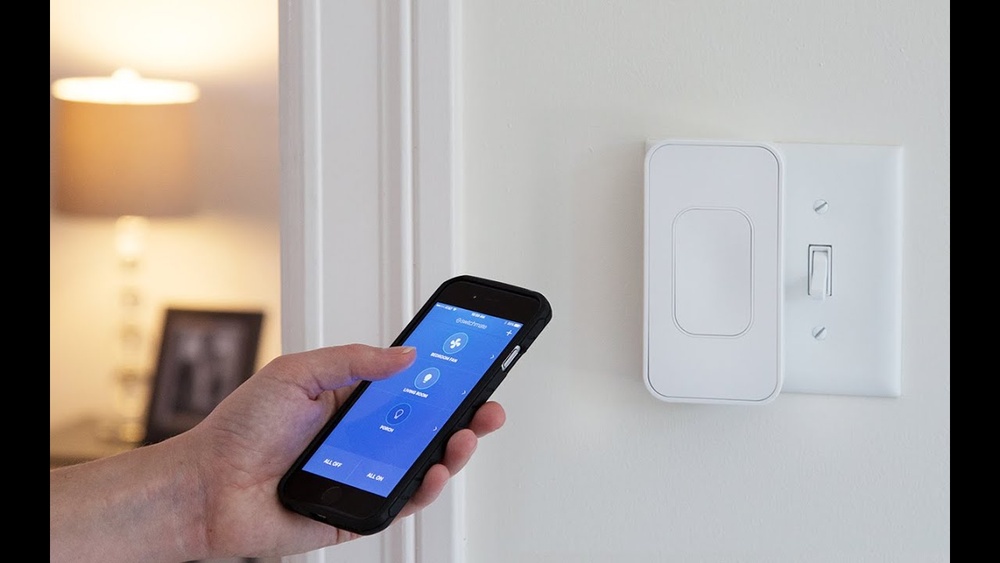
Upgrading to smart switches offers a modern way to control your home lighting. These devices bring convenience and flexibility to your existing three way light switch setup. Smart switches connect to your Wi-Fi network, allowing control from your phone or voice assistant.
Smart switches work well with traditional wiring but need proper installation. They can replace old switches without major rewiring. Many models support three way systems, making it easy to upgrade your home lighting.
Compatibility With Three Way Systems
Not all smart switches fit three way systems. Choose switches designed for multi-location control. They must connect to both switch locations and communicate wirelessly or through wiring.
Some smart switches need a neutral wire to operate. Check your home’s wiring before purchasing. Many brands offer guides to help match your setup.
Benefits Of Smart Controls
Smart switches add remote control to your lights. Turn lights on or off from anywhere using your phone. Set schedules to save energy and improve security.
Voice control works with assistants like Alexa or Google. Control lights hands-free, which is handy in many situations. Smart switches also offer dimming features for better ambiance.
Frequently Asked Questions
What Is A Three Way Light Switch?
A three way switch allows control of one light from two locations. It uses two switches connected by traveler wires to toggle the light on or off.
How Do Three Way Switches Wire Together?
Three way switches connect with a common terminal and two traveler terminals. Traveler wires run between switches, enabling power to flow through either switch.
Can Three Way Switches Control Multiple Lights?
Yes, three way switches can control multiple lights if wired correctly in parallel or series. This setup requires proper wiring to ensure all lights respond.
Why Do Three Way Switches Sometimes Flicker?
Flickering can occur due to loose connections, worn switches, or incompatible bulbs. Tightening wires or replacing switches usually fixes the issue.
Conclusion
Three way light switches let you control one light from two places. They use special wiring with travelers to connect switches. This setup helps you turn lights on or off easily. Knowing how they work makes home projects simpler. You can fix or install switches with confidence.
Understanding this also improves safety when handling wires. Keep these basics in mind for your next electrical task. Simple steps, clear results. That’s the power of three way switches.