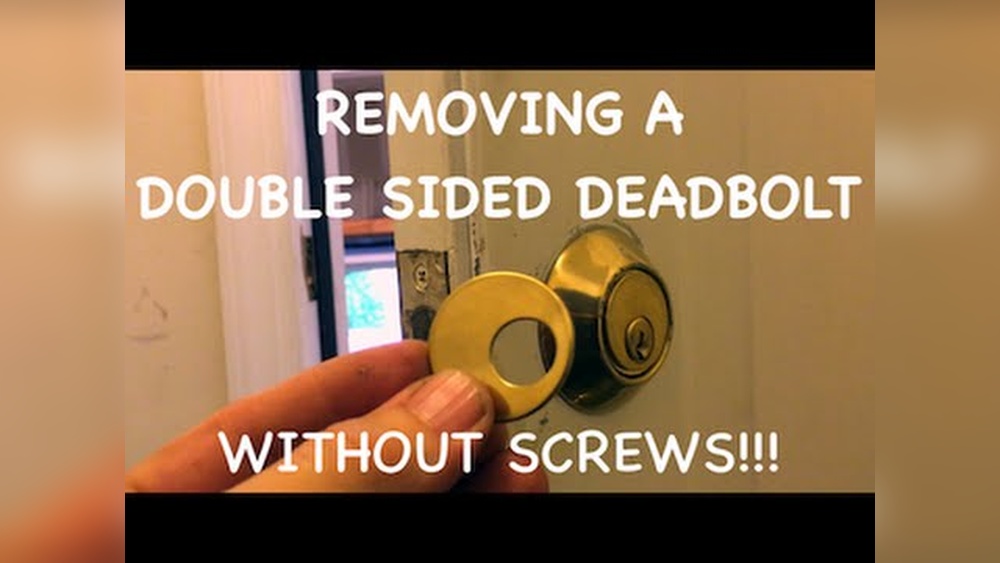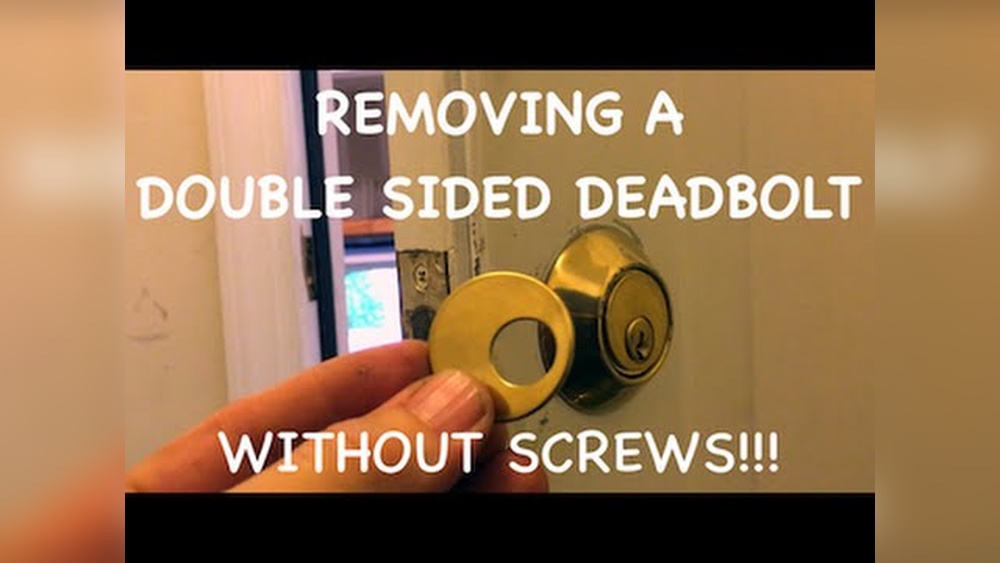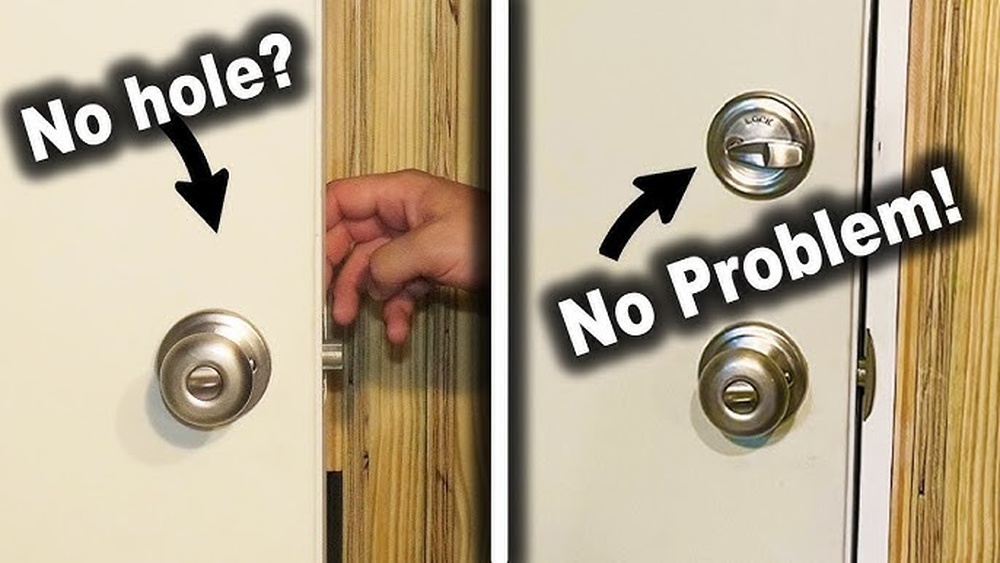
Are you locked out or need a spare key for your deadbolt? Knowing how to cut a deadbolt key yourself can save you time and money.
Imagine being able to create a perfect key right at home without waiting for a locksmith. This guide will walk you through simple steps that anyone can follow, even if you’ve never done it before. By the end, you’ll have the confidence to handle your deadbolt key cutting with ease.
Keep reading to unlock this valuable skill!
Tools Needed
Cutting a deadbolt requires specific tools. Having the right tools makes the job easier and safer. This section explains the essential tools and safety gear needed for cutting a deadbolt.
Essential Cutting Tools
You will need a hacksaw or an angle grinder for cutting the deadbolt. A hacksaw is good for small jobs but takes more time. An angle grinder cuts quickly and smoothly through metal. Use a metal cutting blade with your grinder.
Also, keep a measuring tape to mark where to cut. A marker or pencil helps make clear lines on the lock. Use pliers or a wrench to hold parts steady while cutting. A clamp can also secure the deadbolt to a work surface.
Safety Gear
Safety gear protects you from metal shards and sparks. Always wear safety goggles to protect your eyes. Thick gloves stop cuts and burns on your hands. Wear a dust mask to avoid breathing in metal dust.
Wear long sleeves and closed shoes to protect your skin. Work in a well-ventilated area to avoid inhaling fumes. Keep a fire extinguisher nearby for extra safety. Safety is important to avoid injuries during cutting.
Preparing The Work Area
Preparing the work area is an important first step when cutting a deadbolt. A clean, organized space helps you work safely and efficiently. Taking time to set up the area reduces mistakes and saves time.
Clear The Door Space
Remove any objects or decorations near the door. This gives you room to move and use your tools. A clear area prevents damage to nearby items. It also helps you focus on the task without distractions.
Wipe the door surface clean. Dust or dirt can affect your measurements and cuts. Use a cloth to remove any debris for a smooth working surface.
Secure The Door
Make sure the door stays still while you work. Use clamps or ask someone to hold the door if possible. A stable door stops slipping and keeps your cuts precise.
Lock the door in place if it swings freely. This prevents accidents and makes your job easier. Safety is key when working with cutting tools.
Assessing The Deadbolt Type
Assessing the deadbolt type is the first step in cutting a deadbolt correctly. Each deadbolt has unique features and shapes. Knowing the type helps you prepare the right tools and method. This step saves time and avoids damage to the lock or door. Understanding the deadbolt design is essential for safe and effective cutting.
Common Deadbolt Designs
Deadbolts come in several common designs. Single-cylinder deadbolts use a key on the outside and a thumb turn inside. Double-cylinder deadbolts require a key on both sides. There are also keyless deadbolts with electronic or keypad systems. The shape and size of the bolt can vary. Recognizing these designs helps in planning the cut.
Identify Cutting Points
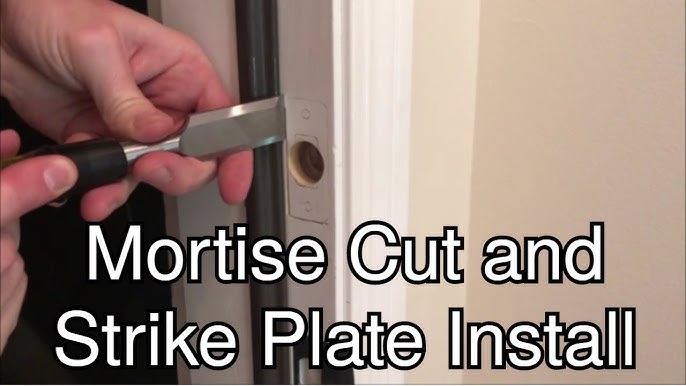
Cutting points depend on the deadbolt type and design. Usually, the bolt body and cylinder are the main focus. Mark the edges where the metal needs to be cut. Avoid cutting near the door frame to prevent damage. Use a marker or tape to highlight these points clearly. Proper marking guides the cutting tool precisely and safely.
Credit: www.youtube.com
Step-by-step Cutting Process
Cutting a deadbolt requires careful steps to ensure safety and success. Each step must be done slowly and precisely. This guide breaks down the process into clear parts. Follow each step to cut the deadbolt effectively.
Marking The Cut Line
Start by inspecting the deadbolt carefully. Use a pencil or marker to draw a straight line. Mark where the cut will go. The line should be clear and easy to see. Measure twice to avoid mistakes. This step helps guide the cutting tool accurately.
Cutting The Deadbolt
Select the right tool for cutting, like a hacksaw or angle grinder. Wear safety glasses and gloves for protection. Cut slowly along the marked line. Apply steady pressure and keep the tool steady. Avoid rushing to prevent damage or injury. Keep the cut straight and even.
Removing The Deadbolt
Once the cut is complete, try to wiggle the deadbolt. Use pliers or a screwdriver if needed. Pull the deadbolt out gently but firmly. Check for any remaining parts inside the door. Clean the area to prepare for a new lock installation. The deadbolt should come out smoothly with care.
Finishing Touches
After cutting the deadbolt, the final steps are very important. These finishing touches ensure your door works well and looks neat. Taking time here makes your job complete and safe.
Smoothing Edges
Use fine sandpaper or a file to smooth sharp edges. Sharp edges can cause injuries or damage the door. Gently rub the edges until they feel smooth and even. This also helps the deadbolt fit better in the door.
Testing Door Functionality
Open and close the door several times to check the deadbolt. Make sure the bolt moves smoothly and locks securely. Test the key or thumb turn to confirm easy operation. Fix any stiffness or misalignment before finishing the job.
Replacing The Deadbolt
Replacing a deadbolt is a simple way to keep your home secure. Old deadbolts can wear out or break. Installing a new one improves safety and gives peace of mind.
This process needs some basic tools and a new deadbolt lock. Follow the steps carefully for a smooth replacement.
Choosing A New Deadbolt
Pick a deadbolt that fits your door’s thickness and style. Measure your door before buying. Look for a lock with good reviews and strong materials. A grade 1 or 2 deadbolt offers better security. Choose between single-cylinder or double-cylinder types. Single-cylinder uses a key outside and a thumb turn inside. Double-cylinder needs a key on both sides for extra safety.
Installing The Replacement
Start by removing the old deadbolt. Unscrew the screws on the interior side. Pull out the lock and the latch from the door edge. Insert the new latch into the door’s edge. Make sure the latch faces the correct way. Align the new deadbolt parts with the holes. Secure the screws tightly but avoid over-tightening. Test the lock by turning the key and thumb turn. Adjust if the lock sticks or does not turn smoothly.
Preventing Future Issues
Cutting a deadbolt can solve many lock problems. Still, taking care of the lock after cutting is very important. Preventing future issues keeps your lock working well. It saves money and time on repairs. Small steps can make a big difference in lock life.
Regular Maintenance Tips
Check your deadbolt every few months. Look for rust, dirt, or loose screws. Clean the lock using a soft cloth. Use graphite powder to lubricate the keyhole. Avoid oil-based sprays; they attract dust. Tighten screws to keep parts in place. Test the lock by turning the key slowly. Fix small problems before they grow bigger.
When To Call A Professional
If the deadbolt sticks or won’t turn, call a locksmith. Don’t force the key or lock. Broken keys or damaged locks need expert help. Professionals have tools to fix or replace parts safely. Call a locksmith if the lock feels loose or damaged. Regular checks by a pro help keep your lock strong. Some problems need skill beyond basic DIY.

Credit: www.wikihow.com

Credit: www.wikihow.com
Frequently Asked Questions
How Do You Safely Cut A Deadbolt Lock?
To safely cut a deadbolt, use a power saw or angle grinder with a metal-cutting blade. Wear protective gear, clamp the lock securely, and cut carefully along the bolt. Avoid damaging the door or frame to maintain security.
What Tools Are Needed To Cut A Deadbolt?
Essential tools include an angle grinder or reciprocating saw with a metal blade, safety goggles, gloves, and clamps. These tools help you cut the deadbolt efficiently while protecting yourself from sparks and debris.
Can I Cut A Deadbolt Without Damaging The Door?
Yes, by focusing the cut directly on the bolt and using proper tools, you can avoid door damage. Secure the lock and cut slowly to maintain control, ensuring the door and frame stay intact.
Is Cutting A Deadbolt Legal In Emergencies?
Cutting a deadbolt is legal if you own the property or have permission. In emergencies, it is a necessary action for safety or access. Always verify ownership or authority before proceeding.
Conclusion
Cutting a deadbolt can save time and money on lock changes. Follow each step carefully for best results. Use the right tools and work slowly to avoid mistakes. Practice safety to protect yourself during the process. With patience, you can handle this task at home.
Keep your home secure by maintaining your locks well. Remember, simple steps lead to successful deadbolt cutting. Try it yourself and feel more confident with your skills.