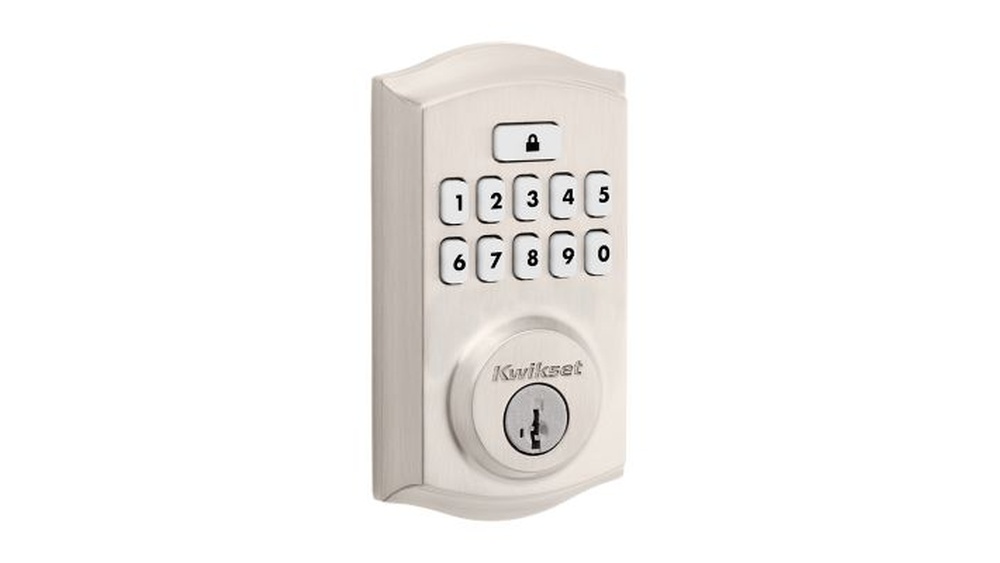
Is your deadbolt refusing to lock properly? When the bolt doesn’t line up with the strike plate, it can leave your door unsecured and cause daily frustration.
You might be wondering if it’s a complicated fix or if you need to call a locksmith right away. The good news is, you can solve this common problem yourself with a few simple steps. Keep reading to learn exactly how to fix a deadbolt that’s not lining up, so you can feel safe and confident in your home again.

Credit: www.youtube.com
Common Reasons For Misalignment
Deadbolt misalignment causes frustration and reduces home security. Understanding common reasons helps fix the problem fast. Many factors can cause a deadbolt not to line up properly. Identifying the cause makes repair easier and more effective.
Warped Door Frame
A warped door frame changes the shape around the lock. Heat, moisture, or age can warp wood frames. This warping shifts the deadbolt’s path. The bolt cannot slide into the strike plate smoothly. Warped frames need adjustment or replacement for proper fit.
Loose Strike Plate
The strike plate holds the deadbolt in place. Loose screws or damage causes it to move out of place. A misaligned strike plate blocks the bolt from entering. Tightening or repositioning the plate can fix this issue quickly. Check the screws often to prevent future problems.
Misaligned Door Hinges
Door hinges control how the door hangs and swings. Loose or bent hinges make the door sag or shift. This movement causes the deadbolt and strike plate to misalign. Tighten hinge screws or replace damaged hinges to restore alignment. Proper hinge function keeps the door and lock working well.
Swollen Door Due To Weather
Moisture and humidity cause wood doors to swell. A swollen door expands and changes shape slightly. This expansion blocks the deadbolt from lining up with the strike plate. Sanding the edges or controlling indoor humidity helps fix swelling. Keep doors sealed to reduce moisture damage.
Tools Needed For Fixing Deadbolt
Fixing a deadbolt that does not line up needs some basic tools. Having the right tools makes the job easier and faster. These tools help adjust the lock parts and the door frame properly. Prepare these items before starting the repair.
Screwdriver And Screws
A screwdriver is essential to remove and tighten screws on the deadbolt. Use the right type, usually a Phillips or flathead screwdriver. Keep extra screws handy in case some are worn or missing. Tight screws keep the lock steady and aligned.
Wood Filler And Sandpaper
Wood filler helps fix holes or gaps in the door frame. Apply it to areas where the deadbolt strike plate sits unevenly. After drying, use sandpaper to smooth the surface. A smooth frame helps the deadbolt fit correctly.
Chisel And Hammer
A chisel and hammer adjust the door frame or strike plate area. They help create space for the deadbolt to fit better. Work slowly and carefully to avoid damaging the door. These tools allow precise shaping of the wood.
Lubricant And Pencil
Lubricant makes the deadbolt move smoothly inside the lock. Spray or apply it inside the keyhole and bolt. Use a pencil to mark areas that need adjustment. Clear marks guide where to fix alignment issues.
Adjusting The Strike Plate
Adjusting the strike plate is a key step to fix a deadbolt that does not line up properly. The strike plate is the metal piece on the door frame where the deadbolt slides in. If the deadbolt cannot enter the strike plate hole smoothly, the door will not lock.
Small changes to the strike plate position or size can help the deadbolt fit correctly. This part explains how to adjust the strike plate for proper deadbolt alignment.
Loosening And Repositioning
Start by loosening the screws holding the strike plate. Use a screwdriver to remove them just enough to move the plate.
Shift the strike plate slightly up, down, left, or right to align with the deadbolt. Test the door after each move.
Once the deadbolt fits well, tighten the screws firmly to secure the plate in place. This simple adjustment often solves misalignment.
Enlarging The Strike Plate Hole
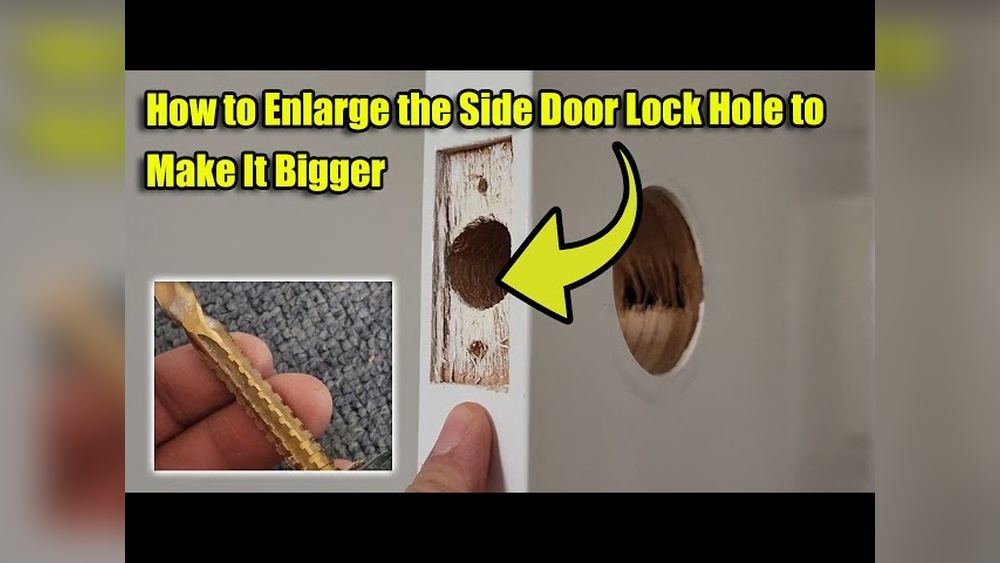
If repositioning does not work, the strike plate hole may be too small. Use a metal file or drill to widen the hole carefully.
File the edges evenly to avoid rough surfaces. Check the deadbolt fit frequently to avoid over-enlarging.
Widening the hole lets the deadbolt slide in smoothly and lock properly.
Replacing The Strike Plate
Sometimes the strike plate is old or damaged. Replace it with a new one of the correct size and shape.
Remove the old plate by unscrewing it completely. Align the new plate with the deadbolt and screw it in tightly.
A new strike plate can improve deadbolt performance and secure your door better.
Credit: www.reddit.com
Fixing Door Frame Issues
Fixing door frame issues can solve a deadbolt that does not line up. The door frame may shift or swell over time. This causes the bolt to miss the strike plate. Small fixes can make a big difference. Focus on the frame’s shape and strength for better alignment.
Sanding Swollen Areas
Wood can swell due to moisture. This makes the door hard to close. Use sandpaper to smooth swollen spots. Sand gently and check the fit often. Remove just enough wood to allow the bolt to enter smoothly. Avoid sanding too much, which weakens the frame.
Filling Gaps And Cracks
Gaps or cracks in the door frame reduce support. Use wood filler to fill these spaces. Apply the filler with a putty knife. Let it dry completely before sanding it smooth. A solid frame helps the deadbolt line up and work properly. Check for any loose parts and fix them as well.
Reinforcing The Frame
A weak frame can cause alignment issues. Add metal plates or braces around the strike plate area. Secure these with screws for extra strength. This stops the frame from moving under pressure. A strong frame keeps the deadbolt in the correct place. It also improves home security.
Realigning Door Hinges
Realigning door hinges is a key step to fix a deadbolt that does not line up. When hinges shift or become loose, the door can sag or move out of place. This misalignment stops the deadbolt from sliding smoothly into the strike plate. Adjusting the hinges helps the door close properly and the deadbolt lock easily.
Check the hinges for any signs of wear or damage. Small changes can make a big difference in how the door fits. The following sections explain how to tighten screws, replace hinges, and use shims to fix alignment problems.
Tightening Loose Screws
Start by inspecting all hinge screws. Loose screws can cause the door to sag. Use a screwdriver to tighten each screw firmly. Make sure screws hold the hinge tightly against the door and frame. If screws spin without tightening, replace them with longer ones for a stronger hold.
Replacing Damaged Hinges
Old or bent hinges can cause misalignment. Remove the door from the frame to check hinges closely. Swap out any damaged hinges with new ones of the same size. Proper hinges keep the door stable and aligned. Use screws that fit well and are strong enough to support the door.
Shimming The Hinges
Shims are thin pieces of material added behind hinges. Use shims to adjust the door’s position slightly. Place shims behind the hinge leaf on the door or frame side. This moves the door closer or farther from the frame. Test the deadbolt after adding shims to ensure it lines up correctly.
Lubricating The Deadbolt
Lubricating the deadbolt helps it move smoothly. A dry or sticky lock causes the deadbolt not to line up correctly. Proper lubrication reduces friction and wear inside the lock. This fix often solves the alignment problem without complex repairs.
Choosing The Right Lubricant
Select a lubricant made for locks or metal parts. Graphite powder works well because it does not attract dirt. Silicone spray is another good choice as it repels dust and moisture. Avoid using oil-based lubricants like WD-40. These can gum up the lock over time and cause more problems.
Applying Lubricant Properly
Start by cleaning the lock area with a dry cloth. Insert the lubricant into the keyhole and on the deadbolt edges. Move the key in and out several times to spread the lubricant inside. Also, spray a small amount on the bolt itself. Wipe off any excess lubricant to prevent dirt buildup.
When To Call A Professional
Sometimes, fixing a deadbolt that does not line up is not simple. Small problems can turn into bigger ones. Knowing when to call a professional can save time and money. A trained locksmith has the right tools and skills. They can fix the issue safely and quickly.
Complex Frame Damage
Frames can warp or crack from weather or accidents. This damage makes the deadbolt hard to align. Repairing a damaged frame needs experience. A professional can assess the damage and fix it properly. Trying to fix frame damage alone can cause more harm.
Persistent Misalignment
Sometimes, the deadbolt stays out of line even after adjustments. This means the problem is deeper than just the bolt or strike plate. Professionals can find hidden issues in the door or frame. They have tools to measure and fix exact alignment problems. Persistent misalignment needs expert help for a lasting fix.
Security Concerns
A deadbolt protects your home. A misaligned deadbolt can leave your home vulnerable. If the lock does not secure well, call a locksmith. They ensure your lock works perfectly and keeps you safe. Professionals can also suggest better locks if needed.

Credit: www.youtube.com
Frequently Asked Questions
Why Is My Deadbolt Not Lining Up Properly?
A misaligned deadbolt often occurs due to door warping, loose screws, or frame shifting. Check and tighten screws, adjust the strike plate, or plane the door edge for better alignment.
How Can I Adjust The Deadbolt Strike Plate?
Loosen the strike plate screws, reposition it slightly, then tighten the screws. This adjustment helps the deadbolt latch smoothly and prevents jamming or misalignment.
Can Door Swelling Cause Deadbolt Alignment Issues?
Yes, moisture can cause wood doors to swell, affecting deadbolt alignment. Controlling humidity and sanding swollen areas helps restore proper deadbolt function.
When Should I Replace A Misaligned Deadbolt?
Replace the deadbolt if adjustments don’t fix alignment or if the lock mechanism is damaged. A new deadbolt ensures security and smooth operation.
Conclusion
Fixing a deadbolt that does not line up can be simple. Check the alignment carefully and adjust the strike plate. Tighten screws and make small changes to the door frame if needed. Test the lock several times to ensure smooth operation.
A well-aligned deadbolt keeps your home safe and secure. Take your time and follow the steps patiently. You can solve this common issue without calling a professional. Small fixes make a big difference in door security and convenience.