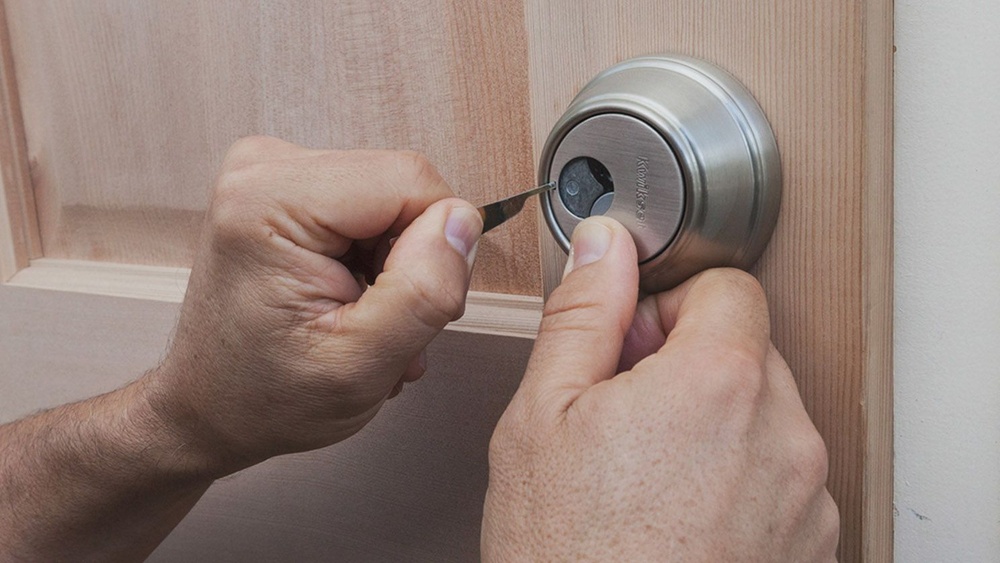
Have you ever found yourself locked out or struggling with a stubborn deadbolt? Knowing how to key a deadbolt can save you time, money, and frustration.
Whether you want to replace an old lock or add extra security to your home, this simple skill puts control in your hands. In this guide, you’ll discover easy steps to master deadbolt keying without needing a locksmith. Keep reading, and you’ll unlock the confidence to handle your locks like a pro.
Choosing The Right Deadbolt
Choosing the right deadbolt is important for your door’s security. Not all deadbolts are the same. Picking the best one depends on your needs and door type. This section explains what to consider before buying a deadbolt.
Types Of Deadbolts
Single-cylinder deadbolts use a key outside and a thumb turn inside. They are common and easy to use.
Double-cylinder deadbolts need a key on both sides. They add security but can be tricky in emergencies.
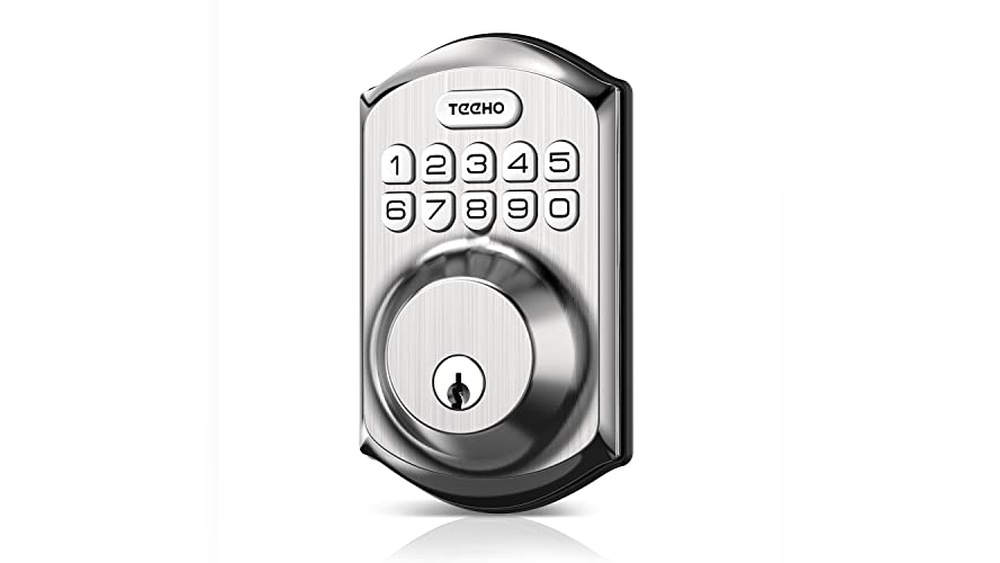
Keyless deadbolts work with codes or electronic keys. They offer convenience but need batteries.
Material And Durability
Choose deadbolts made of solid metal like brass or steel. These resist force and last longer.
A good finish protects against rust and weather damage. Look for deadbolts with strong coatings.
Durability matters for outside doors exposed to weather and wear.
Compatibility With Doors
Check your door thickness before buying a deadbolt. Most fit standard doors but some need special sizes.
Door material matters too. Wood, metal, and fiberglass require different mounting methods.
Make sure the deadbolt fits your door frame and locks smoothly.
Tools And Materials Needed
Before you start keying a deadbolt, gather the right tools and materials. This helps the process go smoothly and saves time. Having everything ready makes the job easier and safer.
Essential Tools
You need a few basic tools to key a deadbolt. A screwdriver is necessary to remove the lock from the door. A key gauge or code reader helps identify the lock pins. Needle-nose pliers allow you to handle small parts inside the lock. A key blank is required to create a new key. A pinning kit contains pins of different sizes for the lock.
Additional Supplies
Some extra supplies make the job cleaner and more accurate. A small flashlight helps you see inside the lock cylinder. Tweezers can assist in placing tiny pins. A magnifying glass improves visibility of small parts. A work mat or tray keeps pins and screws from getting lost. Lubricant spray ensures smooth lock operation after reassembly.
Safety Gear
Protect yourself during the process. Safety glasses shield your eyes from flying debris. Gloves protect your hands from sharp edges. Wear comfortable clothing that does not restrict movement. Work in a well-lit area to avoid mistakes. Taking these precautions keeps you safe and focused.
Removing The Old Deadbolt
Removing the old deadbolt is the first step to install a new lock. It helps to work with a clean and ready door. This part is simple but needs care to avoid damage.
Follow clear steps to take out the old deadbolt safely. Gather basic tools like a screwdriver before starting. Let’s break down the process into easy parts.
Locating Screws And Components
Find the screws on the inside part of the door handle. They hold the lock parts together. Look closely near the knob or thumb turn.
Check both sides of the door for visible screws. Sometimes screws hide under small covers. Remove covers gently to access screws.
Disassembling The Lock
Use a screwdriver to remove all screws found. Keep screws in a safe place to avoid loss. Pull the inside knob or thumb turn off first.
Next, pull the outside knob or handle away from the door. The deadbolt mechanism should come out easily. If stuck, wiggle it gently to loosen.
Preparing The Door
Clear any debris or dust from the lock holes. Smooth the surface with sandpaper if needed. Make sure the holes match the new deadbolt size.
Check the door edge for damage or rough spots. Fix any issues to help the new lock fit well. Clean the area to ensure smooth installation.
Installing The New Deadbolt
Installing the new deadbolt is the key step in securing your door. This process requires care to ensure the lock works smoothly and protects your home well. Follow these steps to install the deadbolt correctly and safely.
Aligning The Deadbolt
Place the deadbolt into the hole on the door edge. Check that the bolt slides out straight. The lock should sit flush against the door surface. Adjust the position until it fits well. Proper alignment helps the lock work without sticking.
Securing The Lock Mechanism
Hold the lock mechanism in place inside the door. Use screws to fasten it tightly. Tighten all screws evenly to avoid wobbling. Make sure the lock stays steady when you turn the key. A secure lock mechanism keeps your door safe.
Testing The Fit
Insert the key and turn it slowly. The deadbolt should move smoothly without resistance. Check if the bolt fully extends into the door frame. Open and close the door to test the lock. Adjust the strike plate if the bolt does not fit well.
Keying The Deadbolt
Keying the deadbolt is a crucial step in customizing your lock. This process lets you match the deadbolt’s mechanism to your key. Doing this right ensures your door locks and unlocks smoothly and securely. The steps are simple but require care and precision.
Inserting The Key Cylinder
Start by placing the key cylinder into the deadbolt housing. Align it carefully with the slot inside the lock. Push the cylinder until it fits snugly and clicks into place. This step is important to keep the key mechanism stable.
Adjusting The Pins
Next, adjust the pins inside the cylinder to match your key’s cuts. Use a pinning kit for this task. Insert each pin into the correct chamber based on the key’s pattern. Proper pin height is essential for smooth key operation.
Ensuring Smooth Operation
After setting the pins, test the key in the cylinder. Turn it gently to check if the deadbolt moves without sticking. If the key feels tight, adjust the pins or cylinder position slightly. Smooth action means your deadbolt is keyed correctly.
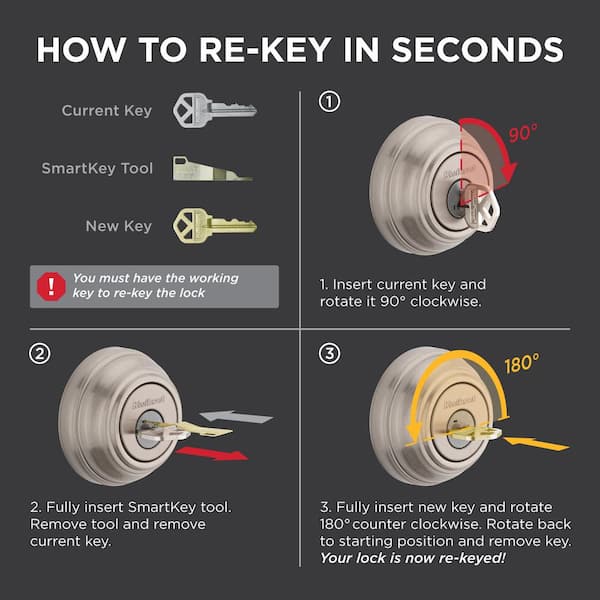
Credit: www.homedepot.com
Troubleshooting Common Issues
Troubleshooting common issues helps you fix deadbolt problems quickly. Many problems are simple to solve with the right steps. Knowing what to check saves time and effort. Below are some frequent issues and how to handle them.
Key Won’t Turn
A key that won’t turn often means dirt or damage inside the lock. Try spraying a small amount of graphite lubricant into the keyhole. Avoid oil-based lubricants; they attract dust and cause more problems. Check the key for bends or damage. Use a spare key if available to test. If the key is bent, replace it for smooth turning.
Deadbolt Sticks
A sticking deadbolt can make locking and unlocking hard. Dirt and rust buildup inside the bolt is a common cause. Clean the bolt and apply a dry lubricant. Check the bolt’s movement by pushing it in and out gently. Tighten any loose screws on the lock and door frame. This can help the bolt move freely.
Misalignment Problems
Misalignment between the deadbolt and strike plate stops the lock from working. Look at the door frame and see if the bolt fits into the hole easily. Tighten loose screws on the strike plate or adjust its position. Sometimes, filing the strike plate hole helps the bolt fit better. Make sure the door closes fully and evenly for proper alignment.
Maintaining Your Deadbolt
Maintaining your deadbolt is essential to keep your home secure and your lock working smoothly. Regular care helps prevent jams and wear. Simple steps can extend the life of your deadbolt and avoid costly repairs.
Lubrication Tips
Use graphite powder or silicone spray to lubricate your deadbolt. Avoid oil-based lubricants; they attract dirt and dust. Apply lubricant to the keyhole and bolt mechanism. Move the key in and out several times to spread it evenly. Lubricate the lock every six months for best results.
Regular Inspections
Check your deadbolt regularly for signs of damage or wear. Look for loose screws or a misaligned bolt. Test the lock by turning the key smoothly. Tighten any loose parts immediately. Early detection helps prevent lock failure and keeps your door secure.
When To Replace
Replace your deadbolt if the key sticks or the lock jams often. Also, change it if the lock shows rust or corrosion. If the lock feels loose or the bolt does not fully extend, it’s time for a new one. Replacing old locks improves home safety and peace of mind.
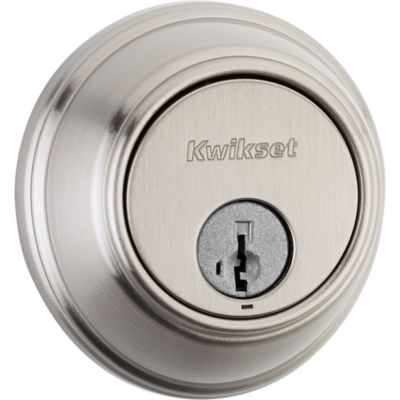
Credit: www.kwikset.com

Credit: www.mul-t-lock-online.com
Frequently Asked Questions
How Do I Key A Deadbolt For The First Time?
To key a deadbolt, insert the key into the lock cylinder. Turn the key to align pins. Remove the cylinder and adjust pins to match your key. Reassemble and test to ensure smooth locking and unlocking.
Can I Rekey A Deadbolt Without Removing It?
Yes, but it’s easier to remove the deadbolt first. Removing allows better access to pins. Rekeying without removal requires special tools and expertise. For beginners, removing the lock is recommended.
What Tools Do I Need To Key A Deadbolt?
You need a key gauge, pinning kit, tweezers, and a plug follower. A screwdriver is essential for removing the lock. These tools help you adjust pins for your key.
How Long Does It Take To Key A Deadbolt?
Rekeying a deadbolt usually takes 15 to 30 minutes. Time depends on experience and lock complexity. Proper technique ensures smooth operation and security.
Conclusion
Keying a deadbolt is simpler than it seems. Follow the steps carefully and take your time. Always check that the key fits and turns smoothly. Keep your tools handy and work in a well-lit place. Practice makes perfect, so try a few times if needed.
This skill helps keep your home safe and secure. Small efforts can lead to big results. Stay patient and confident during the process. You can handle this task easily with some focus. Keep your deadbolt working well for peace of mind.